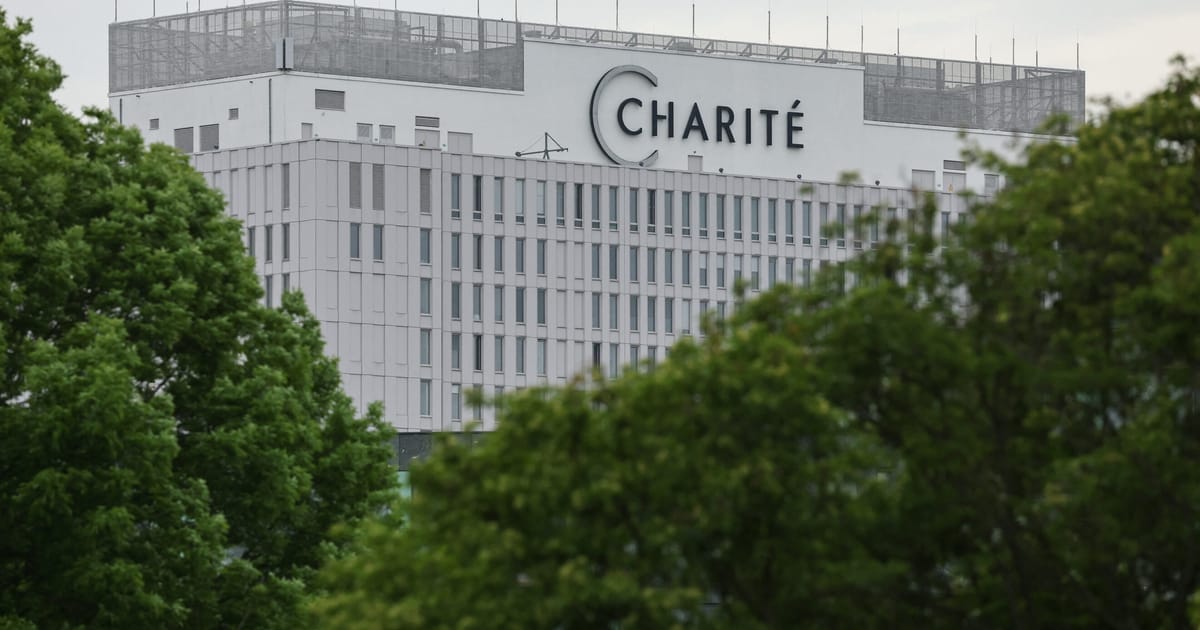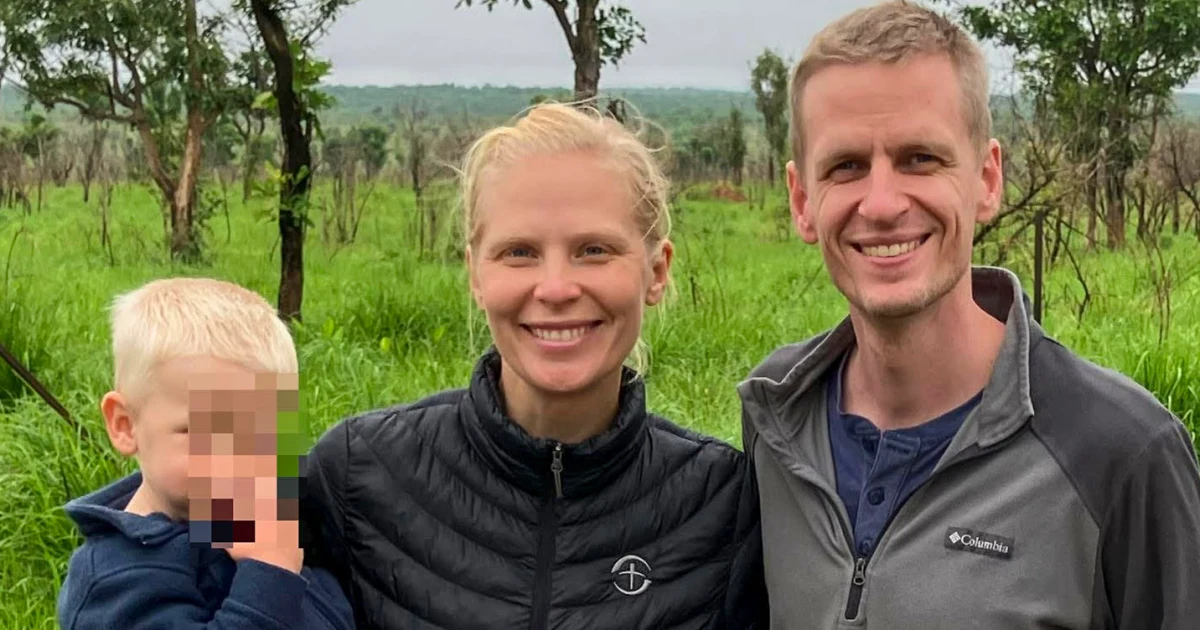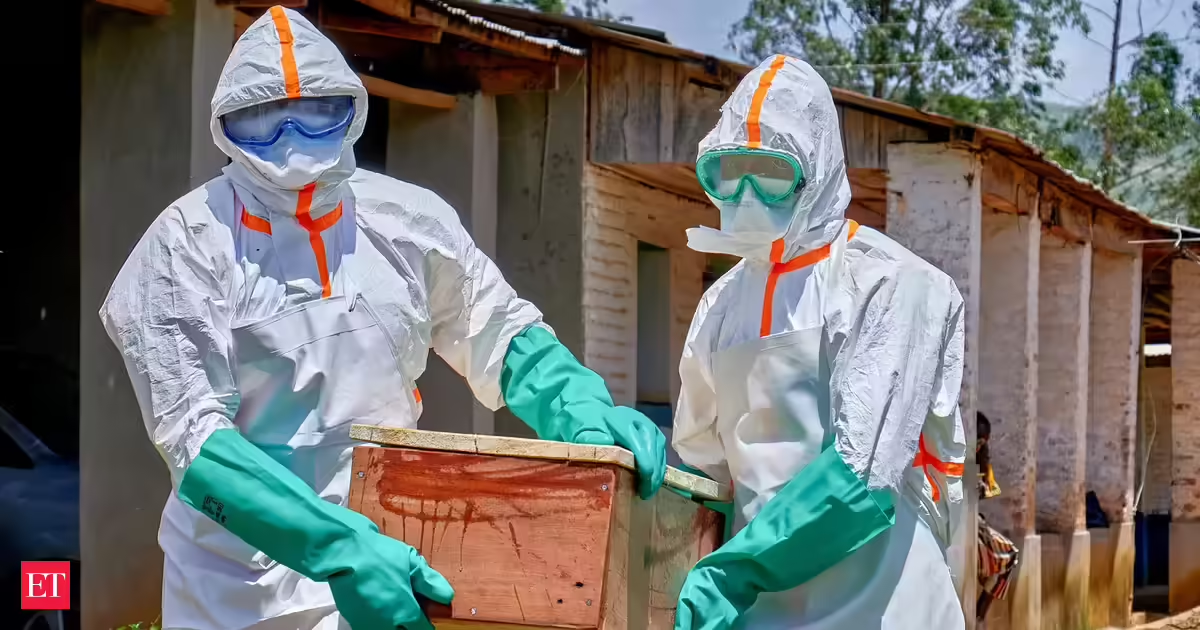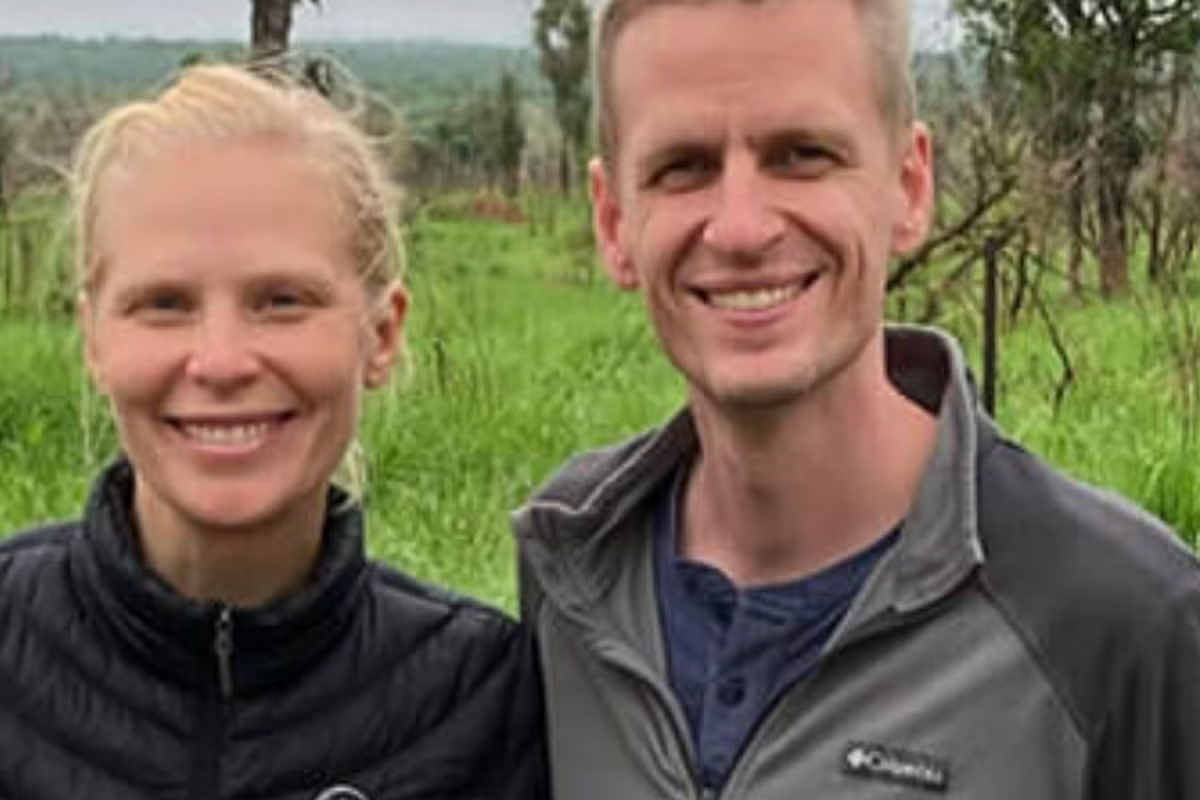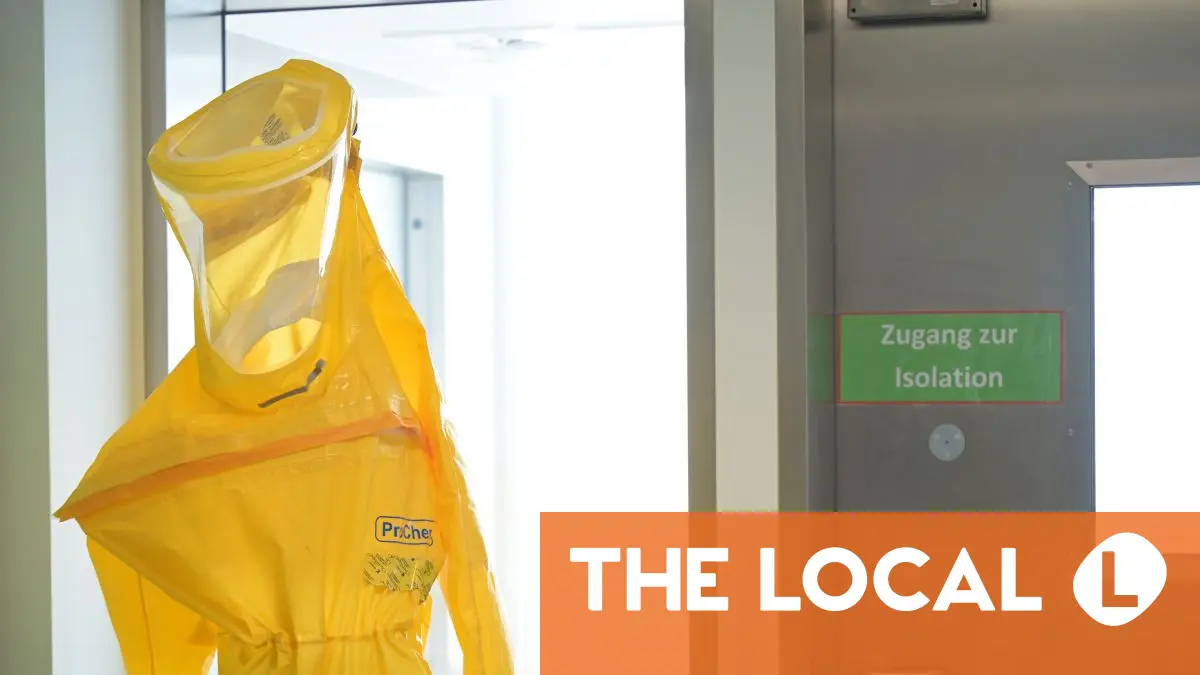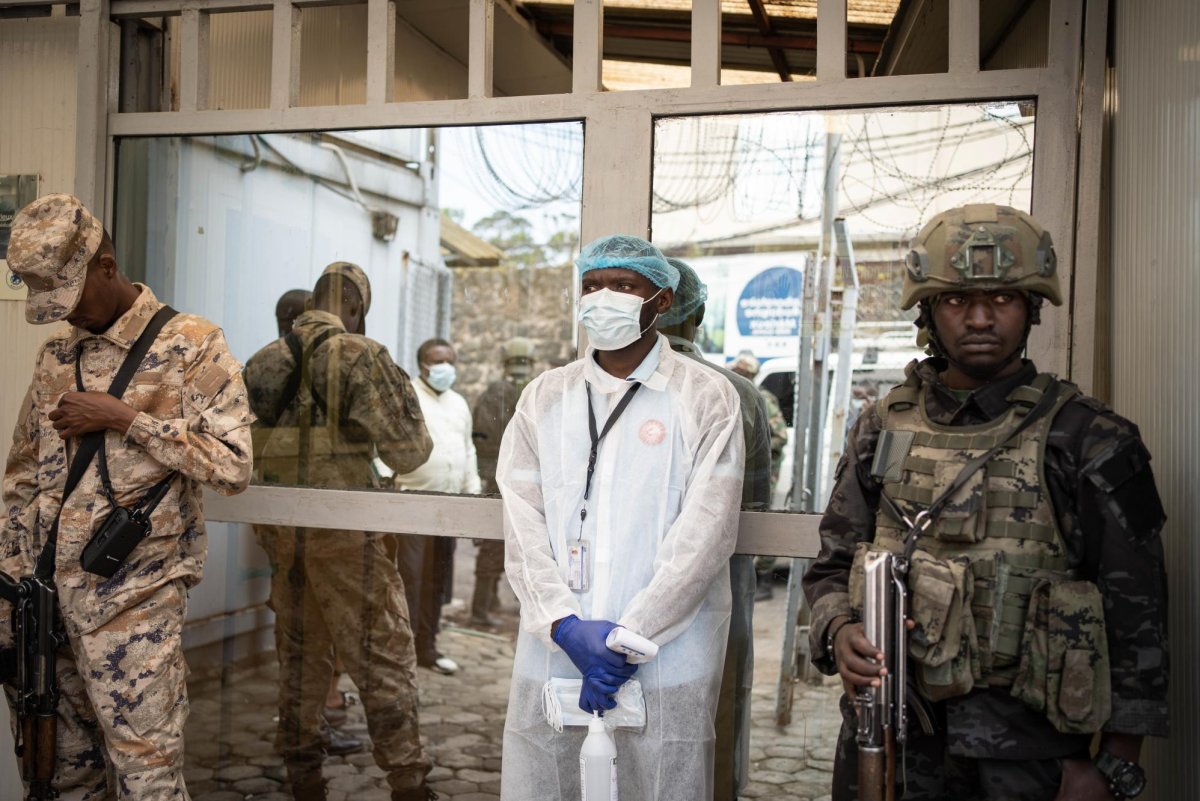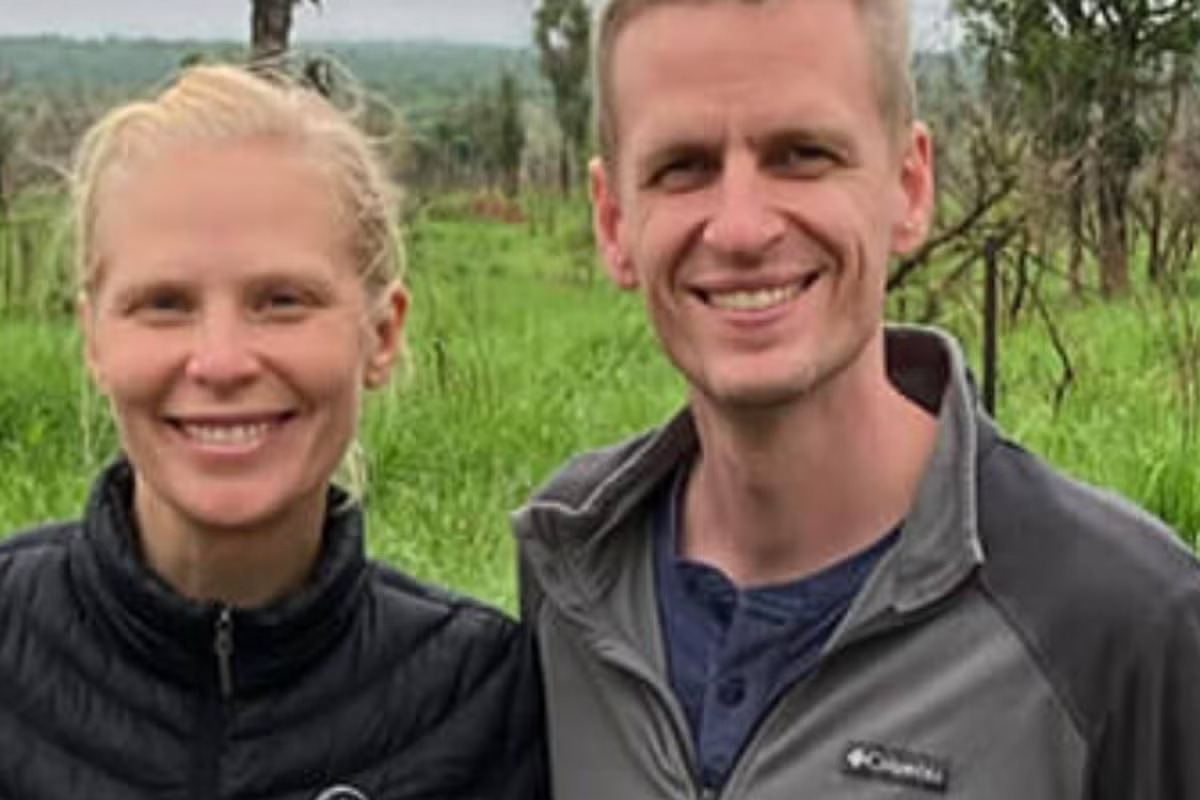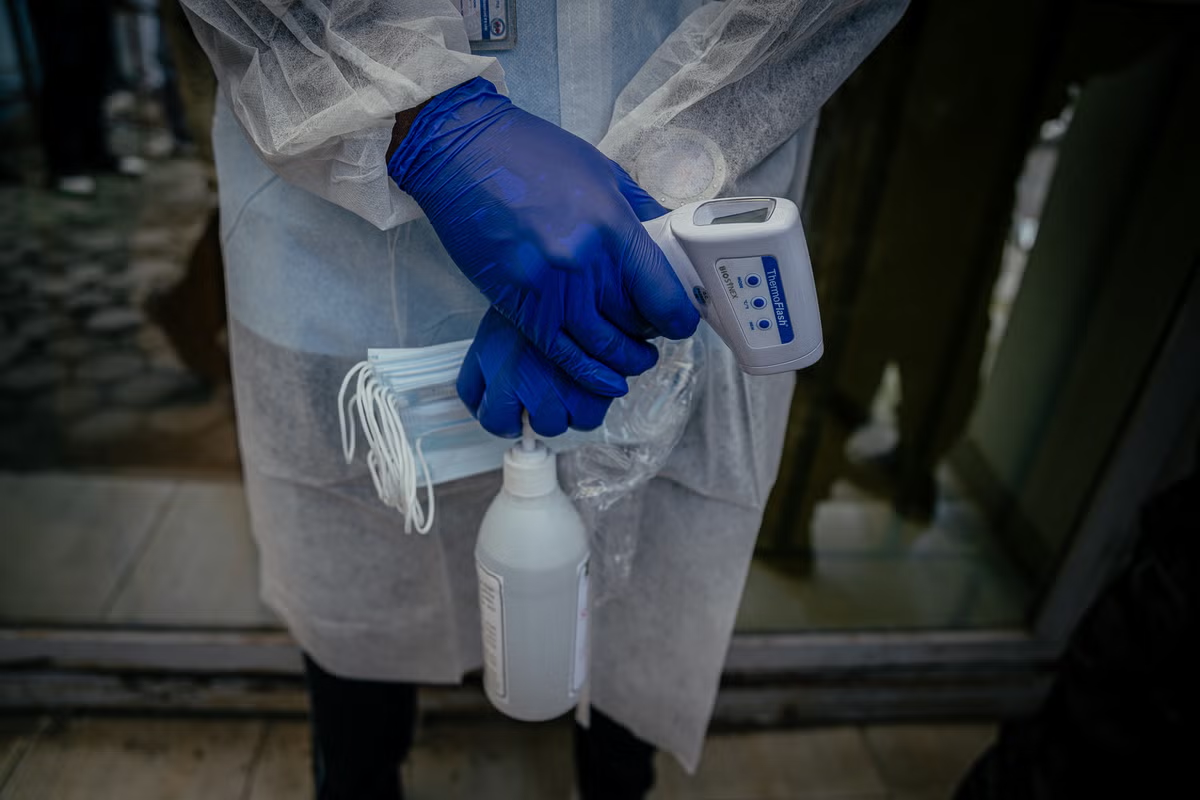
LONDON -- The American doctor who contracted Ebola has arrived in Germany and is receiving care, according to his employer Serge, a missionary group.Dr. Peter Stafford is "receiving Ebola-specific care" at Berlin's Charite University Hospital, the international Christian mission organization said in a press release on Wednesday.The remaining six Americans who were possibly exposed are en route to Europe for monitoring and quarantine, according to Serge.Stafford's family, including his wife and four children, will join him in Germany while another missionary doctor is on his way to Prague.Stafford, a 39-year-old board-certified general surgeon with a specialization in burn care, tested positive for Ebola after caring for patients in Bunia, in the eastern Democratic Republic of the Congo, before an outbreak was identified.Meanwhile, both his wife, Dr. Rebekah Stafford, 38, and Dr. Peter LaRochelle, 46, were potentially exposed to Ebola through their work at hospitals in the DRC, Serge said."The complex, coordinated efforts of many government agencies and international health authorities resulted in Peter Stafford's safe transport and the protection of those involved in his transfer," Dr. Scott Myhre, Serge area director for East and Central Africa, said in the release. "Serge leadership extends their deepest gratitude to all involved in Peter's care and is praying for all involved in the fight to end this ebolavirus outbreak for the good of the people of the DRC."Serge, an international Christian missions organization, confirmed today that medical missionary Dr. Peter Stafford, pictured with his wife Rebeka, has tested positive for the Bundibugyo ebolavirus variant in Bunia, Democratic Republic of Congo.SergeThe Ebola outbreak in the eastern DRC had caused 139 suspected deaths with nearly 600 suspected cases as of Wednesday, according to the latest update from World Health Organization Director-General Dr. Tedros Adhanom Ghebreyesus."We expect those numbers to keep increasing, given the amount of time the virus was circulating before the outbreak was detected," Tedros said during a press briefing in Geneva.The WHO convened an emergency committee on Tuesday night, following Tedros' declaration of a public health emergency of international concern on Sunday -- one level below a pandemic in the United Nations agency's alert system. It was the first time a WHO chief had declared such an emergency before convening the emergency committee. After the meeting, the committee agreed that the outbreak did not meet the criteria of a pandemic emergency, which was applied to the global COVID-19 outbreak.A health worker monitors visitors arriving at the Rodolphe Merieux Laboratory, National Biomedical Research Institute (INRB) in Goma, on May 19, 2026.Jospin Mwisha/AFP via Getty ImagesThe outbreak was first detected in the DRC's northeastern province of Ituri, with cases officially confirmed by the health ministry on May 15. It marked the 17th outbreak of Ebola virus disease in the DRC, which is Africa's second-largest country and its fourth-most populous nation. Popular ReadsThe current outbreak is caused by the Bundibugyo virus, a rare variant of Ebola for which there are no approved vaccines or therapeutics and which requires different diagnostics than other variants. Case fatality rates for previous Bundibugyo outbreaks have ranged from 30% to 50%, according to the WHO.Tedros said cases of Ebola have been reported in several urban areas of the eastern DRC amid the ongoing outbreak, including the major cities of Goma and Bunia, and that at least two cases and one death have been recorded in neighboring Uganda's capital, Kampala. Cases have also been reported among health workers, according to Tedros.At least 51 cases have so far been confirmed in the ongoing outbreak. The WHO chief warned that significant population movement in the region, which includes a high-traffic mining area, along with insecurity and intensified conflict in recent months increase the risk of further spread. The risks are high at the national and regional levels, but remain low globally, according to Tedros.Dr. Satish K. Pillai, incident manager for the Centers for Disease Control and Prevention's Ebola response, confirmed at a CDC press conference on Tuesday that genetic testing from this outbreak shows it is similar to the "genetic fingerprints" from outbreaks in 2007 and 2012, meaning there are diagnostic tools available that can detect this strain of Ebola.Pillai said on Monday that the agency had activated its Emergency Operations Center through its country offices in the DRC and in Uganda, and is deploying technical experts that have been requested from Atlanta headquarters.The CDC said Monday that it is preparing to restrict entry for travelers arriving from parts of central Africa where an Ebola outbreak has been declared, in coordination with the Department of Homeland Security.The risk to the U.S. general public remains low, Pillai said.ABC News' Eric M. Strauss contributed to this report.
US doctor infected with Ebola arrives in Germany and is receiving 'specific care'
Dr. Peter Stafford, the American doctor who contracted Ebola, has arrived in Germany and is receiving care, according to the missionary group he works for.
771 words~4 min read