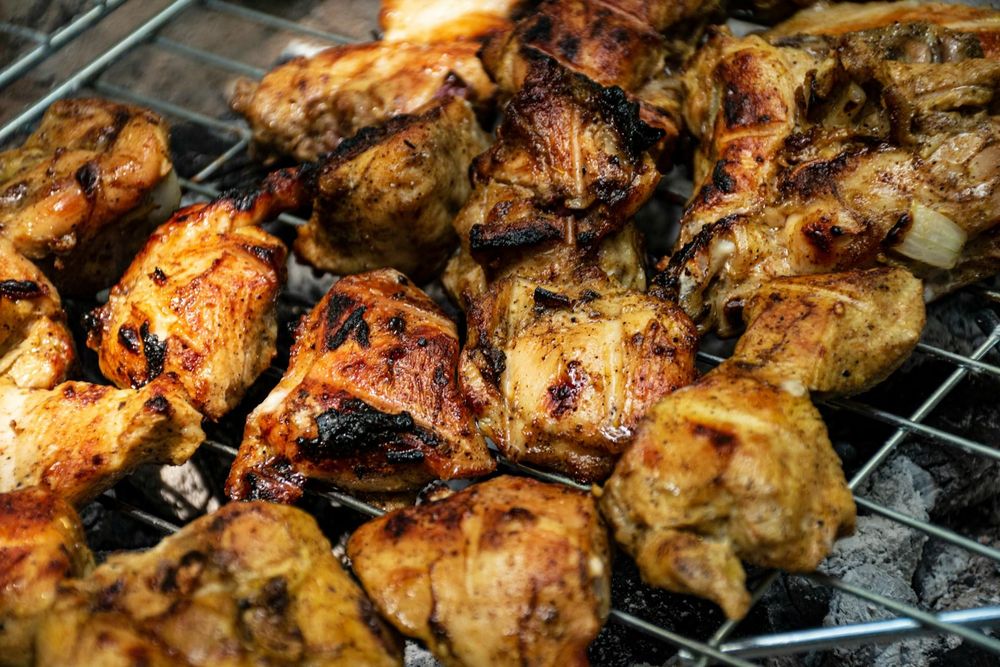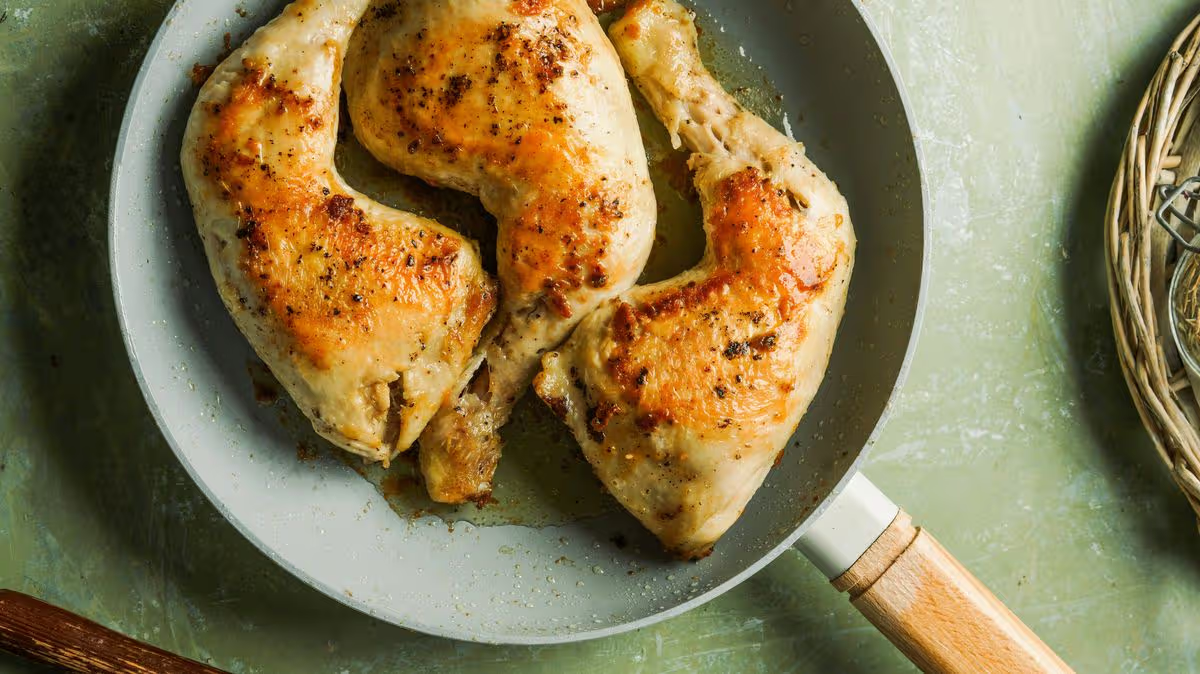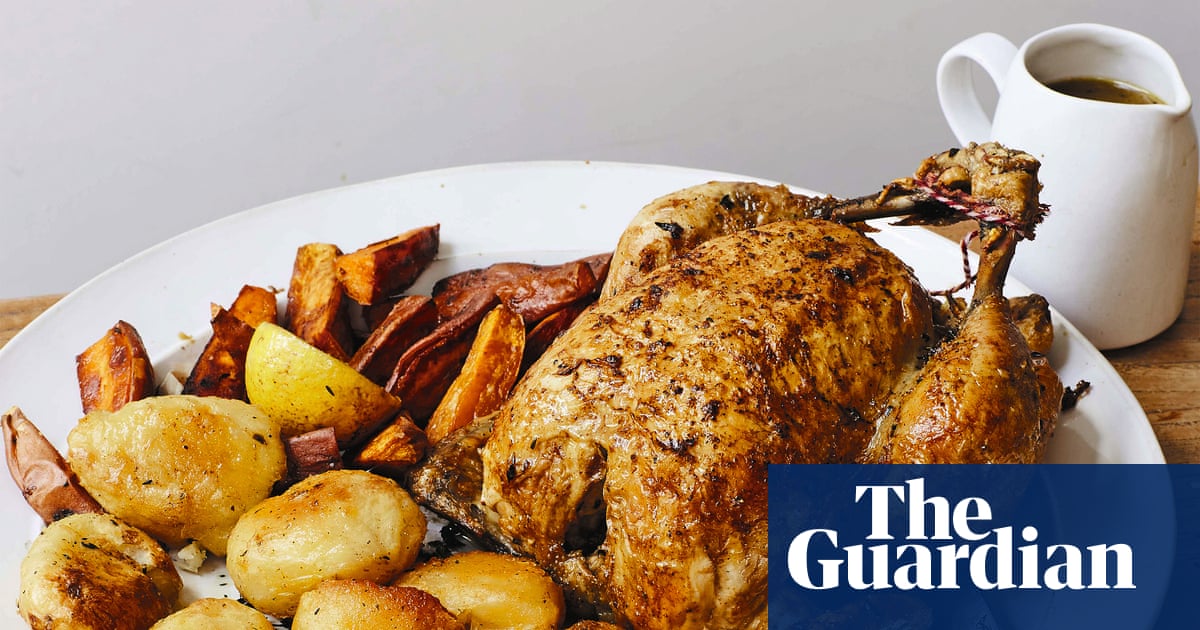
istetiana / Getty Images
Chicken thighs have a well-earned reputation as the forgiving cut — the one that stays moist when a breast would turn chalky and dry. That reputation is mostly deserved, but it isn't unconditional. Cooked carelessly, even a thigh can turn tough, stringy, or rubbery, especially when it's boneless and skinless and subjected to aggressive, unmanaged heat.
The difference between a dry chicken thigh and a genuinely succulent one comes down to technique, not luck. Fat content helps — thighs have more intramuscular fat than breasts, which gives them a margin against overcooking — but fat alone won't save a thigh blasted in a 450°F oven without resting, or one poached at a rolling boil instead of a gentle simmer. The cook's choices, from how the meat is prepared before it ever hits heat to how it's treated in the minutes after cooking, determine the outcome.
This guide covers 20 distinct methods for cooking chicken thighs, each designed to produce meat that is fully cooked, safe to eat, and genuinely juicy. Some methods are fast; some take hours. Some use equipment you may not already own; most work with a basic pan and a home oven. What they share is a practical understanding of how heat interacts with poultry — how moisture escapes, how collagen breaks down, how fat renders, and why resting matters.