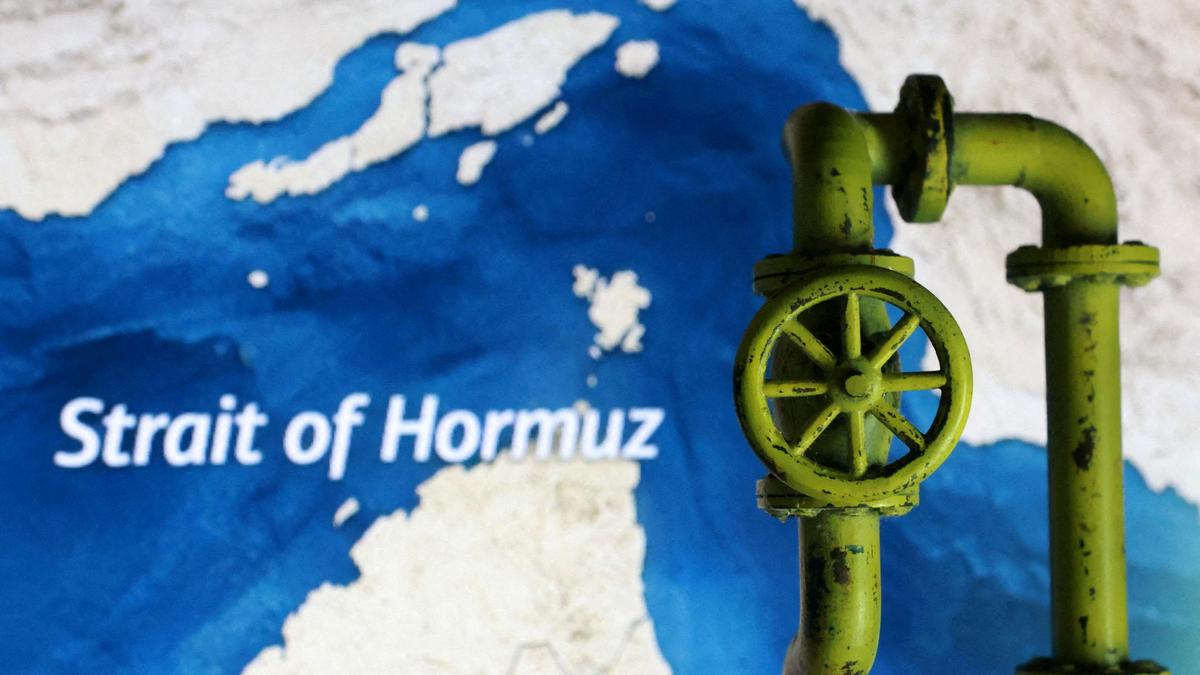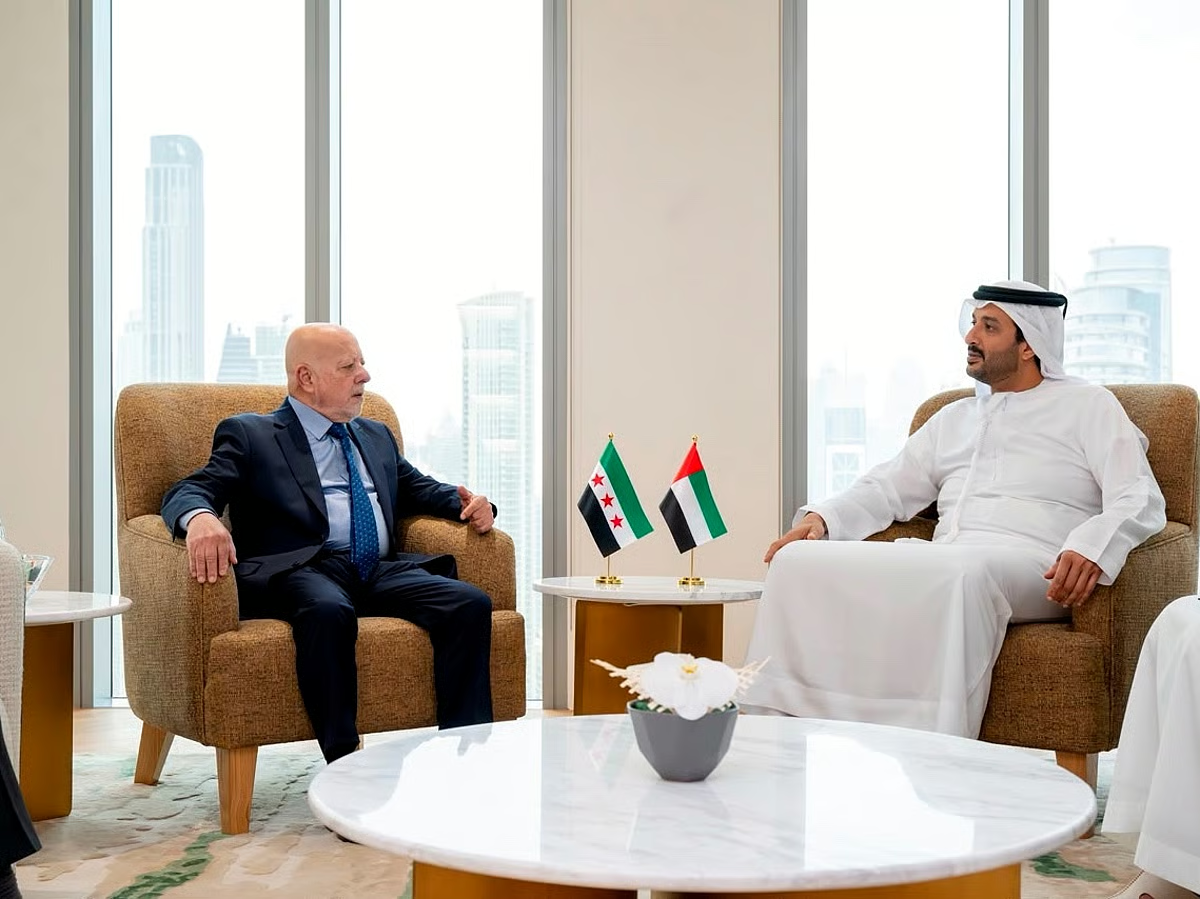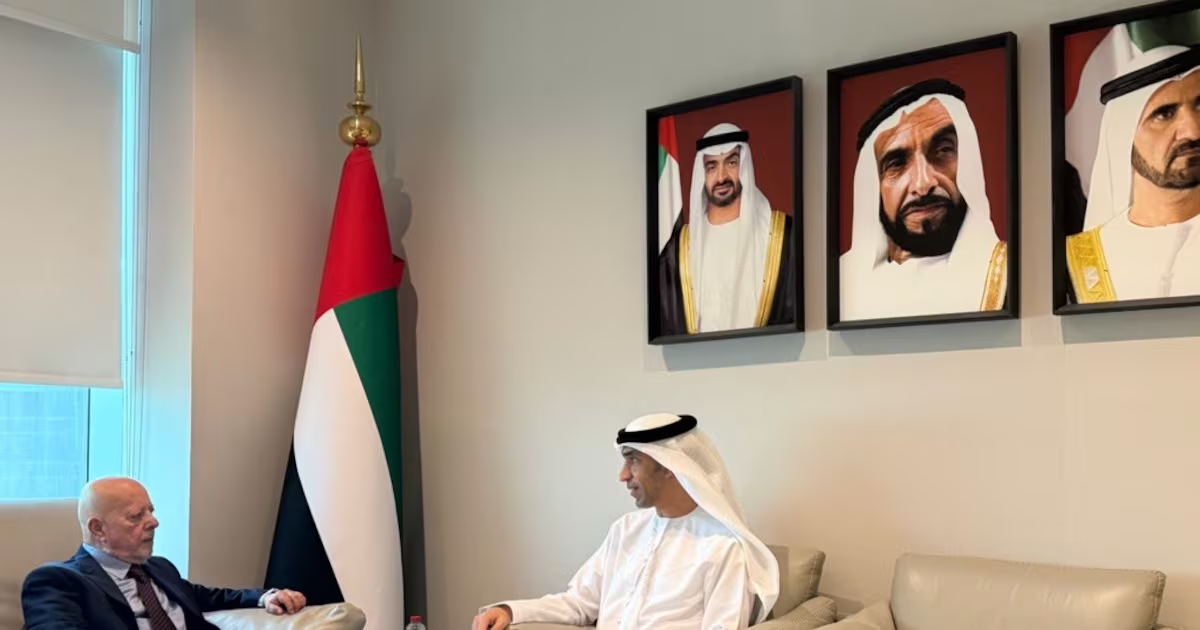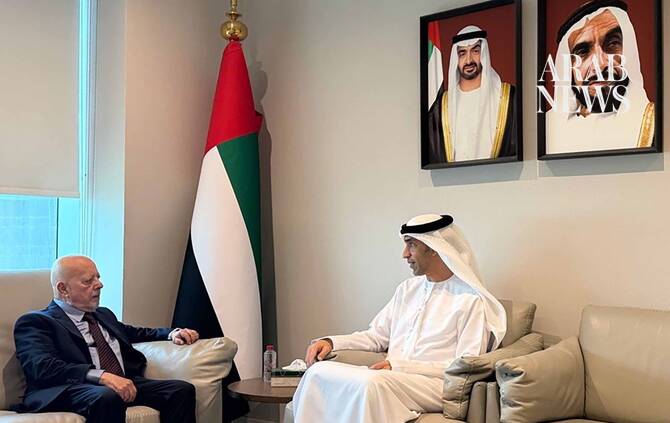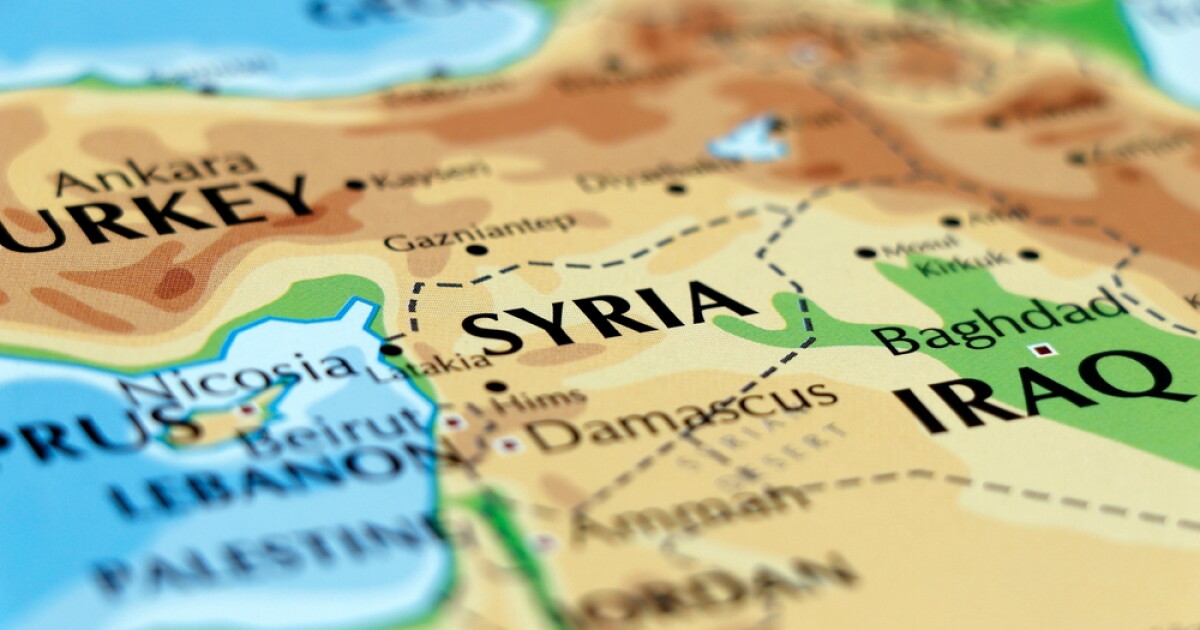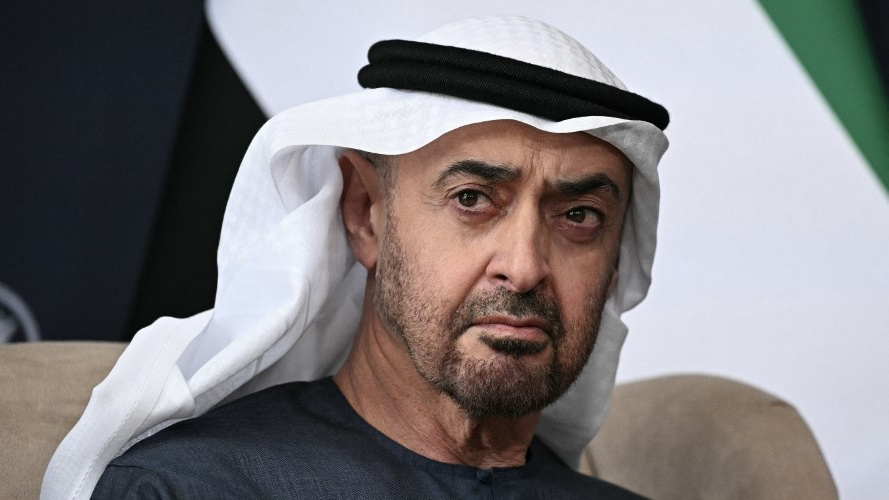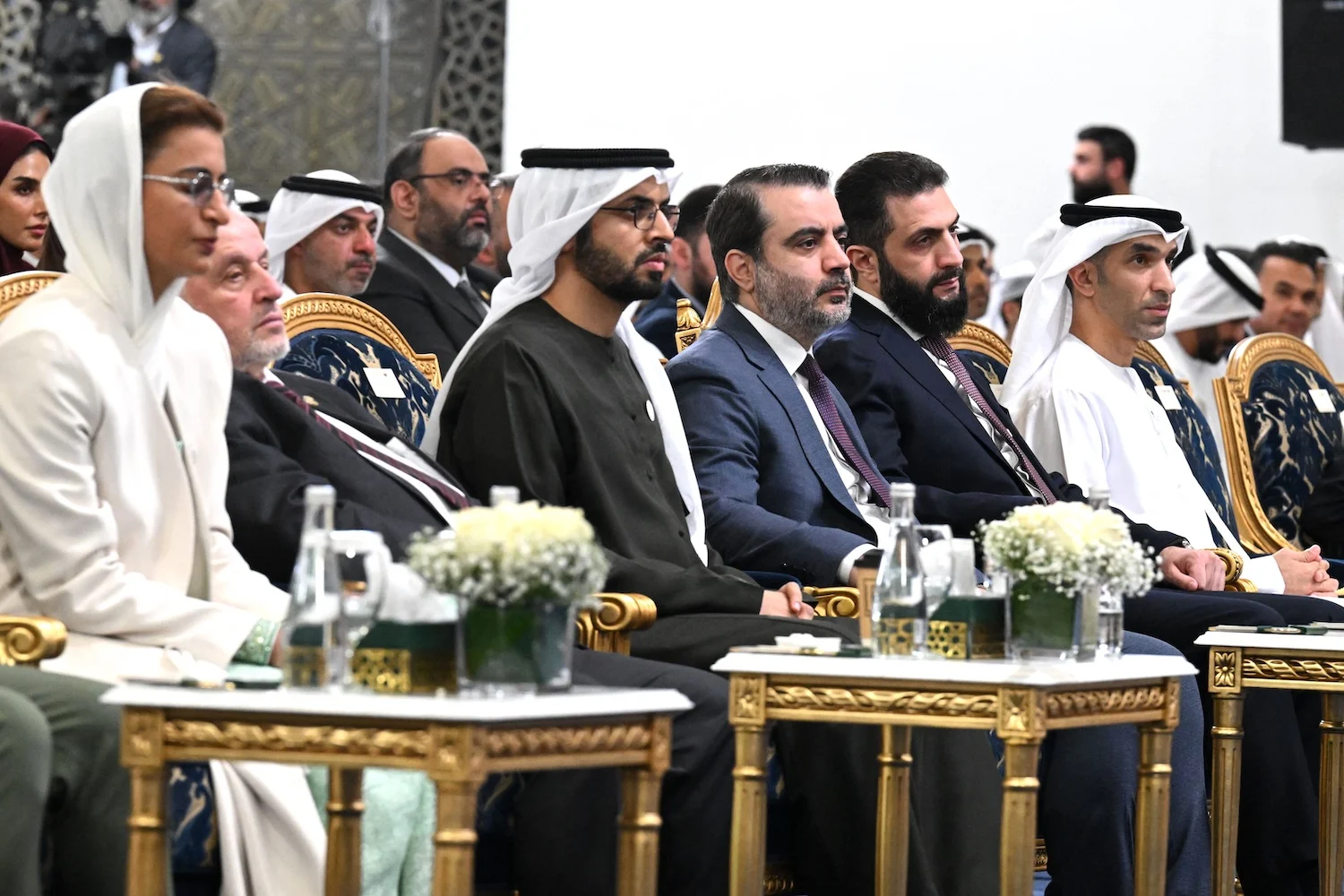
The United Arab Emirates is steadily expanding its investment footprint in Syria as it positions itself for a larger role in shaping the country’s economic future and regional orientation. Beyond reconstruction, the UAE increasingly views post-Assad Syria as a strategic arena through which it can expand its influence, strengthen trade networks beyond the Strait of Hormuz, and secure a greater role in the emerging regional order with the decline of Iranian influence. In this context, Emirati engagement in Syria is also becoming part of a broader geopolitical competition with regional powers such as Saudi Arabia and Turkey over the future political and economic direction of Damascus, Syria’s capital.
The Emirati role in Syria has arguably been the most fluid and adaptive among the six Gulf Cooperation Council states since 2011. While some Gulf states, most notably Qatar and Kuwait, remained firmly committed to isolating Damascus under former Syrian President Bashar al-Assad, others, including Bahrain and Saudi Arabia, gradually shifted toward cautious engagement after 2020 in an effort to manage security risks. Oman, meanwhile, largely maintained its traditional policy of neutrality and engagement with the de facto authorities in Damascus regardless of political orientation.