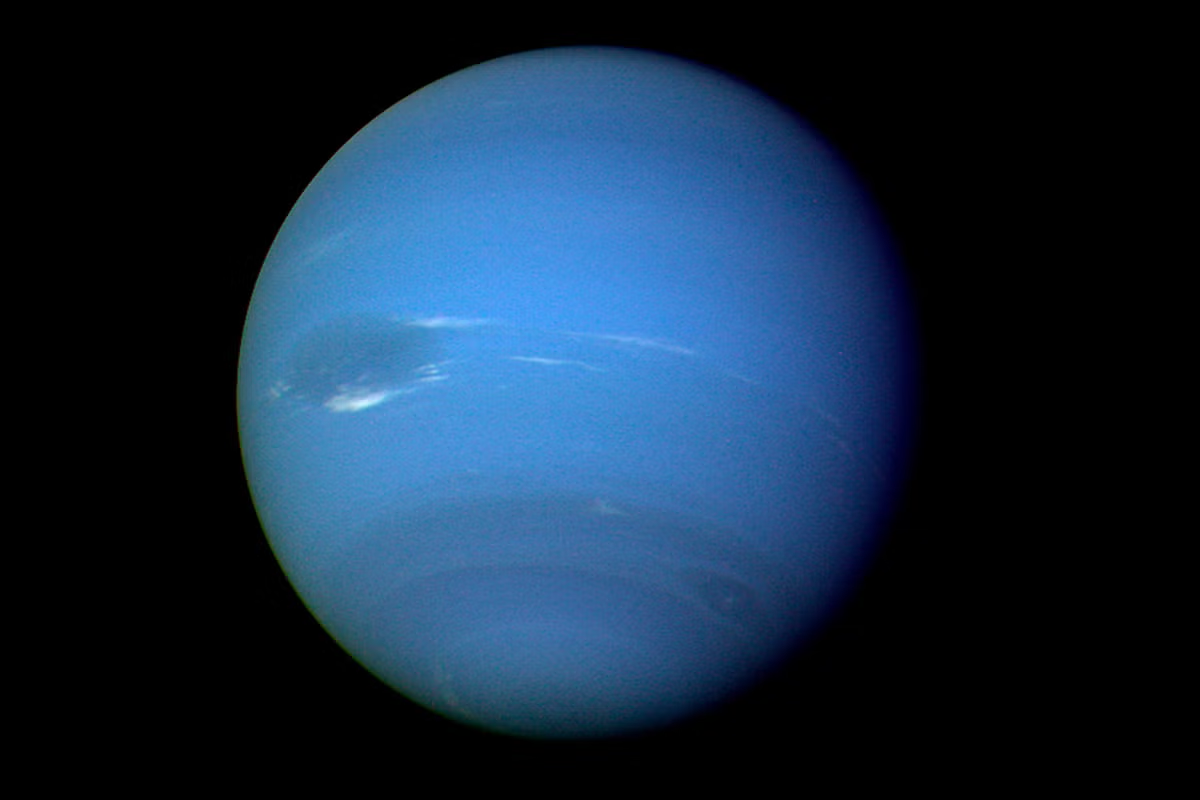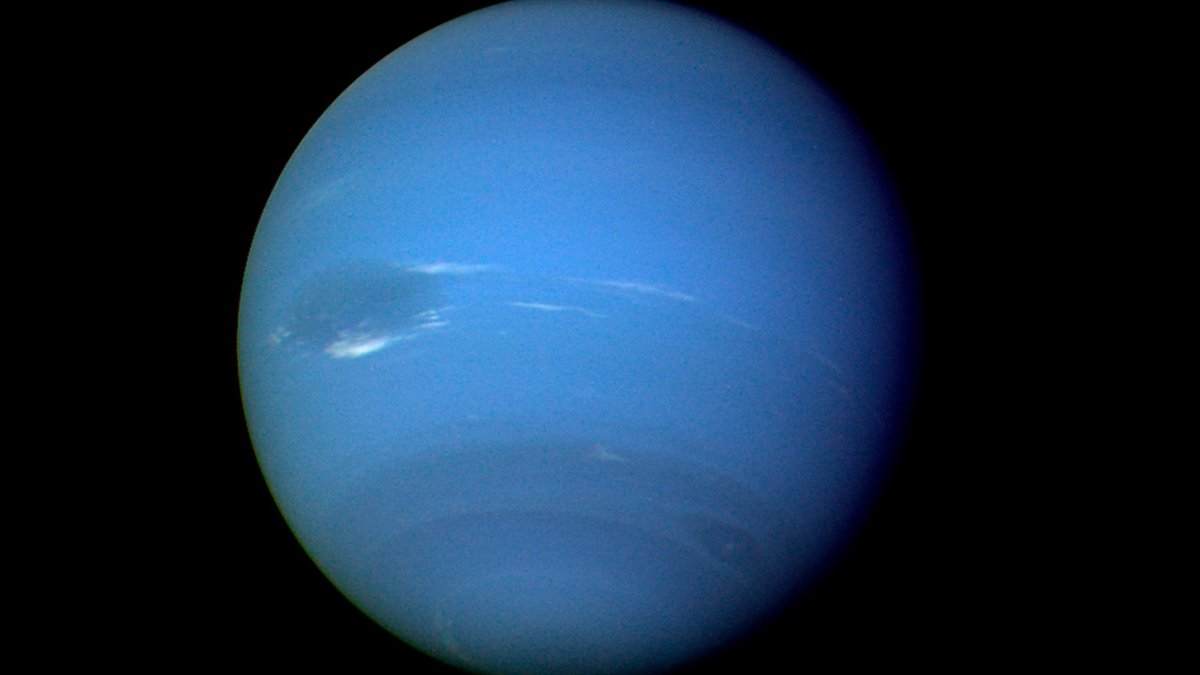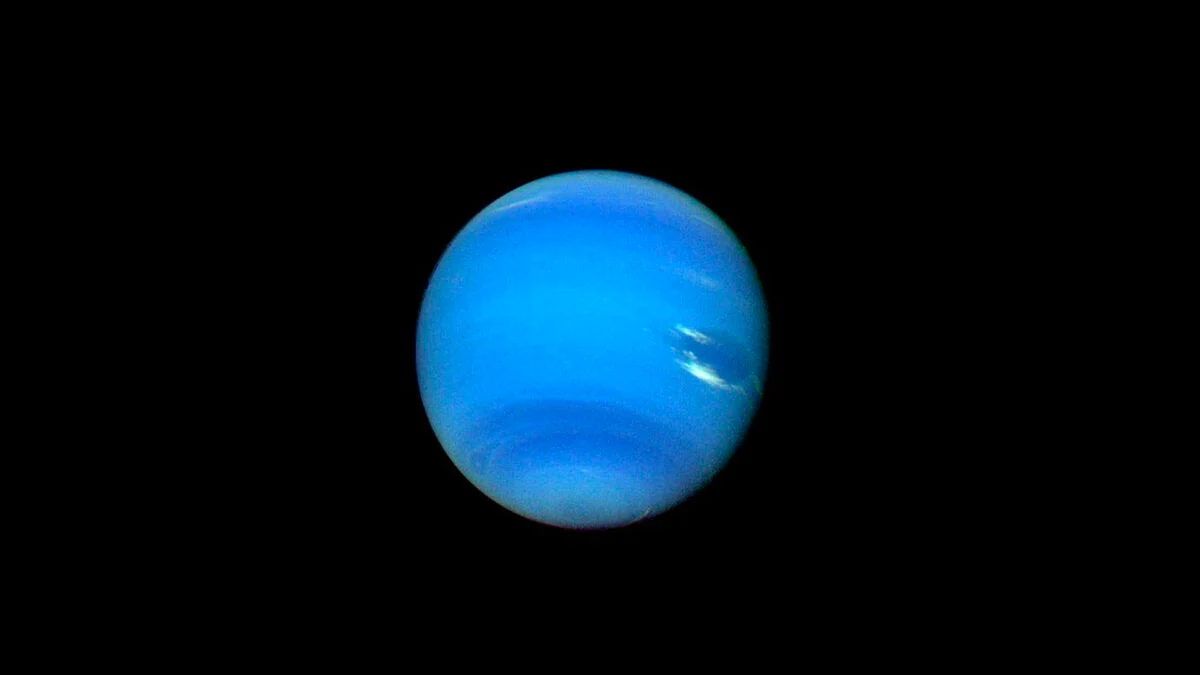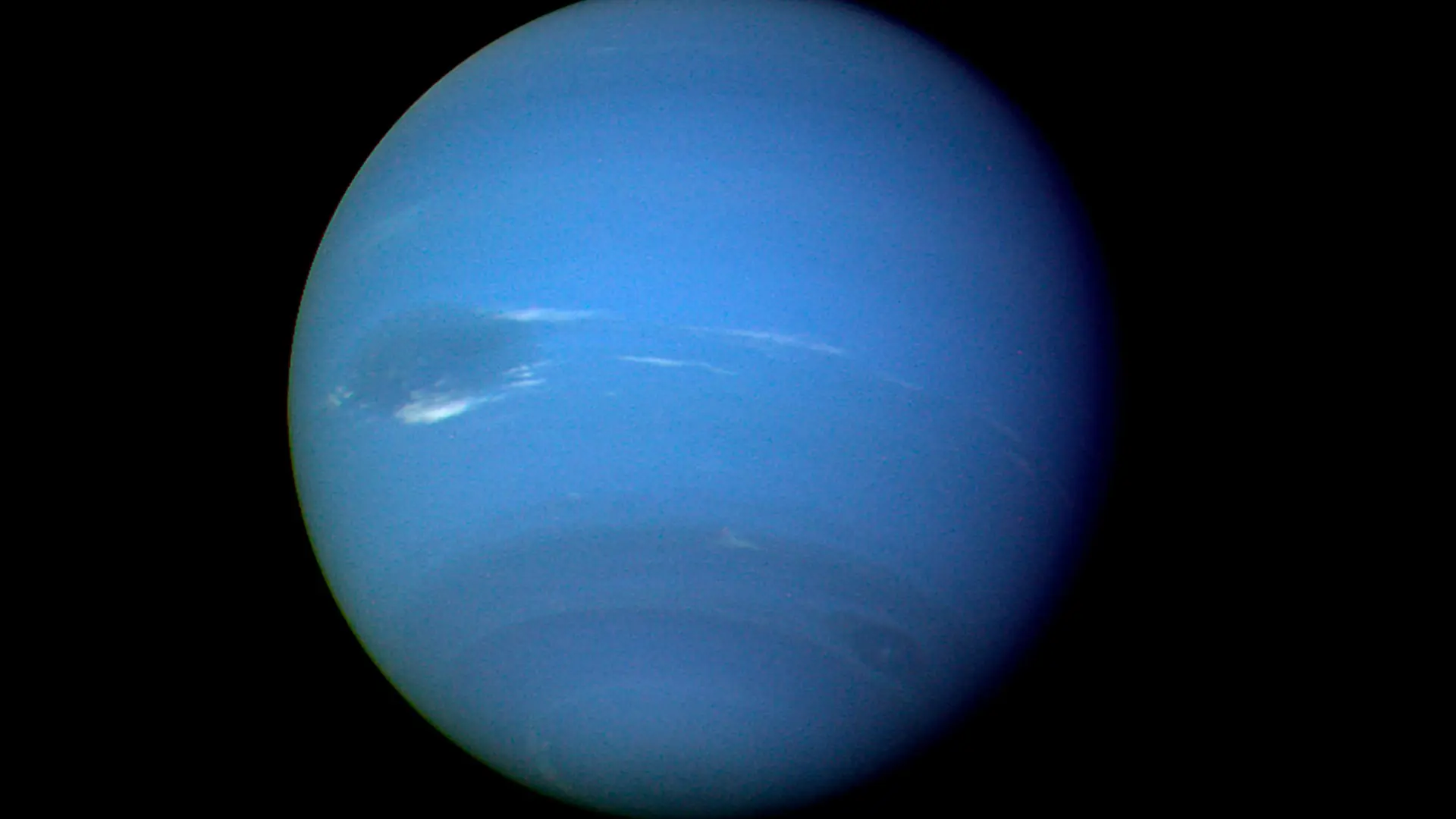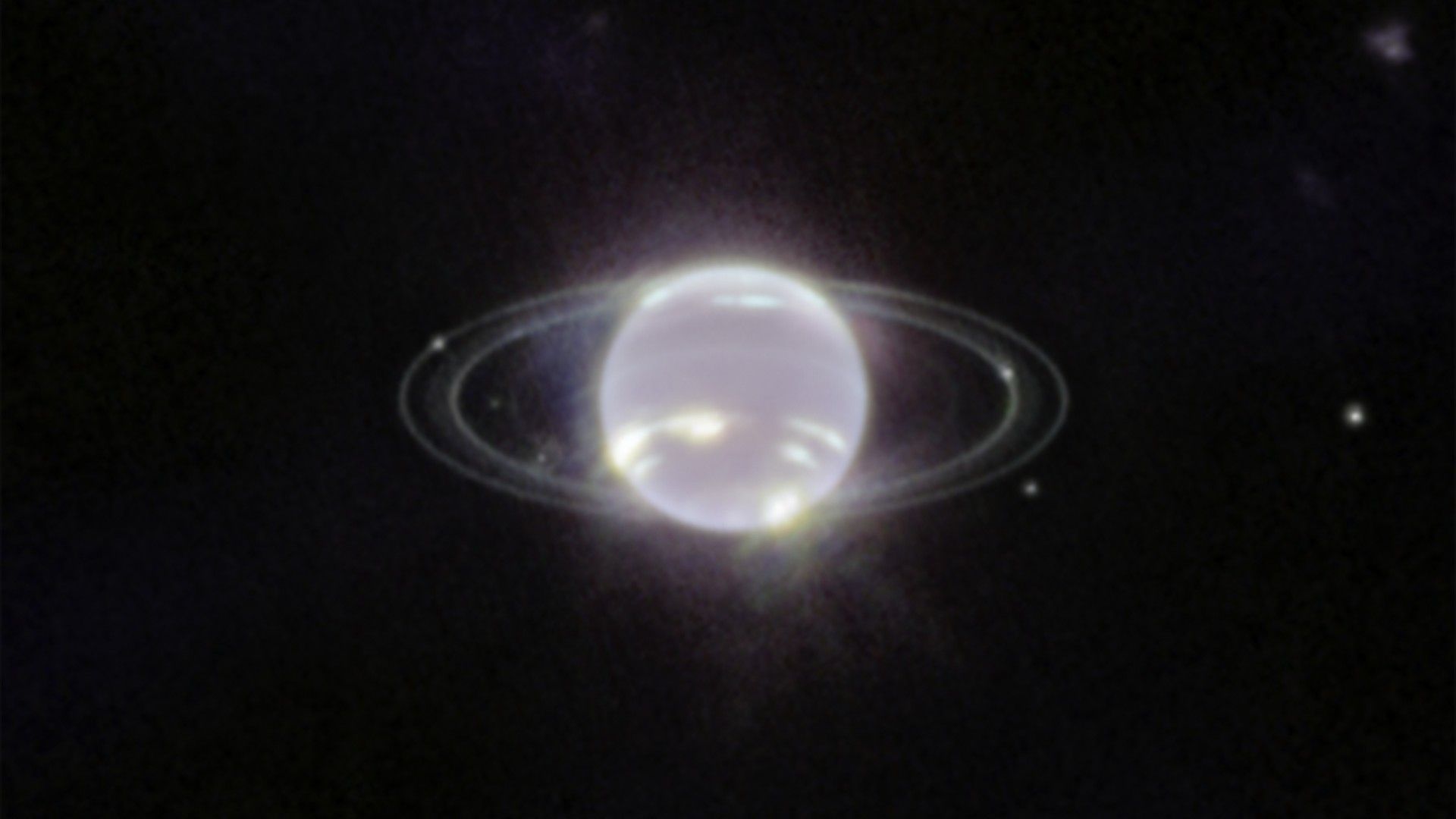
The James Webb Telescope's image of Neptune and many of its moons.
(Image credit: NASA/ESA/CSASTScI)
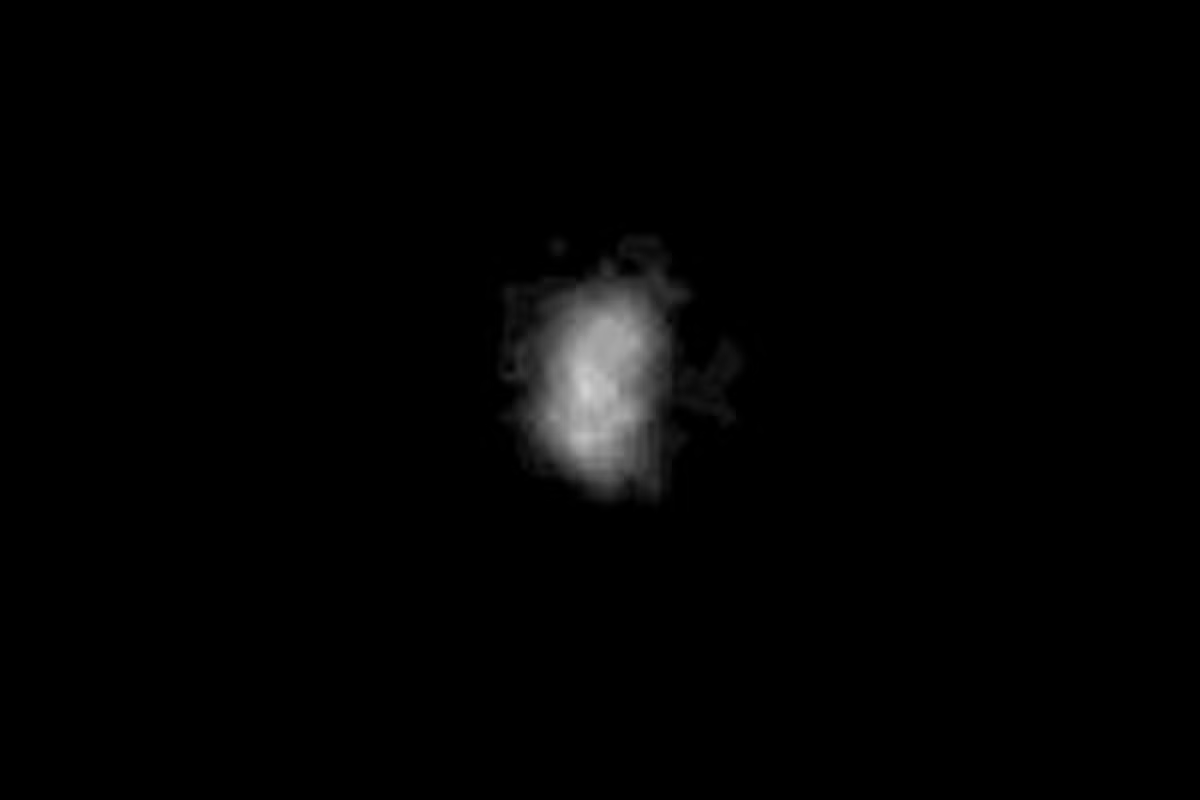
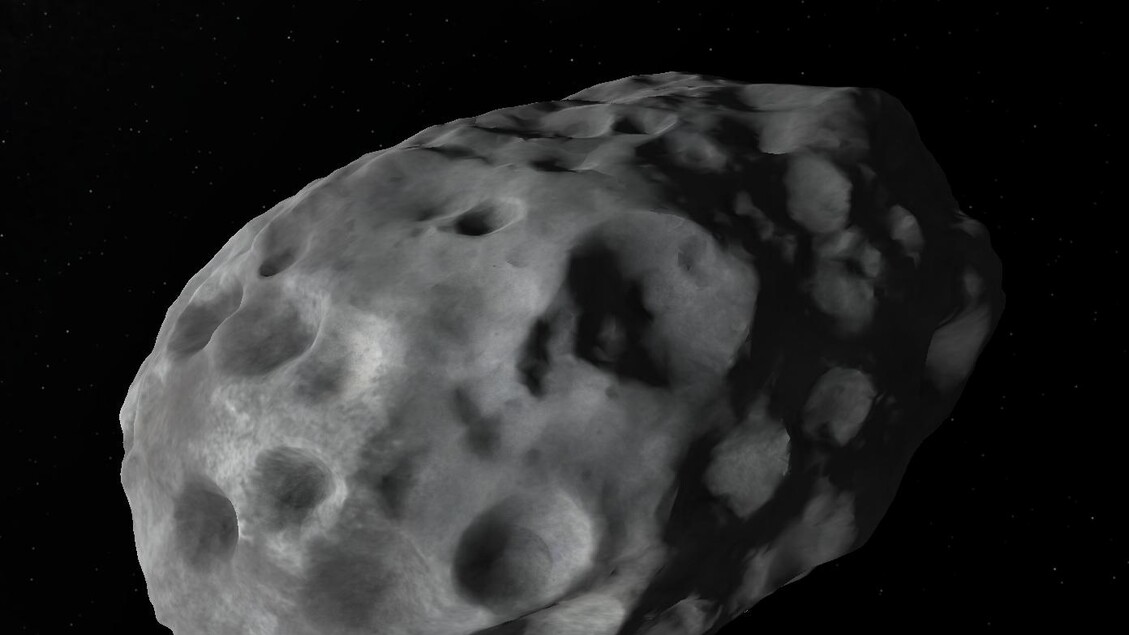
Neptune's moon Nereid might be the only satellite surviving from the planet's original system, researchers report in a new study.This goes against the previous theory, which has long suggested that Nereid is actually an object captured from the Kuiper Belt, the ring of icy bodies beyond Neptune's orbit. In the early history of the outer solar system, it was chaos. Neptune's gravity is thought to have captured its largest moon, Triton, from the vast disk of the Kuiper Belt, which is home to countless small bodies, including a number of dwarf planets. This capture wreaked havoc on the Neptune system and, until now, it's been thought that the planet's other two large moons, Nereid and Phoebe, were also objects captured from the Kuiper Belt. But a new paper begs to differ.Uncovering a mysteryThe Nereid-came-from-the-Kuiper-Belt theory prevailed for so many years because the moon has an irregular and eccentric orbit but is still an intact object, which is rare in moons that are original to the systems in which they orbit.Original moons like this are so rare because, if an object like Triton is pulled into the system by gravity, the other objects orbiting that planet are typically destroyed or scattered by the event. So it was thought that Nereid couldn't be original, as it couldn't have survived such an encounter.