Flak jackets and final goodbyes: Lebanon’s first responders under fire
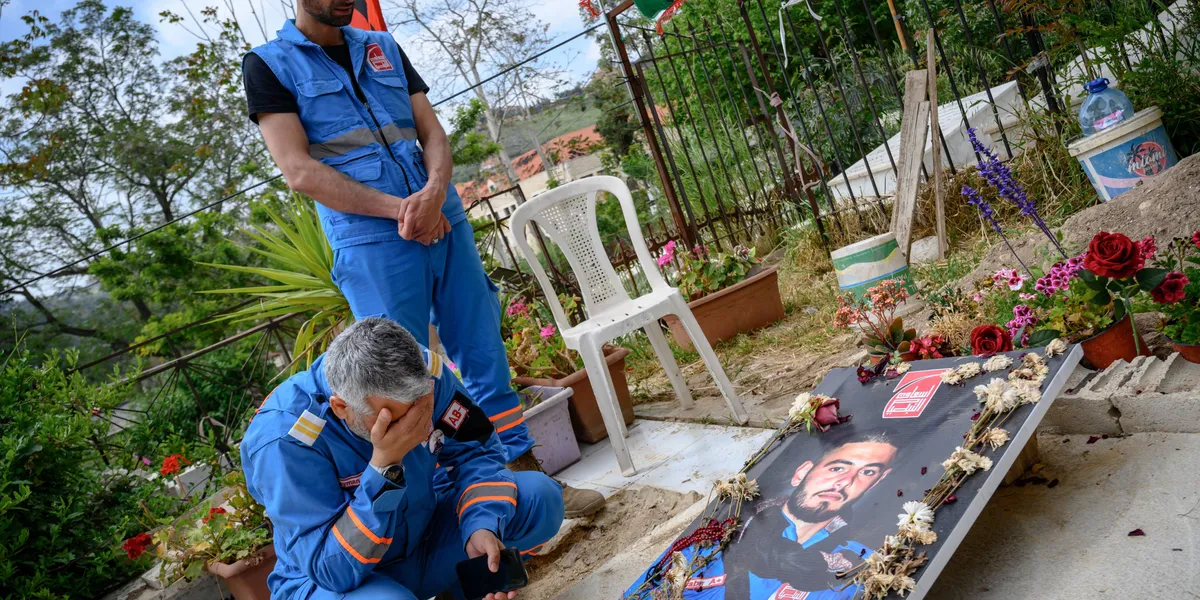
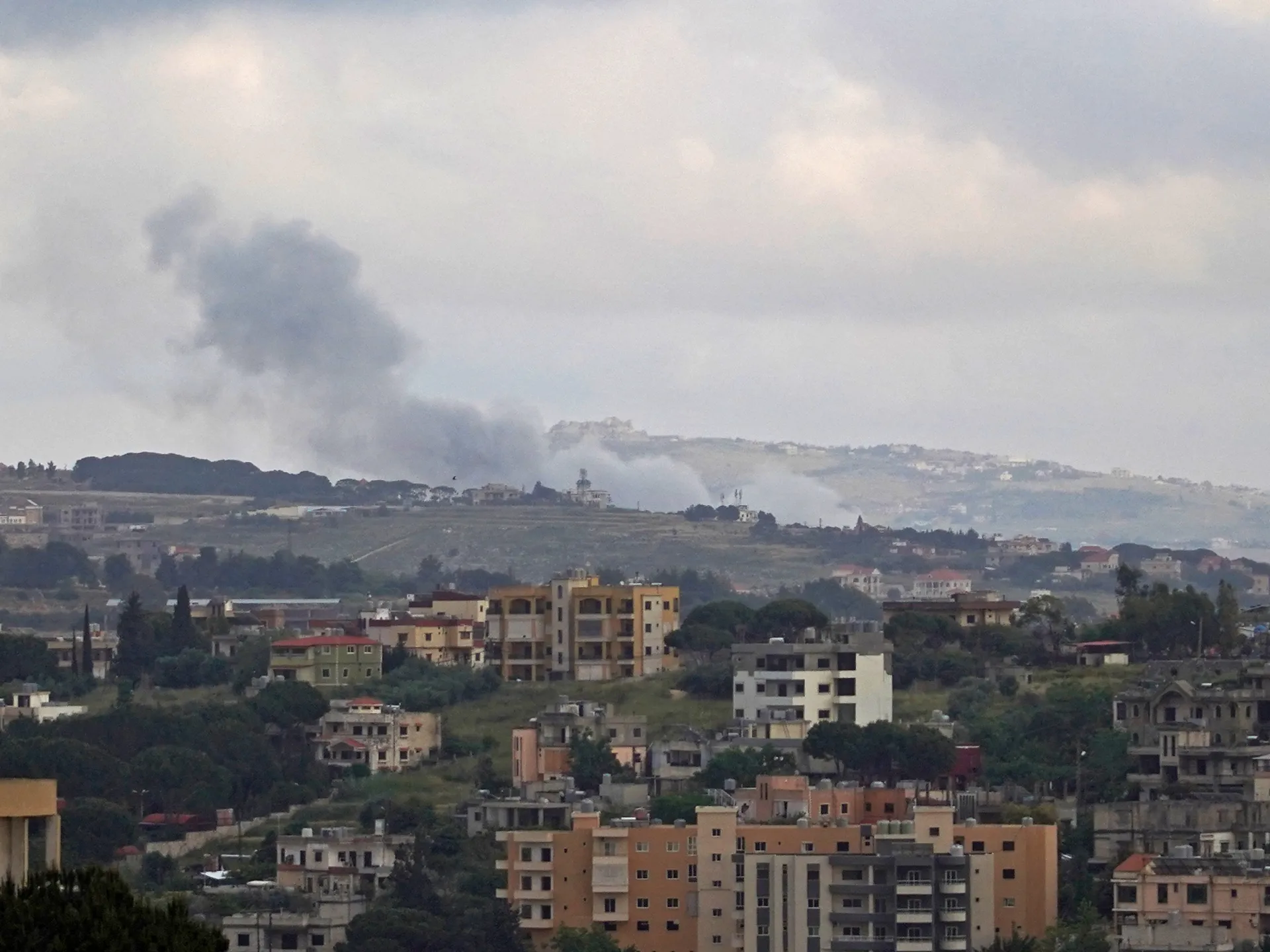
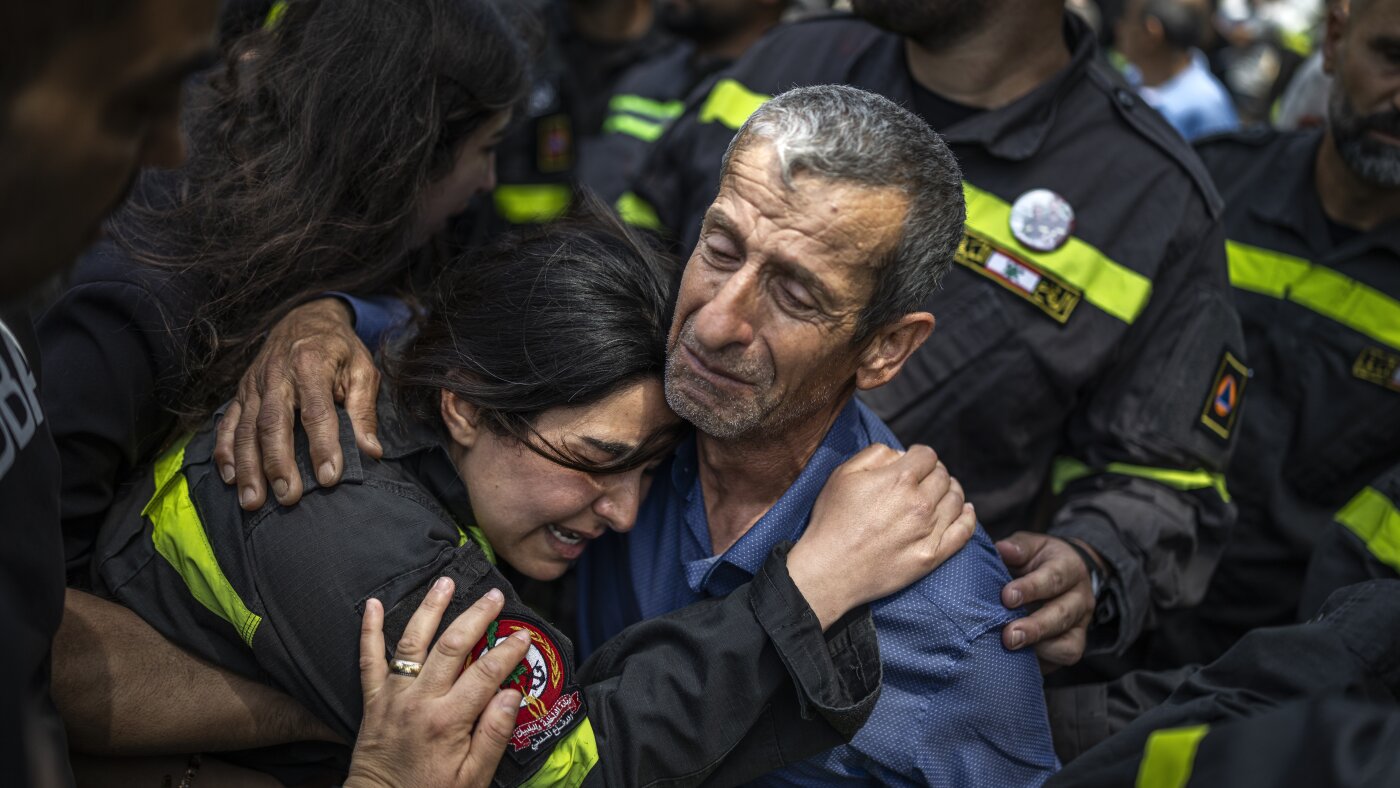
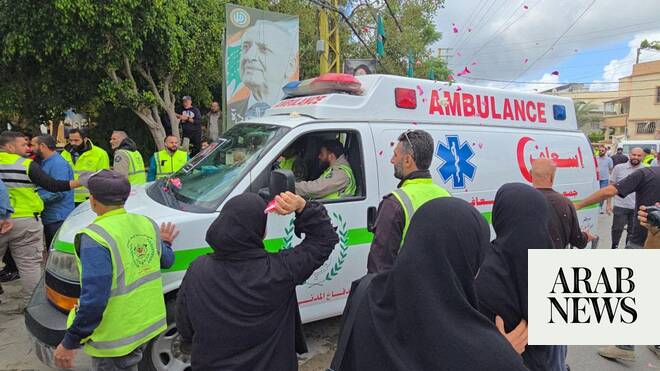
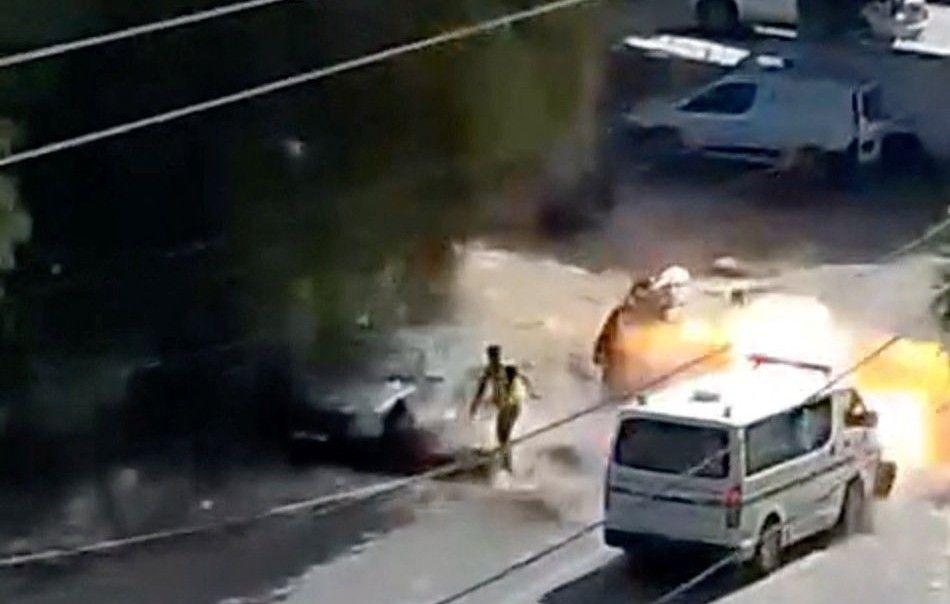
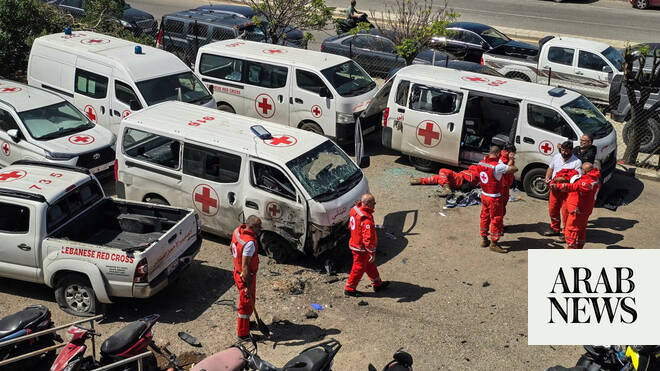
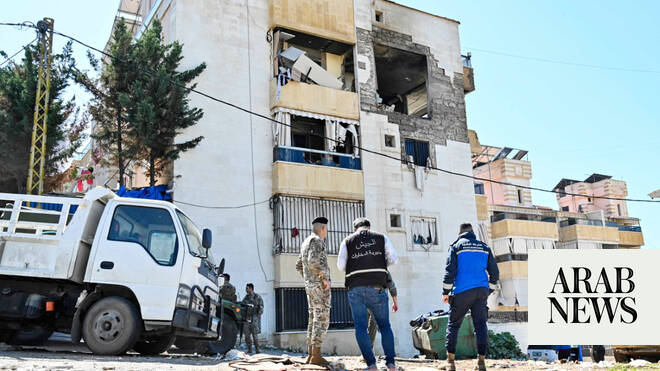
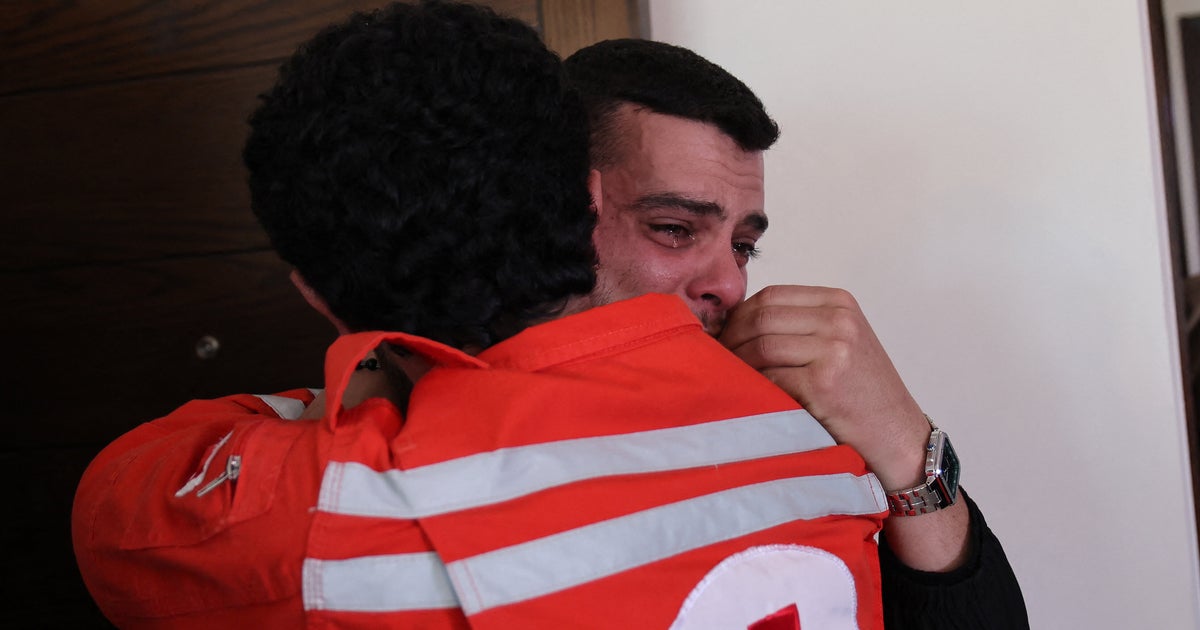
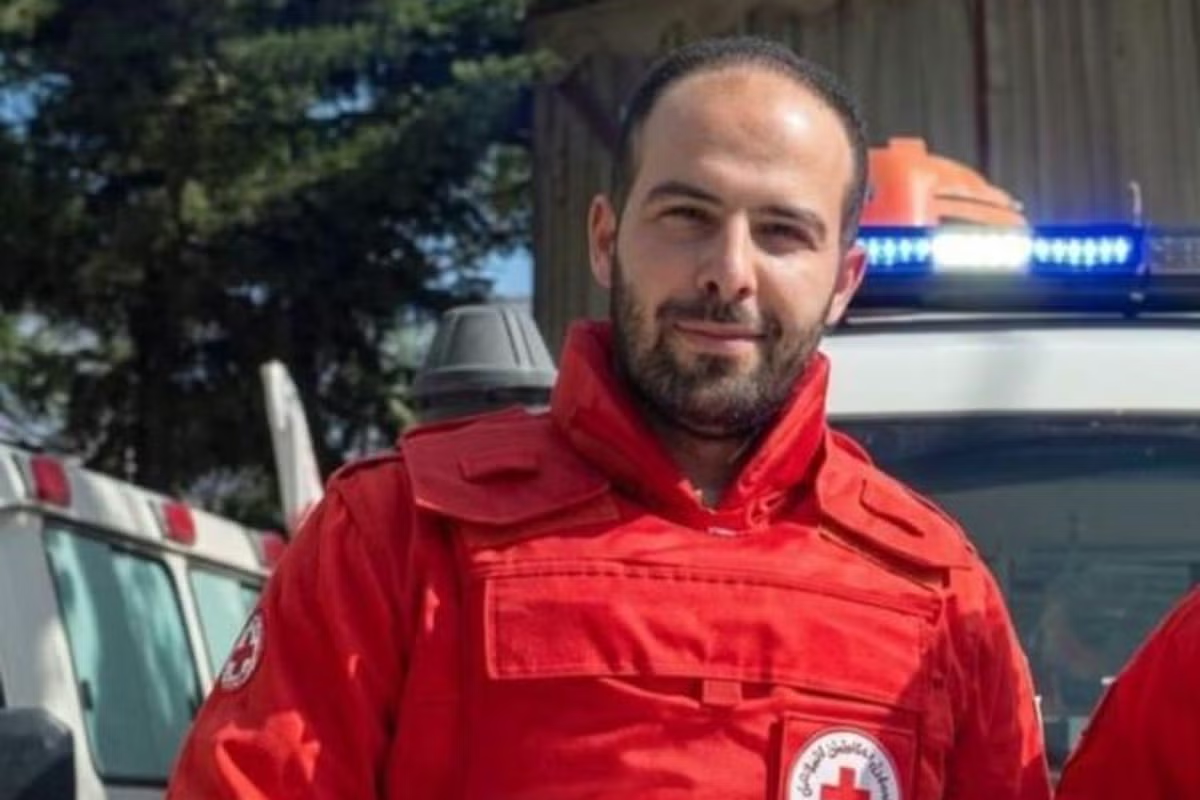
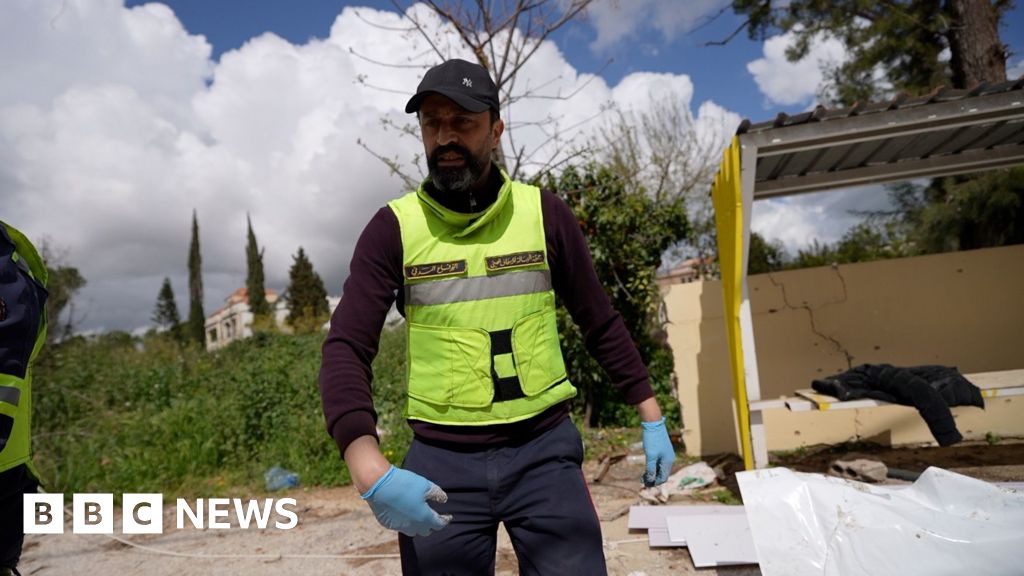
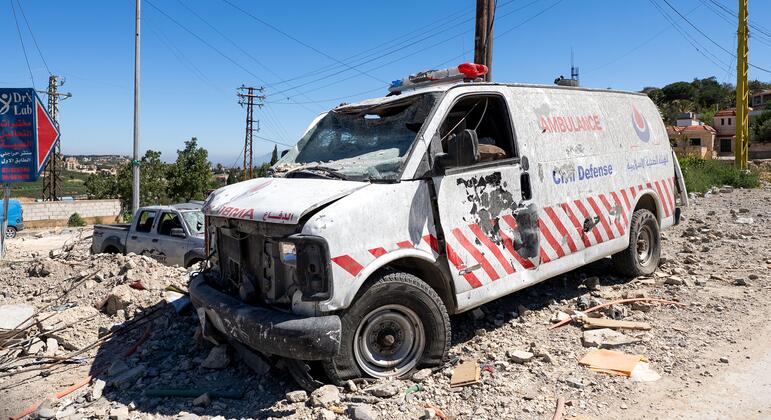
Recent attacks killed two Lebanese Red Cross volunteers: Youssef Assaf, who died during a rescue operation on 9 March, and Hassan Badawi, killed in a drone strike on 12 April.According to the UN World Health Organization (WHO), there have been 169 confirmed attacks on healthcare workers and facilities in Lebanon, resulting in 116 deaths.Lebanese authorities say more than 3,000 people have been killed since hostilities escalated in March, with violence continuing despite the ceasefire. Hezbollah fighters based in Lebanon began shelling Israeli communities shortly after the Israeli-US bombing of Iran began; exchanges of fire continue today, with media reports indicating that 21 Israeli soldiers have been killed since 2 March.UN News spoke with Thameen Al-Kheetan, spokesperson for the UN human rights office, OHCHR; Tommaso Della Longa, spokesperson for the International Federation of Red Cross and Red Crescent Societies (IFRC); and Ali Saad from the Lebanese Red Cross. All of them agree on one thing: that first responders should never be targets.Aid workers caught in the crossfireFrom a human rights perspective, deliberately targeting medical personnel constitutes a war crime. According to OHCHR’s Mr. Al-Kheetan, the international community must do more to ensure the protection of healthcare workers in all conflicts.The office “has documented cases where Israeli forces launched attacks involving direct strikes on civilians, including medical personnel,” he maintained, stressing that such attacks are not unprecedented, pointing to similar patterns previously documented in Gaza and in other conflicts around the world.