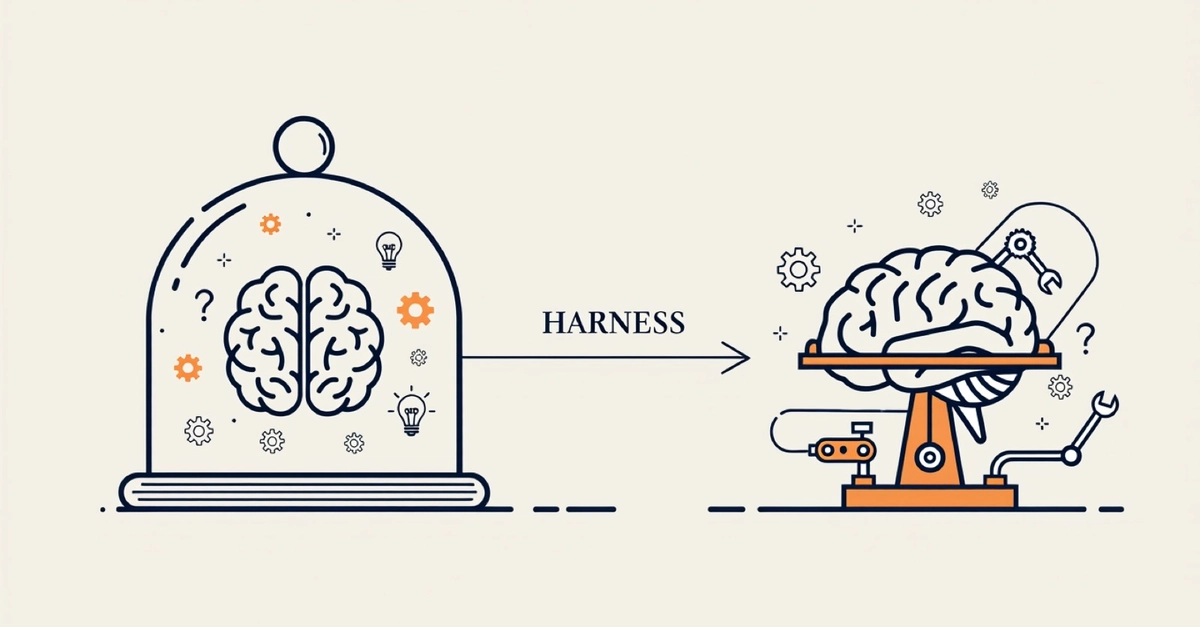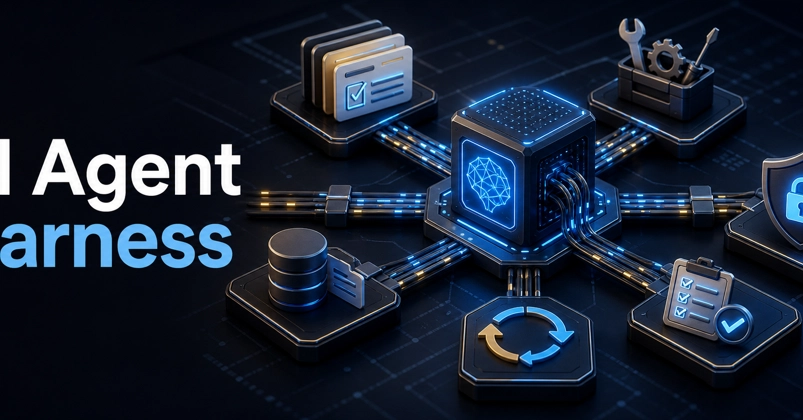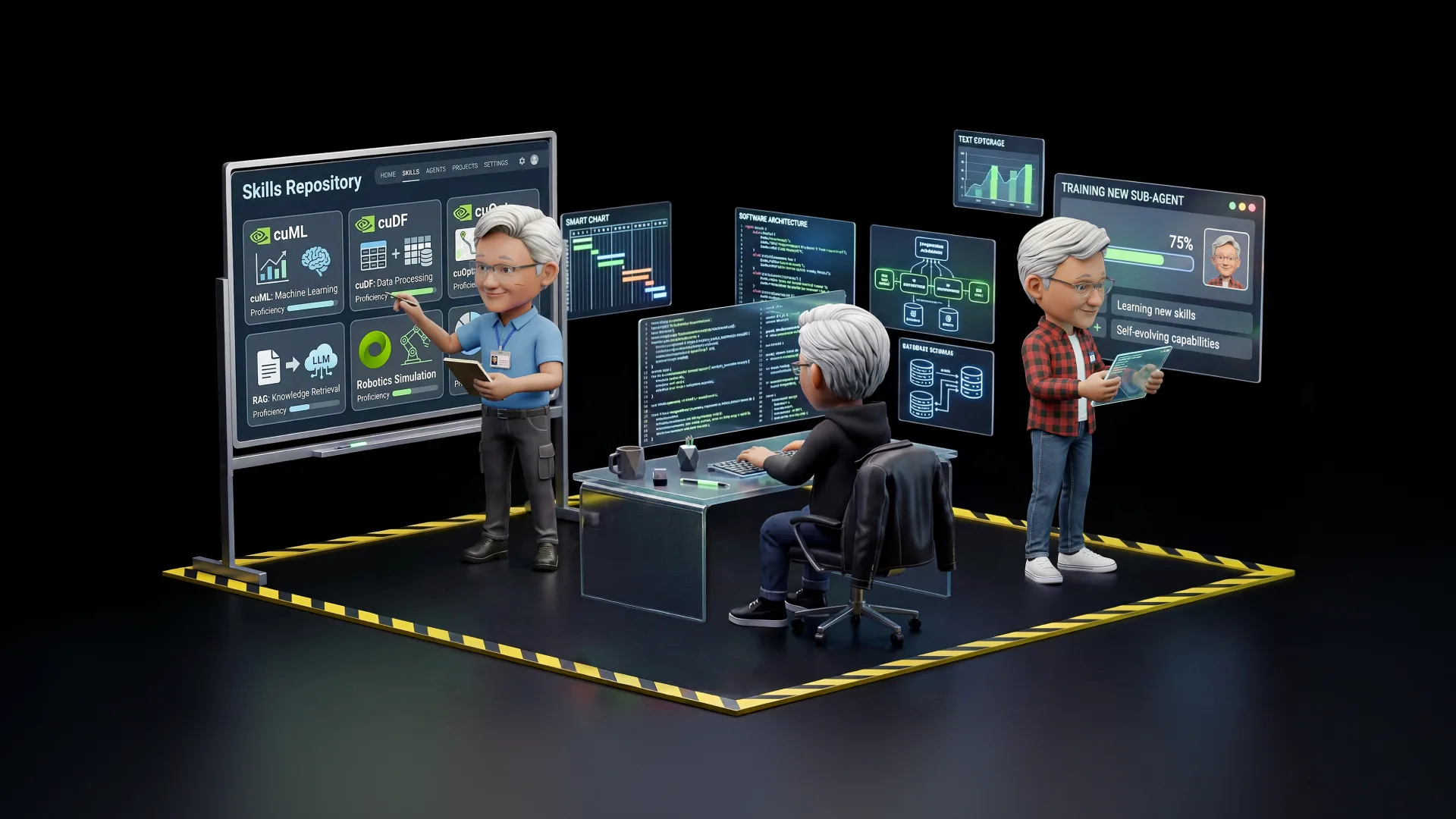
Agent harnesses like Claude Code, Codex, and LangChain Deep Agents are excellent orchestrators. They manage sessions, chain tools, execute code, and respond to developer intent. But when these harnesses need to do deep research, such as multi-document synthesis, decision briefs backed by enterprise data, and long-horizon analysis with source attribution, the complexity of deep research shifts back onto the developer.
Teams building these agents must ground them in enterprise data, connecting data sources, routing queries, managing authentication, tuning prompts, evaluating outputs, and preserving source attribution. NVIDIA AI-Q packages this work into an open-source deep research blueprint that can be exposed to agent harnesses as a portable agent skill.
With this skill, an agent harness delegates a research task to a local or hosted AI-Q server and receives a structured report in return. The harness doesn’t need to own the research pipeline. Sensitive source data can remain inside the enterprise environment, which is critical in regulated industries such as healthcare, financial services, government, and defense.
What is the AI-Q skill?
The AI-Q skill enables Claude Code, Codex, or other general-purpose agents to submit a research task to a running AI-Q server and receive a well-formatted, detailed report with citations. The skill includes a SKILL.md file that tells the harness how to use AI-Q, plus a helper script that manages request routing, job submission, polling, and result retrieval.