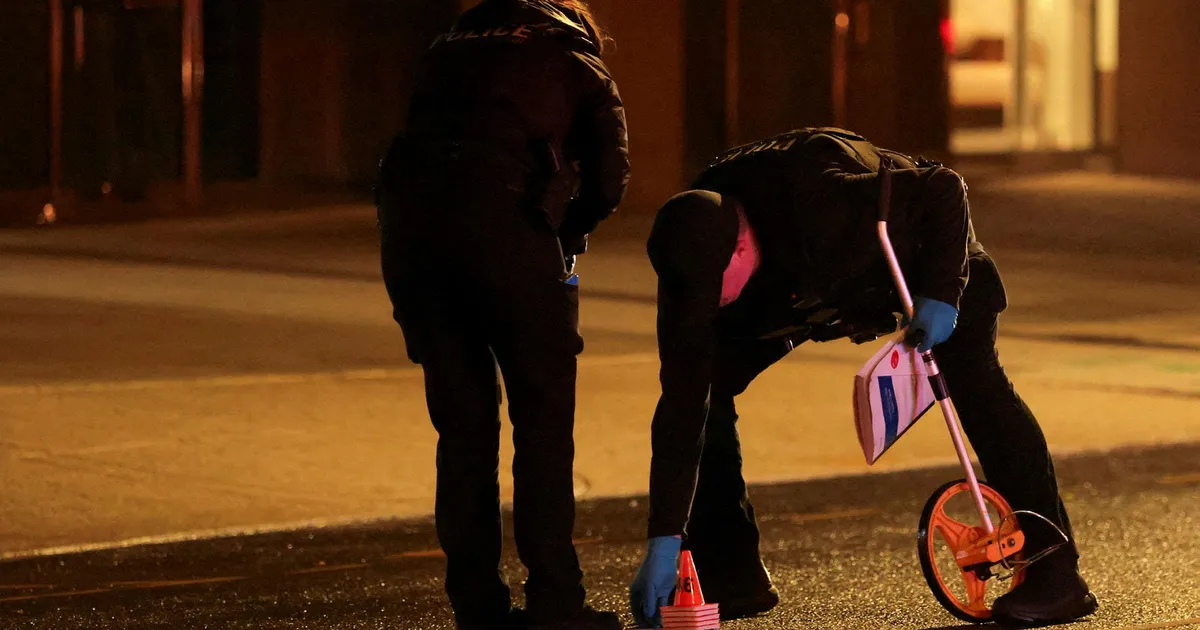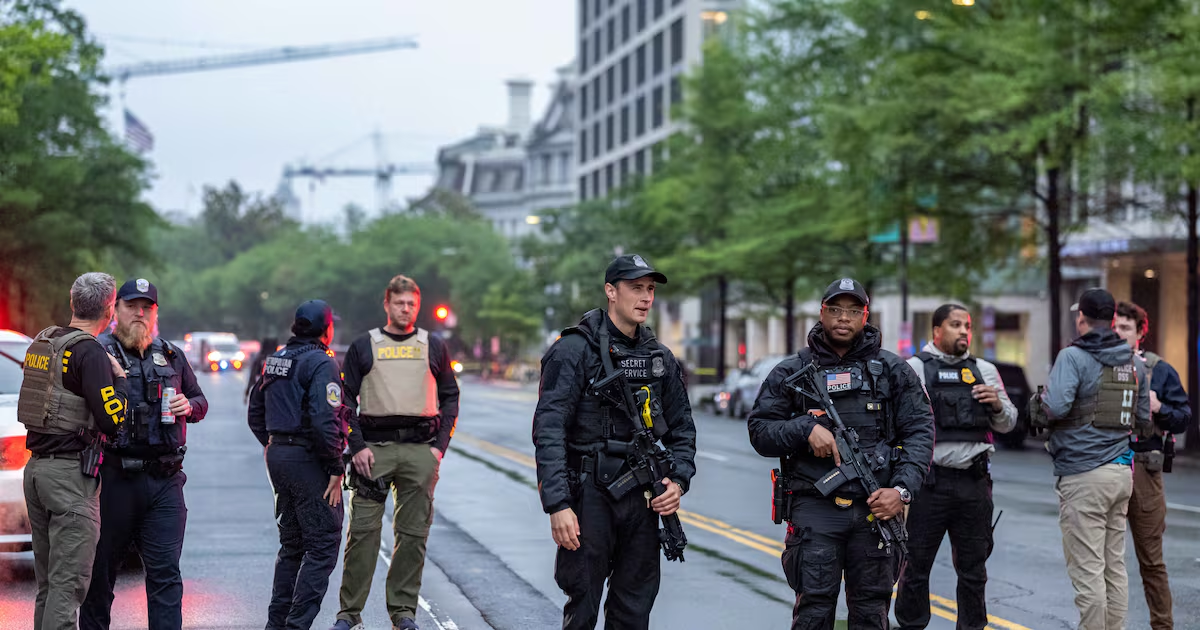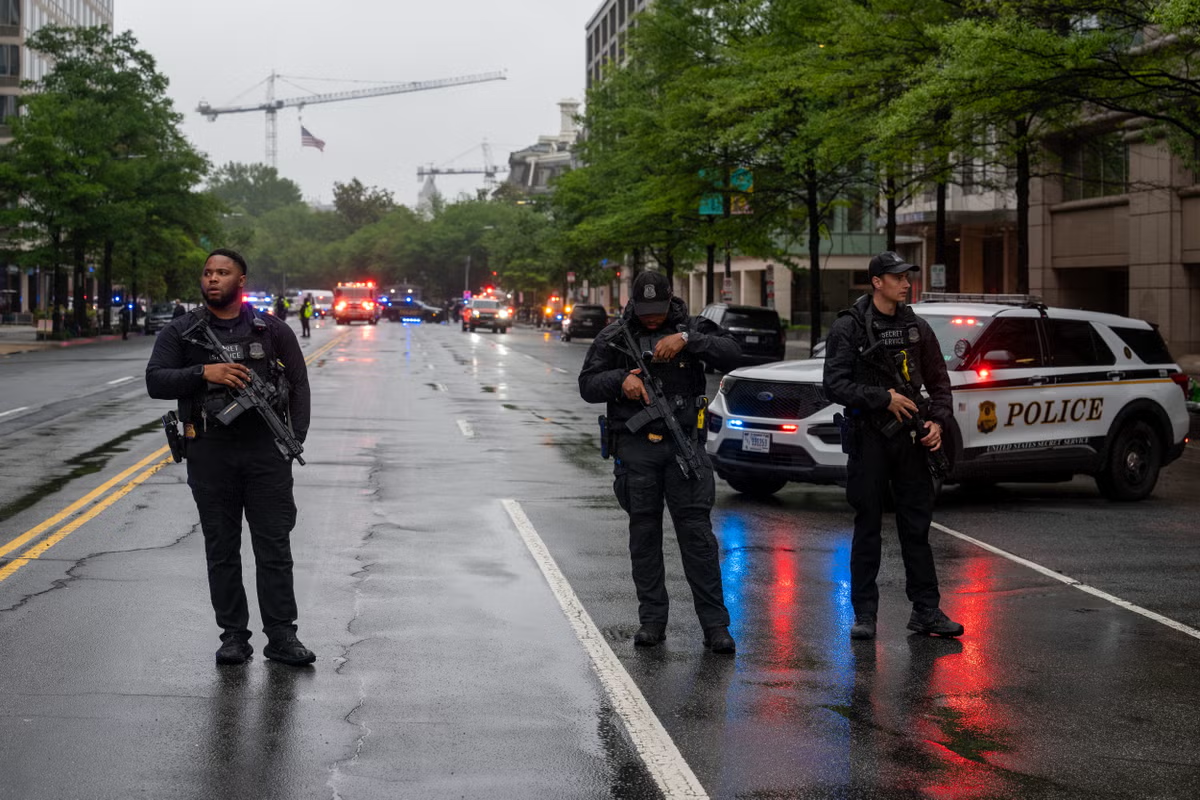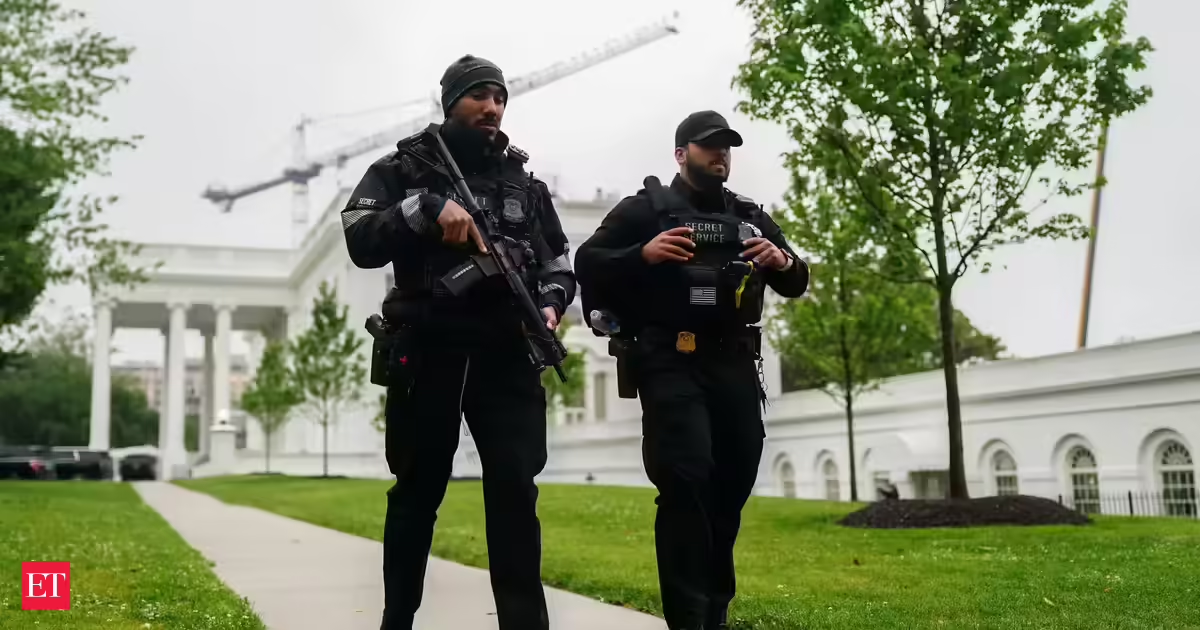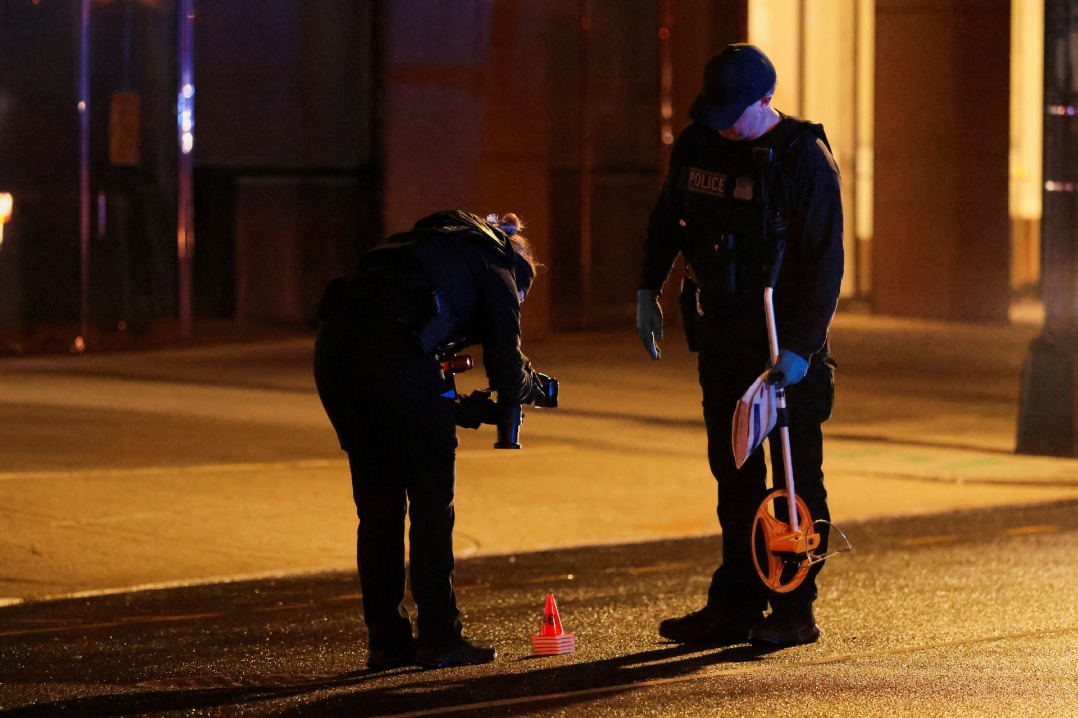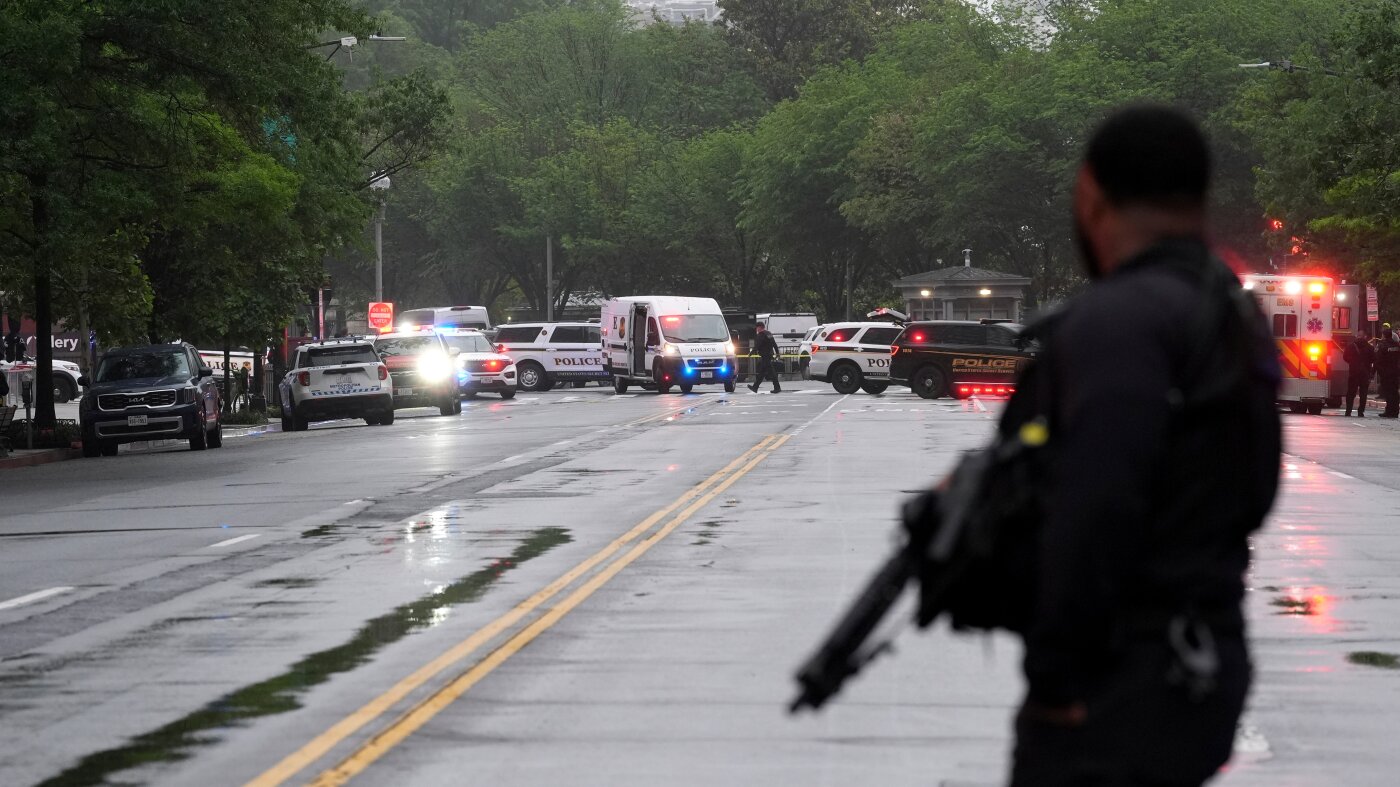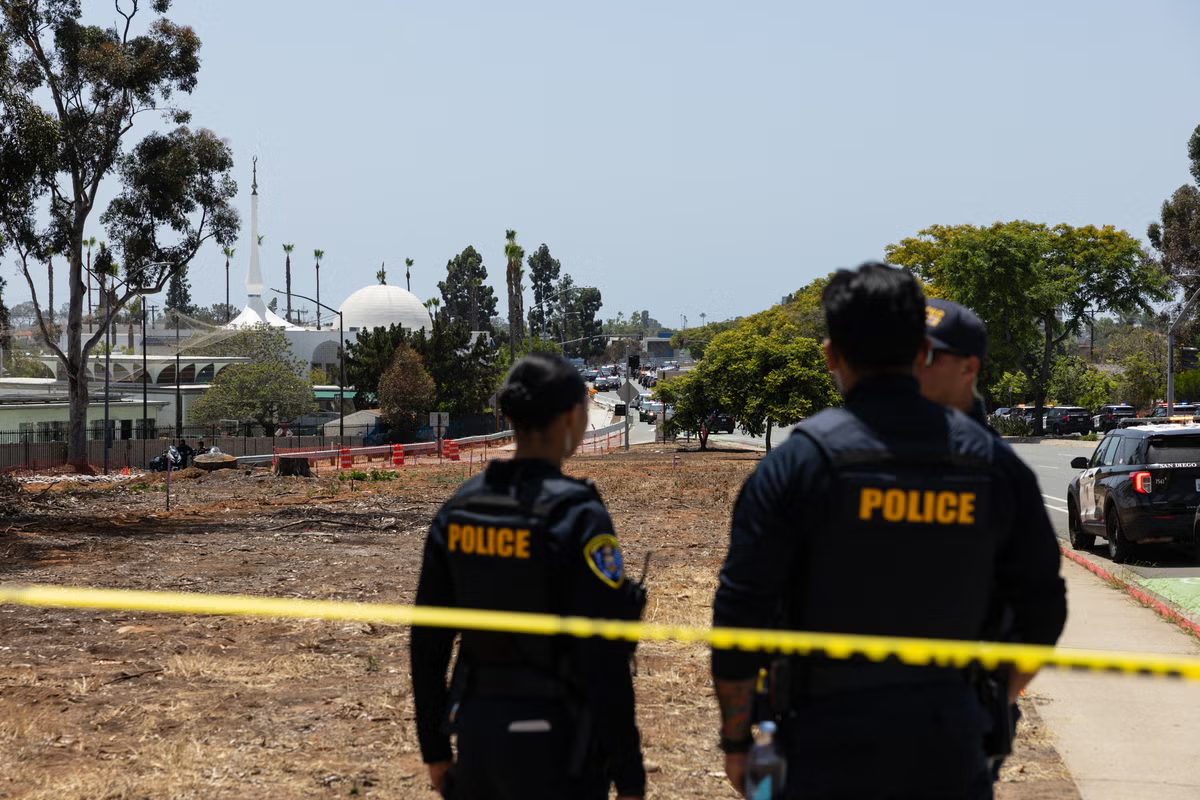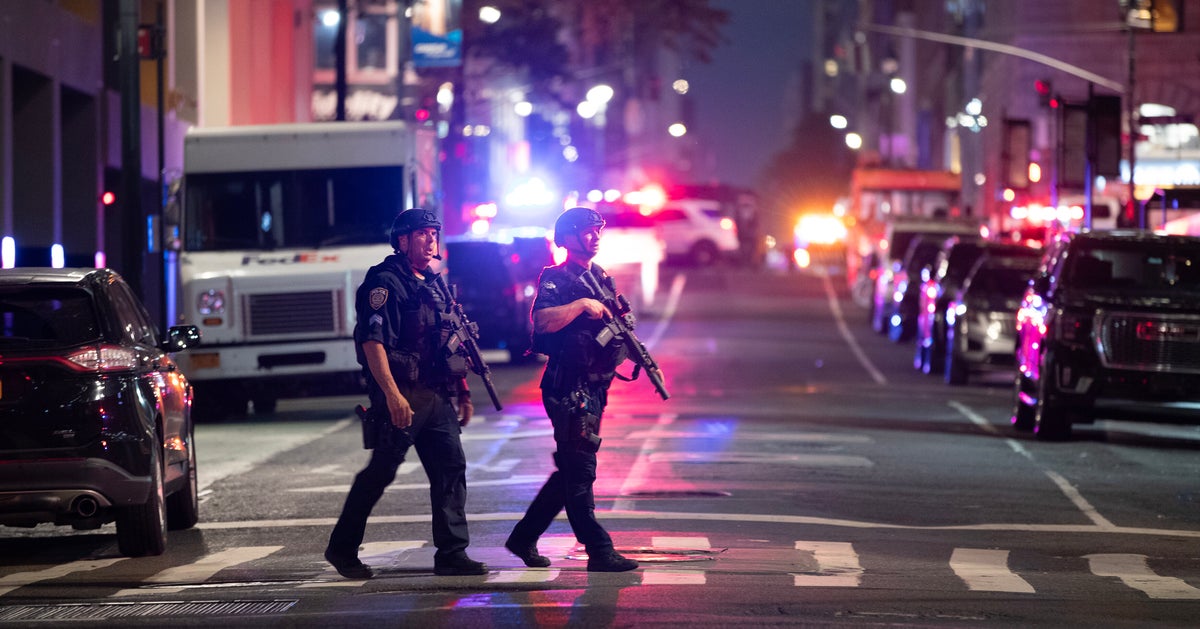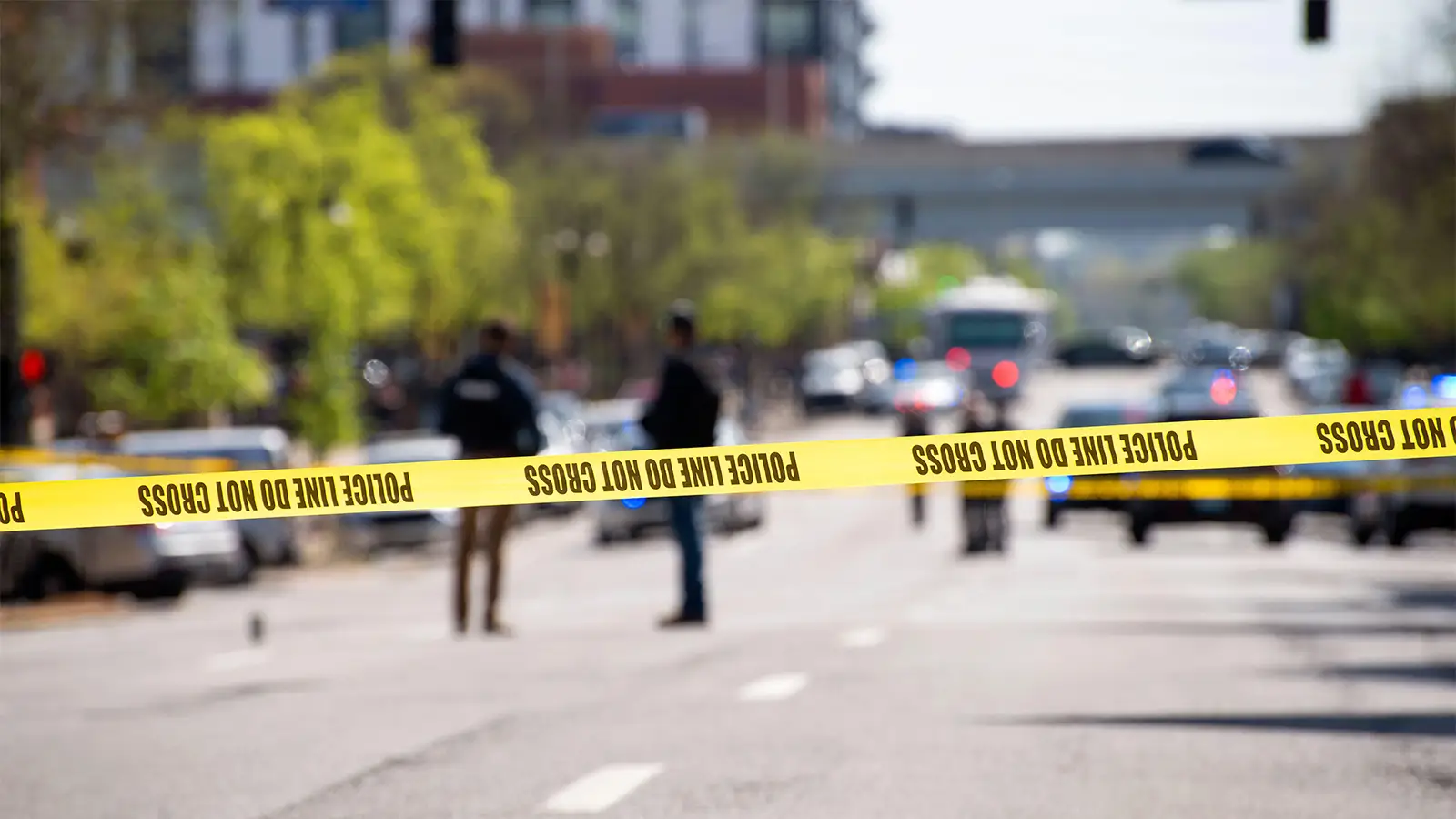
If you're anything like me, you've been inundated recently with stories of mass shootings. On April 19, for instance, a Louisiana man entered a house in the middle of the night and shot and killed eight children execution-style. On April 25, an armed man charged a security checkpoint at the White House Correspondents' dinner: he was quickly subdued, but not before a Secret Service officer was shot in the chest. And just this week, five individuals (including the two teenage perpetrators) died during a mass shooting in San Diego's largest mosque.
As the former director of disaster preparedness for a large health system in Northern California, the possibility of a mass shooting in one of our facilities used to keep me up at night. When it comes to mass shootings, hospitals are classic "soft targets": they're emotionally charged environments, open 24/7, and filled with people, including many mobility-challenged patients. And the incidence of hospital-based shootings is only increasing.
Amidst a complex and often contentious debate about gun violence, it can be easy for healthcare workers to feel helpless in the face of this vulnerability. There is, however, a powerful tool all healthcare workers can start using to improve their ability to protect staff, patients, and visitors: threat assessment.