Determining the attacker’s motivation may take time. But toxic rhetoric, polarisation and the ubiquity of firearms are a dangerous mix
F
orty-five years ago, John Hinckley Jr attempted to assassinate Ronald Reagan as he left the Hilton hotel in Washington, injuring the US president and three others. Obsessed with the actor Jodie Foster, and seeking to gain her attention, the shooter had initially pursued Reagan’s Democratic predecessor, Jimmy Carter.
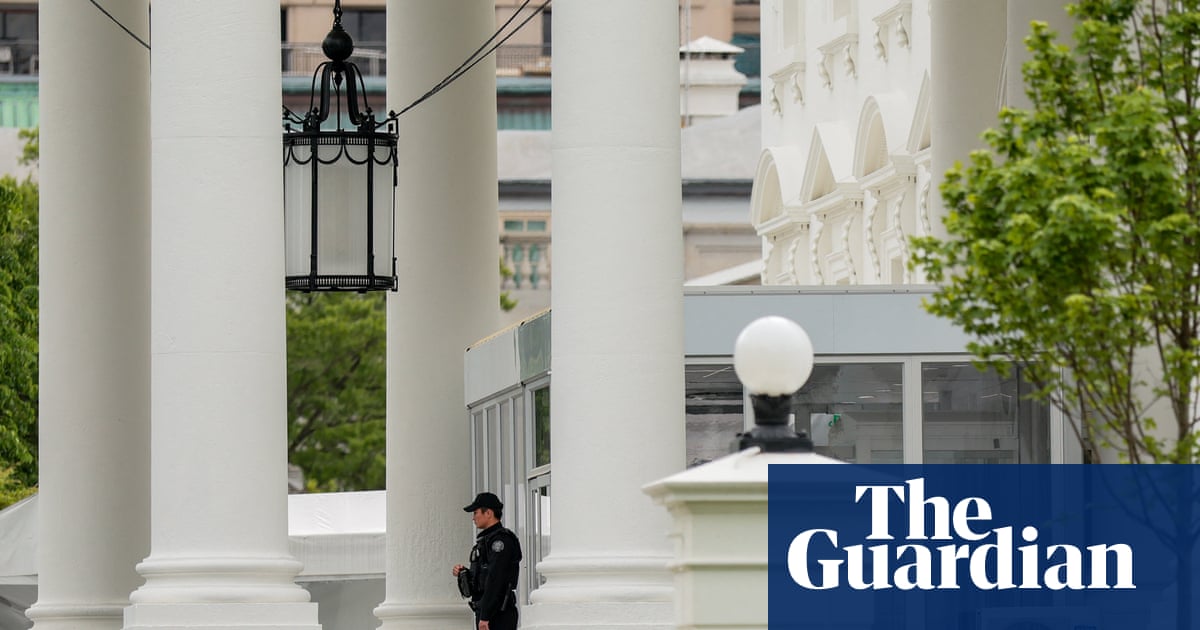
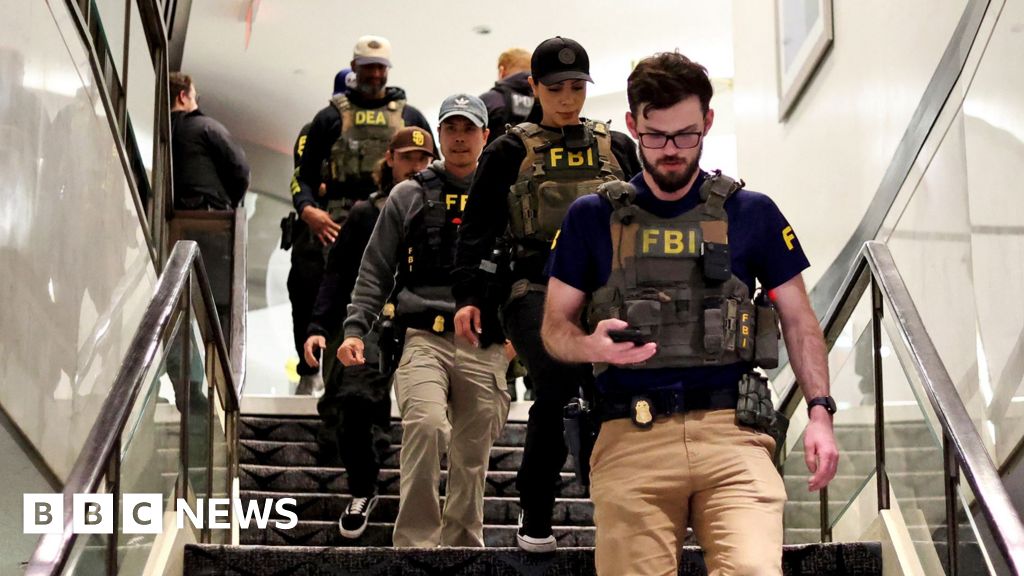
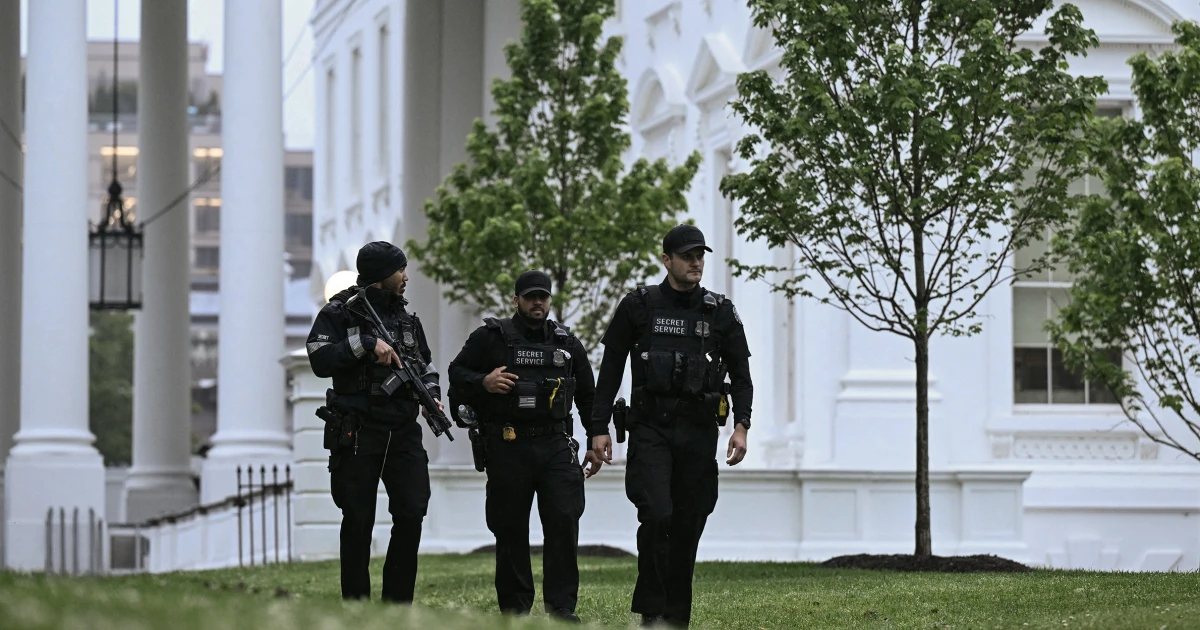
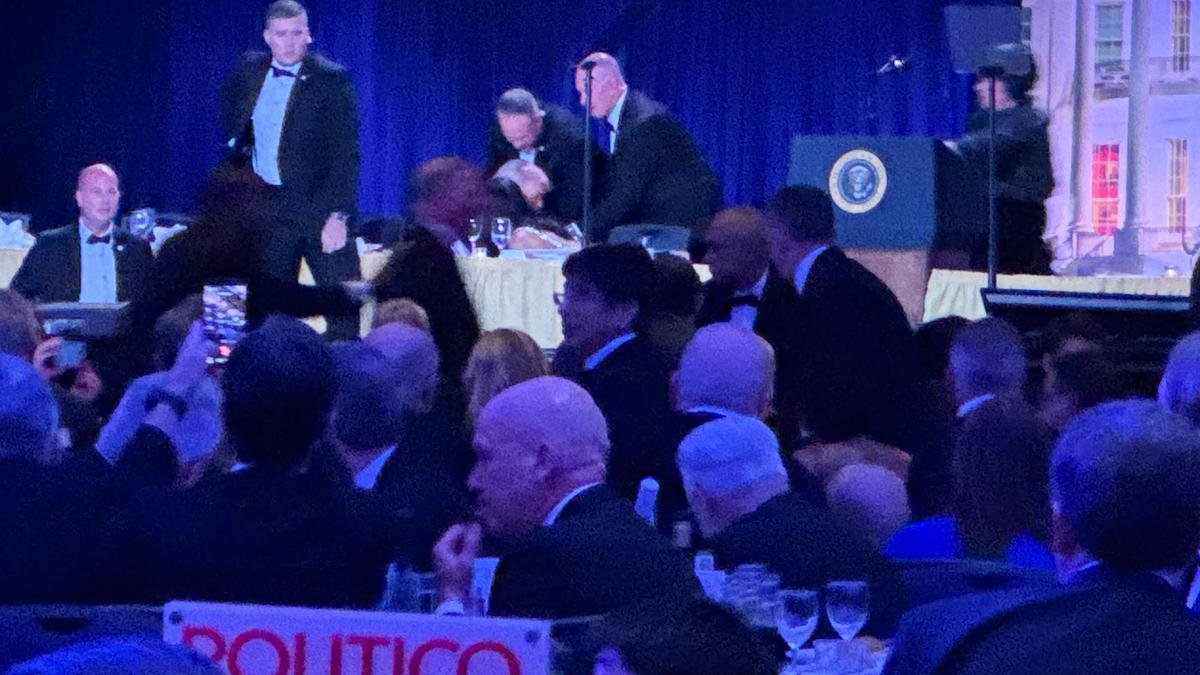
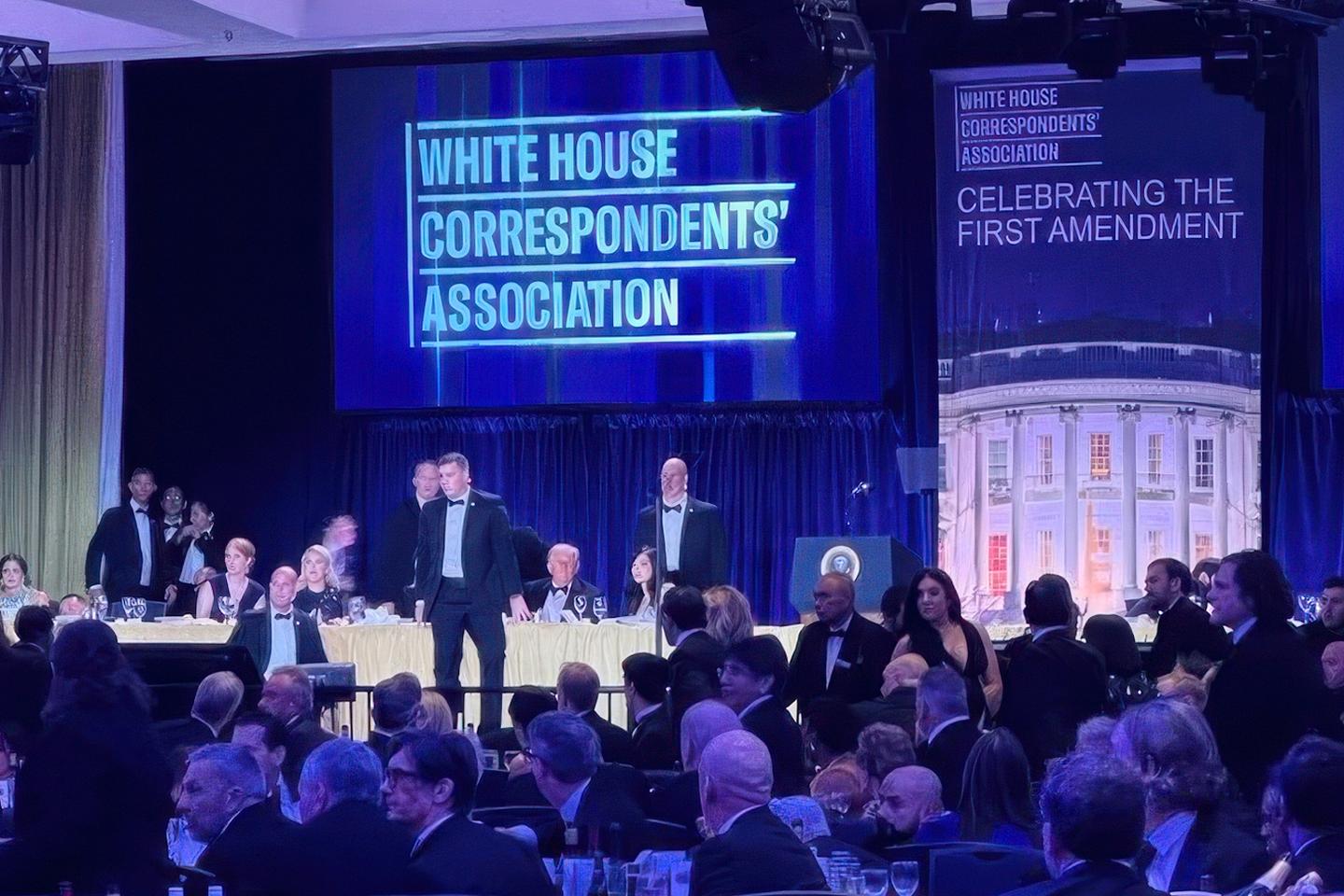
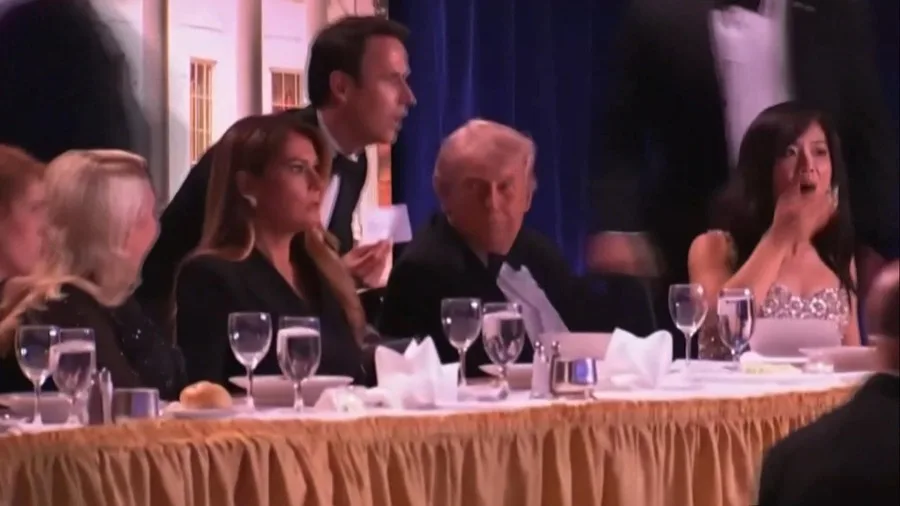
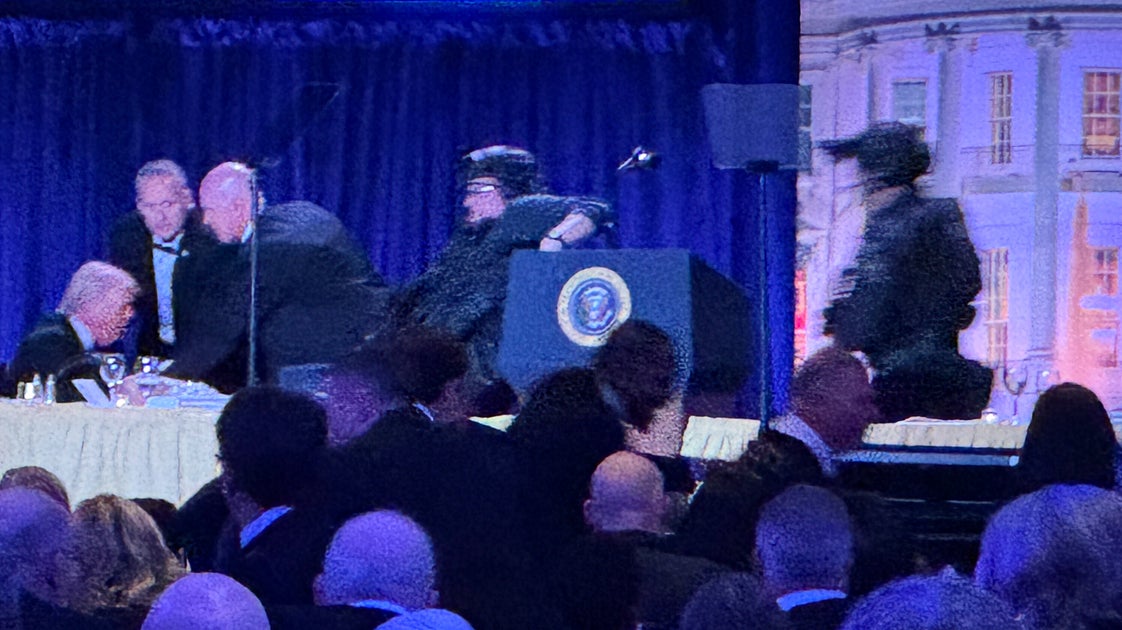
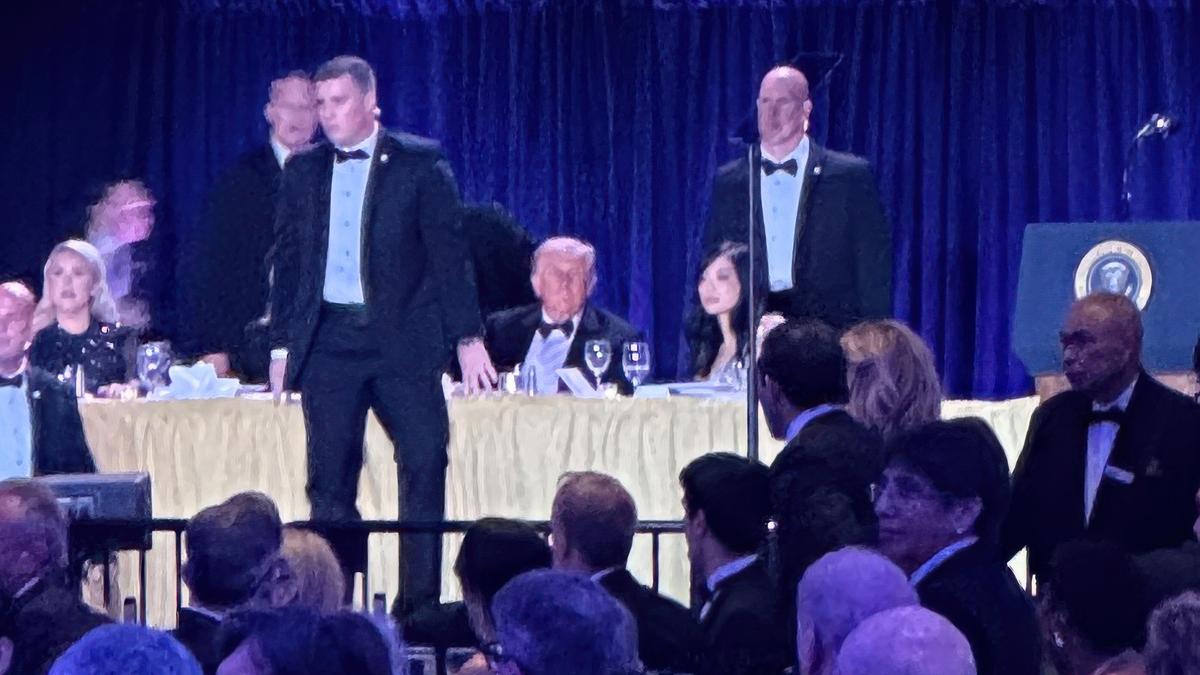
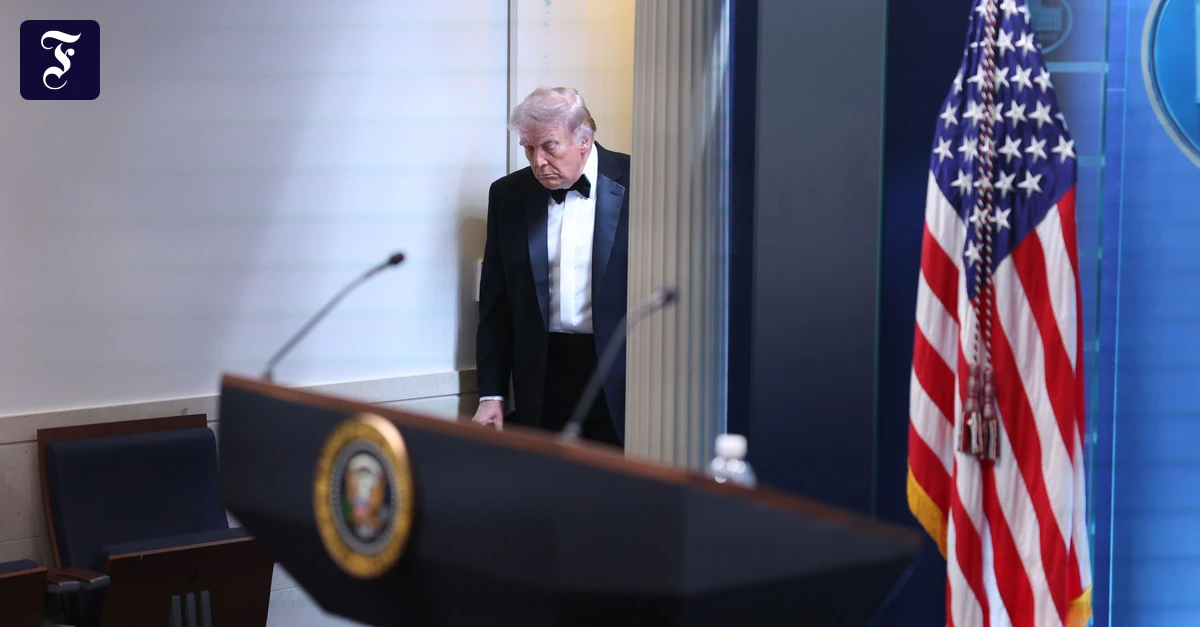
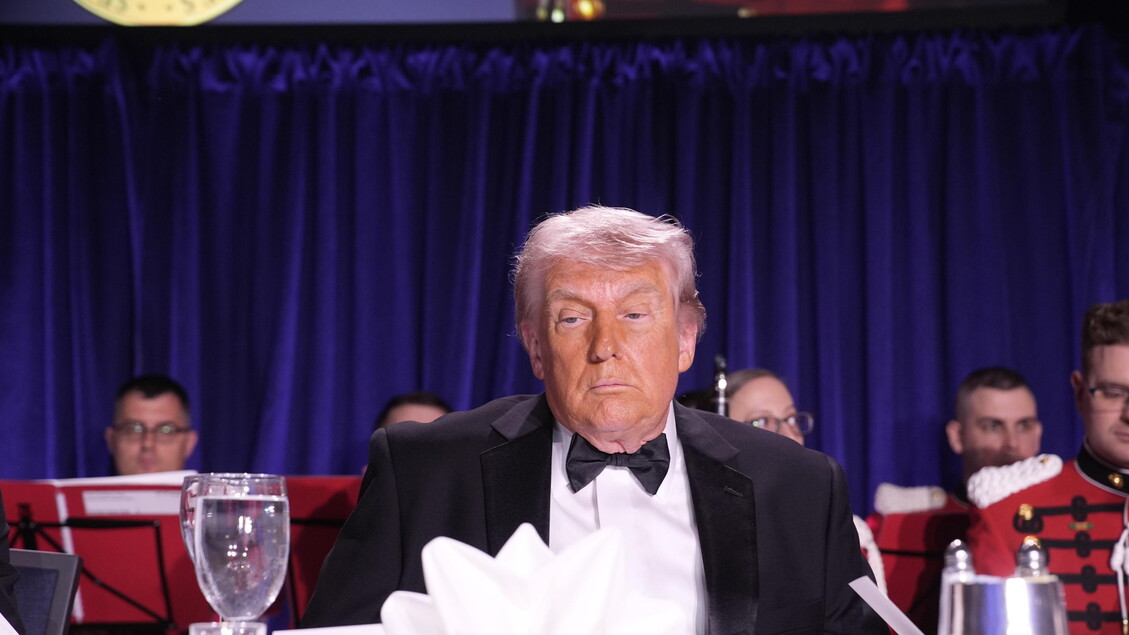
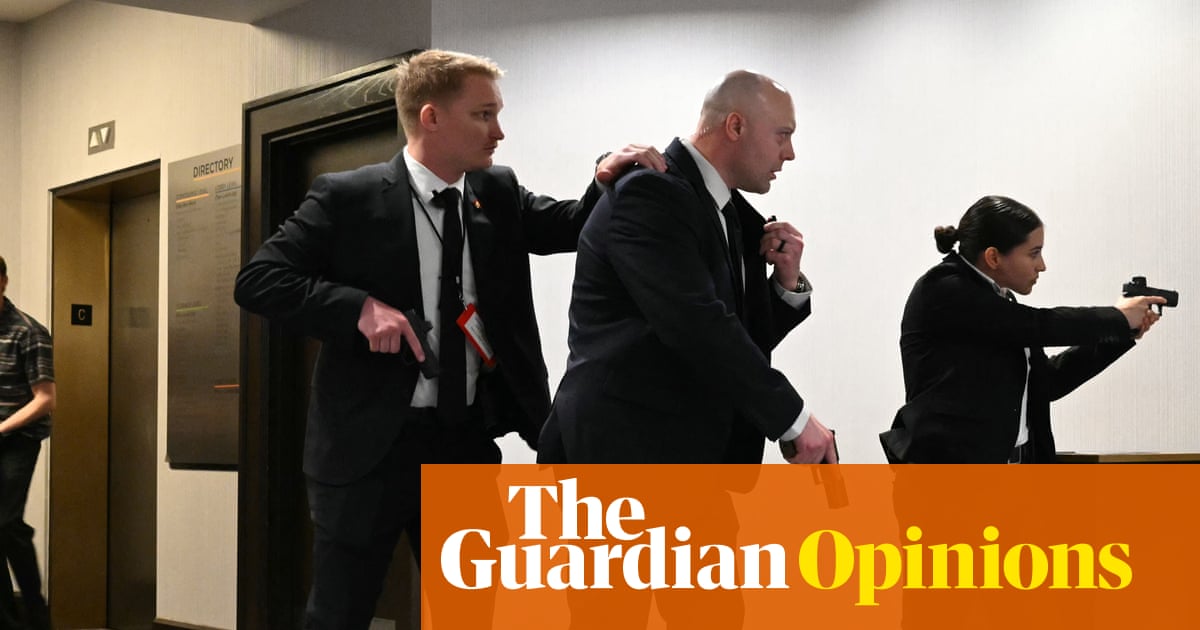
On Saturday night, the hotel again rang to shots as it hosted the annual White House correspondents’ dinner. Tuxedo-clad politicians and journalists dived under tables as bangs were heard from the lobby, and Donald Trump was rushed from the stage. A secret service agent was shot, though saved by his ballistics vest. The echoes of the 1981 attack are a potent reminder that violence has long been a tragic strand of the American political tradition. Gun violence is grimly familiar. This does not diminish the seriousness of an incident that was widely and rightly condemned. Rather, it highlights its importance.
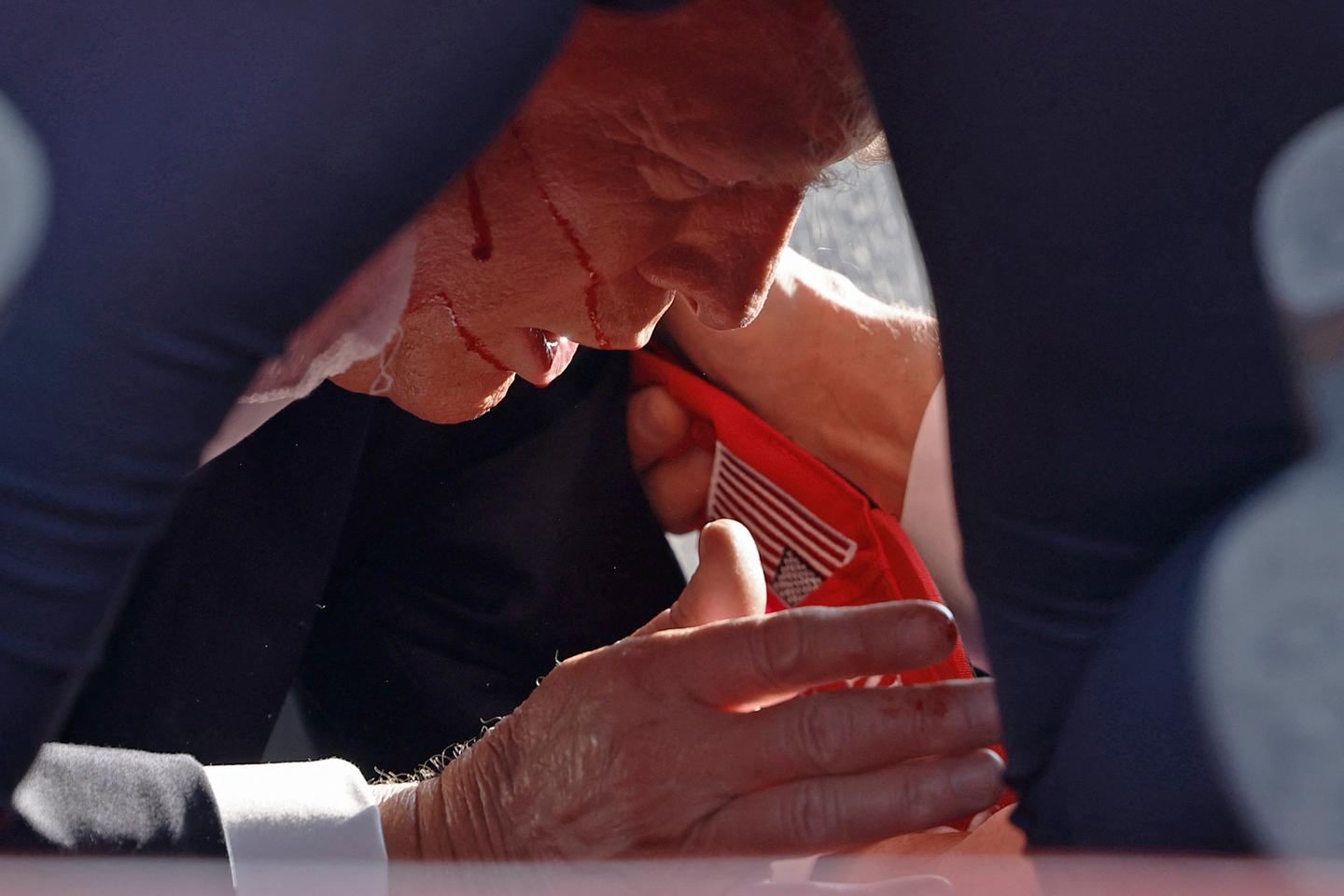
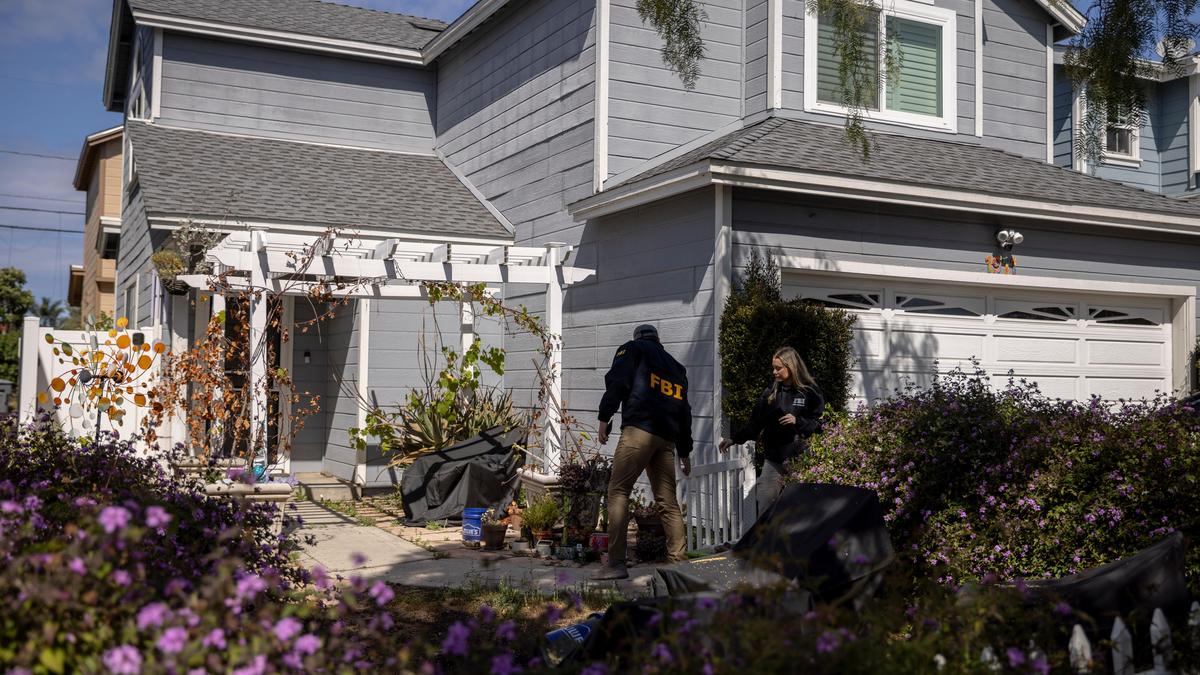
Mr Trump survived two assassination attempts in 2024, with a bullet grazing his ear in the first incident, in which a man attending a campaign rally was killed. The acting US attorney general, Todd Blanche, said that law enforcement believed the Washington shooter was targeting administration officials, likely including the president. But the 1981 case underlines the importance of fully understanding an assailant’s motives and background, particularly given reports that the 31-year‑old suspect is not cooperating.