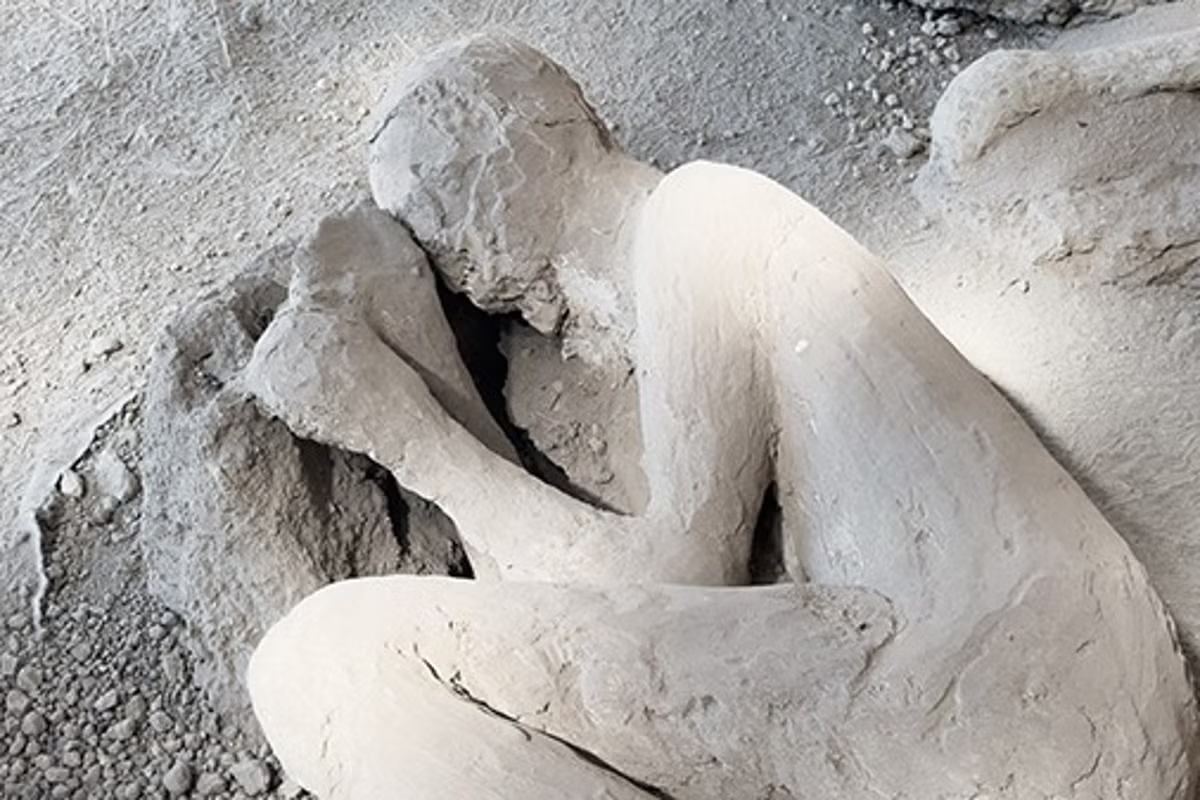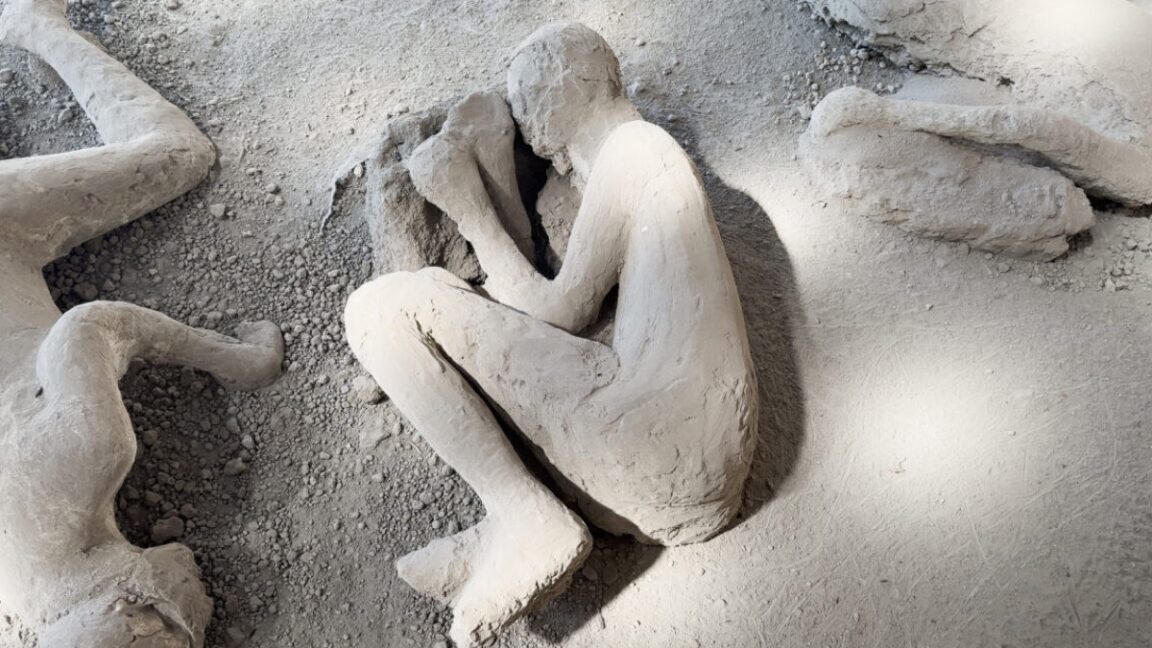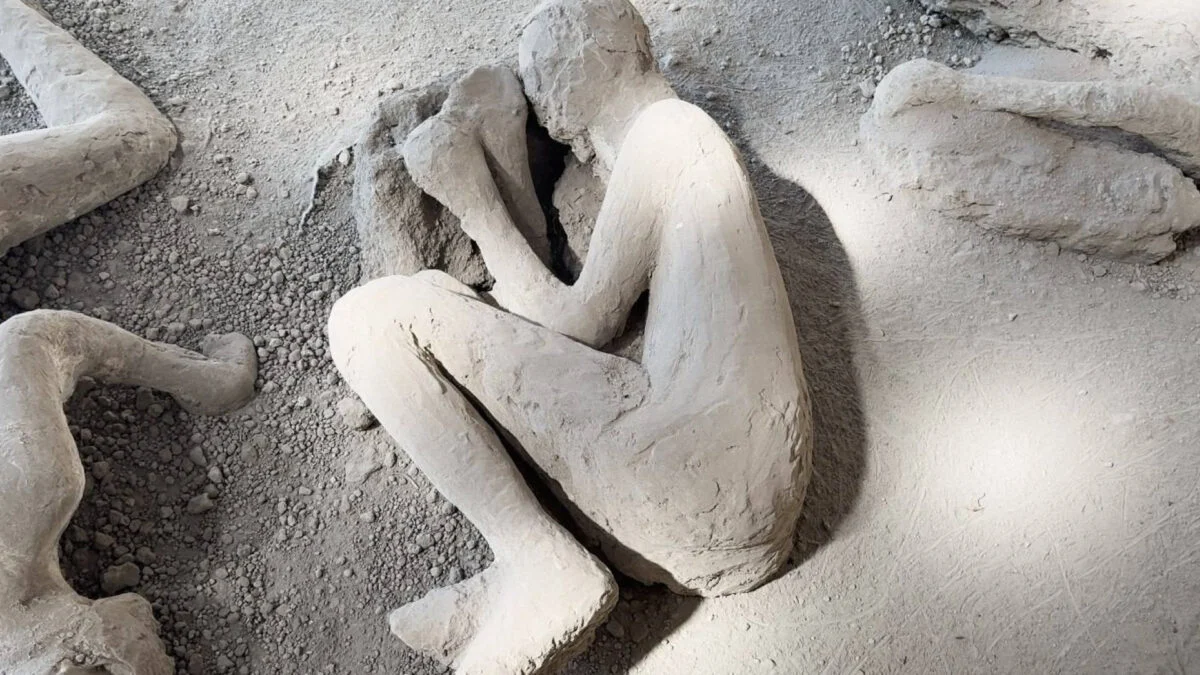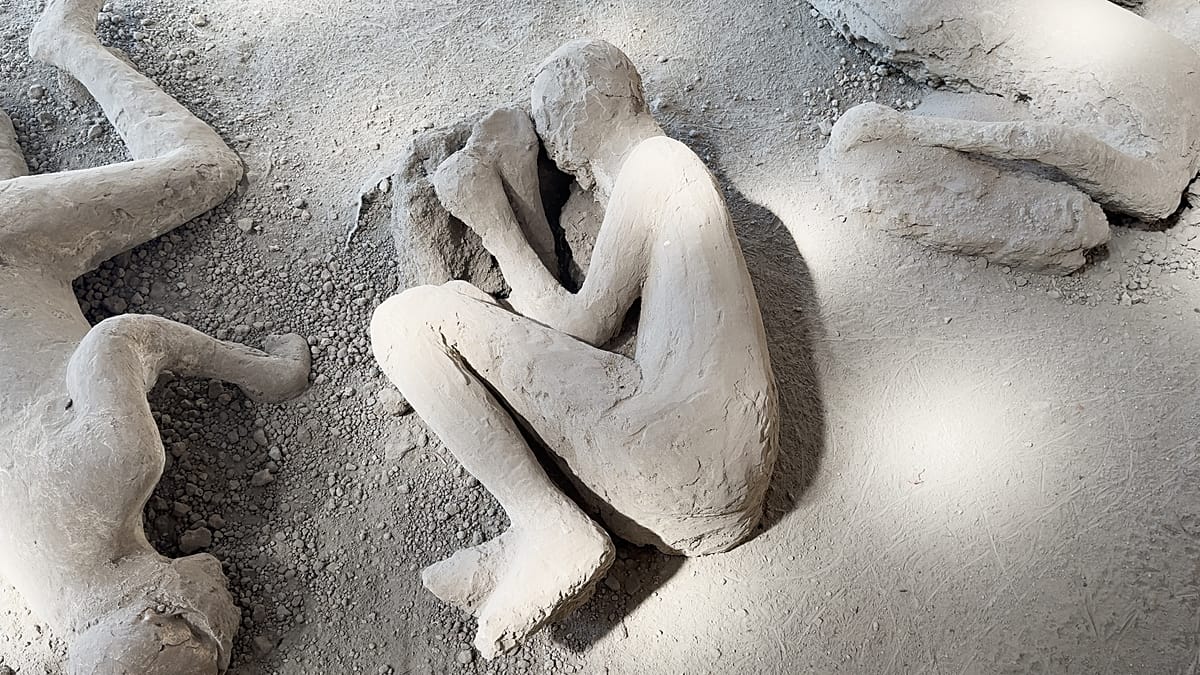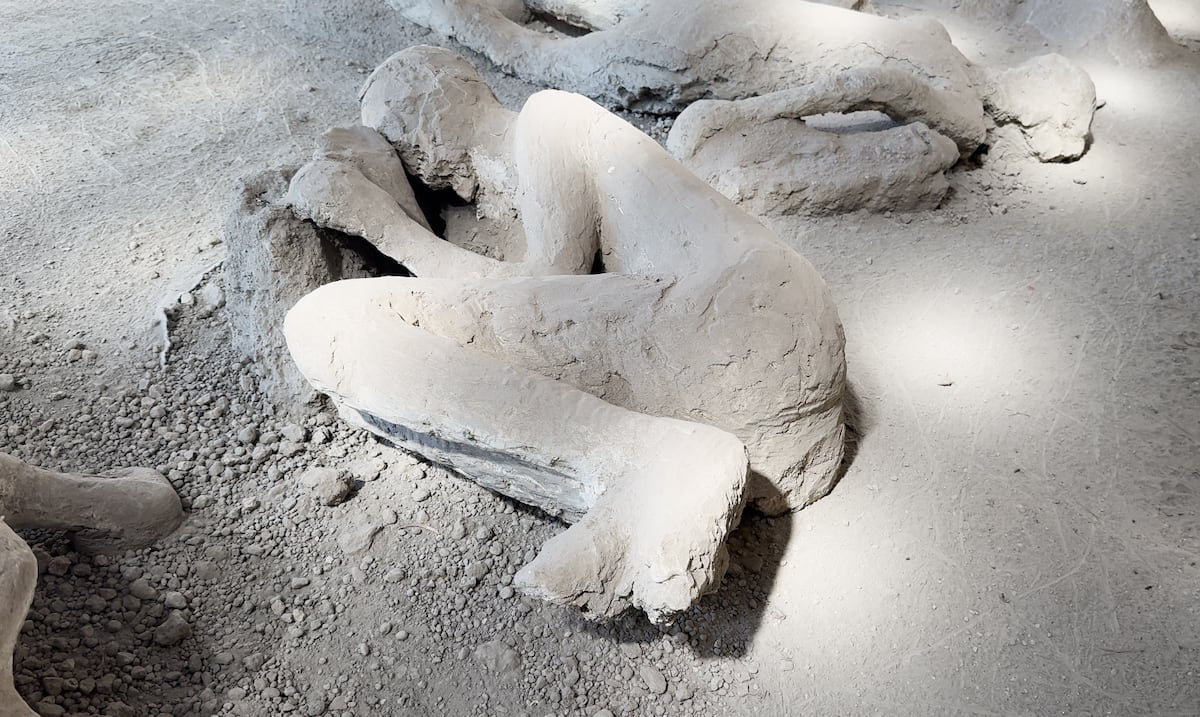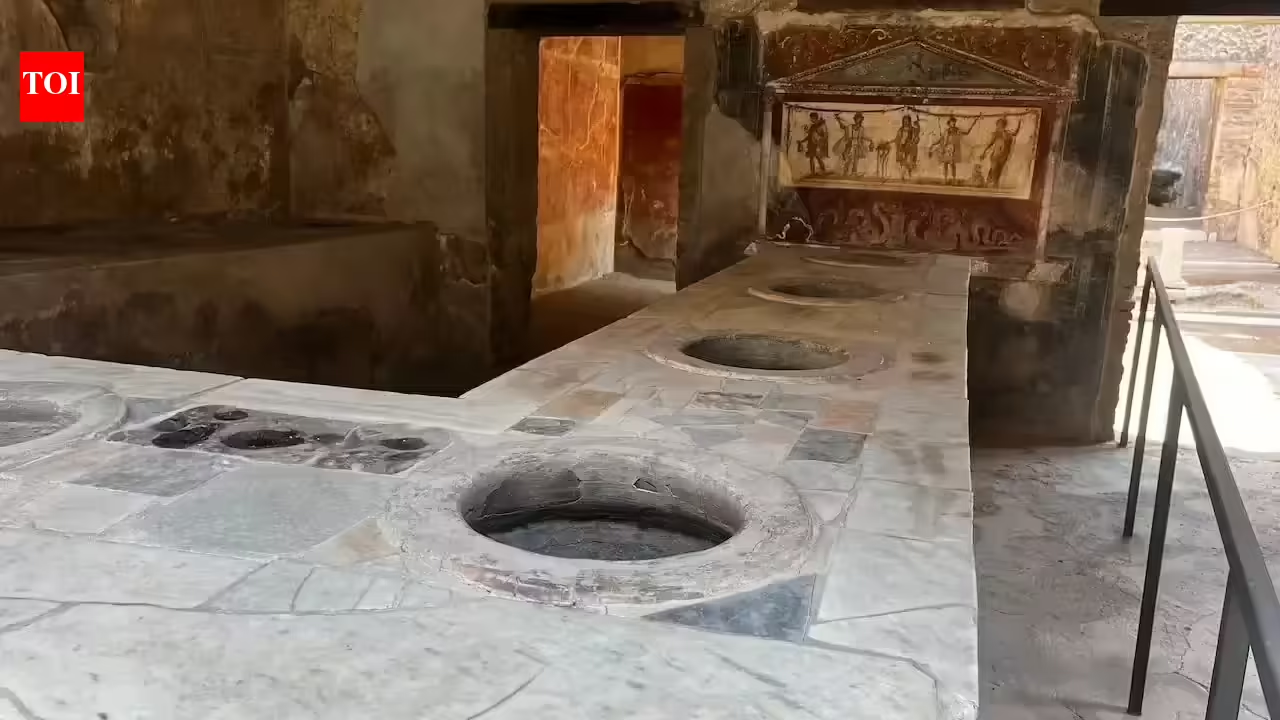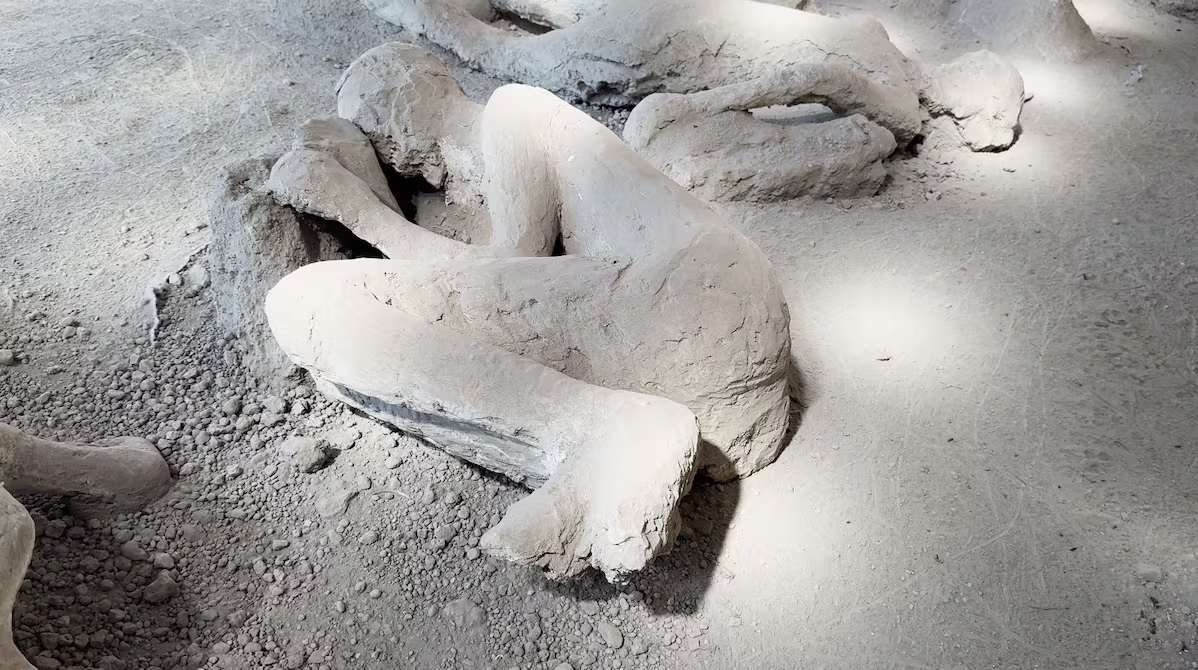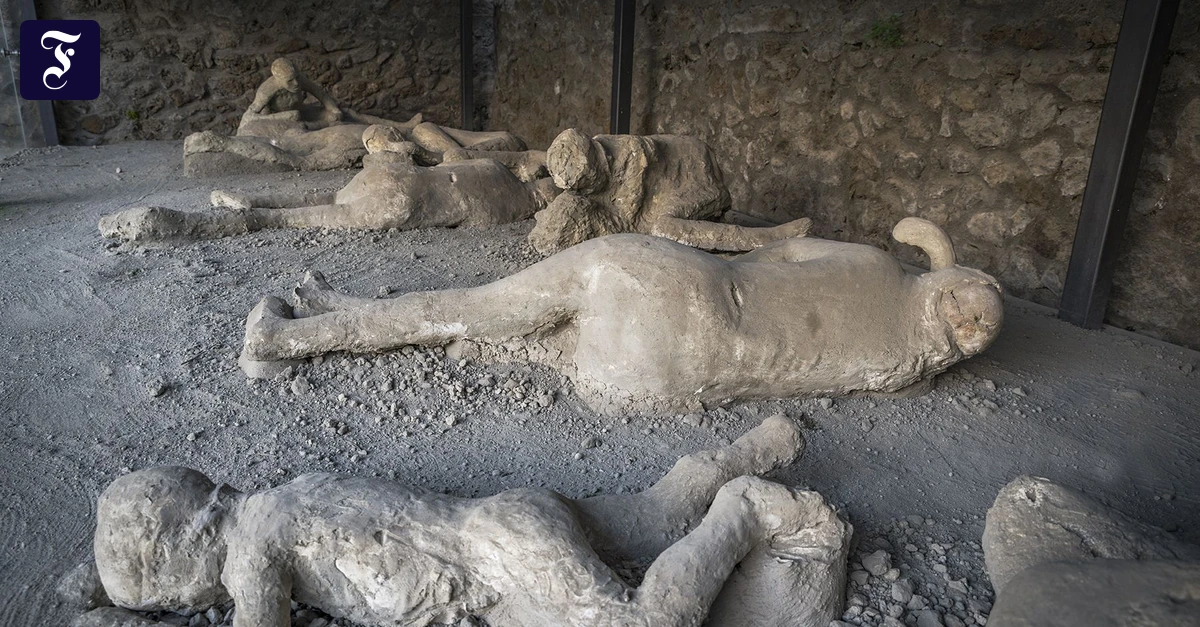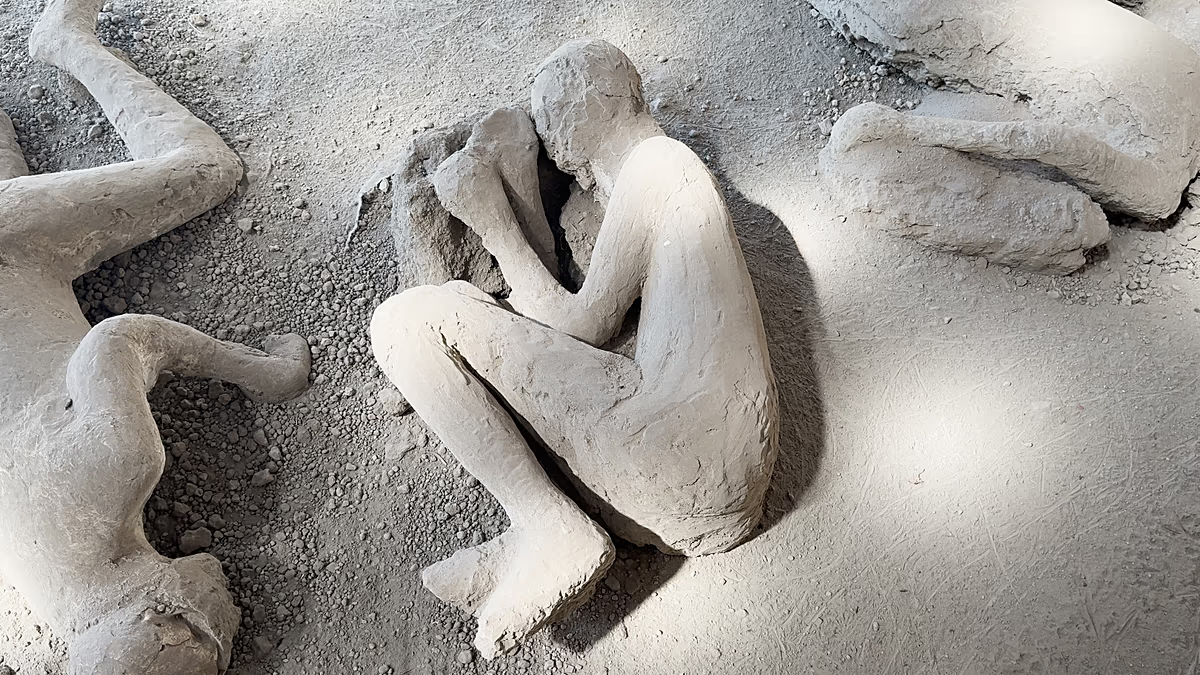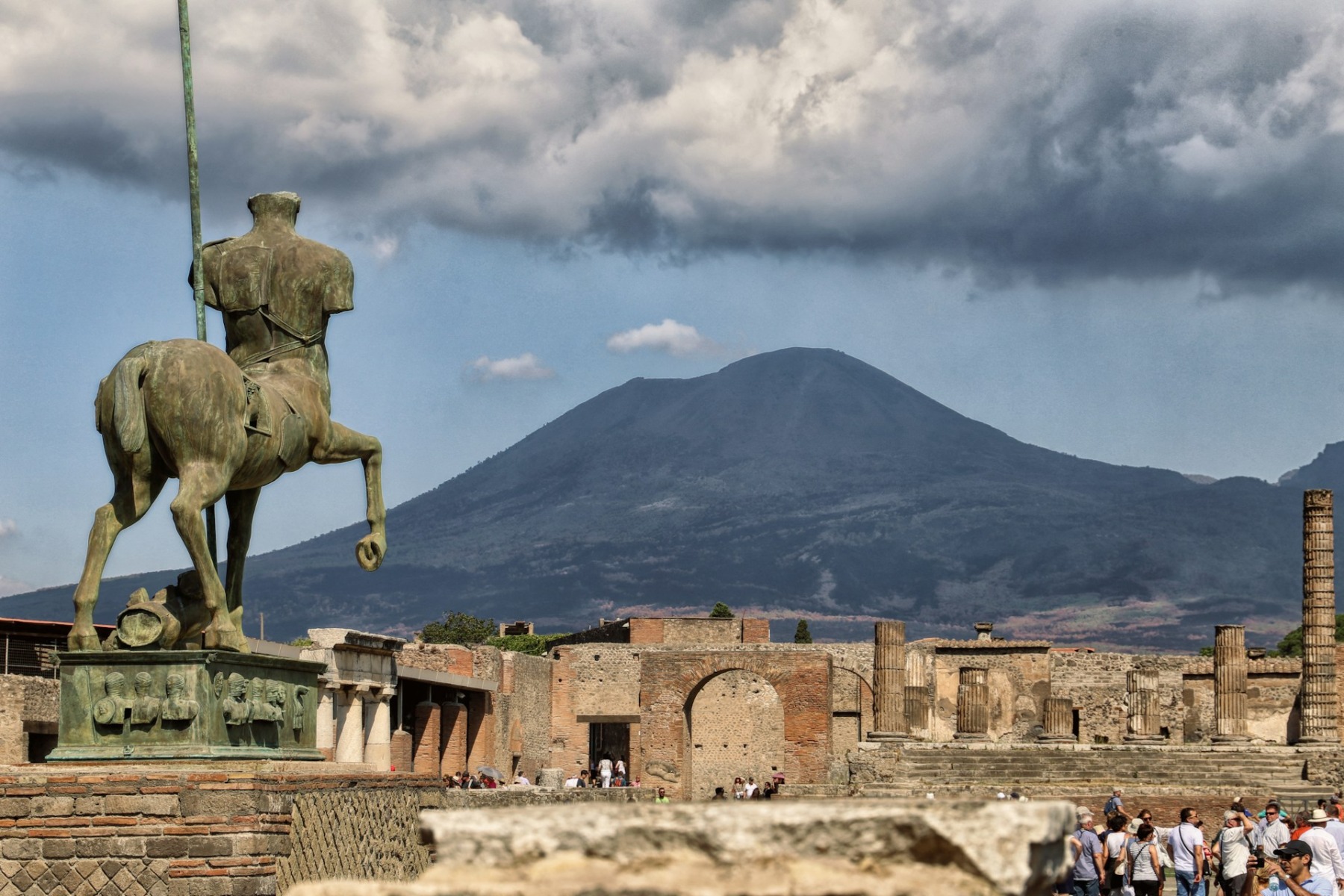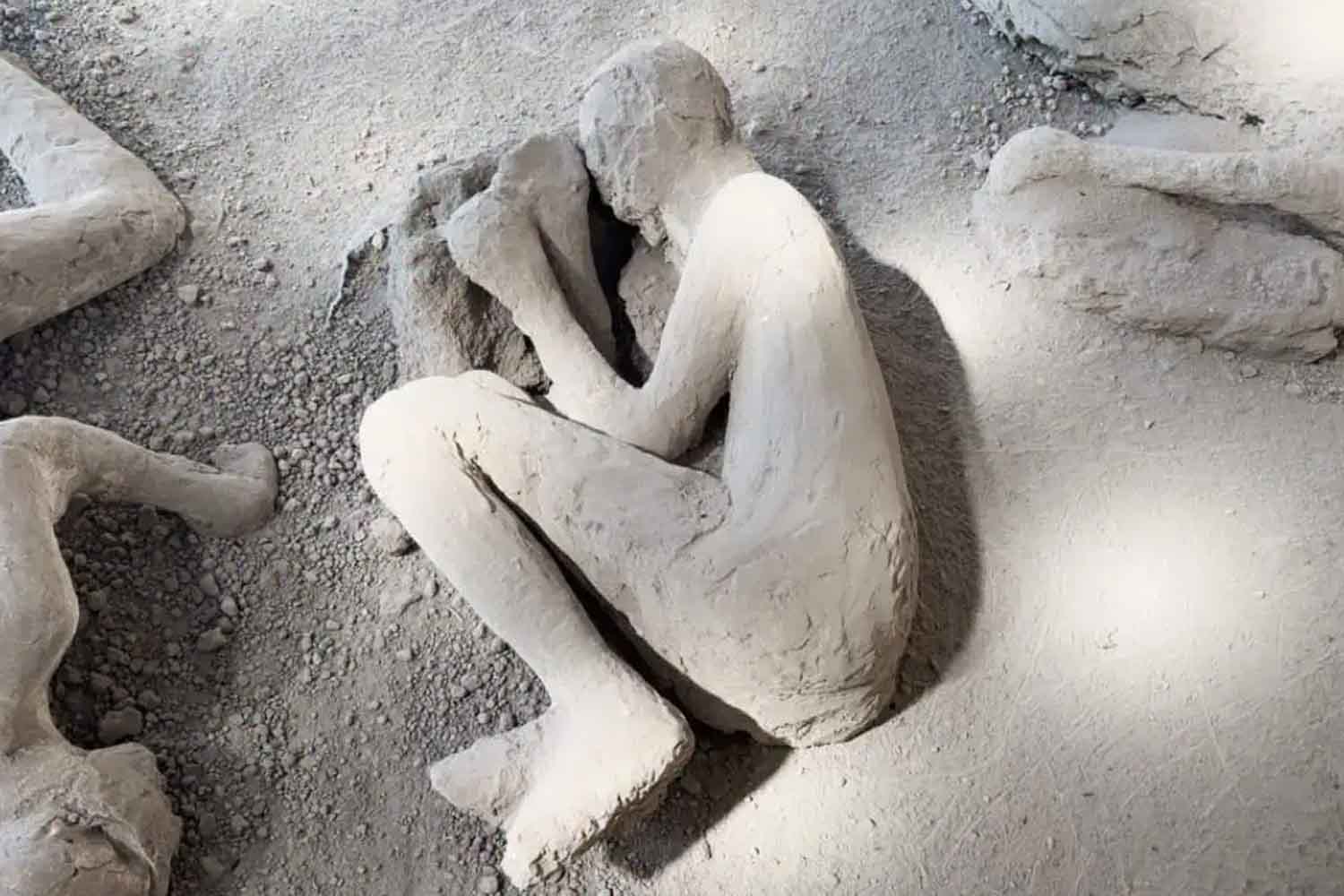
Scans of a pouch found with one of 13 people who died in a vineyard revealed surgical tools, a medicine-preparation tablet and coins, offering a new glimpse into Roman medicine and the flight from Mount VesuviusNearly 2,000 years after one of history’s most famous volcanic disasters, the ancient Roman city of Pompeii continues to yield discoveries that shed light on the people who lived there. One of them, among a group of 13 people who died while seeking shelter in a Pompeii vineyard, has now been identified as a doctor — a “medicus” in Latin.New tests show the man carried a kit containing surgical instruments and other medical tools, according to a statement from the Italian state-run Pompeii Archaeological Park, which manages the site. The main findings were reported by Live Science. However, it remains unclear whether the man intended to treat people injured in the eruption or was trying to flee the disaster zone.6 View gallery Plaster cast of a man killed in the eruption of Mount Vesuvius in 79 AD, which contained the remains of a small bag with medical equipment and several coins he was carrying when he died (Photo: Pompeii Archaeological Park)Dr. Gabriel Zuchtriegel, director of the Pompeii Archaeological Park, said in the statement that the man may have carried his tools so he could rebuild his life elsewhere through his profession, and possibly help others as well. He said the park was dedicating the small but significant discovery to medical professionals who continue to practice today with a deep sense of responsibility and service to the community.Pompeii was a major center of the wine industry in the Roman Empire. The city was surrounded by many vineyards planted in the fertile volcanic soil of Mount Vesuvius. But one of them failed to provide the shelter fleeing residents had hoped for: a deadly burst of gas, likely carbon dioxide and sulfur dioxide, along with volcanic ash, killed thousands of people in Pompeii and the nearby city of Herculaneum.6 View gallery Advanced X-ray and CT scans showed that the doctor’s bag contained surgical tools and a slate tablet for preparing medicines (Photo: Pompeii Archaeological Park)According to the statement, a small bag made of “organic material,” possibly leather, was found in one of the plaster casts made during the 1961 excavation of the vineyard, where residents had fled. Its contents, however, remained a mystery until now.Using X-ray and CT scans, researchers found that the pouch contained several small metal objects believed to be surgical tools, as well as a slate tablet that was likely used to prepare medicines from ingredients common at the time, such as honey, wine, vinegar and plant extracts.The findings indicate the man had been trained in medicine and surgery. Educated Greek slaves sometimes filled this role, but by the time Mount Vesuvius erupted, when Titus was Roman emperor, medicine had gained higher status. Julius Caesar had granted Roman citizenship to all physicians in 46 BC.6 View gallery Remains of the ancient Roman city of Pompeii (Photo: Andrew Medichini/AP)6 View gallery Remains of the ancient city of Pompeii, with Mount Vesuvius in the background, which erupted in 79 AD and buried the city and its surroundings (Photo: Johannes Eber)Medicine was valued by wealthy Romans in an era when surgery, used as a last resort, carried serious risks. There were no antibiotics and no modern anesthesia, meaning patients often died from infections. The causes of disease were also poorly understood: Illnesses such as malaria were believed to be caused by “bad air,” such as poisonous fumes, and Roman medical treatments often addressed supposed curses and evil spirits.Pompeii was discovered in the 16th century, but most of the scientific work in the Roman coastal city has taken place in more recent times. The city’s famous plaster casts, which recreate its victims, began to be made in February 1863 by Italian archaeologist Giuseppe Fiorelli. About 104 casts have been created, a much smaller number than the thousands of victims whose remains have been uncovered in excavations.6 View gallery One of the many frescoes uncovered and restored in Pompeii (Photo: Sergii Figurnyi/Shutterstock)6 View gallery Plaster casts of two victims of the 79 AD volcanic eruption in Pompeii (Photo: Parco Archeologico di Pompei/AP)A reconstruction of a man killed in the Pompeii disaster (Video: Reuters)The eruption of Mount Vesuvius killed about 2,000 people in and around Pompeii, though archaeologists now believe many others escaped. The event has been extensively studied, in part because of the exceptional preservation of the city’s streets, buildings, frescoes and residents’ bodies, offering an authentic glimpse into daily life, culture and social structure at the time.Over the years, a wide variety of objects have been found with victims of the eruption, including house keys and oil lamps. Some residents were killed while carrying valuable jewelry and coins. The victim now identified as a doctor was also carrying a small cloth bag containing bronze and silver coins.
Pompeii victim identified as doctor nearly 2,000 years after eruption
Scans of a pouch found with one of 13 people who died in a vineyard revealed surgical tools, a medicine-preparation tablet and coins, offering a new glimpse into Roman medicine and the flight from Mount Vesuvius
818 words~4 min read