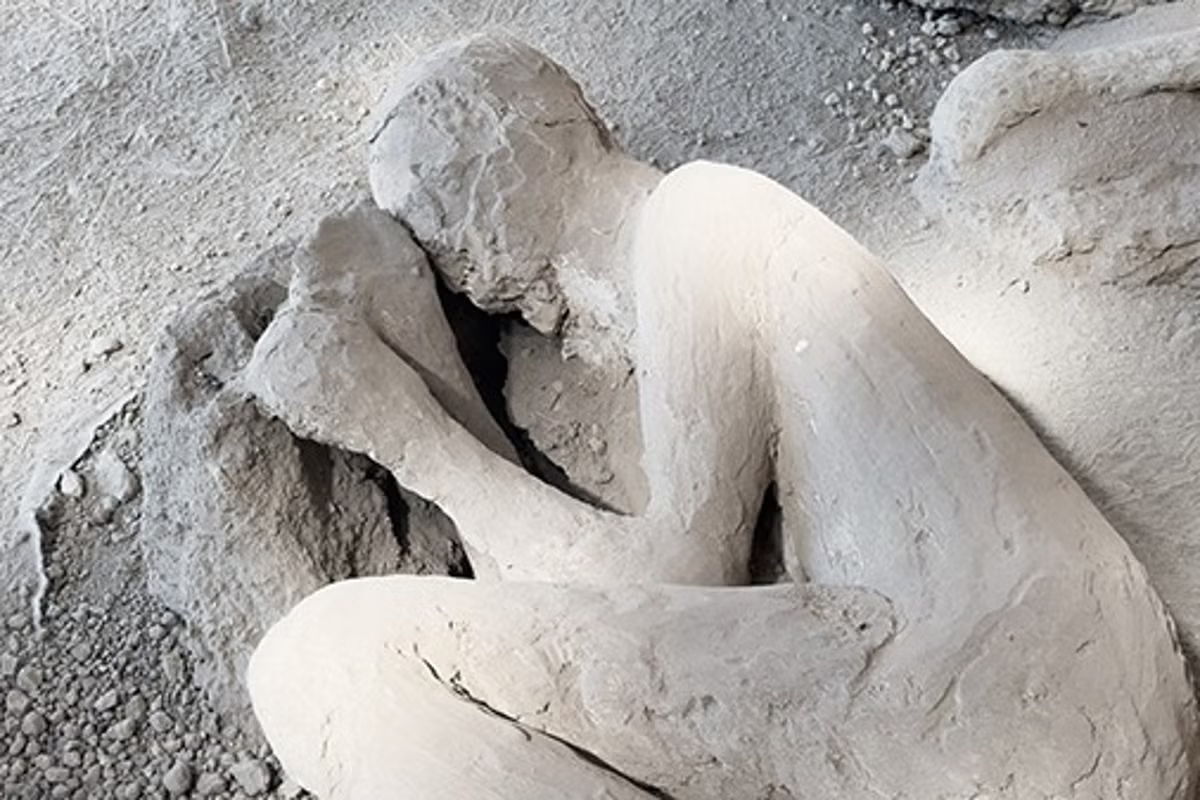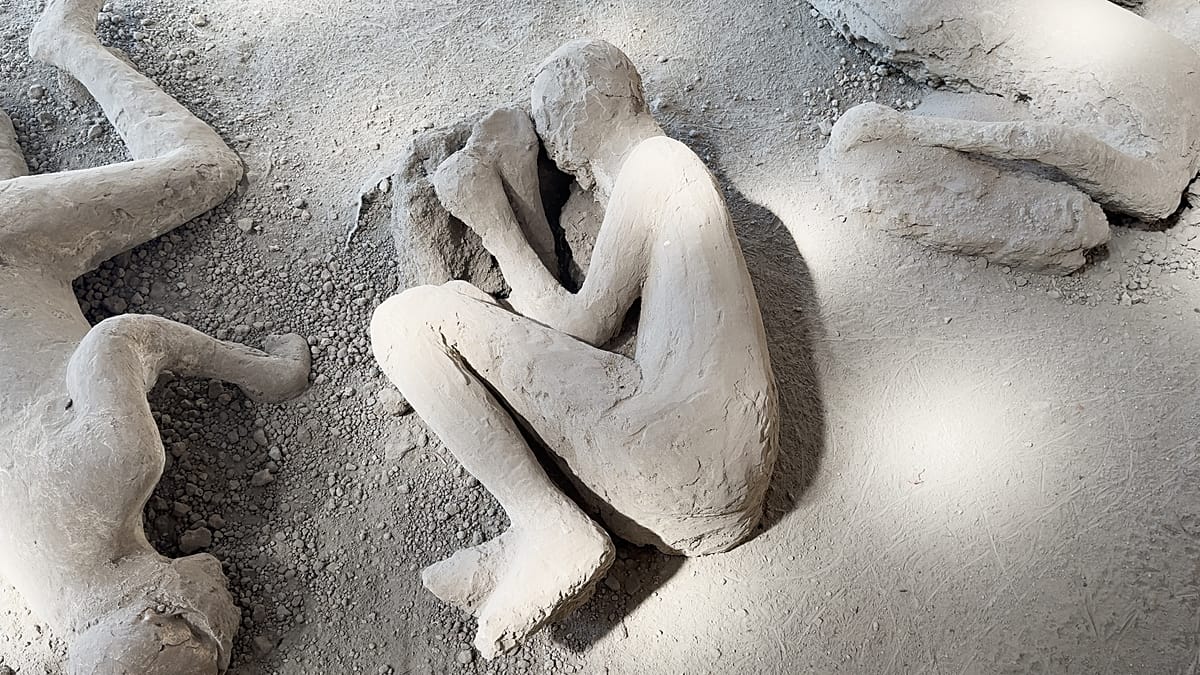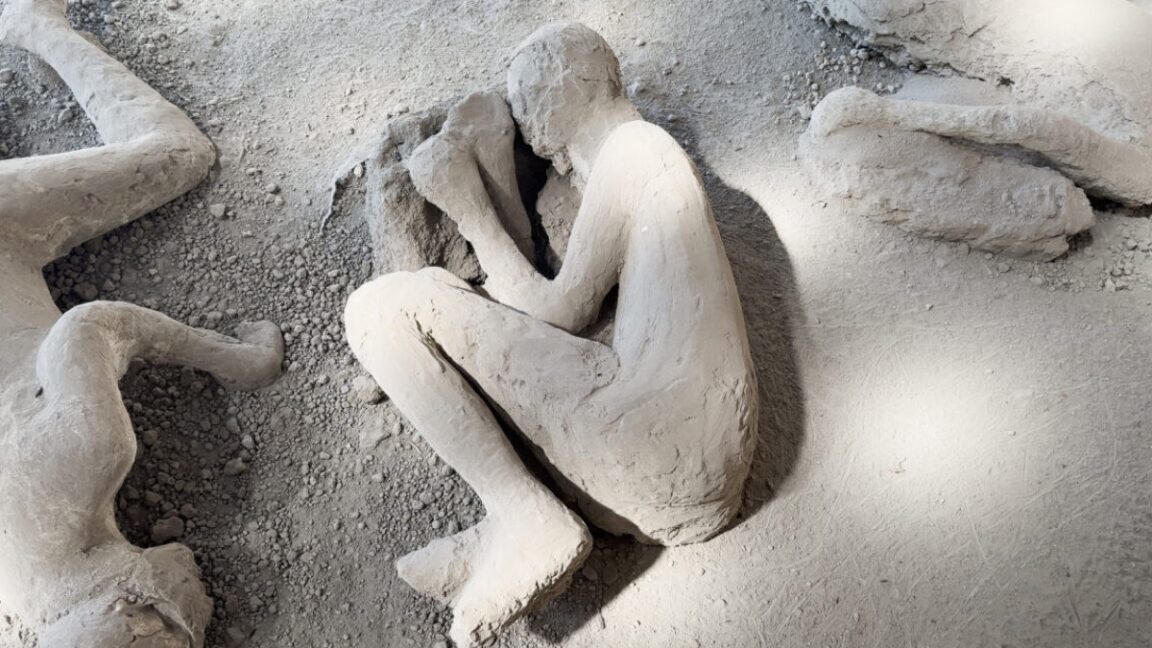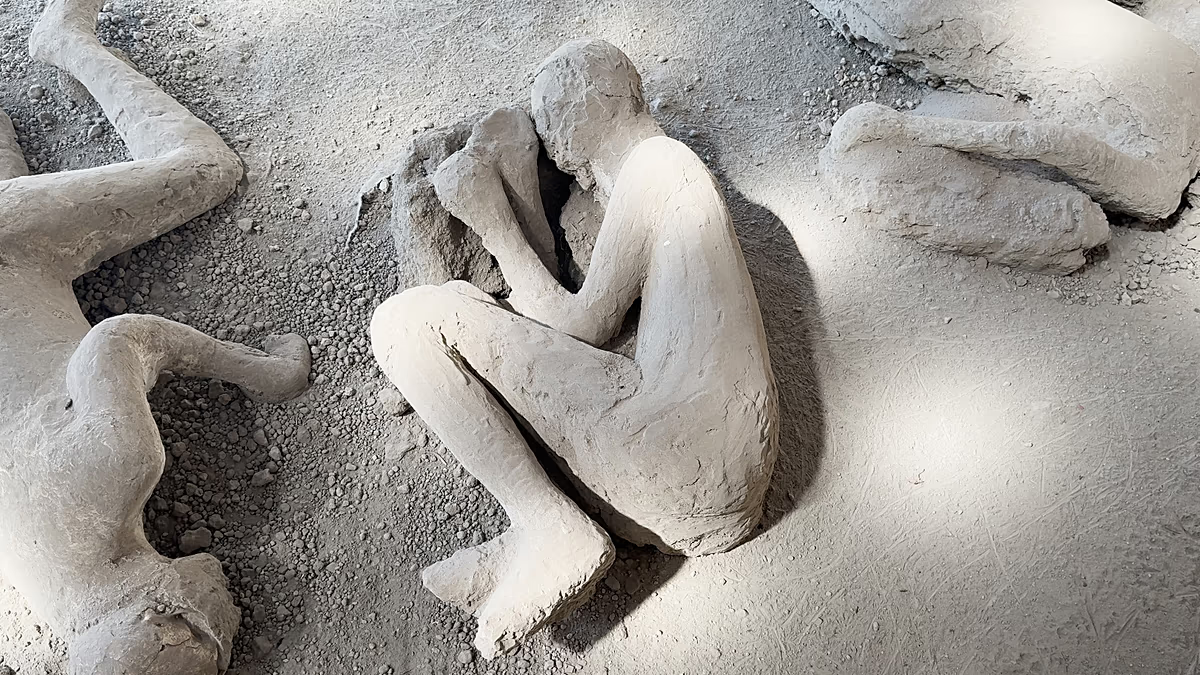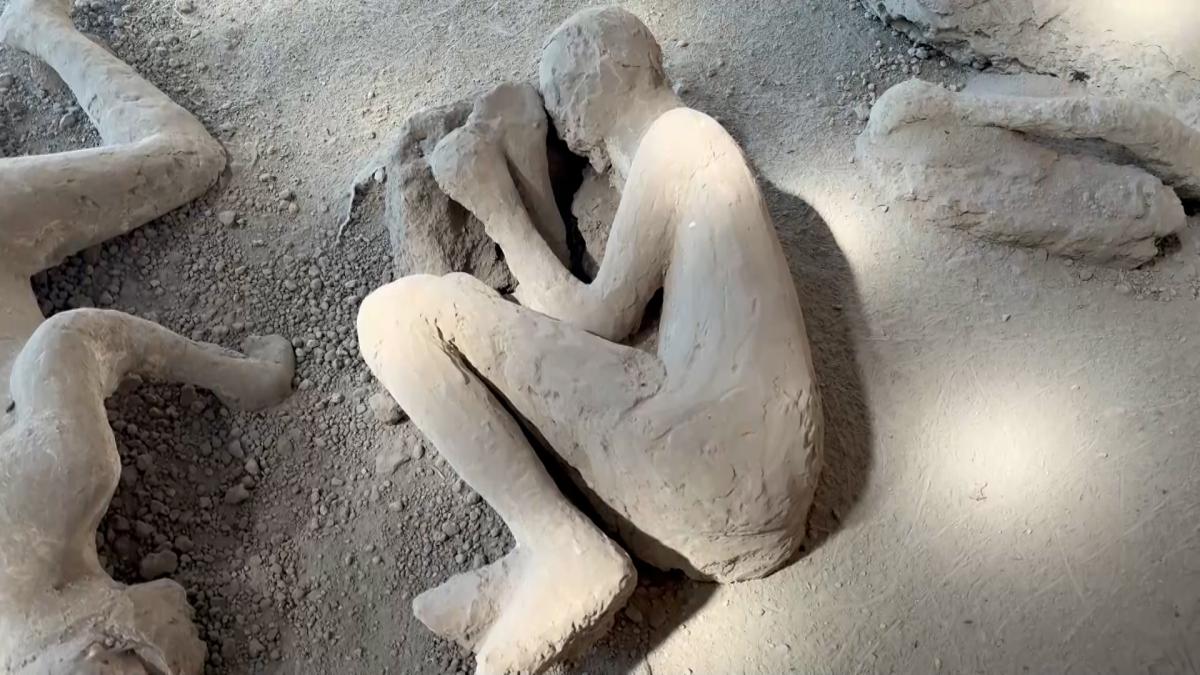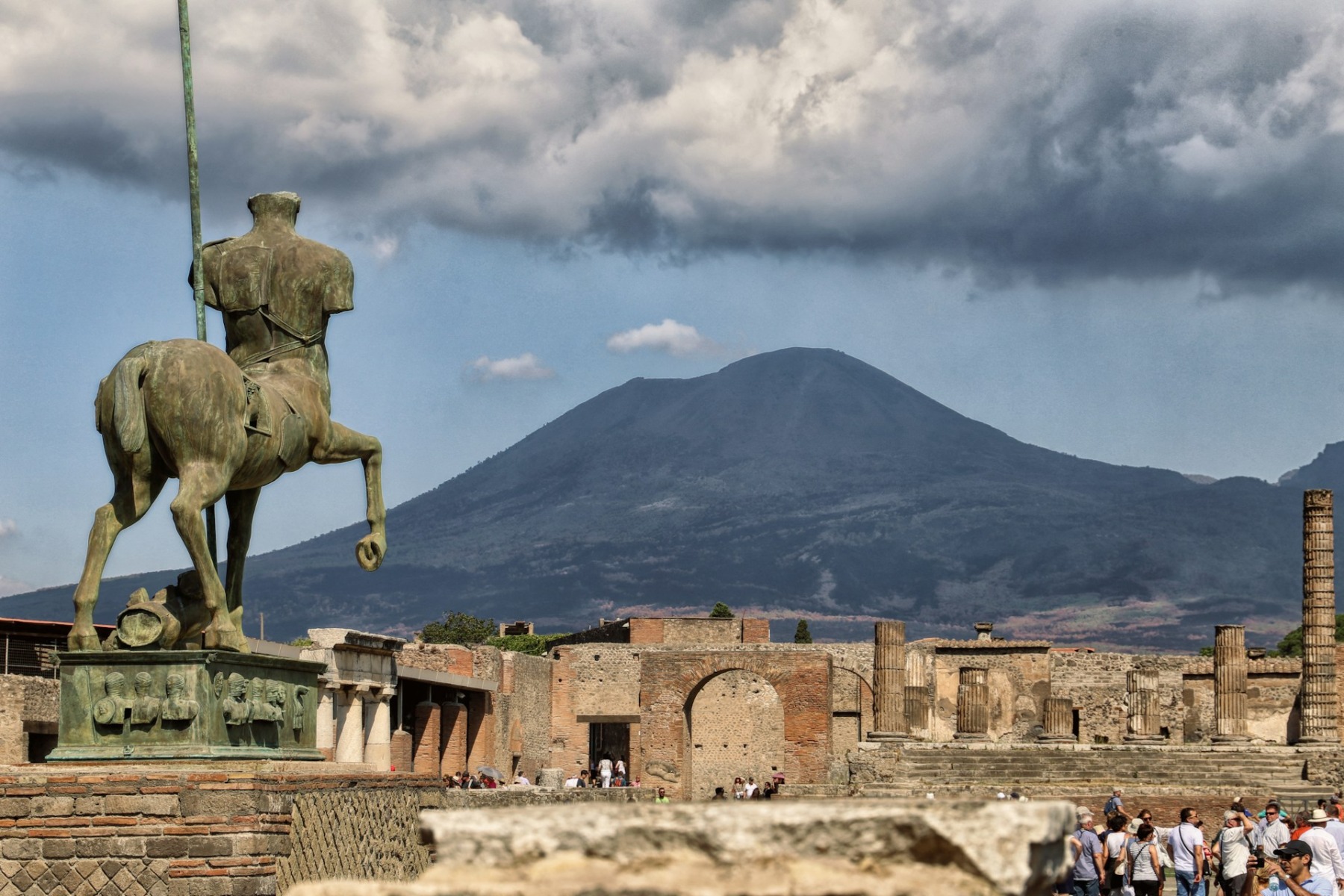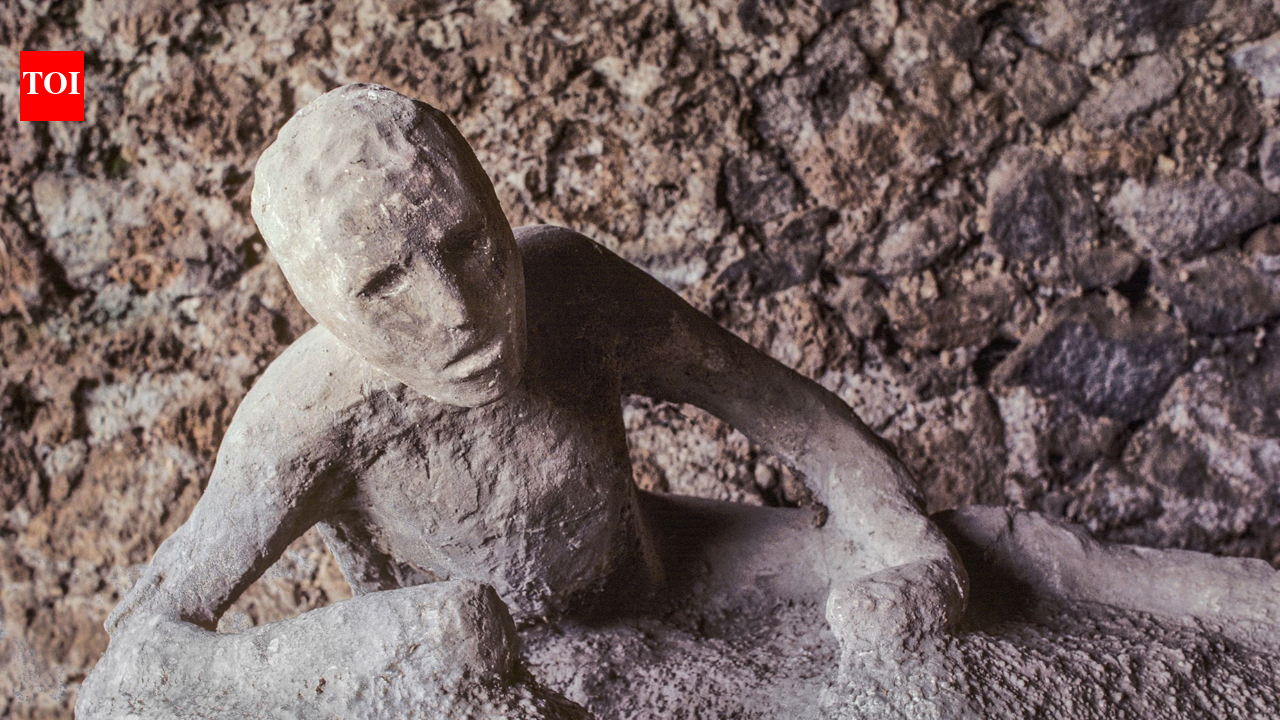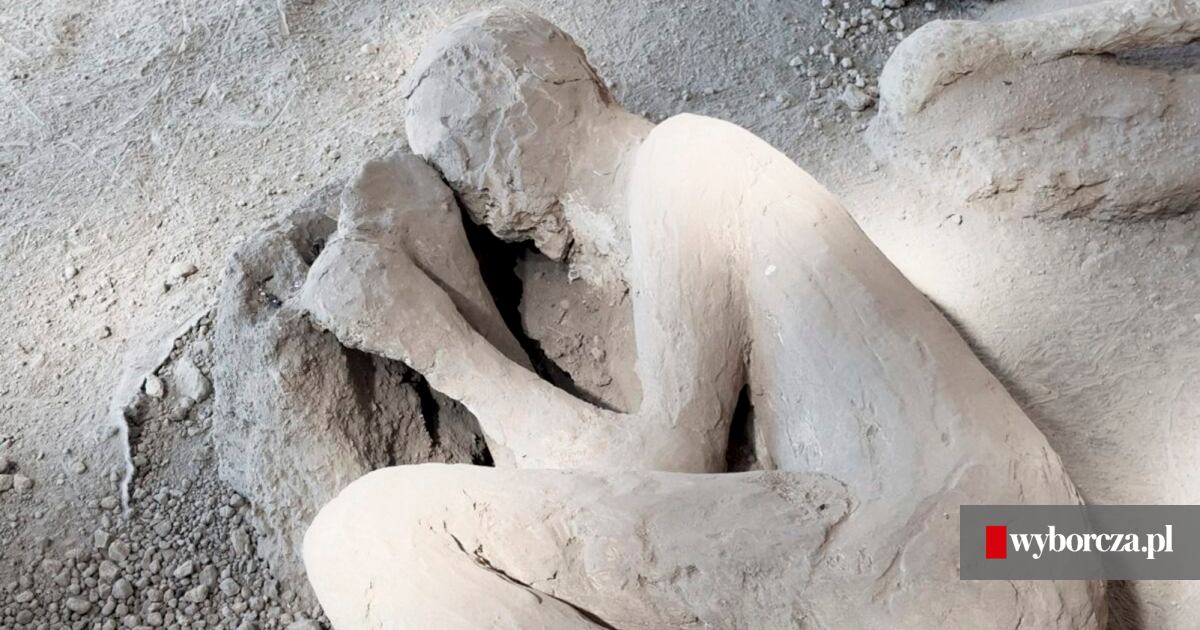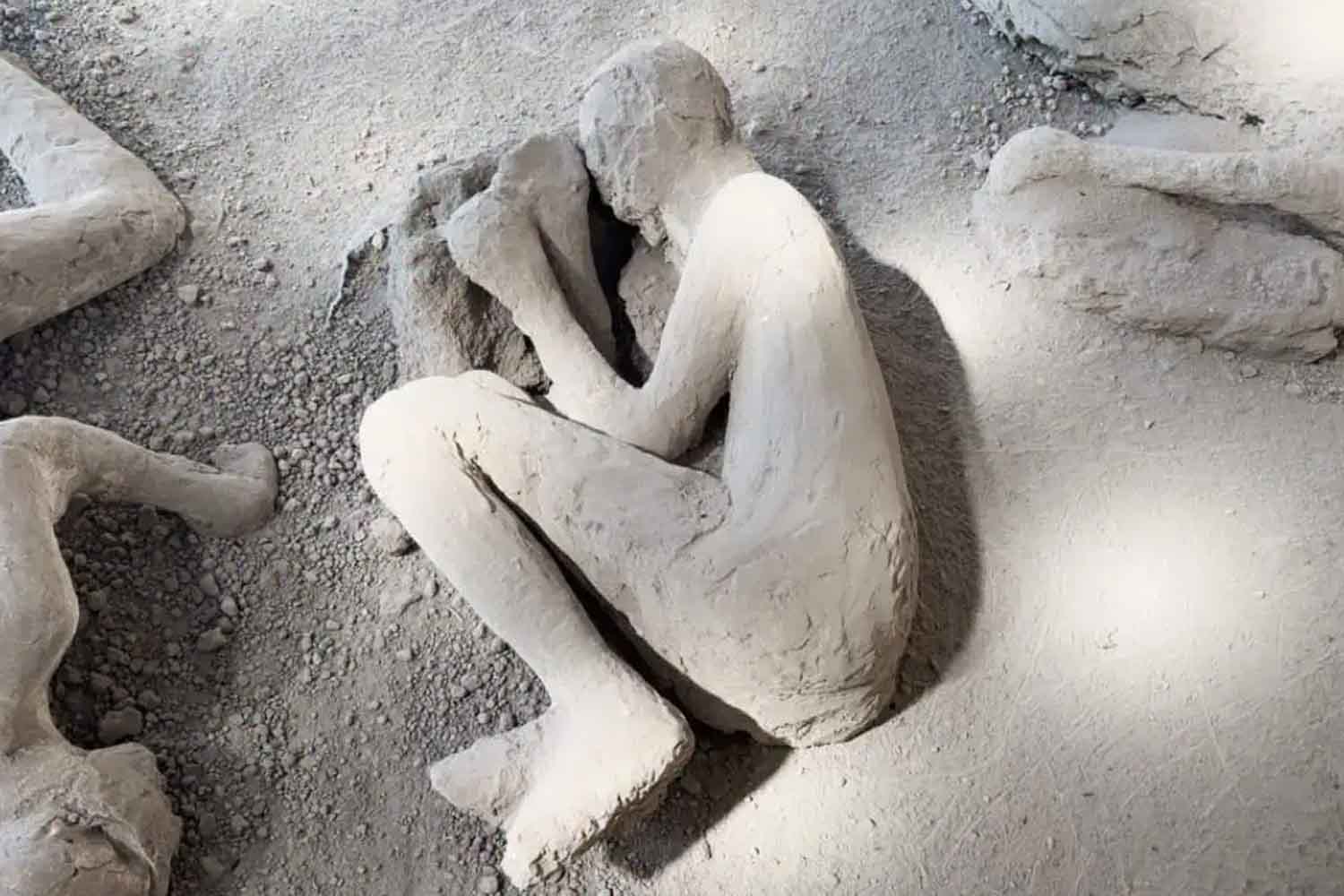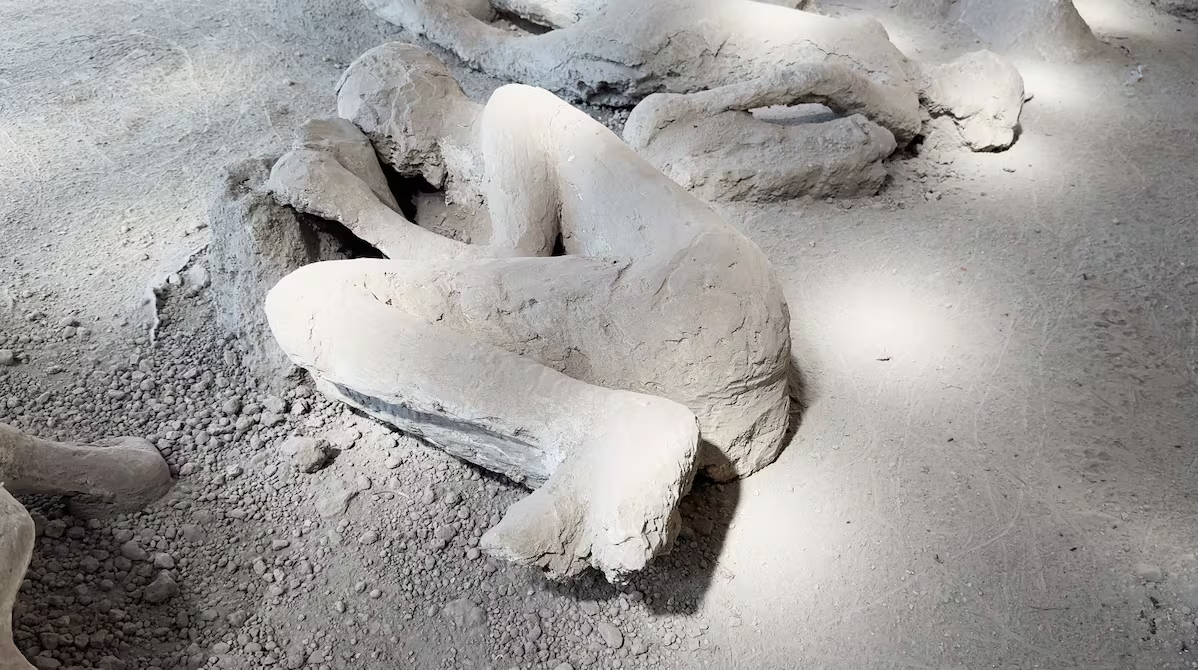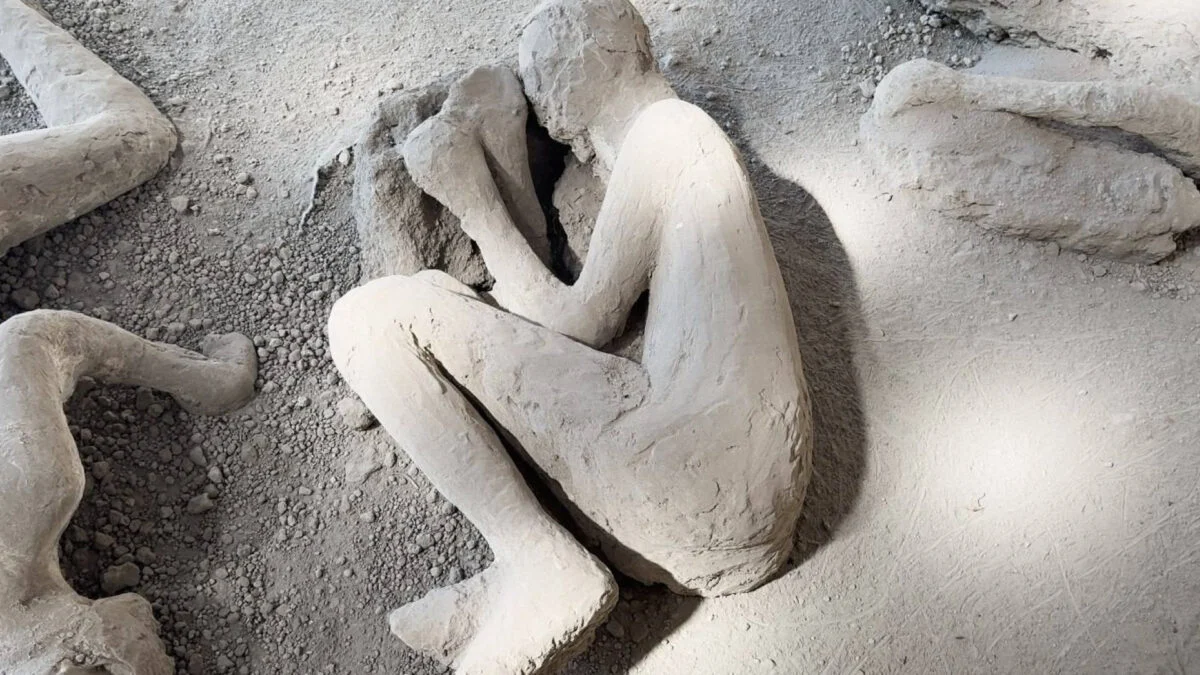
In 79 CE, Mount Vesuvius unleashed a destructive mix of fast-moving pumice, ash, and volcanic gas upon the Roman city of Pompeii. Many people in the path of these pyroclastic flows likely died of thermal shock, eventually leaving behind hollow forms buried inside volcanic ash as their bodies decomposed. With technological advances, scientists are now getting a much more detailed view of these long-decomposed bodies, including snapshots of their lives before the eruption. In a recent statement, Italy’s Pompeii Archaeological Park reported the discovery of an individual who appears to have been a doctor in Pompeii. The person was initially found in 1961 during excavations of the Garden of the Fugitives, which preserved casts of around a dozen people caught in the pyroclastic cloud pouring out from Vesuvius. New diagnostic tests using X-rays, CT scans, and 3D reconstruction techniques revealed a small slab that experts determined likely contained surgical tools belonging to a physician. A small slab discovered among the archaeological deposits in the Garden of the Fugitives. Credit: Pompeii Archaeological Park The results represent a “highly interdisciplinary effort that brought together archaeologists, restorers, physical anthropologists, archaeobotanists, numismatists, radiologists, diagnostic technicians, and digital modeling specialists, restoring not just an object, but a story of an interrupted life,” noted the statement, translated from Italian via Google Translate.
New Scans Reveal Ancient Med Kit Belonging to Possible Pompeii Doctor
Sixty years after the body was first discovered, advanced imaging techniques revealed a curious box that resembled the kind Roman doctors carried to treat patients.
570 words~3 min read