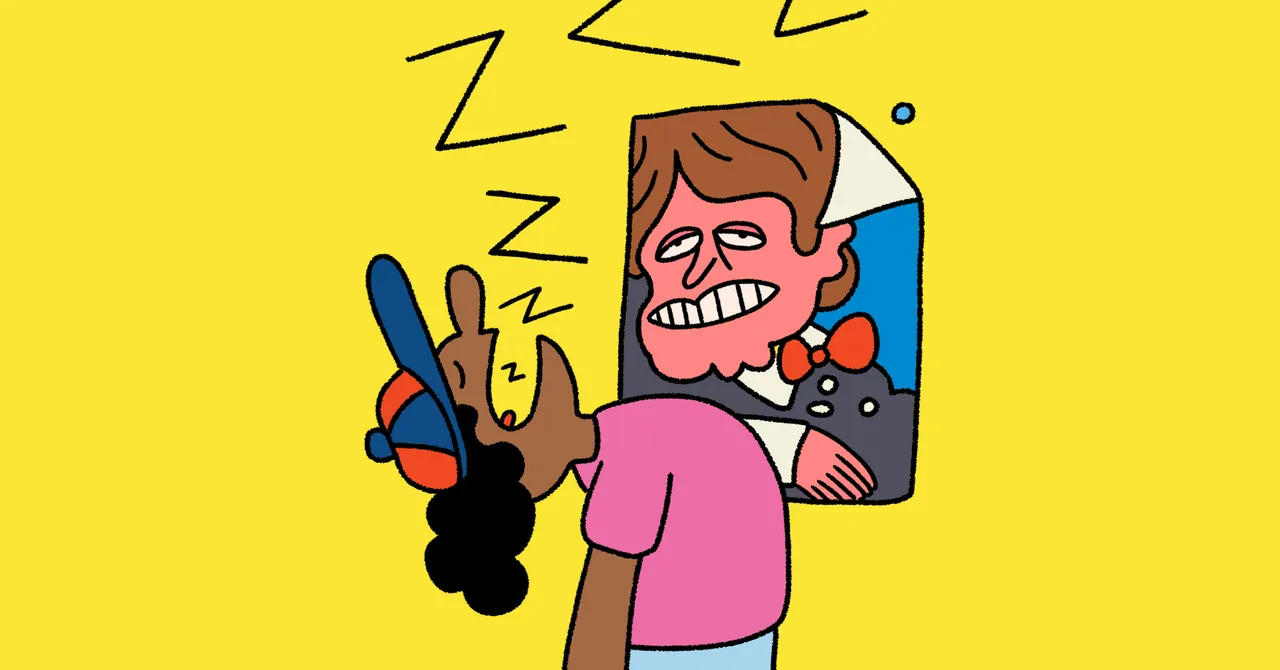
Picture a pretty typical 16-year-old today. Her teacher assigns an AI-assisted research project. She doesn’t open ChatGPT. She doesn’t even Google it. She already knows her answer: no.
The vibe: I don’t want AI to do my thinking for me. That’s the whole point of being a person.
There are millions and millions of teenagers like this. Across classrooms, online forums, and in polling data, a surprising segment of the generation that was supposed to lead AI adoption is instead leading the resistance to it.
The numbers are jarring. An April Gallup survey, conducted in partnership with the GSV Family Foundation, found excitement about AI among Gen Z has dropped 14 percentage points since 2025, falling to just 22%, while anger toward the technology has risen 9 points, to 31%. Among Gen Z non-users of AI, a 2026 Numerator survey of more than 5,000 consumers found 57% say they are not open to adopting it—compared to just 32% of baby boomers. Read that again: Older Americans are more open to AI than young ones. A separate GWS study found 16% of Gen Z expressed disinterest in AI on their smartphones, versus only 9% of older respondents.
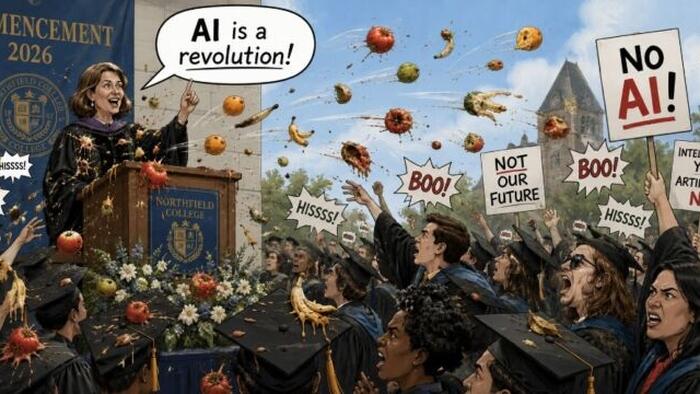
That breaks every pattern in the playbook. Teenagers drove the adoption of video games, personal computers, social media, and smartphones—dragging skeptical parents along behind them. With AI, the adults arrived first and loudest. It was CEOs, consultants, and politicians who declared the revolution. And many kids looked up, assessed the situation, and said: pass.