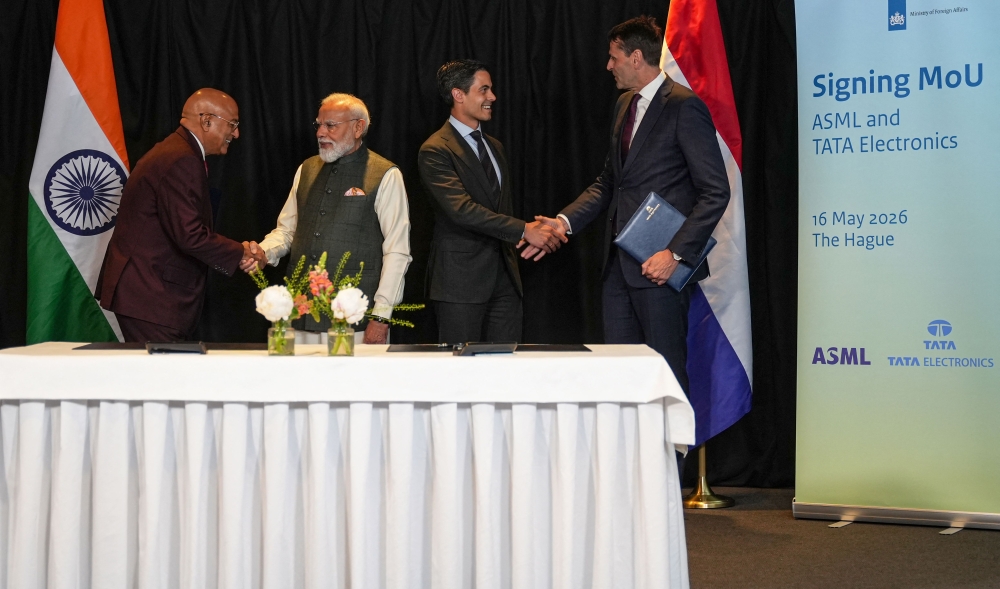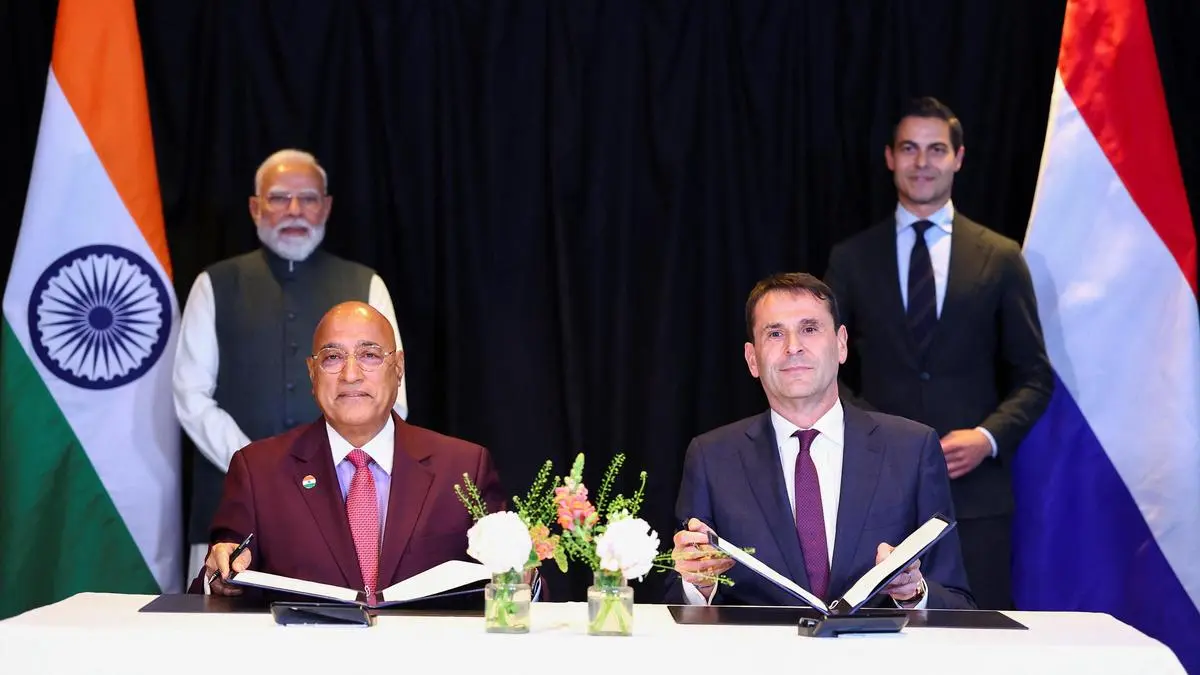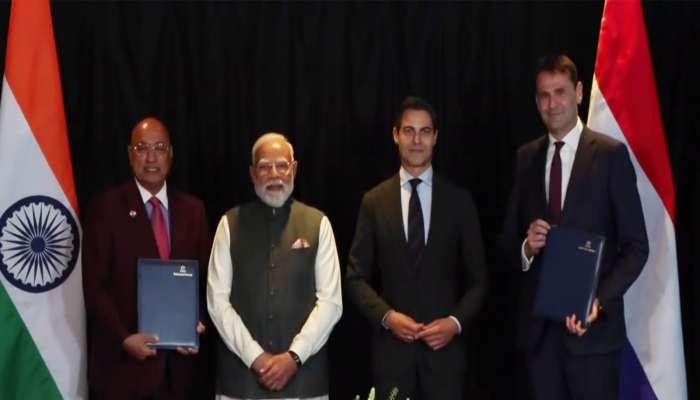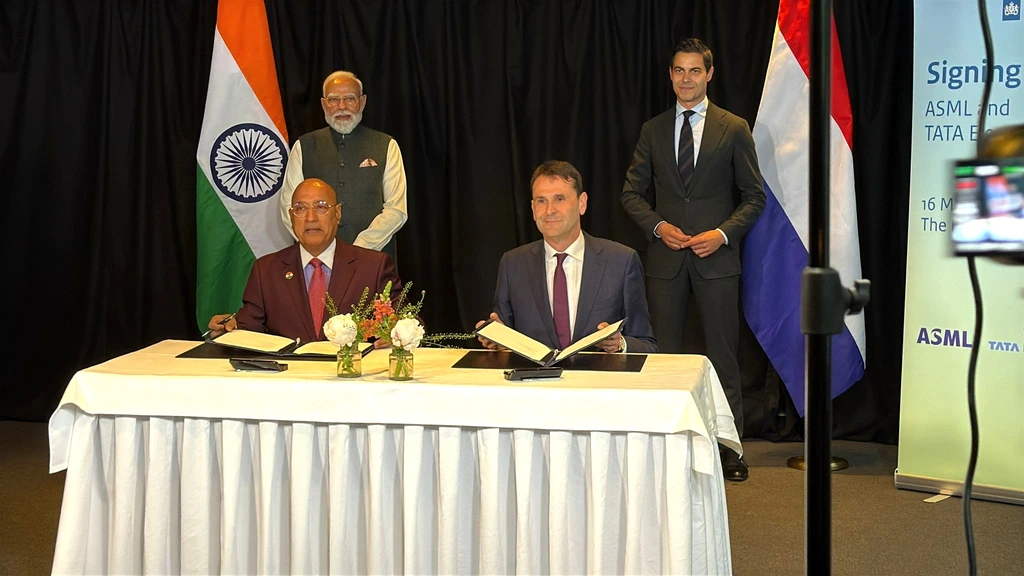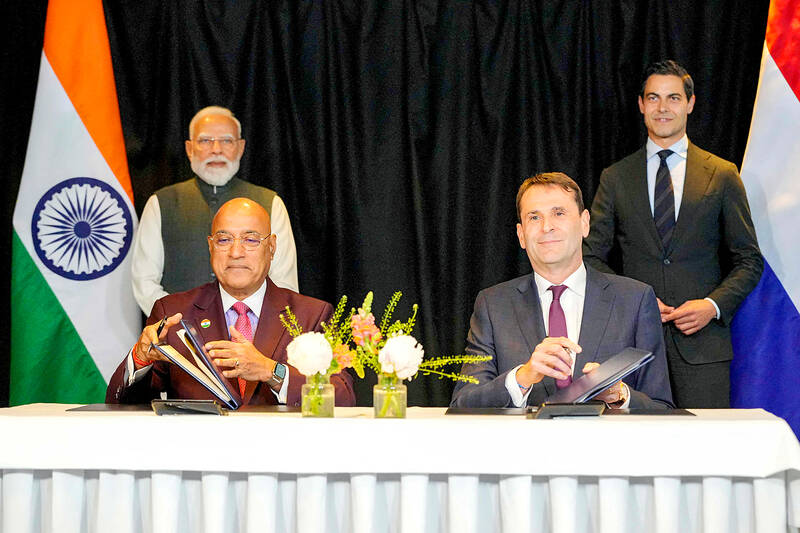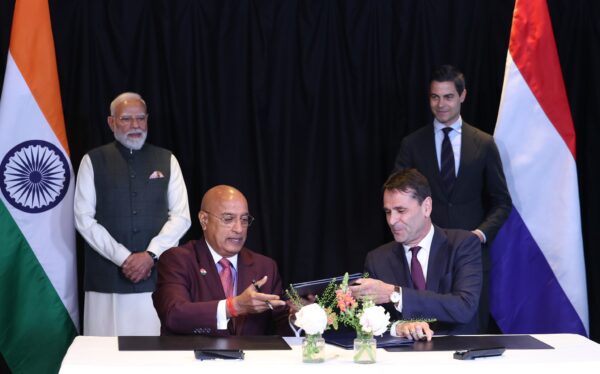
When Prime Minister Narendra Modi was in the Netherlands on May 16, he shook hands with two CEOs: ASML’s Christophe Fouquet and Tata Electronics’ Randhir Thakur. The symbolism was clear: India is joining the most exclusive club of the world’s chip industry. However, there is more substance to the geopolitics than the ceremonial photographs showed.
The celebratory occasion that Modi oversaw was the signing of an MoU between Tata Electronics and ASML. The Dutch technology firm has agreed to help Tata establish and ramp up its fabrication facility in Dholera, Gujarat, by providing a comprehensive portfolio of lithography tools and solutions and enabling the city to build up its talent pool, supply chain resilience, and R&D infrastructure. In partnership with Taiwan’s PSMC, the Dholera fab will produce $11 billion worth of chips, covering nodes from 28 nanometers to 110 nm, for automotive, AI and mobile applications. Construction is progressing; the first Indian-origin commercial chips are expected before the end of this year.
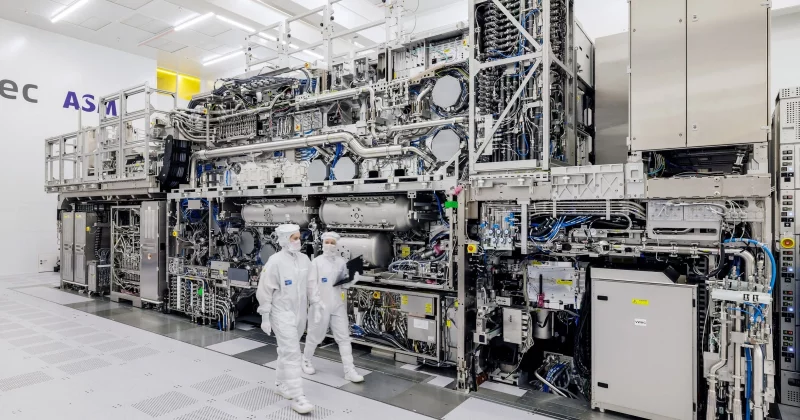
In order to grasp the significance of this particular partnership, it is important to understand that ASML of the Netherlands is not just a tech firm. It is the only company in the world to offer Extreme Ultraviolet (EUV) lithography systems, which are crucial for the production of advanced-node chips. All the world’s major semiconductor manufacturers – including Taiwan Semiconductor Manufacturing Co., South Korea’s Samsung, and the United States’ Intel – rely on ASML machines to manufacture their chips. There is no other supplier available.