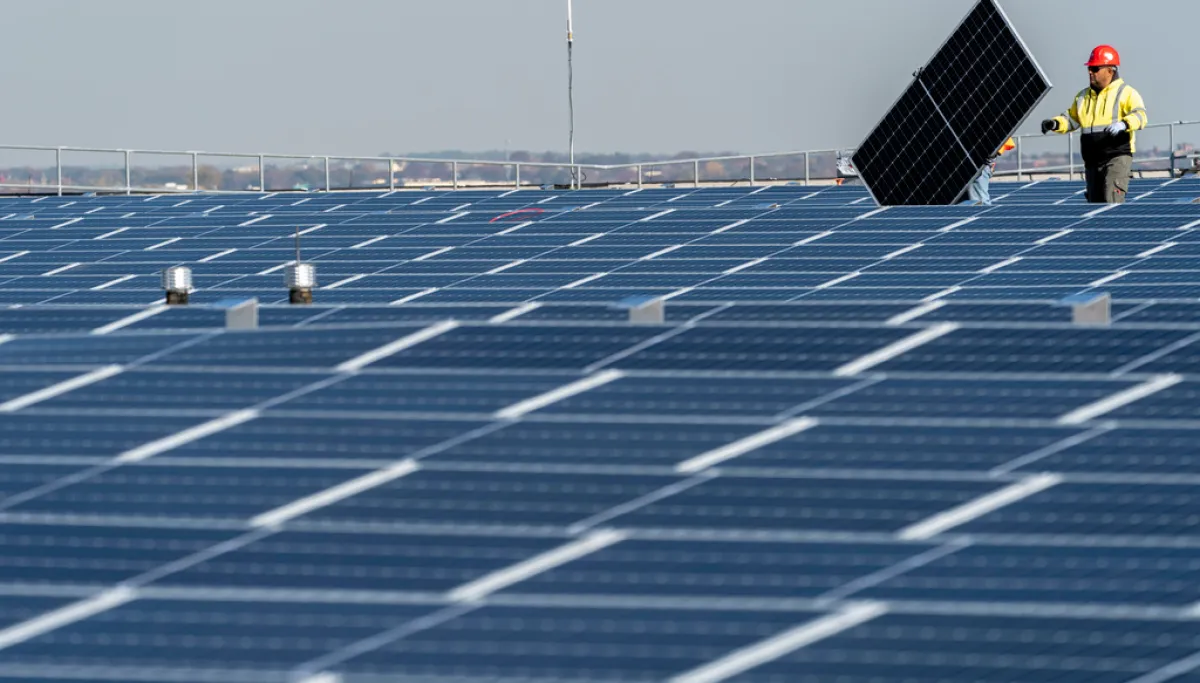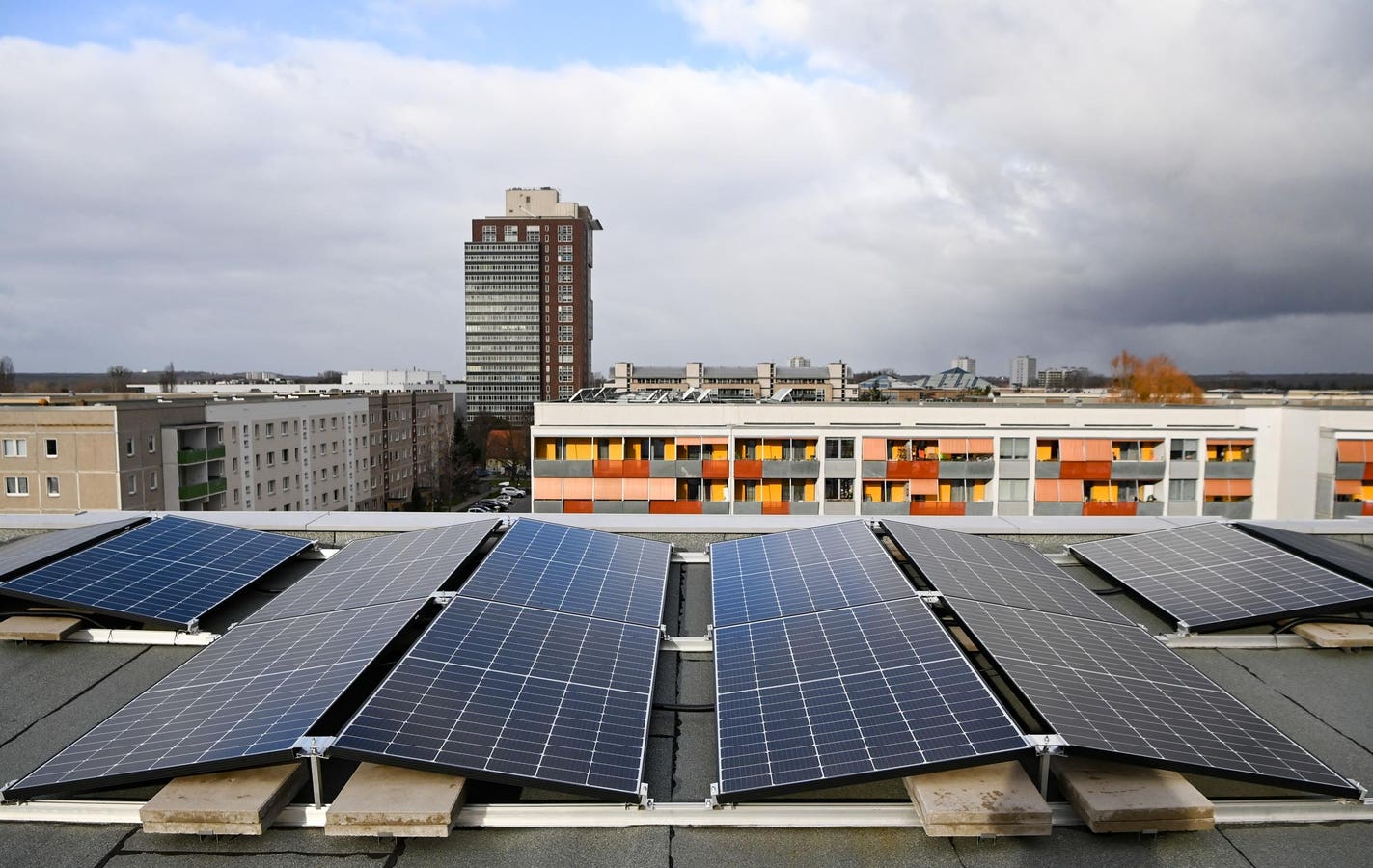
02 February 2022, Brandenburg, Potsdam: A photovoltaic tenant power system with 588 modules covering an area of 1055 square meters provide annual production of 200,000 kWh. Photo: Jens Kalaene/dpa-Zentralbild/ZB (Photo by Jens Kalaene/picture alliance via Getty Images)
... More
DPA/PICTURE ALLIANCE VIA GETTY IMAGES
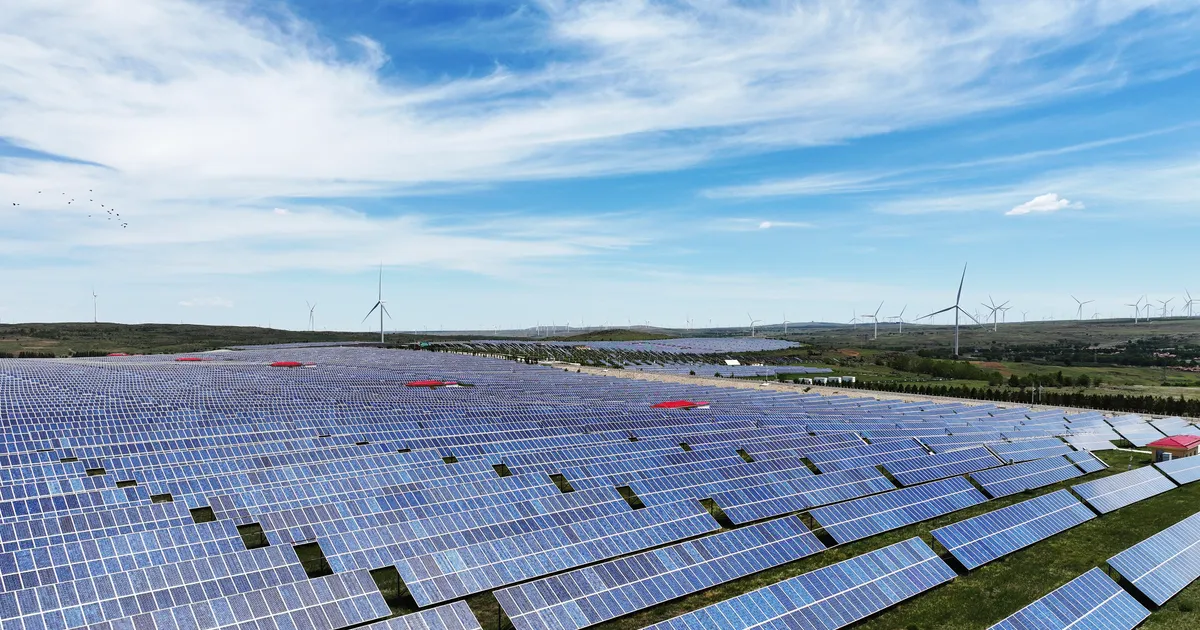
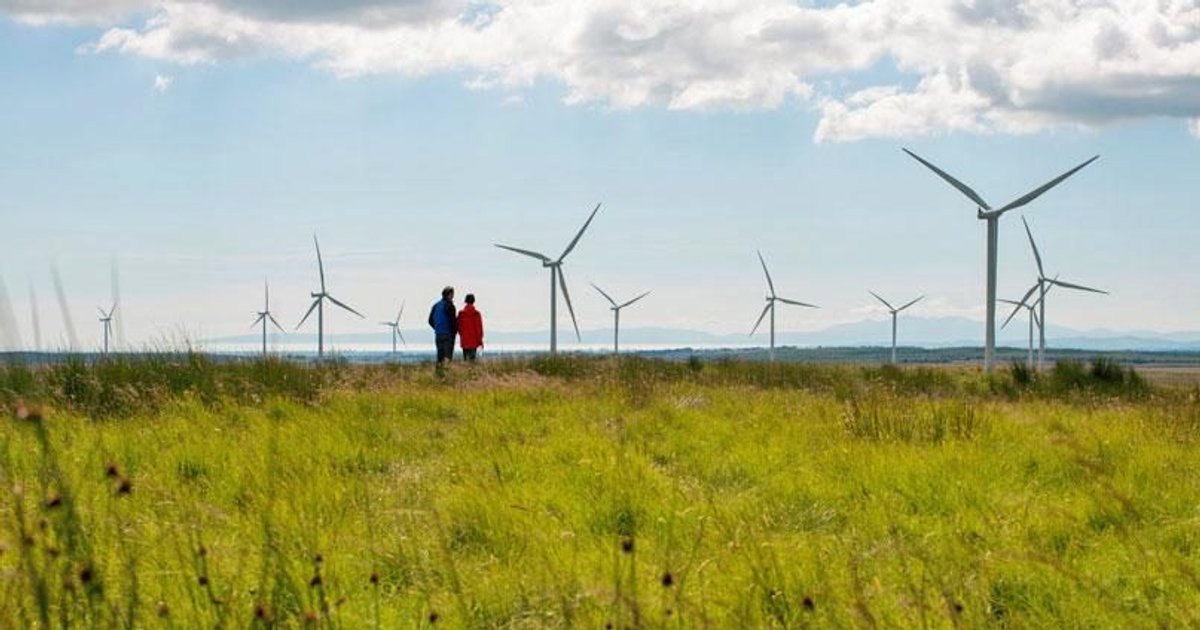
For decades, fossil fuels held one decisive advantage over renewable energy: reliability. Solar panels stop producing after sunset, and wind turbines slow down on calm days. Modern economies, critics argued, cannot run on intermittent power. But that assumption is breaking down faster than expected.
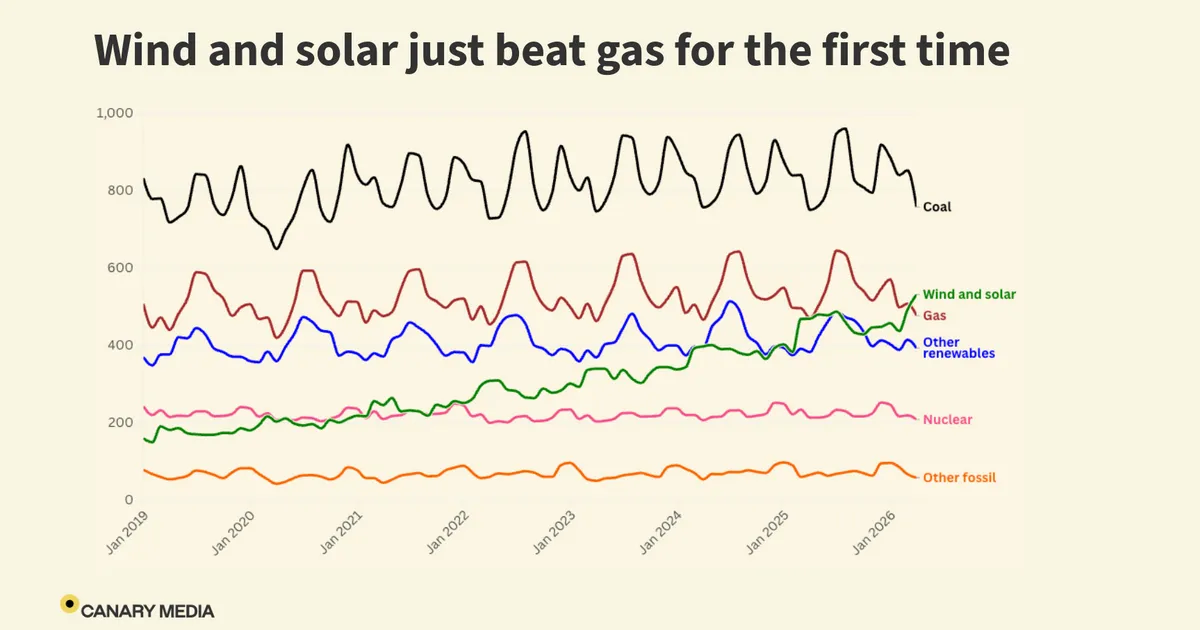
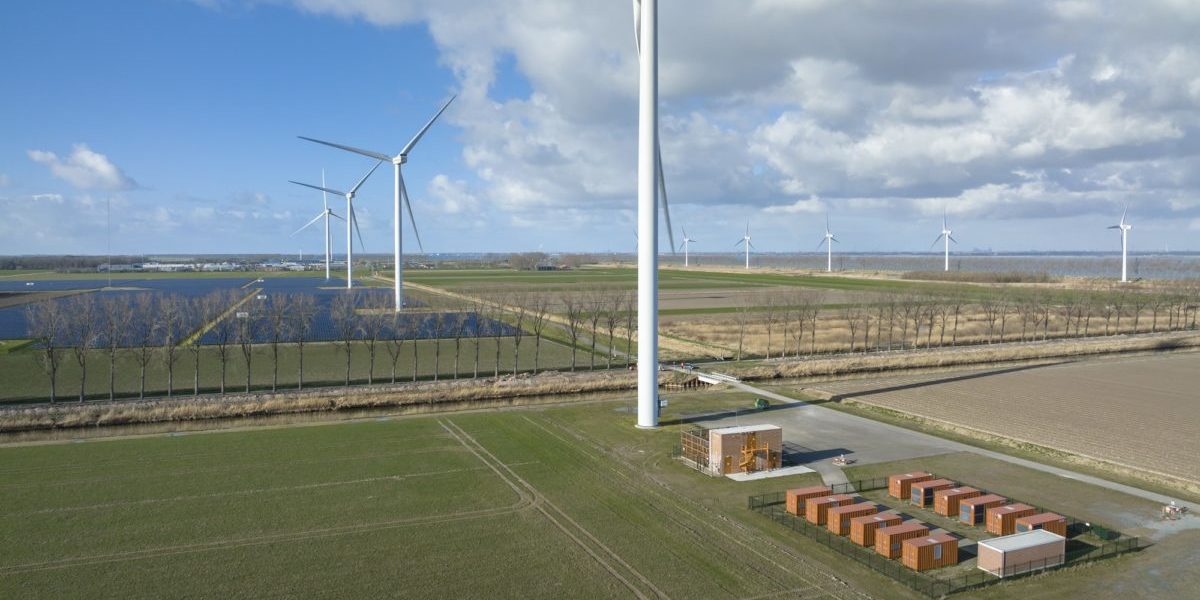
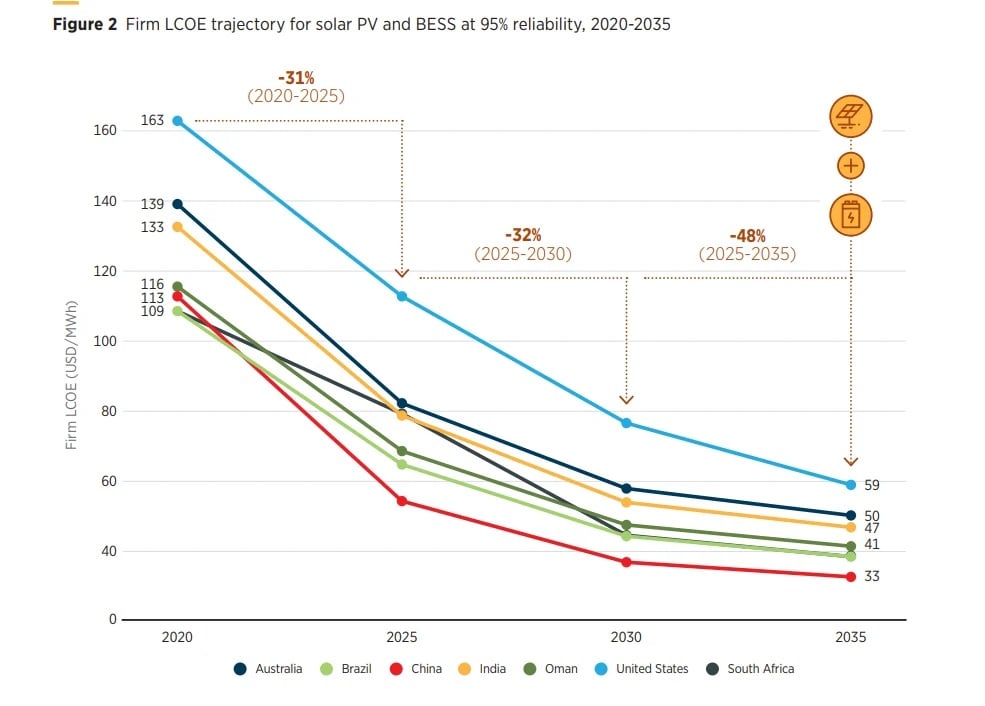
The International Renewable Energy Agency says the economics of energy systems are undergoing a structural shift. In a new analysis, IRENA concludes that solar and wind power paired with battery storage can now deliver round-the-clock electricity at costs competitive with—and, in many regions, lower than—those of coal and natural gas.