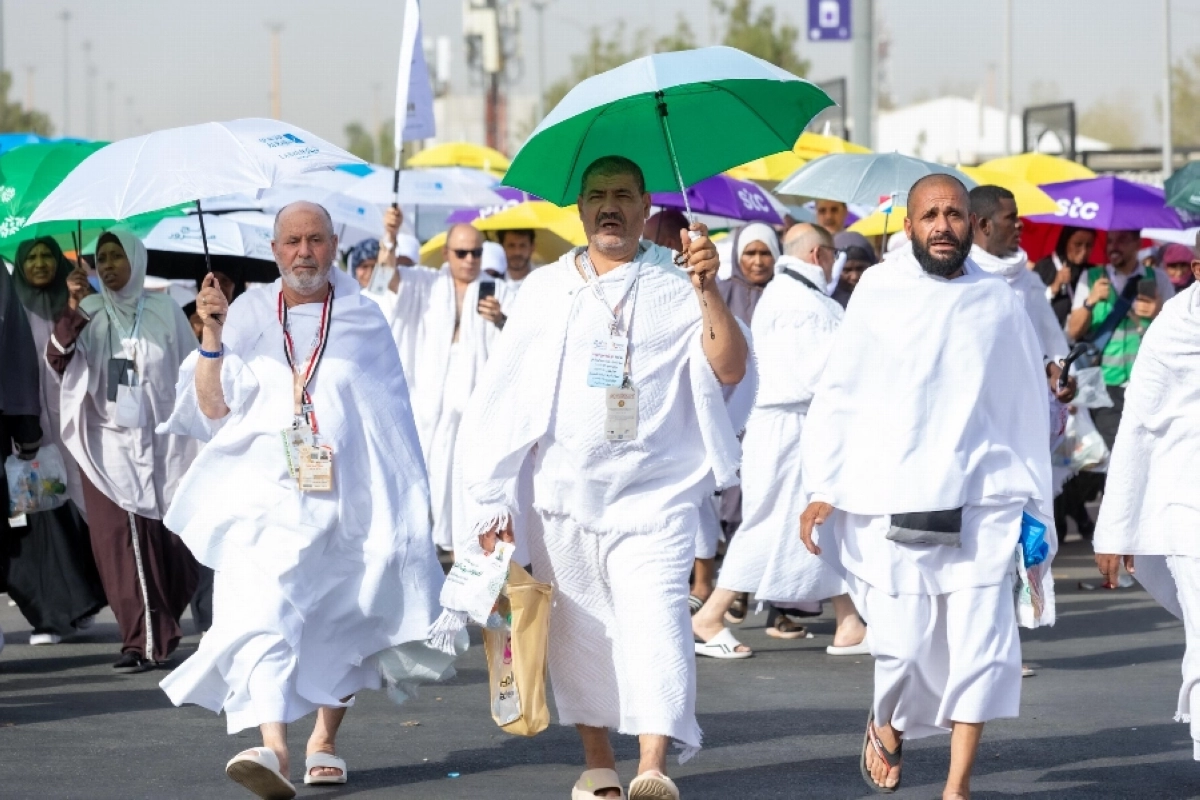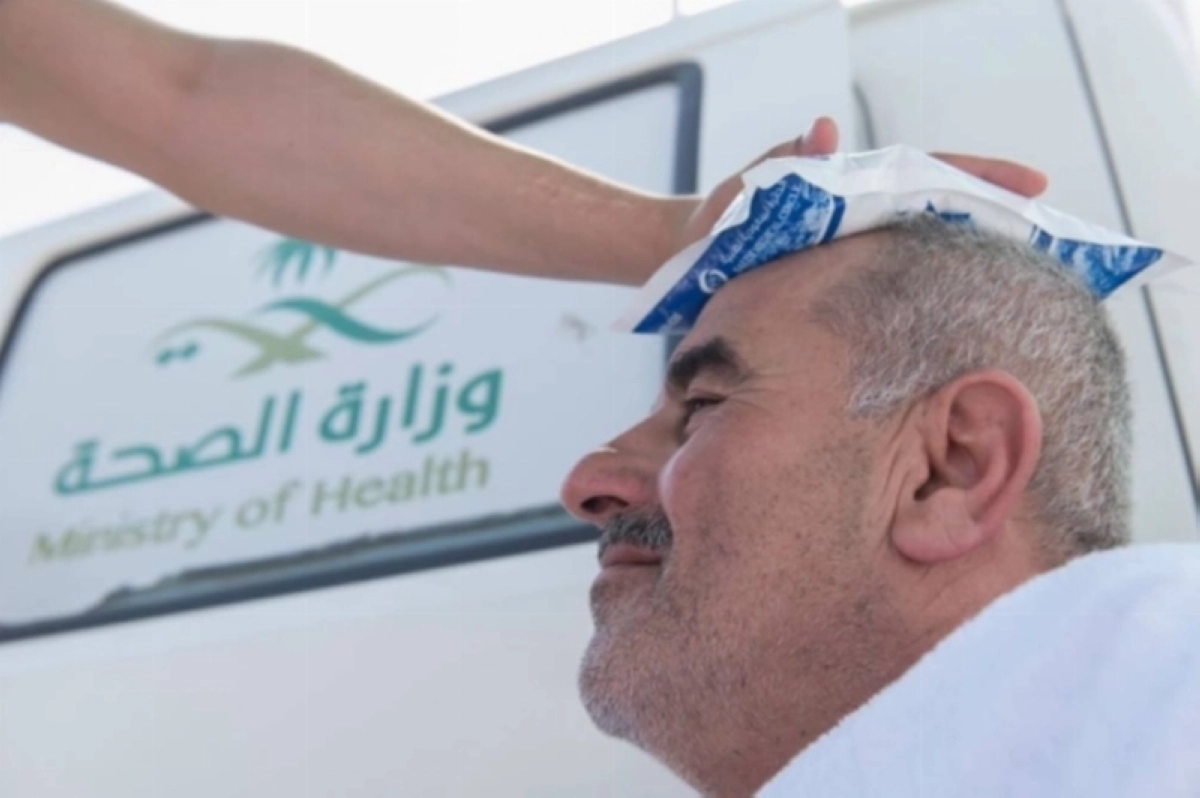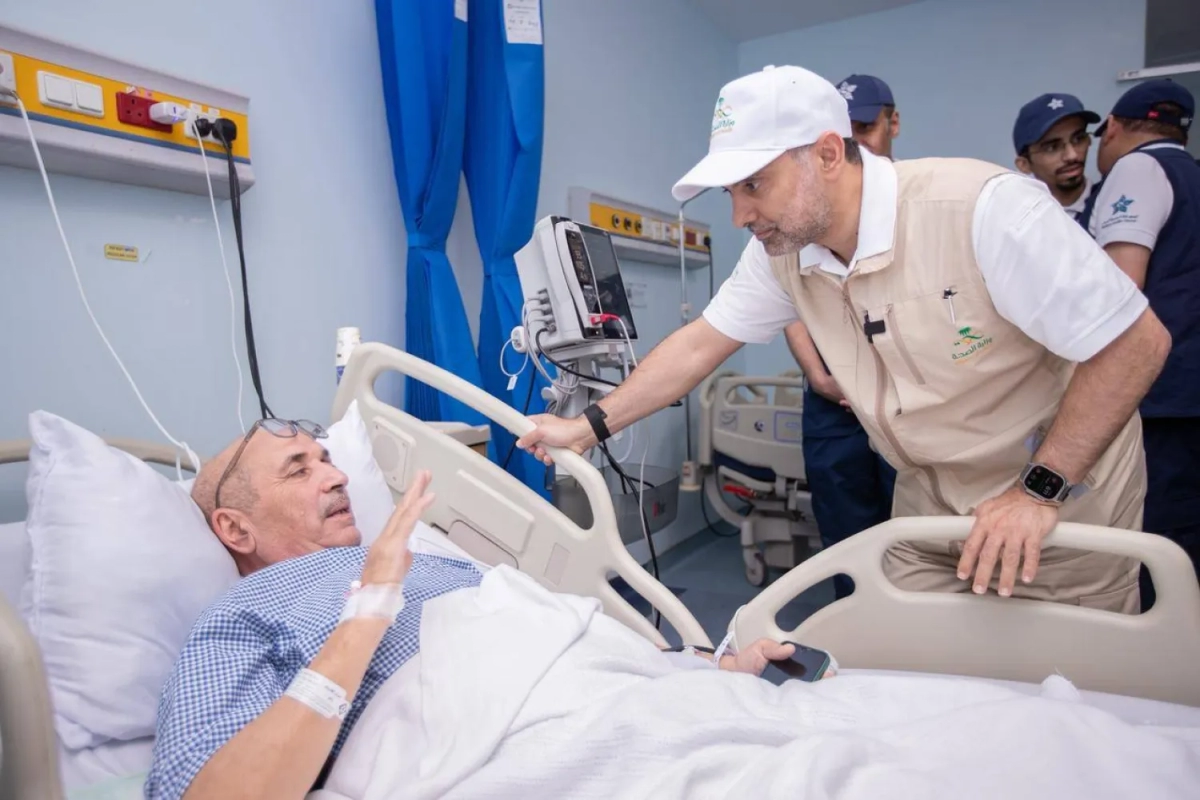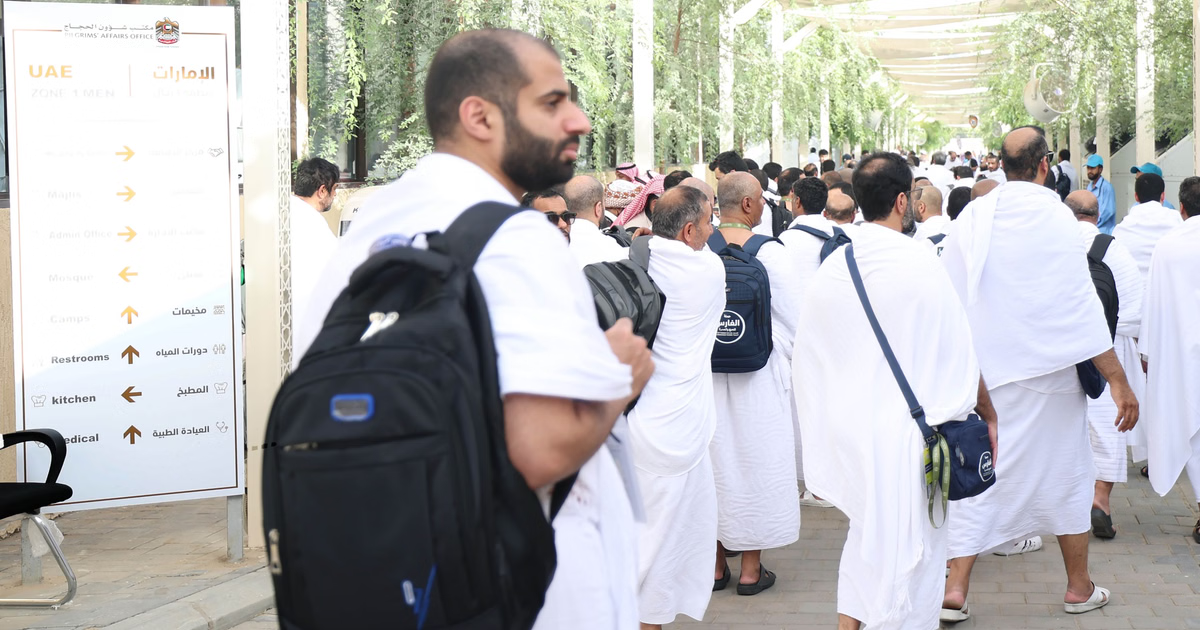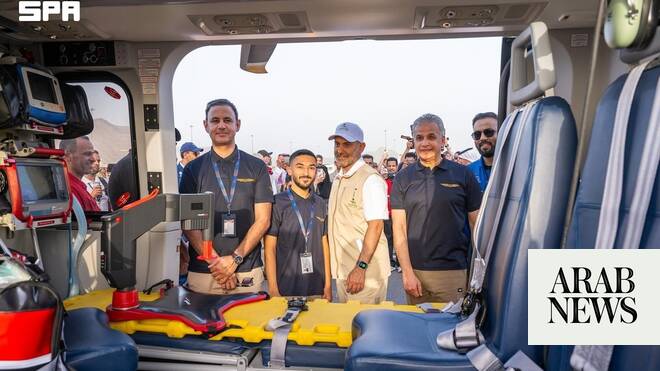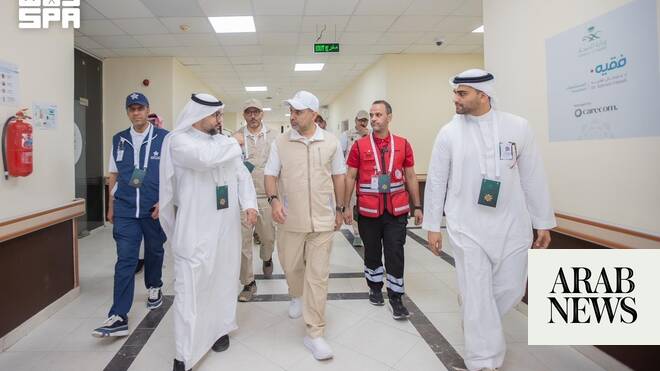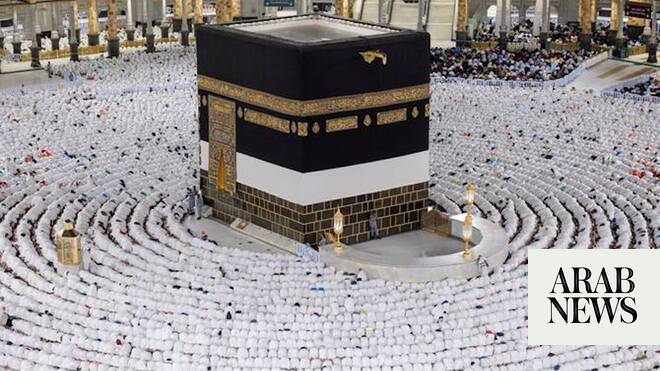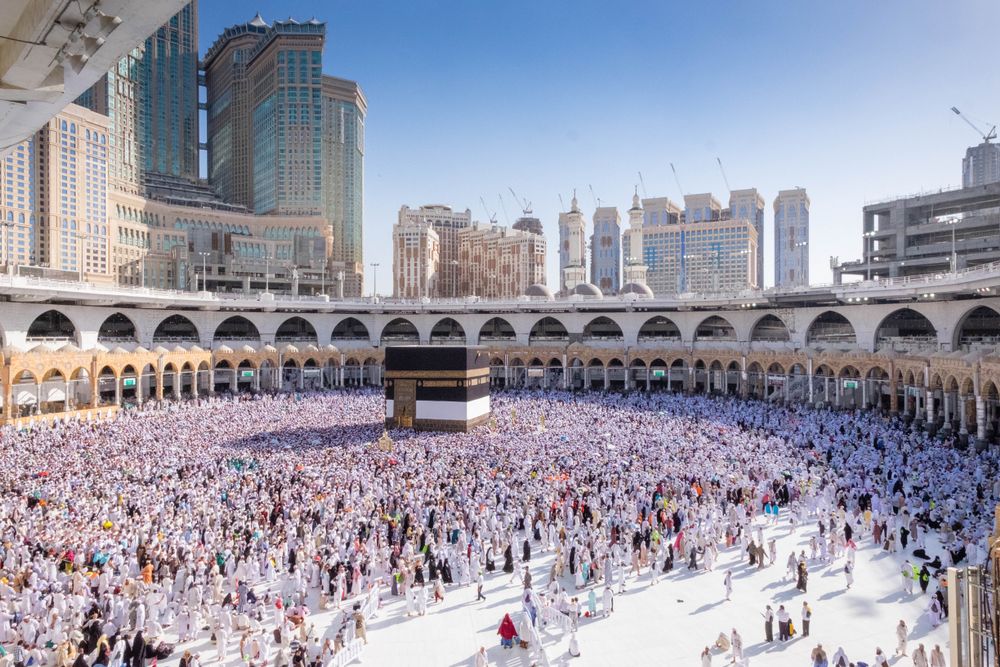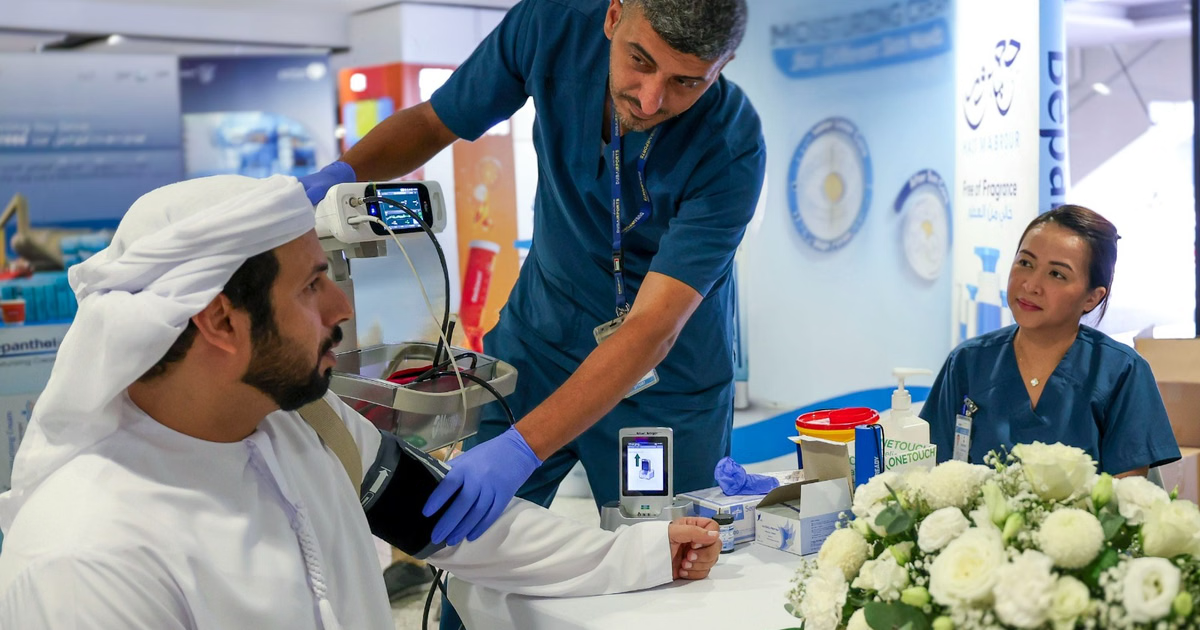
Dubai: The Ministry of Health and Prevention (MoHAP) on Wednesday confirmed that 100% of UAE pilgrims received all mandatory vaccinations for Hajj pilgrimage before departing. The achievement sits at the heart of the "Healthy and Safe Hajj" campaign, a coordinated push by MoHAP, health authorities and key partners to build a culture of community prevention and keep pilgrims safe at every stage of their journey. Mandatory vaccinations included the meningococcal vaccine, while recommended shots, particularly the seasonal flu vaccine and pneumococcal vaccine, were strongly encouraged, especially for those at higher risk of complications. Free medical screenings covering blood pressure and blood sugar checks were also made available, with the Imperial College London Diabetes and Endocrinology Centre in Abu Dhabi among the institutions lending support. The ministry said it paid particular attention to older adults, people living with chronic conditions and pregnant women who are described as requiring "exceptional attention" during the physically demanding pilgrimage. Emergencies rehearsedReflecting the mission's high level of readiness, its medical team conducted a practical simulation of the treatment process for pilgrims, capturing every stage from the moment a patient arrives at the clinic through triage—where cases are classified as minor, moderate, or critical—to the provision of appropriate care or referrals to specialised hospitals for cases requiring medical intervention.This included simulating procedures for transporting patients to specialised hospitals in Makkah using fully equipped ambulances staffed by qualified medical personnel, ensuring rapid and safe care, the ministry said.These procedures are to be repeated at the mission's fixed and mobile clinics in Arafat, Muzdalifah, and Mina, thereby enhancing readiness and improving the efficiency of the medical response, it pointed out.Clinics ready in Makkah On the ground in Makkah, the UAE medical mission wasted no time activating its field plan. Clinics have been stocked with medicines, equipment and supplies across Makkah and the Holy Sites. Pilgrims had already been screened and categorised by certain health conditions before departure, allowing medical teams to tailor their care from the moment pilgrims arrived. 10 rules to stay well MoHAP has been pushing health guidance through digital platforms, mobile apps, and SMS messages throughout the season. Its ten key guidelines urge pilgrims to wash hands regularly with sanitiser, wear face masks in crowded spaces, stay hydrated, avoid direct sun exposure, stick to treatment plans for chronic conditions, wear comfortable footwear to prevent blisters, and get enough rest while eating a balanced diet. Flagging heat exhaustion, dehydration, skin abrasions and foot injuries as the most common health risks during Hajj, the ministry urged pilgrims to take preventive measures seriously to protect themselves and those around them. Care after coming home The support does not stop when pilgrims land back in the UAE. MoHAP confirmed that health follow-up programmes and check-ups will be offered to returning pilgrims, with the goal of catching any complications early and delivering timely care. The ministry outlined four core objectives underpinning this post-Hajj phase: continuity of care, early detection of complications, promotion of preventive awareness, and a reduction in emergency visits through early intervention. Electronic medical records are being implemented to ensure smooth access to health data, while high-risk cases will be monitored by specialised medical committees. Planning necessary medications and treatments, the ministry said, began well before departure, cementing what officials describe as an integrated system built not just for this season, but as a model of preventive healthcare for years to come.
UAE simulates health emergencies as ministry ensures every Hajj 2026 pilgrim is vaccinated
UAE ensures all Hajj 2026 pilgrims are fully vaccinated, with health simulations, screenings and post-trip follow-up to guarantee a safe, healthy pilgrimage to Makkah
563 words~3 min read