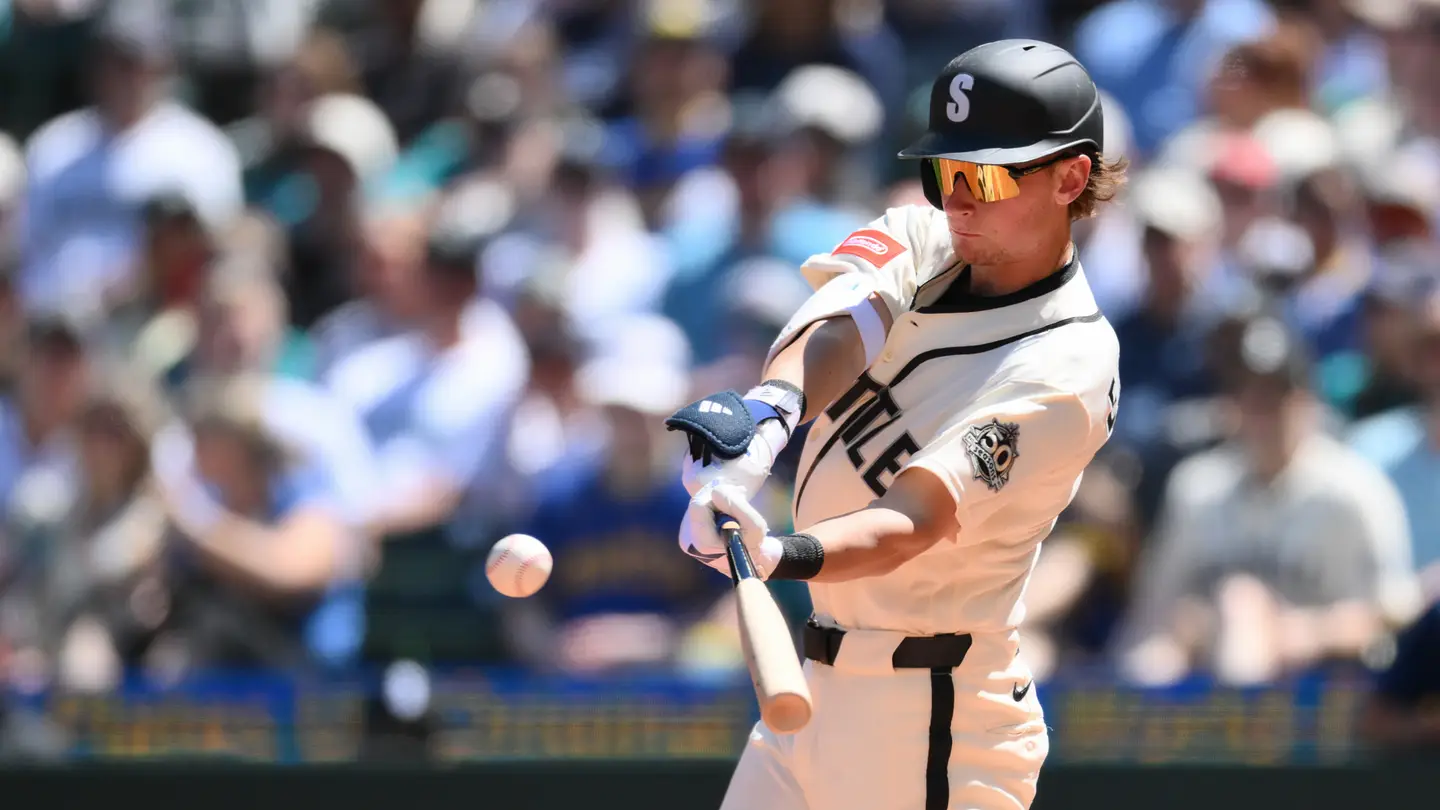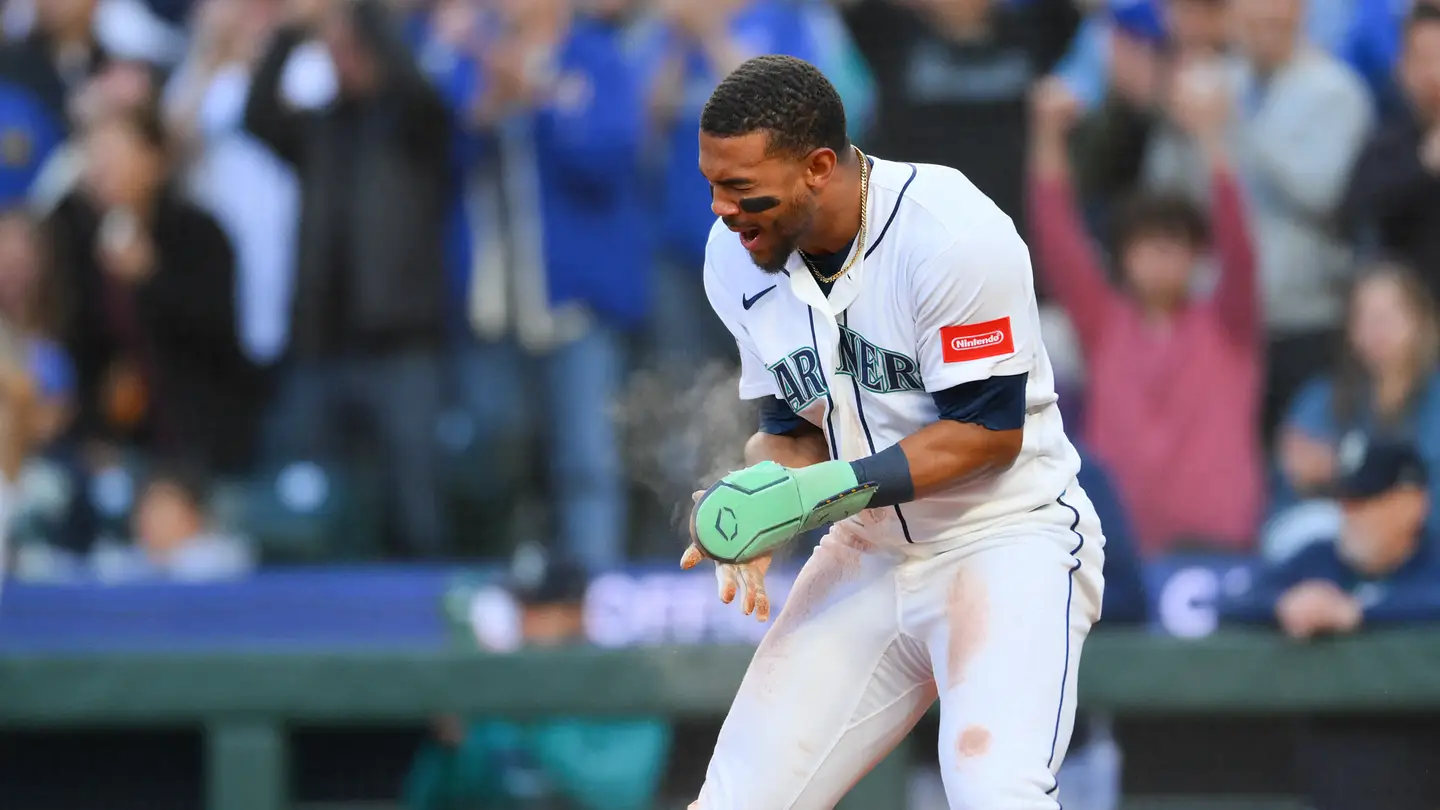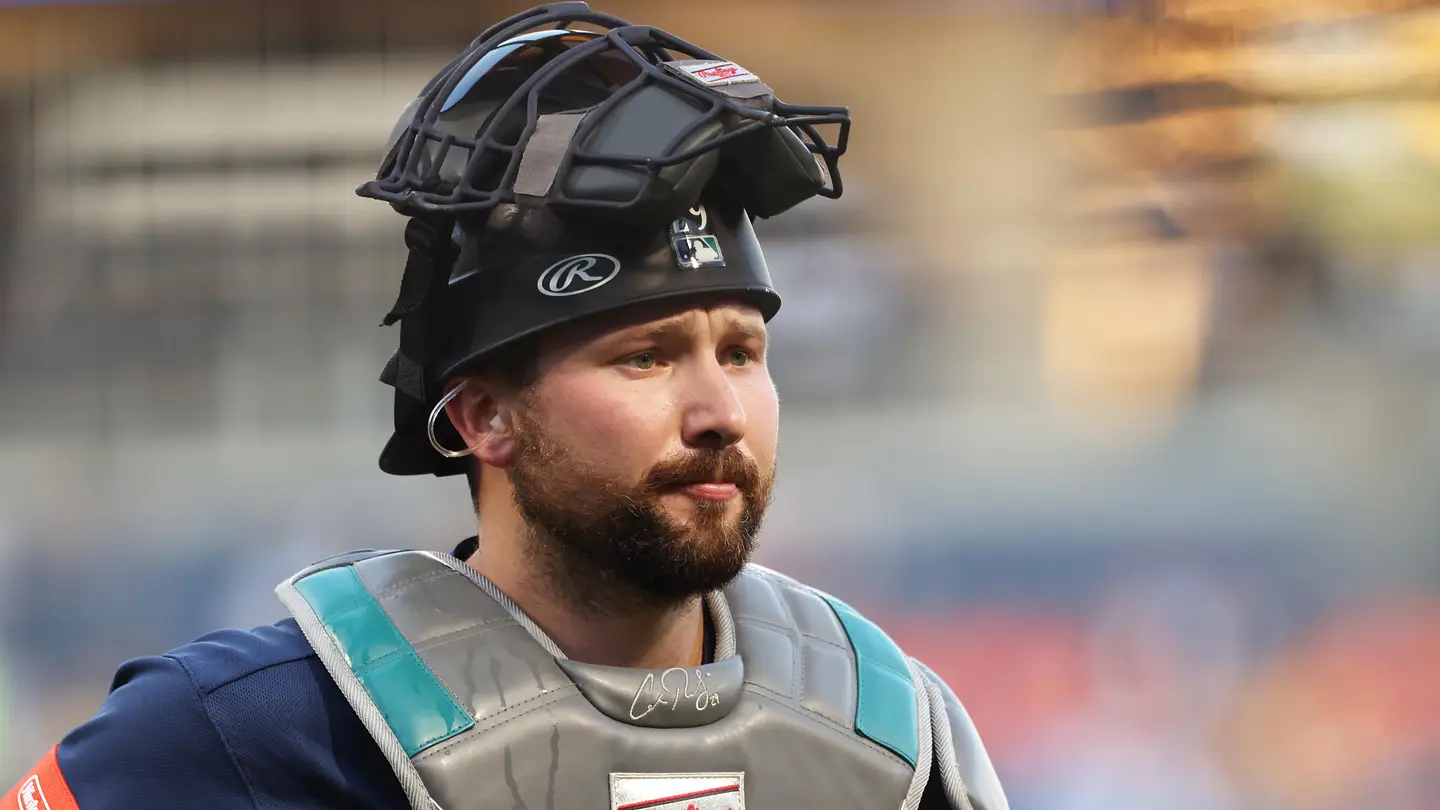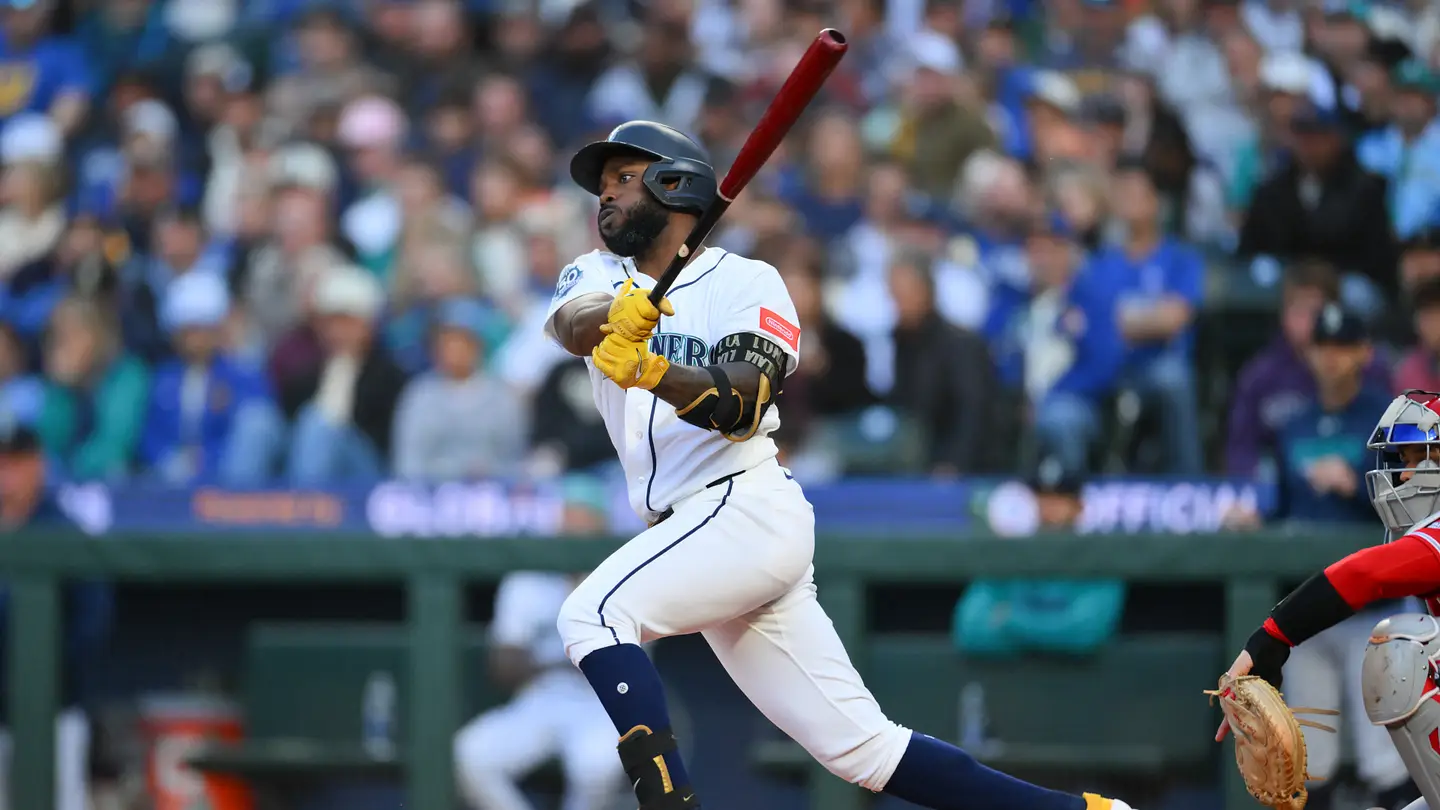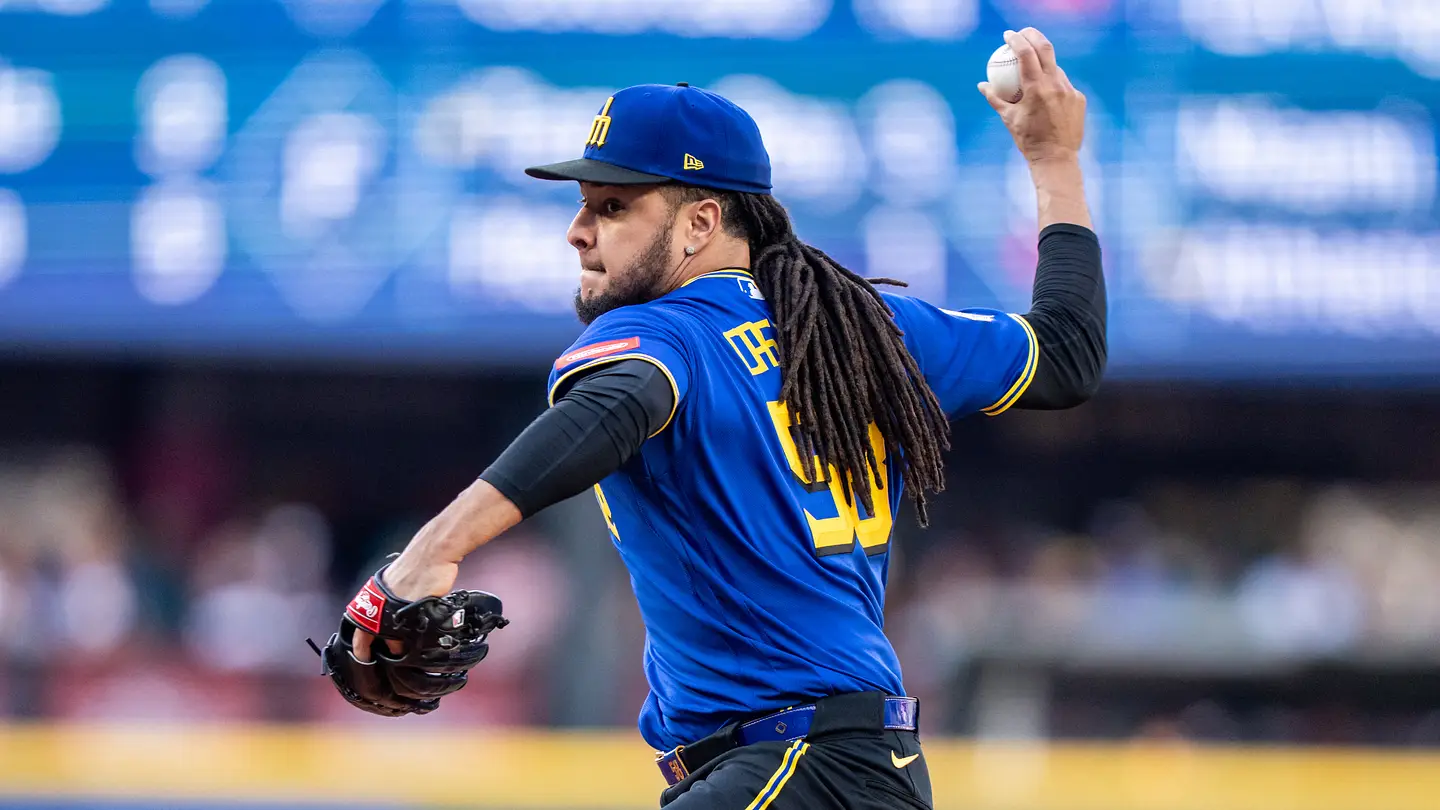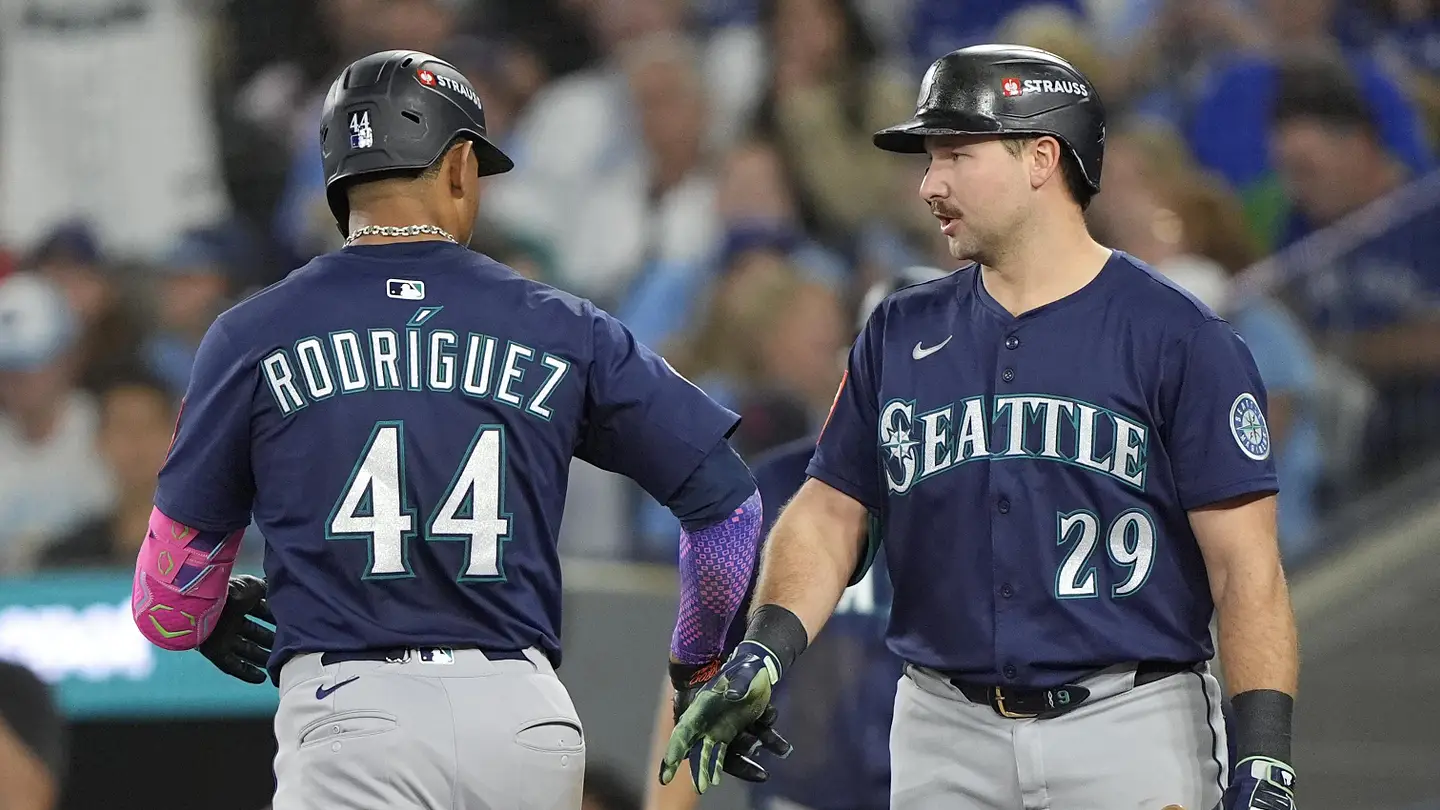
The Seattle Mariners are running out of reasons to keep treating the future like it lives somewhere off in the distance. That is the uncomfortable part of having a real core. It sounds like a good problem, because it is. But it’s still a problem in the sense that it changes the standard. Once a team has enough foundational pieces lined up, patience starts sounding like an excuse.The Mariners are getting dangerously close to that point. Julio Rodríguez is not going anywhere. Cal Raleigh is locked in. Josh Naylor is locked in. Cole Young is already part of the major league roster. Now Colt Emerson is here, and the Mariners have already made a massive long-term bet on him.That gives Seattle something it has not always had during this era: a position-player core with actual staying power.Rodríguez’s long-term extension guarantees him through 2034, with options that could stretch the deal even further. Raleigh’s six-year extension runs through 2030, with a vesting player option for 2031. Naylor’s five-year deal keeps him in Seattle through 2030. Emerson’s record extension runs through 2033, with a club option for 2034. Young doesn’t have the same long-term extension, but under standard MLB team-control rules, he should be part of Seattle’s controllable group for years after debuting in 2025. That is a real timeline. And once a timeline becomes this clear, the conversation has to change.For years, the Mariners could sell hope in pieces. They could point to the pitching pipeline and Rodríguez’s superstar upside. Then point to the next wave and ask everyone to see the big picture forming.Julio Rodríguez, striking first ... No. 8 of the season.Exit velo: 104.3 mphLaunch angle: 25°Distance: 396 ft.Hang time: 5.1 seconds pic.twitter.com/DSQrZJm1im— Daniel Kramer (@DKramer_) May 19, 2026The Mariners Have Enough Core Talent to Raise the StandardThis is where the Mariners have to be careful. A promising core is not the same thing as a complete roster. But those five names can change the expectation.When a team has Rodríguez, Raleigh and Naylor all aligned through at least 2030, it’s not unreasonable to expect urgency around them.It means recognizing what the roster is saying. The Mariners have spent most of this window trying to thread the needle between present contention and future sustainability. There’s logic in that. There’s also a point where balance can become paralysis. Seattle has too much top-end pitching and too much long-term contract certainty to keep framing every season as a test run for the next one.Seattle doesn’t need to act desperate or be overly aggressive. But most aggressive teams understand when the window has moved from theory to reality. The Mariners are closer to that second group than they have been in a long time. And that is why this core matters beyond the feel-good part.That should matter even more after this season. If the Mariners are serious about treating this as a real five-year window, they cannot stop at being pleased with the names already in place. They have to be willing to add around them. That can mean pushing harder in free agency than this front office has usually preferred, especially after Josh Naylor’s deal already showed what it looks like when Seattle identifies a bat it badly wants and actually finishes the job. Naylor’s contract was Jerry Dipoto’s largest free-agent deal for a position player with the Mariners by a wide margin, which only makes the next step more interesting. It can also mean using the trade market the way Seattle has always liked to use it, only with a different level of urgency. The goal should not be another temporary patch or another veteran who makes sense only if everything breaks perfectly. It should be controllable, MLB-ready talent that lines up with Rodríguez, Raleigh, Naylor, Young and Emerson. The Mariners have already built the spine of a long-term roster. Now the job is to make sure the pieces around that spine are good enough to turn stability into something louder.Add us as a preferred source on GoogleFollow
Mariners’ Long-Term Core Puts Uncomfortable Pressure on Seattle’s Future
The Seattle Mariners are running out of reasons to keep treating the future like it lives somewhere off in the distance. That is the uncomfortable part of havin
667 words~3 min read