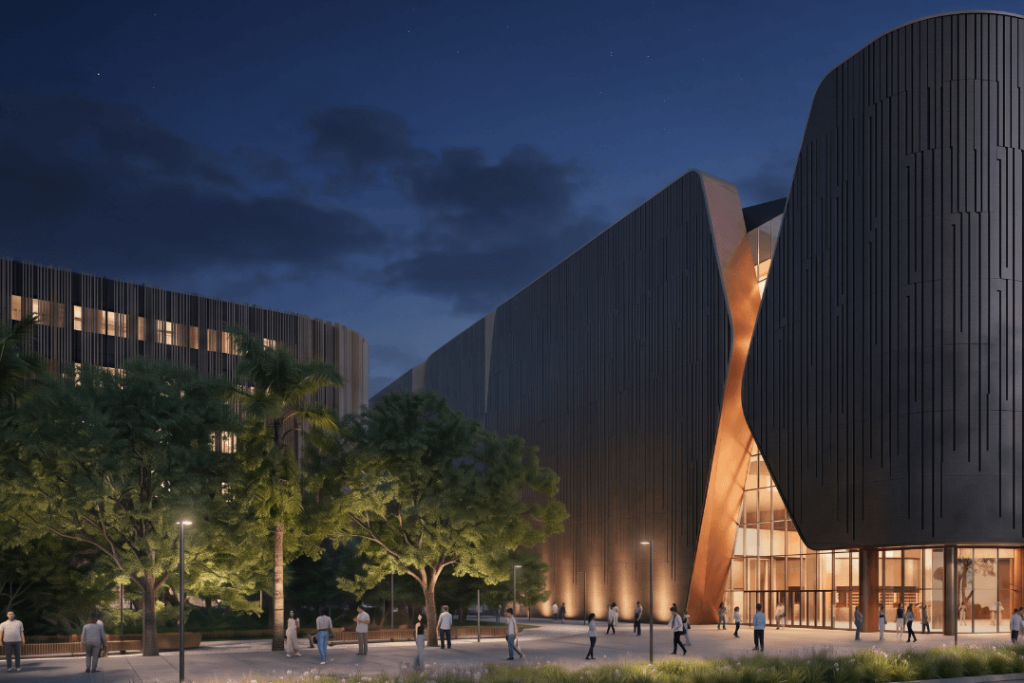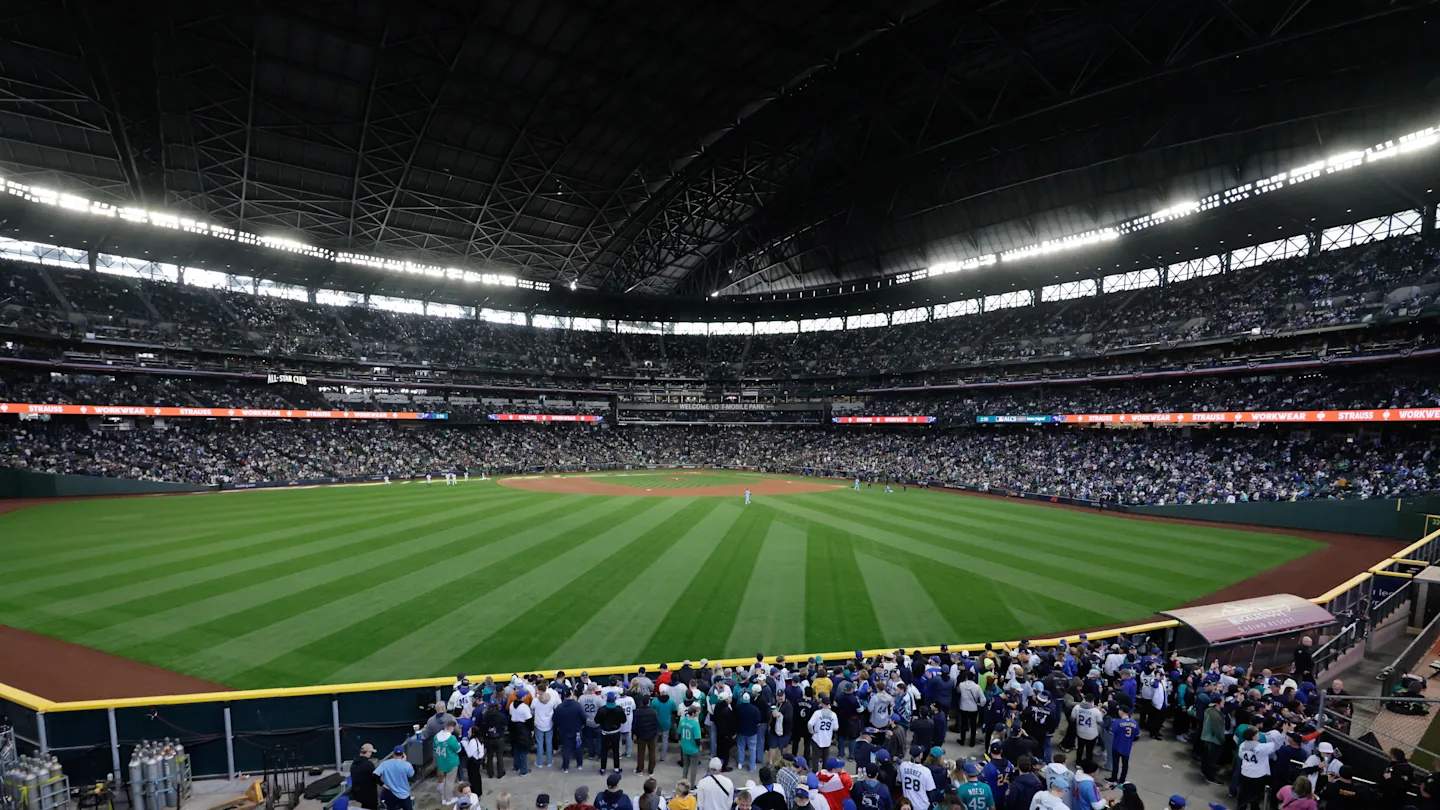
Live Nation is planning a major new concert venue across the street from T-Mobile Park, and the Mariners’ ownership group is right in the middle of it. Live Nation and First Avenue Entertainment, the limited partnership that owns the controlling stake in the Mariners and holds a long-term lease on the property, are teaming up on a 5,500-capacity venue at The Boxyard complex on First Avenue South. The venue is expected to open in 2029 and will be built at the site of the old Pyramid Brewery, which the team redeveloped in 2021.This is another sign that the people around the franchise see T-Mobile Park as something larger than a baseball building. The stadium is the anchor. The land around it is the opportunity. And The Boxyard, little by little, is becoming the most obvious proof that the Mariners’ orbit is expanding beyond 81 home dates.The new venue will be connected to the existing Victory Hall space, which has already hosted dance music events through Live Nation’s Insomniac Events. Eventually, that space will become the lobby and entry point for the larger concert hall. The venue is expected to handle both seated and general-admission shows, with a multilayered design aimed at better sightlines and a more modern touring setup.In normal-person terms: this is going to be more than an empty warehouse with a stage slapped into it.Seattle already has plenty of event spaces that can technically host shows. The question is whether they are actually built for the kind of artists who have outgrown theaters but are not quite filling arenas. That’s the lane Live Nation appears to be targeting here. Acts too big for the Paramount Theatre, not quite right for Climate Pledge Arena, and maybe tired of playing rooms that feel like they were designed by someone who viewed acoustics as a rumor.Seattle Mariners and Live Nation are building a new concert venue near T-Mobile Park https://t.co/MNngJ5HBHF pic.twitter.com/FOc2OdvACB— KIRO 7 (@KIRO7Seattle) May 14, 2026The Mariners Are Building A Ballpark District, Not Just A Baseball HomeThe Boxyard already includes Hatback Bar & Grille, Steelhead Alley and Victory Hall. Those spots operate independently from the Mariners, even with shared ownership connections, but let’s not pretend the geography is a minor detail. This is across the street from T-Mobile Park. It’s part of the same game-day ecosystem. It’s where fans gather, eat, drink, wander, wait out traffic and turn a baseball night into something bigger than nine innings.Now add a 5,500-capacity concert venue to that footprint. That’s how a stadium district starts feeling like an actual district.Not every franchise gets a Wrigleyville or a Fenway-style neighborhood with its own gravity. T-Mobile Park has always had one of the better in-stadium experiences in baseball, but the area around it hasn’t always carried that same pull. It can be great on game days and strangely empty when nothing is happening. SODO has the bones of an entertainment zone, but it has never consistently felt like one unified destination.The Mariners-connected group is not just trying to benefit from crowds that already show up. It’s helping create more reasons for people to be there in the first place. Concerts. Restaurants. Events. Block parties. A venue that could bring traffic to the neighborhood on nights when the Mariners are on the road or the season is over.There is also a baseball-adjacent tension baked into this. Fans are always going to watch ownership through the lens of ambition. When the group connected to the Mariners helps drive a major entertainment development across the street from the ballpark, people are naturally going to ask what that says about the bigger direction of the organization.Those conversations can get carried away fast. Different entities, different budgets, different business models. But fans are allowed to notice ambition when they see it.The Fenway comparison makes it even clearer. Live Nation’s Jeff Trisler said the idea came after company discussions about MGM Music Hall outside Fenway Park, which opened in 2022. He later realized The Boxyard could support something similar. Not identical, but similar enough in concept: take a ballpark-adjacent space and turn it into a year-round entertainment asset.By 2029, the Mariners’ neighborhood could look different. Not unrecognizable, but more intentional. More connected to Seattle’s entertainment calendar. Maybe a little more chaotic on overlapping event nights. But if the vision works, the tradeoff is obvious.Add us as a preferred source on GoogleFollow
Mariners’ New Live Nation Partnership Hints At Bigger Ambitions Around T-Mobile Park
Live Nation is planning a major new concert venue across the street from T-Mobile Park, and the Mariners’ ownership group is right in the middle of it. Live Nat
729 words~3 min read