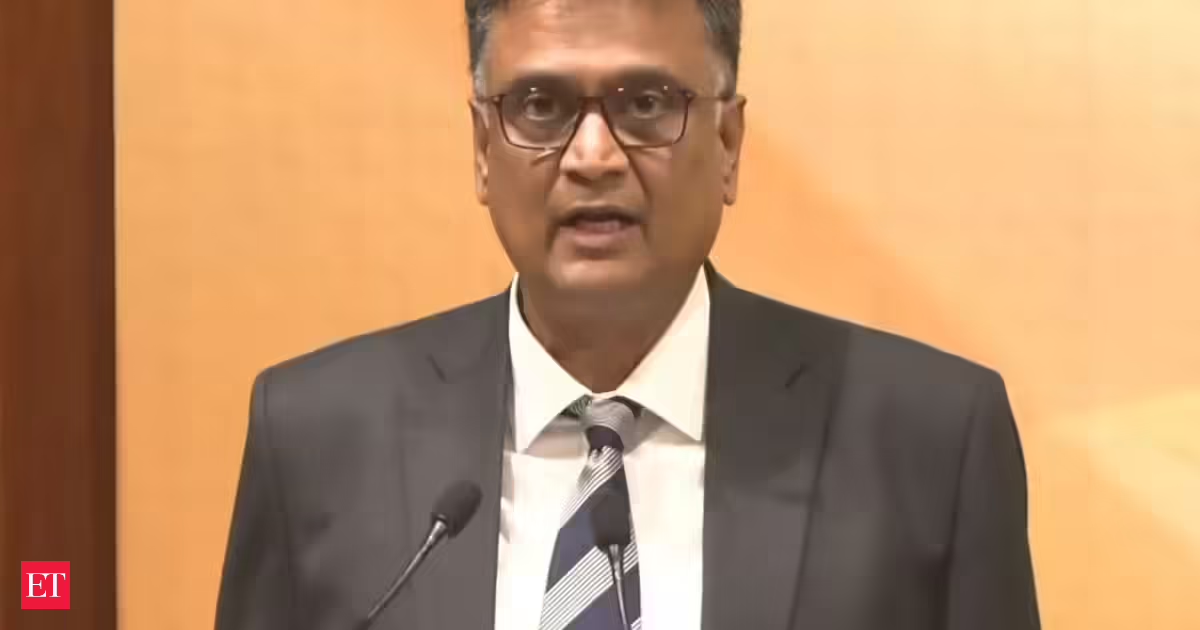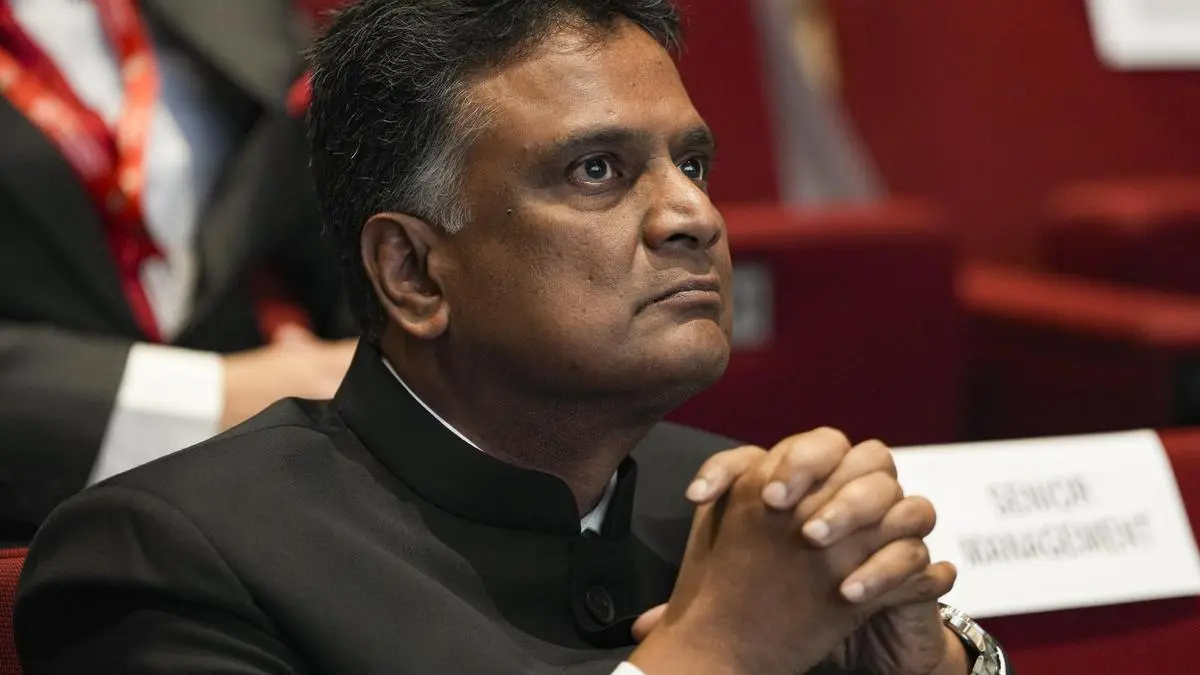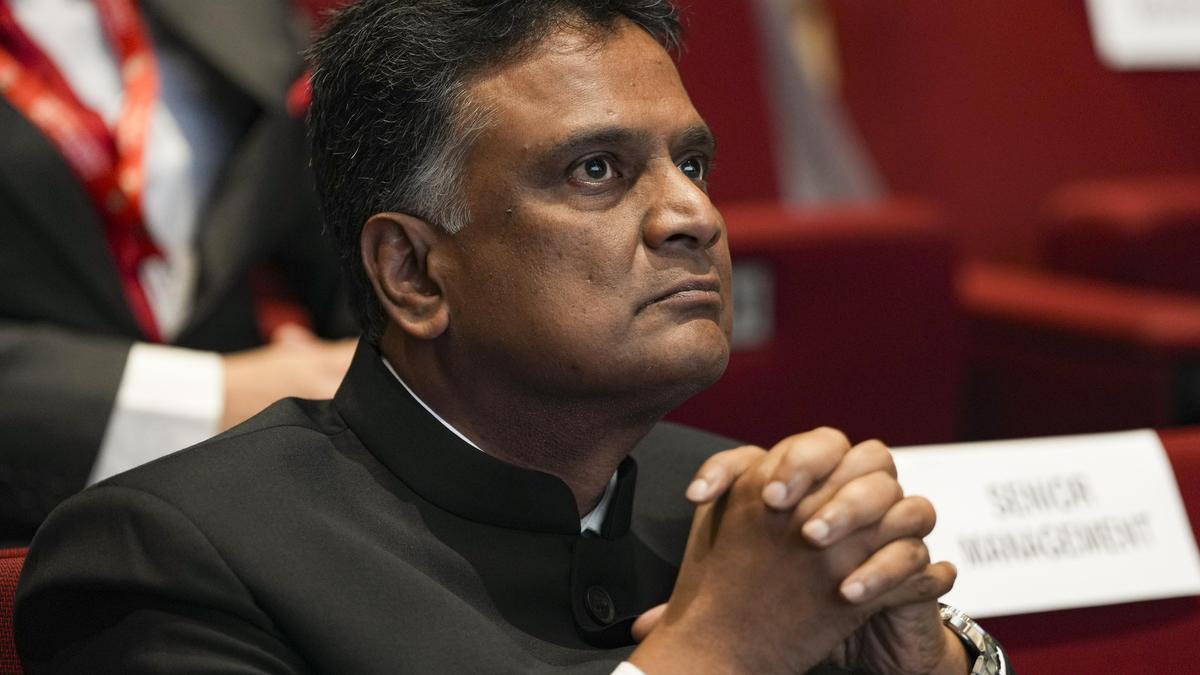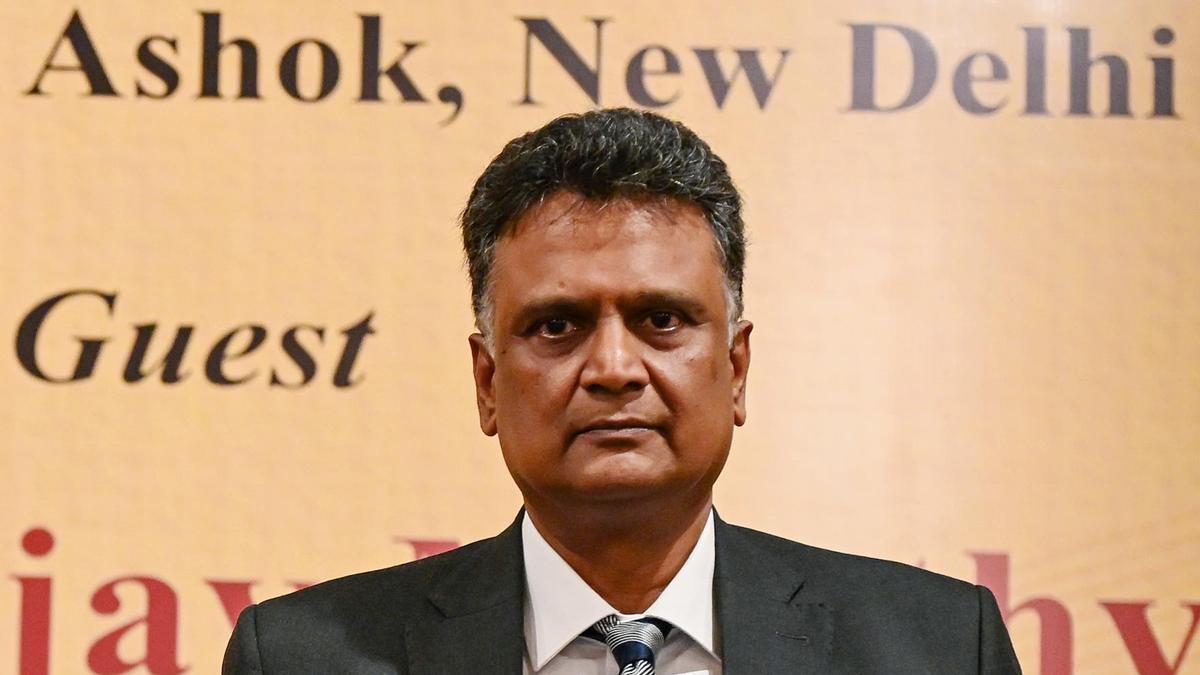
Comptroller and Auditor General K Sanjay Murthy released a booklet on advocacy during the Competition Commission of India's 17th annual day in New Delhi on Wednesday
| Photo Credit:
The Comptroller & Auditor General (C&AG) on Wednesday unveiled four initiatives which the Competition Commission of India (CCI) can use to strengthen its functions.These initiatives include digital market intelligence, procurement analytics, strengthening public procurement and capacity building and knowledge exchange. “All these steps taken together, we feel can provide critical inputs for CCI to discharge its huge responsibility,” K. Sanjay Murthy, Comptroller and Auditor General (CAG) of India, said at the CCI Annual Day event here.Future roadmapsTalking about digital market intelligence, he said that CAG’s future roadmaps include secure analytical interfaces between Digital Public Infrastructure (DPI) platforms, public databases, and sectoral regulatory datasets. “For this, our audit teams are being trained to handle metadata analytics, interoperability audits, detailed mapping of platform dependencies, etc,” he said.On the issue of procurement analytics, Murthy said the CAG offices are progressively working towards integrating data across platforms such as GeM, CPPP, PFMS, WAMIS, e-procurement portals of States/UTs/CPSEs, etc. “We will leverage this integrated data – and use tools like anomaly detection, predictive risk scoring models, and network analysis for mapping pan-India procurements,” he said while adding that modernised audit systems will identify repeated bid rotations, suspicious clustering of vendors, abnormal pricing similarities, concentration of awards, and patterns of limited competition across tenders, faster and more efficientlyGoing forward, “our vision is to enable near real-time identification of procurement concentration and cartel-risk indicators. Future audit analysis may eventually generate dynamic competition-risk heatmaps across sectors, geographies, and contractor ecosystems,” he said.Talking about capacity building and knowledge exchange, CAG explained that the future of governance will increasingly depend on data science, AI-driven anomaly detection, forensic analytics, and integrated market intelligence. Accordingly, “our vision is to introduce institutional reskilling for auditors in AI, ML, etc. and improve the domain knowledge of our officers in this rapidly evolving environment,” he said.Further, with improved capabilities, CAG hopes to build deeper analytical prowess to assess GST systems, FASTag and logistics datasets, mining dispatch systems, power exchanges, transport networks, public procurement repositories, etc. “These will significantly strengthen evidence-based competition inputs for relevant stakeholders,” he said.Procurement ReformsHe also highlighted that his organisation is working towards strengthening the public procurement system by facilitating better decision-making to provide insights and improved outcomes. With this objective in view, the CAG’s Office has constituted a working group on procurement in consultation with NITI Aayog and DoE (MoF) and initiated discussions since April 2025. The focus is on the transformation of traditional approaches to audit and to enable timely and transparent decision-making by procurement officials.“Till now, three guidelines and audit advisory are already issued on the Universal Central Vendor Registry, Practice of cancelling and re-tendering an ongoing tendering process and timely Payment to Contractors/PPP Concessionaires,” he said.He advised CCI to measure its success in terms of forward-looking. Every investigation it conducts, every order it passes, and every market study it undertakes must be assessed not only by the standard of legal correctness but by the standard of developmental impact — “does this make a market more competitive, more accessible, more innovative? Does this advocacy intervention remove a structural barrier that was preventing Indian firms from growing?” he said.Published on May 20, 2026