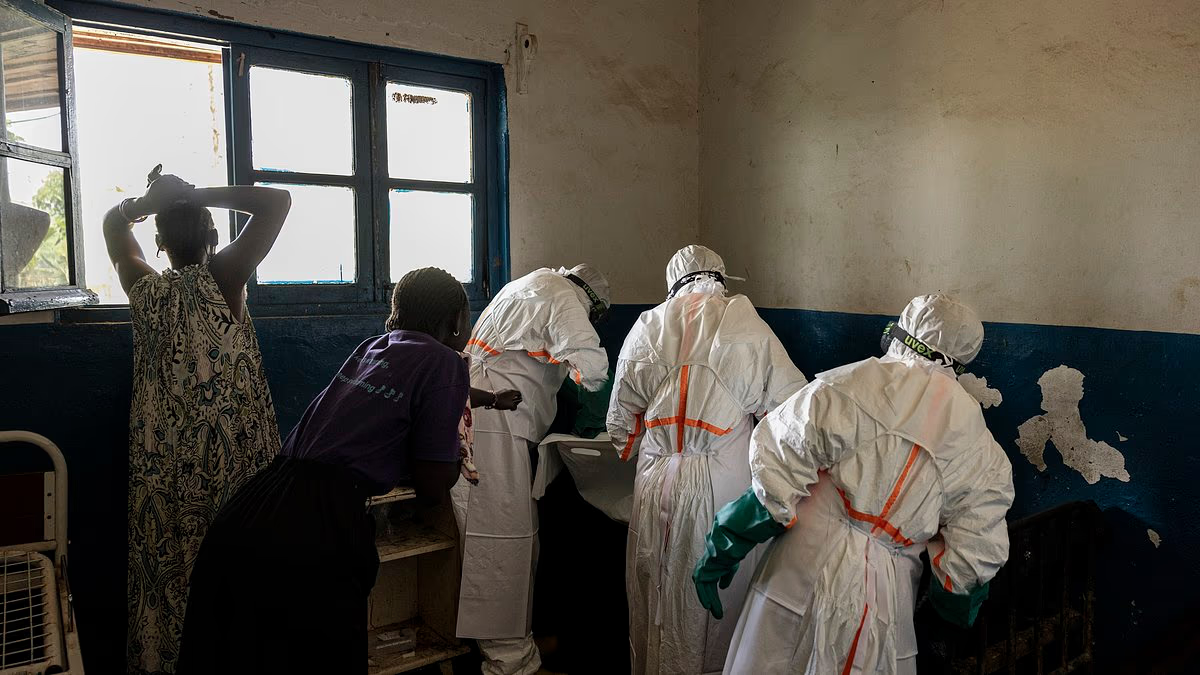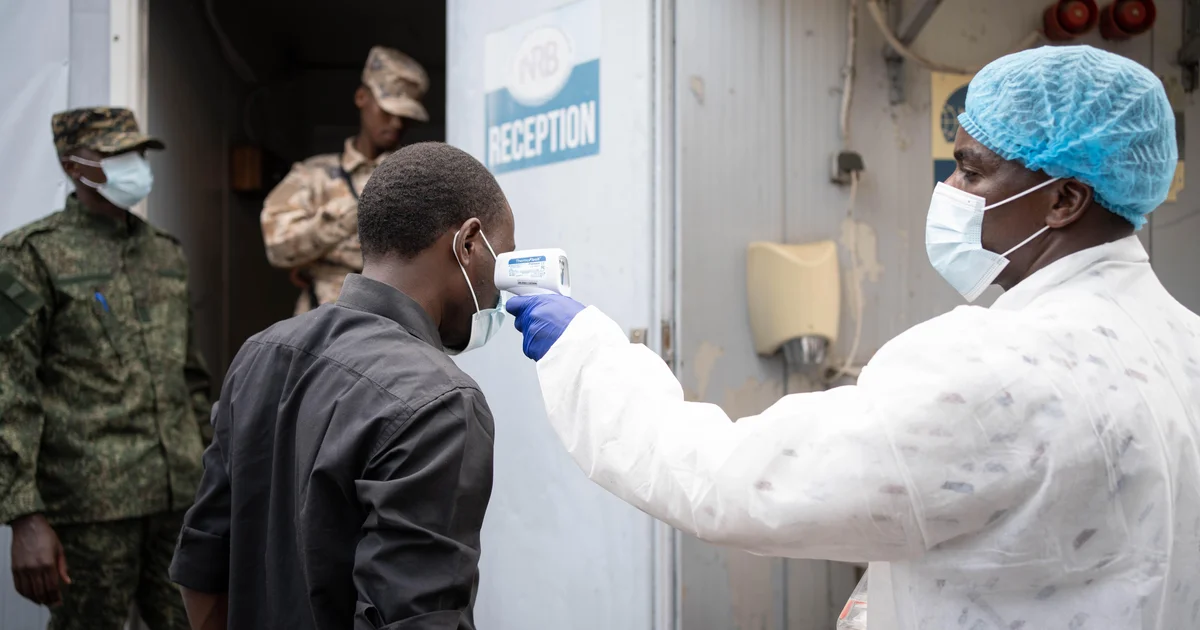
The World Health Organization warned that the Ebola outbreak centered in the Democratic Republic of Congo and Uganda poses a serious risk at the national and regional level, although the danger of wider global spread remains low for now. WHO Director-General Tedros Adhanom Ghebreyesus said 51 confirmed cases have already been identified in the Congolese provinces of Ituri and North Kivu, while stressing that the real scale of the outbreak is believed to be significantly larger.
Ugandan authorities have also reported two confirmed infections in the capital Kampala. According to Tedros, health officials are currently tracking nearly 600 suspected cases and 139 probable deaths, with expectations that the numbers will continue to rise in the coming weeks. “We expect those numbers to keep increasing,” he said.
A WHO Emergency Committee meeting in Geneva concluded that the outbreak of the rare Bundibugyo strain of Ebola constitutes a public health emergency of international concern, though not a pandemic-level emergency. Tedros revealed he took the unusual step of declaring the emergency before consulting external experts because of what he described as the urgency of the situation.
Health officials are particularly concerned because the Bundibugyo strain currently has no approved vaccine or targeted treatment. The virus reportedly circulated undetected for weeks after the first known death because medical teams initially tested for more common Ebola variants, which returned negative results.