All Us Saints by Katherine Packert Burke. Bloomsbury Publishing, 272 pages. May 2026.
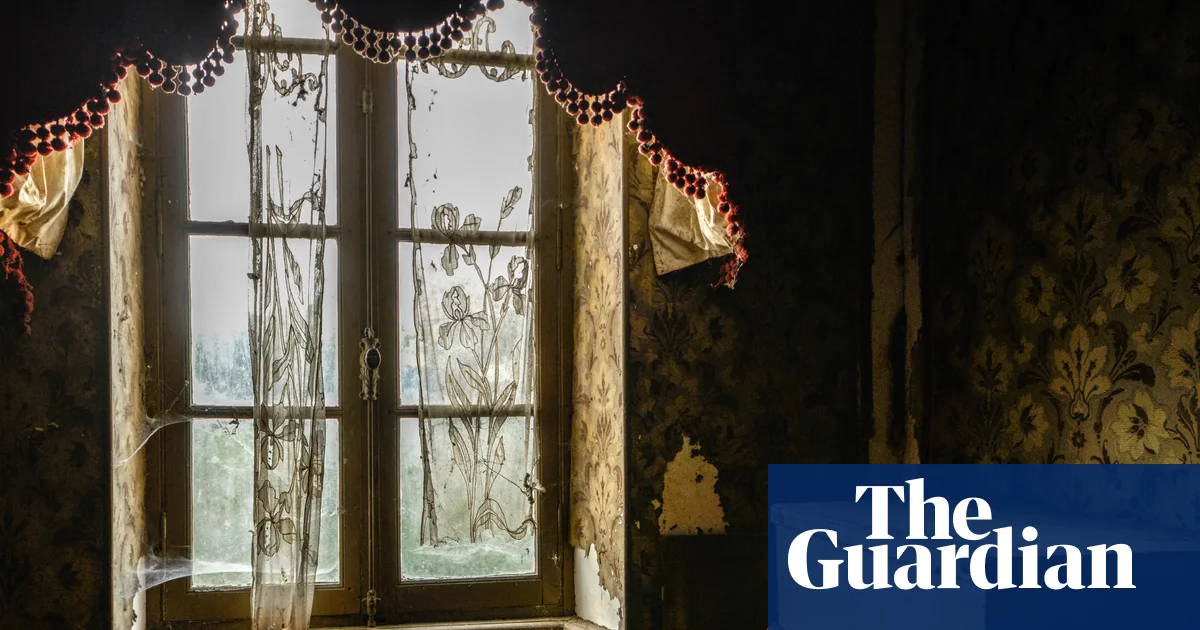
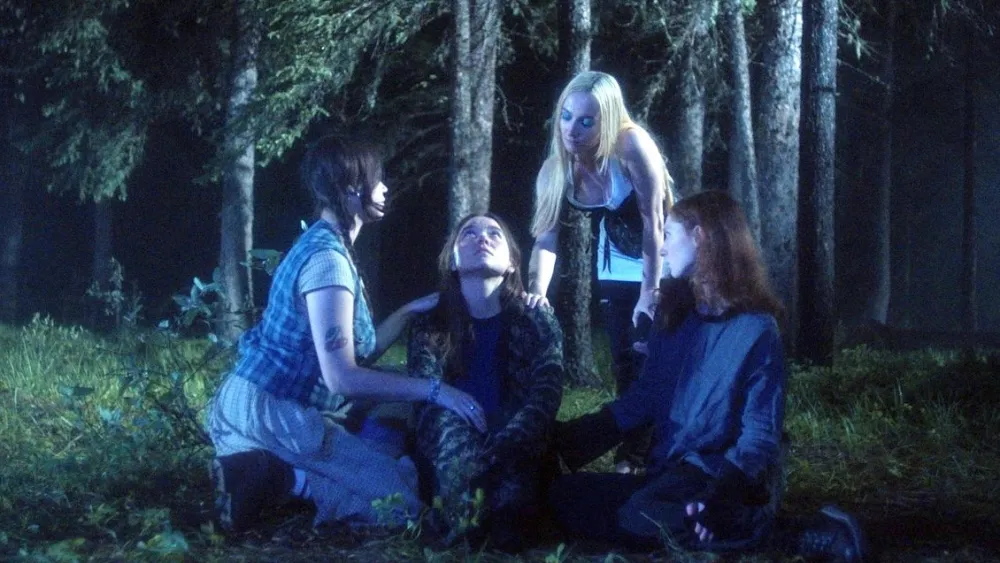
Katherine Packert Burke’s second novel All Us Saints is structured like a chamber play. Trading in the autofictional, referential, hyper-contemporary context of her first novel, Still Life, Burke turns her attention to a Gothic haunted house soaked in blood. “Certain places are wrong,” she writes in the prologue. Her new book is not, however, a traditional horror novel: The killer, for starters, is long gone. Years after their brother Roland St. Cloud killed three young girls, his surviving family members flock to the scene of the crime. This is their annual Freudian ritual, a superstitious act of remembrance. If every year they pay homage to their “tranny” brother and his victims, perhaps darkness will be kept at bay.
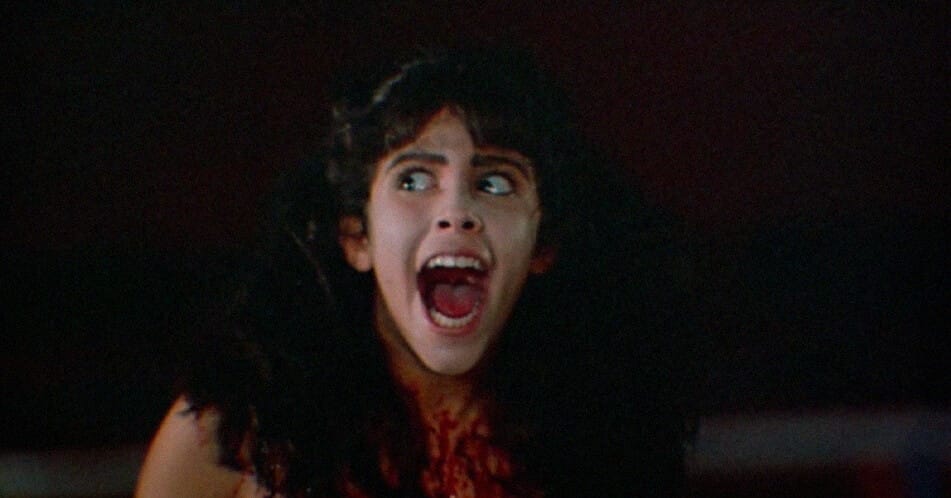
Hollywood predictably capitalizes on the St. Clouds’s tragedy with a Scream-esque movie franchise. True crime books chart the rise of a new urban legend. In response to the publicity, Roland’s playwright parents commit suicide. The surviving members of the tribe include Roland’s twin Edna, a photographer whose career took off based on photos she took of the crime scene, Calla, his younger sister and a sexually frustrated failing playwright, and James, the dead-end youngest child. In the first act of the novel, we’re also introduced to Edna’s husband Roger, who wrote a smash hit true-crime biography based on the family, and Edna and Roger’s precocious daughter Wren. The novel’s two acts are comprised of relatively short third-person vignettes, each focusing on a different member of the clan’s own personal torment in the house of horrors on the occasion of their yearly retreat.