This is Part III of a four-part series on “The First Airtight Empire” – analyzing the historically unprecedented closure that the Chinese Communist Party (CCP) is constructing in 2026, and how that closure has rendered American policy assumptions obsolete. Part I documented the two slogan substitutions through which Beijing rewrote its history and prewrote its future. Part II described the three lockdowns that conditioned the population to accept the airtight seal that followed. This installment turns to the mechanical architecture of the seal itself. The concluding installment (Part IV) will place the configuration in its long historical frame and develop the implications for U.S. policy.
The closure under construction in China in 2026 has no historical analog, and the architecture that makes it unprecedented is the subject of this installment. Four mechanical seals operate in parallel. A fifth, asymmetric in direction, distinguishes it from every previous closure. A second line of defense, part of Chinese government ambitions for over 2,000 years, ensures that even where the mechanical seals fail, the closure does not.
Four Seals, Operating in Parallel
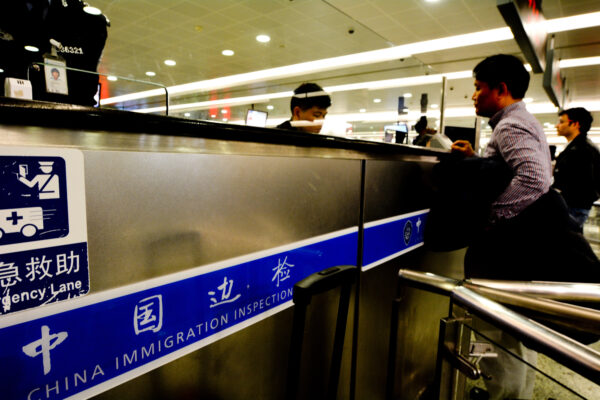
The first seal is over human movement. The exit-ban regime, documented in Safeguard Defenders’ “Trapped” report and expanded across at least four major laws between 2018 and 2022, has by 2026 reached serving U.S. federal employees: officers from the Patent and Trademark Office and the Department of Commerce have reportedly been blocked at the Chinese border on national security pretexts. The U.S. State Department’s updated travel advisory warns that exit bans now reach Chinese American citizens, foreign businesspeople, and the family members of overseas dissidents as a tool of coercion.