Oceania | Security | Oceania
In 2009, the Australian government recognized the need to replace its aging Collins-class submarines. What followed has been a mess of indecision, changing plans, and squandered opportunities.
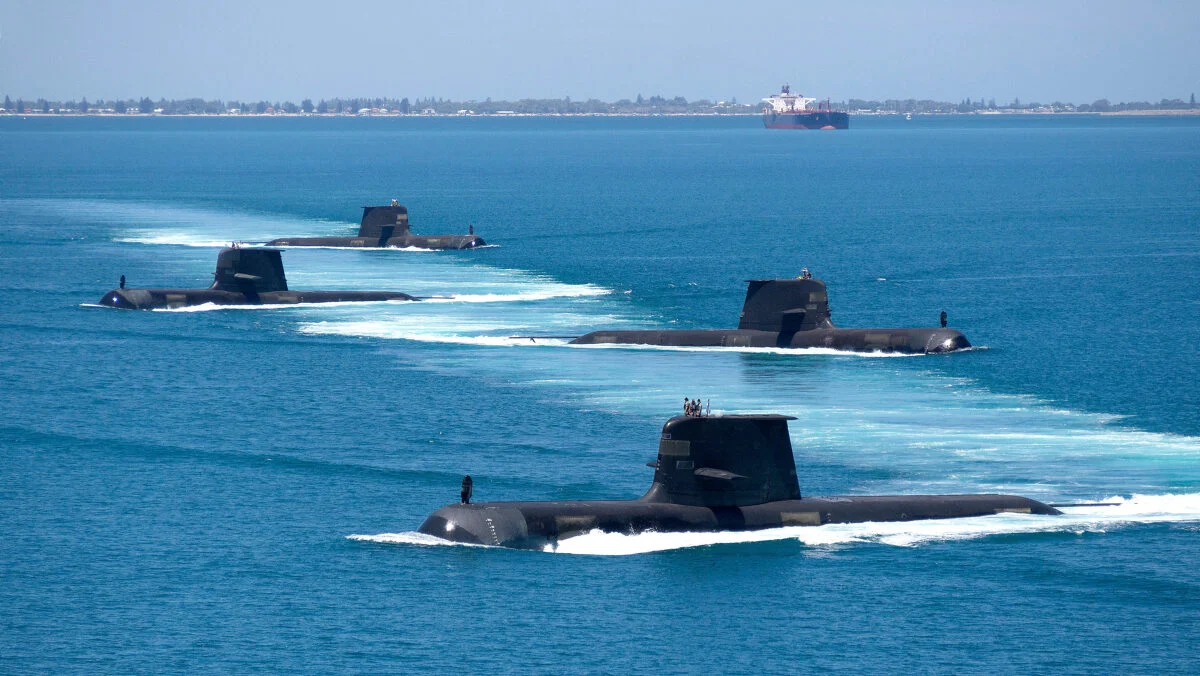
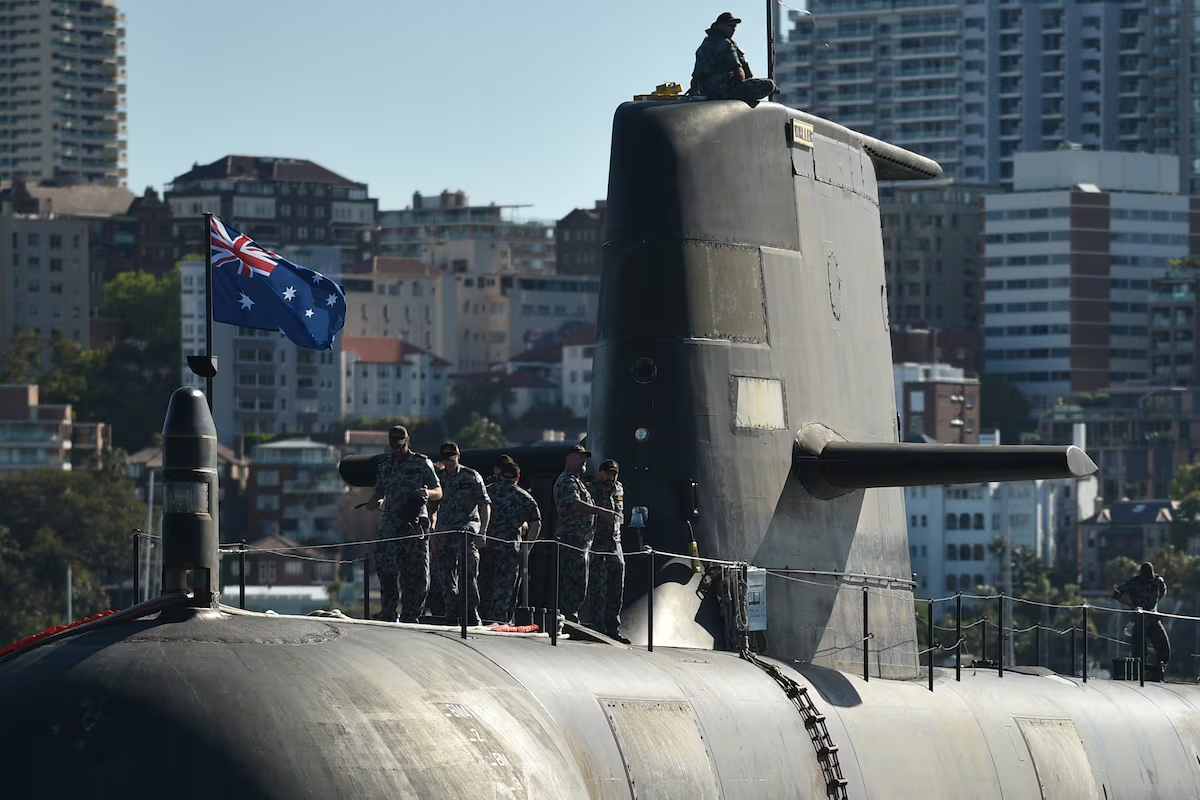
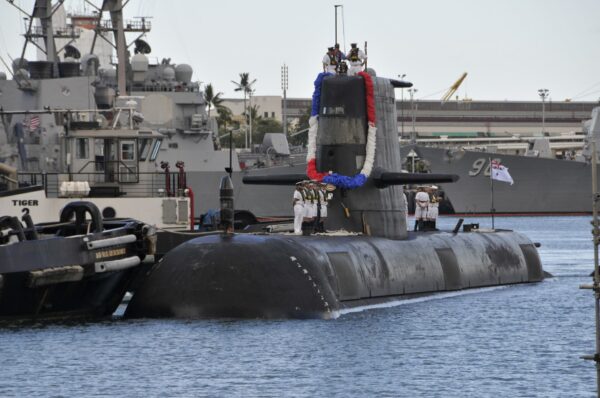
Procuring a new submarine fleet has been a persistent problem for Australia’s defense strategy for almost two decades. In 2009, the government of Kevin Rudd commissioned a defense white paper that recognized the need for Australia to replace its aging Collins-class submarines, as well as expand the fleet from six boats to 12. What followed has been a mess of indecision, changing plans, and squandered opportunities. All of this has left the maritime nation, highly dependent on the Indo-Pacific’s sea lines of communication, without the adequate hardware to defend its own interests.
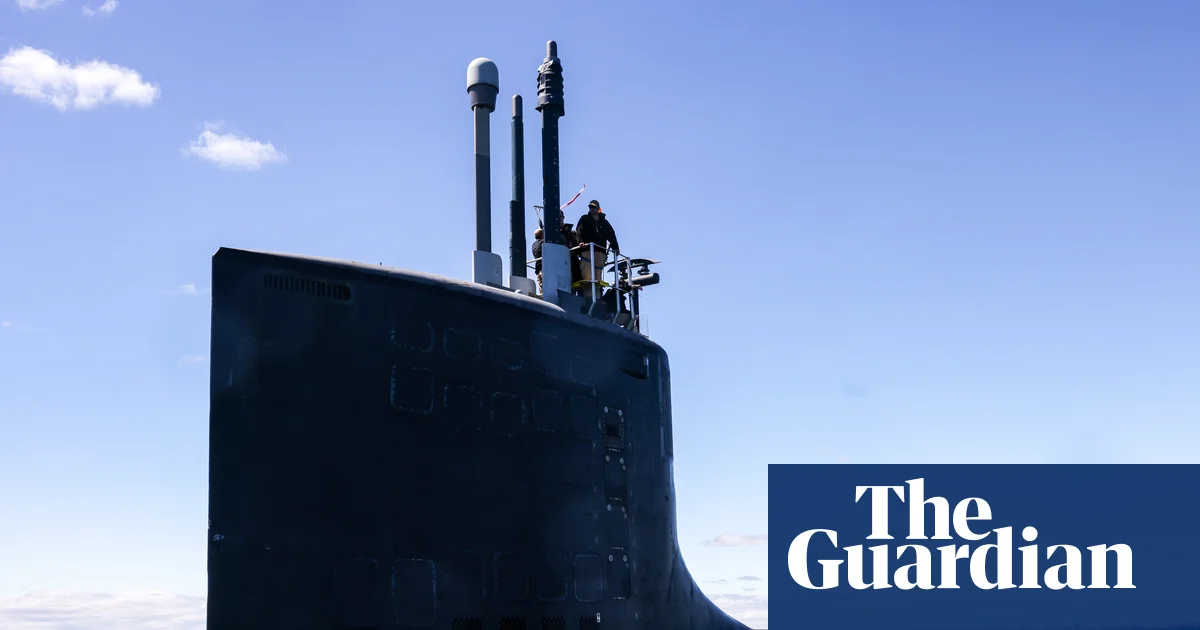
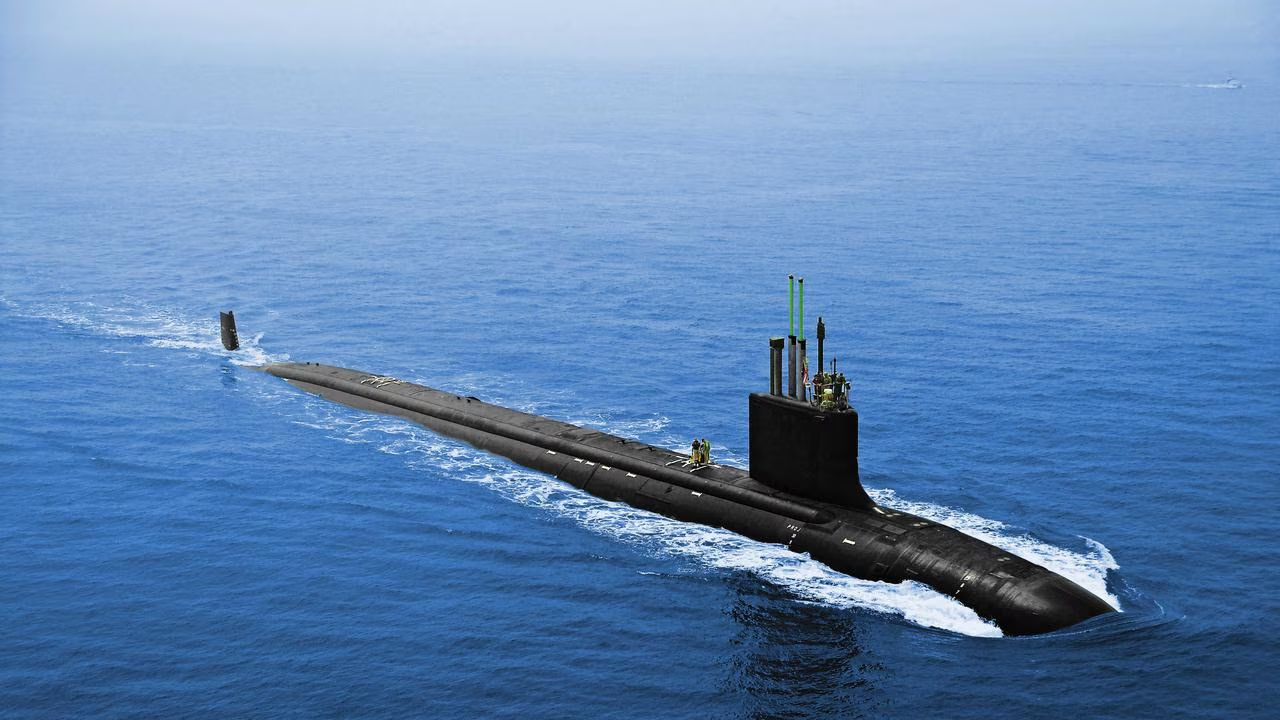
From the initial negotiations with Japan to construct a new fleet, to the agreement with France to produce 12 diesel-powered Attack-class submarines – which was cancelled in favor of AUKUS after work had commenced – Canberra continually returned itself to square one. Now all six Collins-class boats are expected to remain in service into the early 2040s, when the first nuclear-powered AUKUS-class submarines are scheduled to become operational. Submarines that first entered service in the 1990s will be asked to serve for half a century.