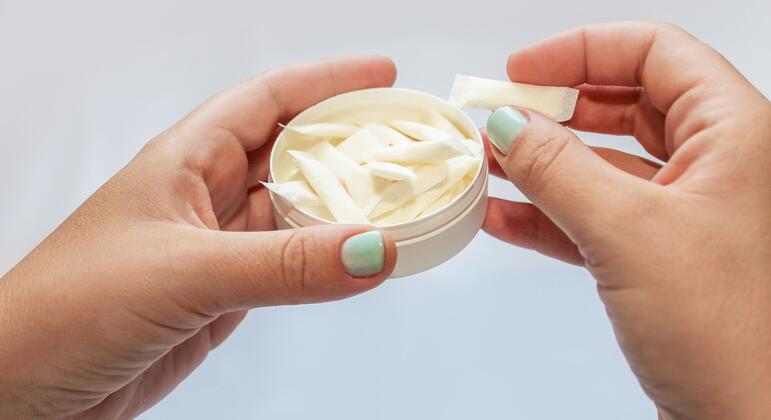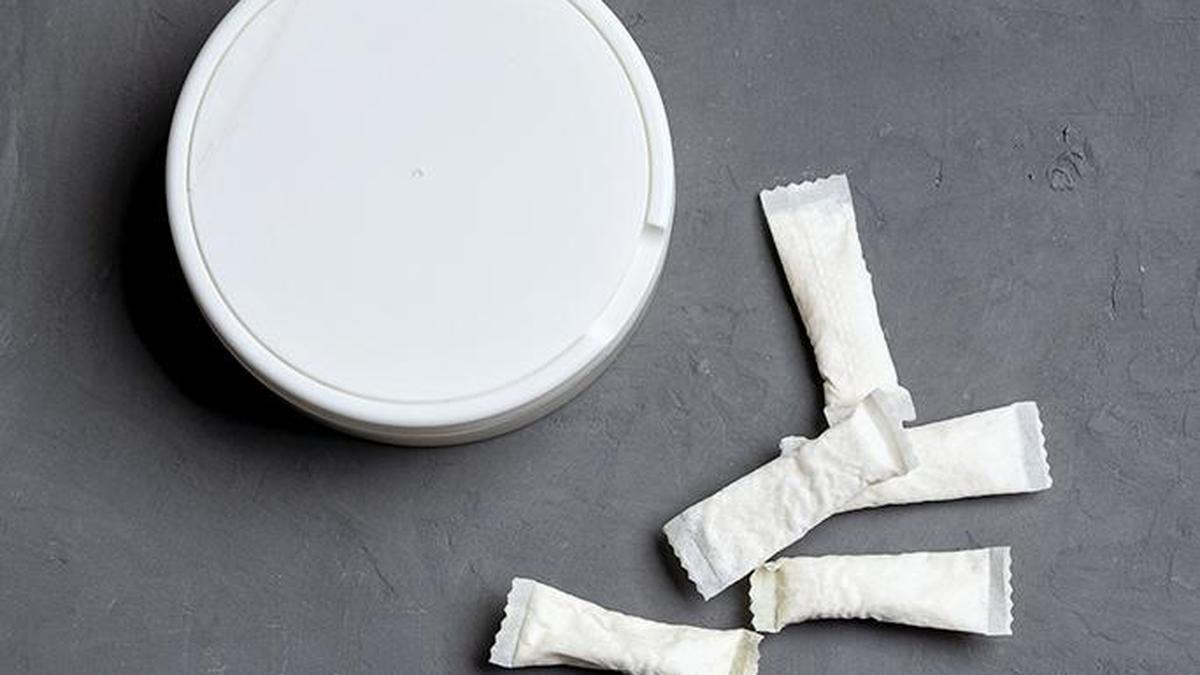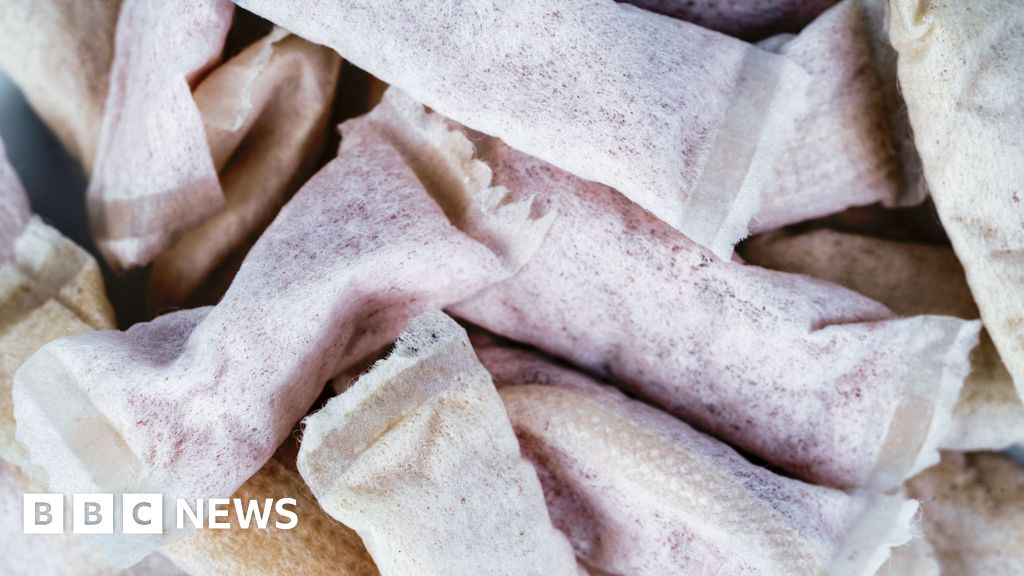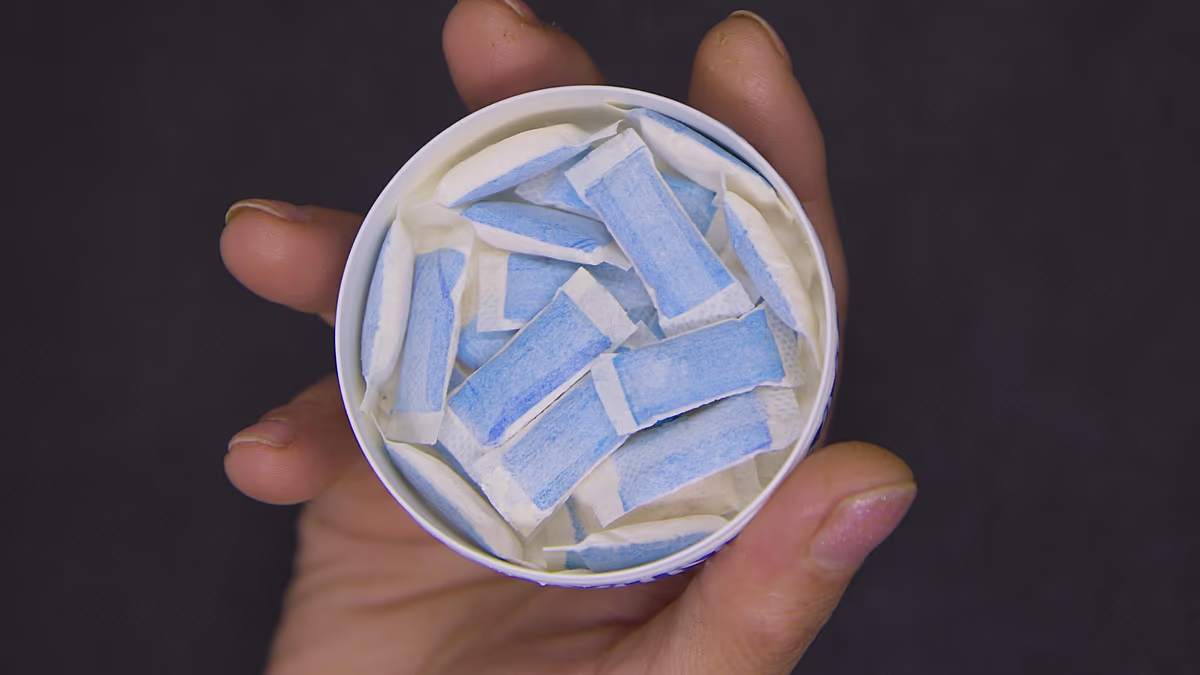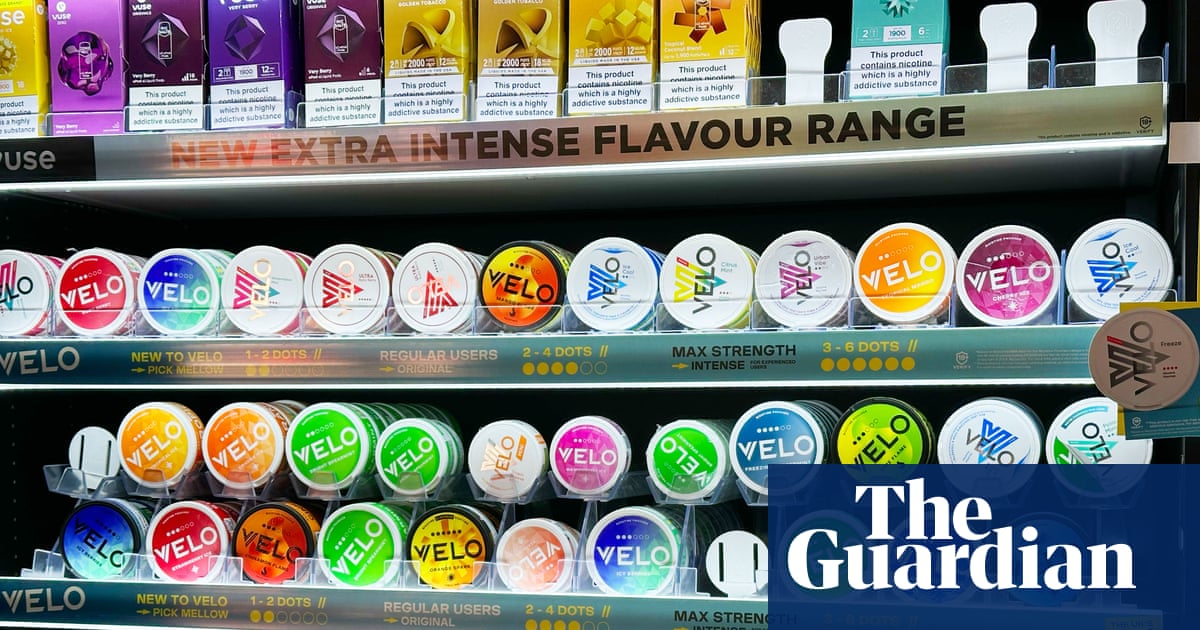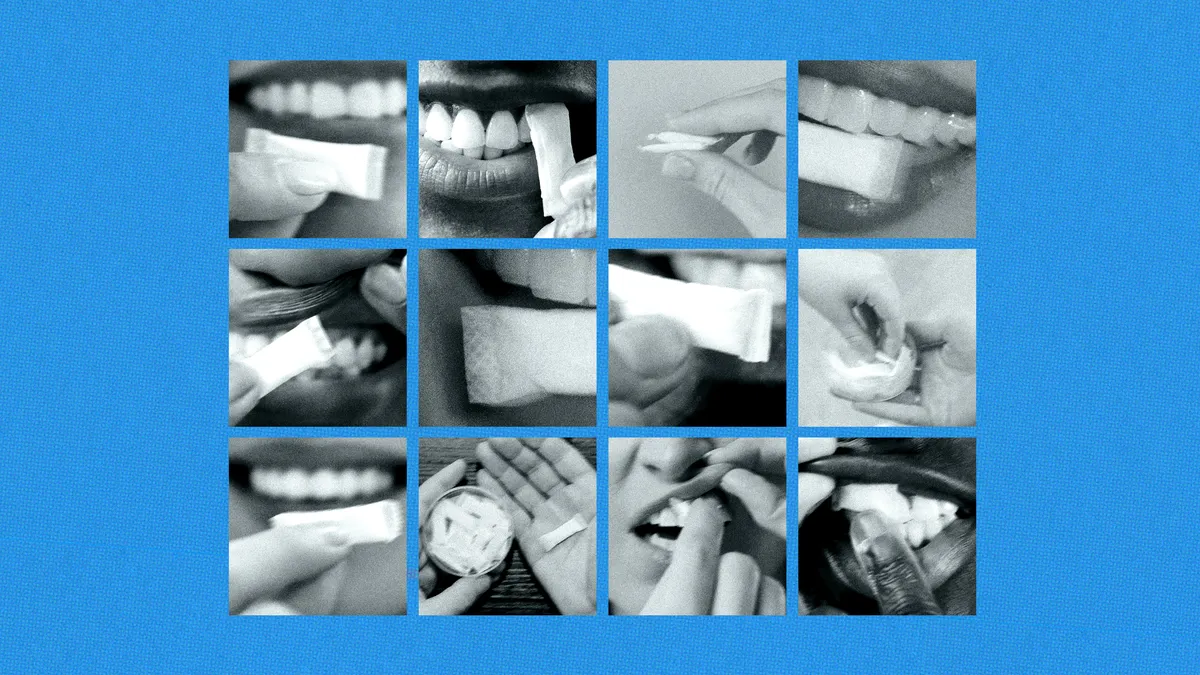
NEW YORK – On an April evening, nearly a hundred bikini-clad saunagoers descend on Othership Flatiron, the sauna-and-ice-bath spa that has become an Instagrammable landmark of New York City’s wellness scene. Inside, a DJ blasts house music as attendees rotate between 32-degree cold plunges and a cedar sauna, slipping small white pouches between their gums and lips. Palm-sized plastic canisters of the product are lined up in neat rows on the counter.The pouches – flavored Blue Raspberry and Fruit Punch – weren’t nicotine. The event is hosted by Wip, a startup behind flavored “energy pouches.” The products are part of a fast-growing category of caffeine pouches marketed as a trendier, cheaper and more discrete alternative to coffee, energy drinks and pre-workout powders. In recent months the pouches, which have circulated in social media mentions for some time, have been popping up more frequently in the wellness sphere and in social settings. While many brands, including Wip, say these products are intended only for adults, experts who study adolescent behavior have noted that as more young adults talk about these pouches on and offline, they’re entering the teenage lexicon as well. “They're appealing because they're easy to hide,” says Bonnie Halpern-Felsher, a professor of pediatrics at Stanford University who studies adolescent tobacco, alcohol and marijuana use. “I have concerns. I don't want young people to become dependent on it – to overuse.”There’s no federal age restriction on caffeine products, meaning anyone can buy them. Halpern-Felsher, who gives lectures to teachers and parents on adolescent tobacco use, says she now regularly receives questions about caffeine pouches. “Educators and even parents are worried and have seen adolescents and young adults using caffeine pouches,” she says.What does the rise of caffeine pouches mean for young people?At bars, the office and the gym, these products have started taking the place of energy drinks. Companies offer pouches ranging from 50 milligrams to 225 milligrams. For comparison’s sake, a 12-oz cup of coffee contains about 136 milligrams of caffeine; a Redbull contains 114 milligrams. The FDA recommends people keep their caffeine usage to under 400 milligrams per day. However, recent viral videos show young people doubling up on caffeine pouches, sometimes taking 400 milligrams in one use. Oftentimes consumers are more aware of their caffeine consumption when it comes to drinking multiple cups of coffees or soda, according to Rob van Dam, a professor at George Washington University’s Milken Institute School of Public Health who studies caffeine. He notes it’s easier to consume a high dose in pouch format. And while drinks take longer to absorb, a pouch, administered between the gum and the cheek, is absorbed rapidly into the bloodstream.“Now, because you have all these different sources, it becomes very confusing how much caffeine you're using in total,” he says. “It’s very easy to get into a pattern where you use excessive amounts of caffeine.”Influencers have taken to social media to promote these caffeine products, often posting videos littered with slang terms popular with teens and young adults, like “upper decky” or “lip pillow.” Some call the products “caffeine zyns,” likening them to nicotine pouches. In comments and in TikTok videos, it’s apparent both young adults and teens are trying the pouches."You don't have to be 21..." one user wrote over a video linking to Rebel energy pouches, lamenting that he waited until 21 to try Zyns "when I literally could've just got these off the TikTok shop at any age." “These literally got me through high school,” one 19-year-old promoting a a LyvWel caffeine pouch captioned a video.Sophia Renard, an 18-year-old fitness influencer and freshman at the University of Miami who uses caffeine pouches, says a lot of young people watching promotional content “really don’t know what they’re putting into their body.”Renard says caffeine pouches help her track her intake, and she has made TikTok Shop affiliate posts promoting Wip. But she cautions that young people interested in the product should be careful of usage. She says her younger brother, who is in high school, has asked her about caffeine pouches.“It’s like, ‘Oh, I saw this influencer do this, so I'm doing it,’” Renard says. “They look at those things and they're like, ‘Oh, this is so cool.’”Critics have pointed to overlap between the nicotine and caffeine pouch industry. Wip CEO Richard Mumby previously worked as the chief marketing officer at Juul, the e-cigarette maker that eventually agreed to pay $462 million over allegations it marketed its products to underage vapers.Wip has distanced itself from comparisons to nicotine pouches, emphasizing that its product is not intended to be used for nicotine cessation.Nora Minno, director of nutrition, regulatory and product communications at Wip, says though the slang terminology for these pouches and nicotine pouches may overlap that’s all they have in common.“People often default to the most familiar reference point to describe something new, similar to how ‘Kleenex’ became shorthand for tissues,” says Minno. “In this case, some consumers may use common nicotine pouch terminology to describe the form factor as a point of reference, specifically referring to the brand name ‘Zyn’ for pouches generally.”The rise of caffeine pouchesThe modern caffeine pouch category traces back to 2009, when Grinds launched coffee-filled oral pouches marketed as a tobacco alternative for baseball players. But it wasn’t until the last five years, according to Halpern-Felsher, that these pouches started gaining major traction. Their rise coincided with a boom in nicotine pouch products, led by Zyn, which in January 2025 became the first and only authorized nicotine pouch product in the United States after the Food and Drug Administration authorized its marketing.Longtime tobacco alternative companies like Smokey Mountain Chew added pouches to their lineups, and additional brand launches in 2024 and 2025 helped to propel pouches into the wellness space. By 2026, dozens of pouch products were on the market.Some users say pouches have been helpful to curb their caffeine addictions.Danielle Byrd, a 23-year-old fitness influencer, says the pouches appeal to athletes looking for an alternative to energy drinks and pre-workout powders, as heavy caffeine use becomes increasingly normalized in the fitness industry.In college, Byrd got into the habit of drinking two Monster energy drinks before class and using pre-workout powder late at night before workouts, sometimes consuming more than 1,000 milligrams of caffeine a day − roughly the equivalent of 10 cups of coffee. She says caffeine pouches help her keep her intake closer to 600 milligrams a day. She says her sister, who works a 9-5 job and doesn’t work out, also uses the pouches for focus at work.“With previous pre-workouts, it gave me the jitters, it made me crash immediately after my workout,” Byrd says. “These were more of a consistent energy, and then it died off slowly.”Young people and when caffeine use becomes dangerousWhile experts say there is little data on how many young people have used caffeine pouches, they are increasingly concerned about caffeine addiction in young people.A study from Epic Research found that the rate of emergency room visits for caffeine-related problems more than doubled for children ages 11 to 14 between 2017 and 2023. In 2022, a 21-year-old student went into cardiac arrest and died after consuming one of Panera Bread's highly caffeinated Charged Lemonade drinks; and the family of a 17-year-old cheerleader who died from cardiomyopathy alleged in a wrongful death lawsuit that her heart condition was brought on by drinking Alani Nu caffeinated drinks. David Gomez, a school resource officer for the Boise County Sheriff’s Office in Idaho, says he’s had students ask him if it’s legal to bring caffeine pouches to school. That’s concerning, he notes, but he’s still most worried about energy drinks.“I see sixth graders coming in with … giant energy drinks, and a lot of them are drinking one energy drink in the morning and one in the afternoon just to get them through their school day,” Gomez says.The American Academy of Pediatrics discourages caffeine for kids under 12, and suggests a limit of 100 milligrams per day for teenagers. But as caffeine has become more ubiquitous in the form of energy drinks and pre-workout powders, experts worry pouches could intensify the trend.Misuse of caffeine can increase heart rate and blood pressure and contribute to poor sleep quality, according to Van Dam, but he adds that the pattern of usage matters, too.Van Dam says there’s nothing wrong with teenagers drinking a cup of coffee or tea, but discourages use of pouches because their concentrated format can make it easy to exceed recommendation limits. For young people who are using the product, he says to be conscious of tracking labels and total caffeine use in the day across different formats.“It could be safe,” he adds, “but it takes a lot of thinking to really realize exactly how much you're taking and what the impact on your health could be.” Rachel Hale’s role covering Youth Mental Health at USA TODAY is supported by a partnership with Pivotal and Journalism Funding Partners. Funders do not provide editorial input.Reach her at rhale@usatoday.com and @rachelleighhale on X.
They’re small, discreet and everywhere. Young people are obsessed with caffeine pouches
At bars, offices and gyms, caffeine pouches are increasingly showing up as an alternative to energy drinks. Experts say the growing online buzz may be introducing the products to younger audiences.
1,508 words~7 min read