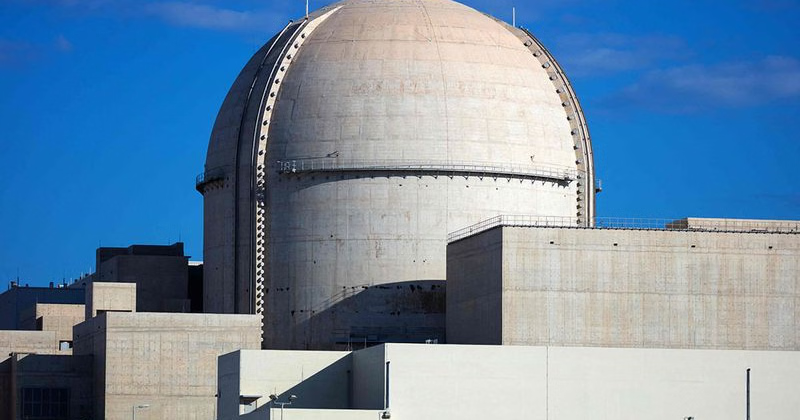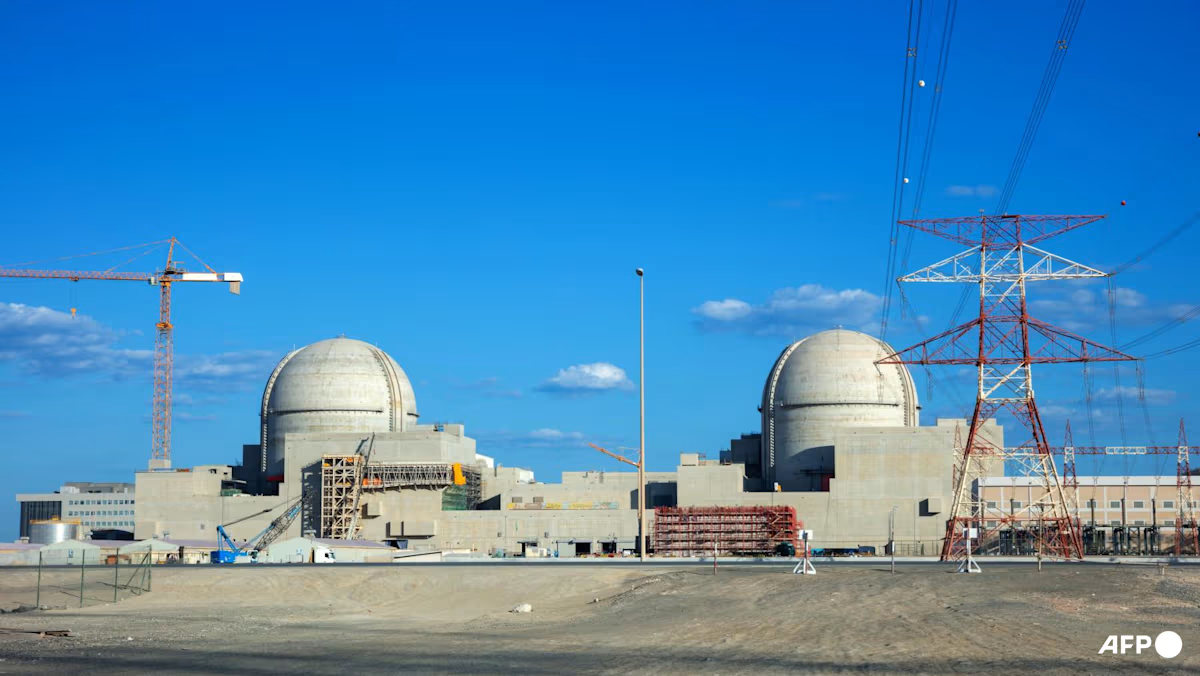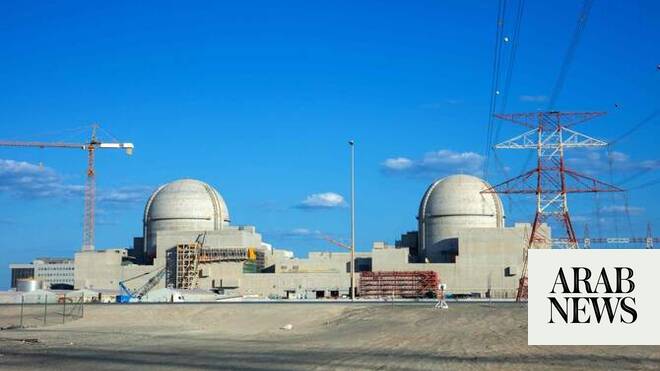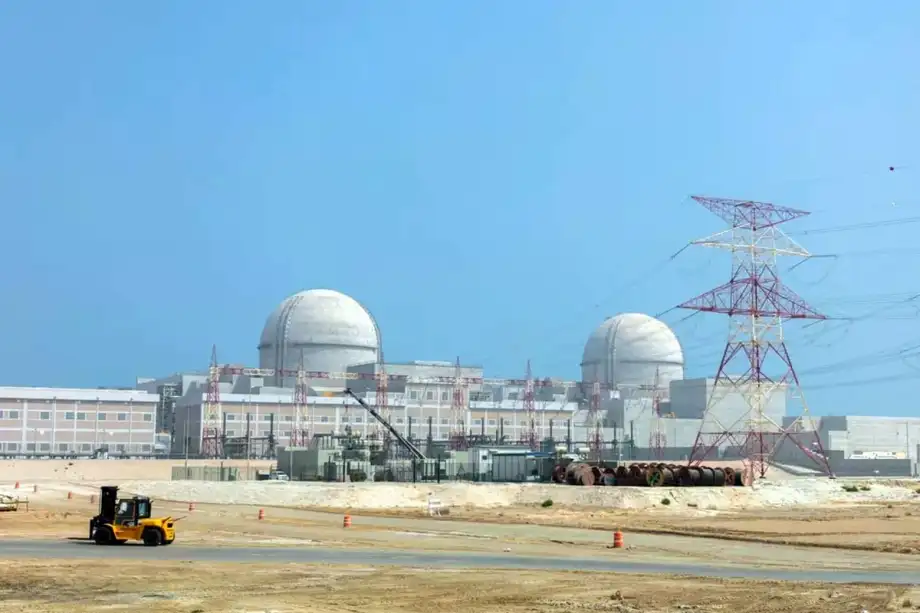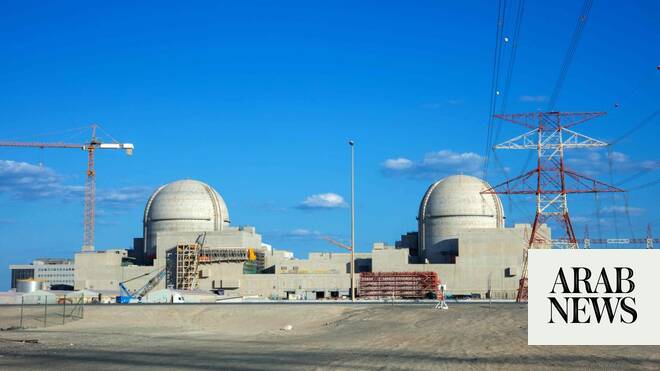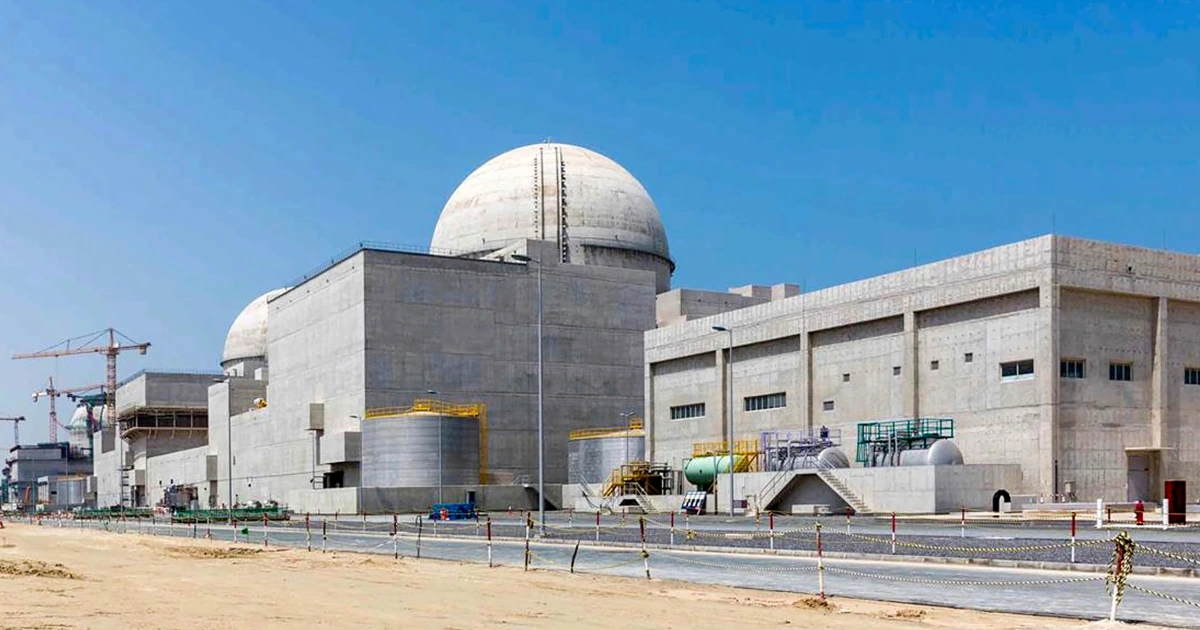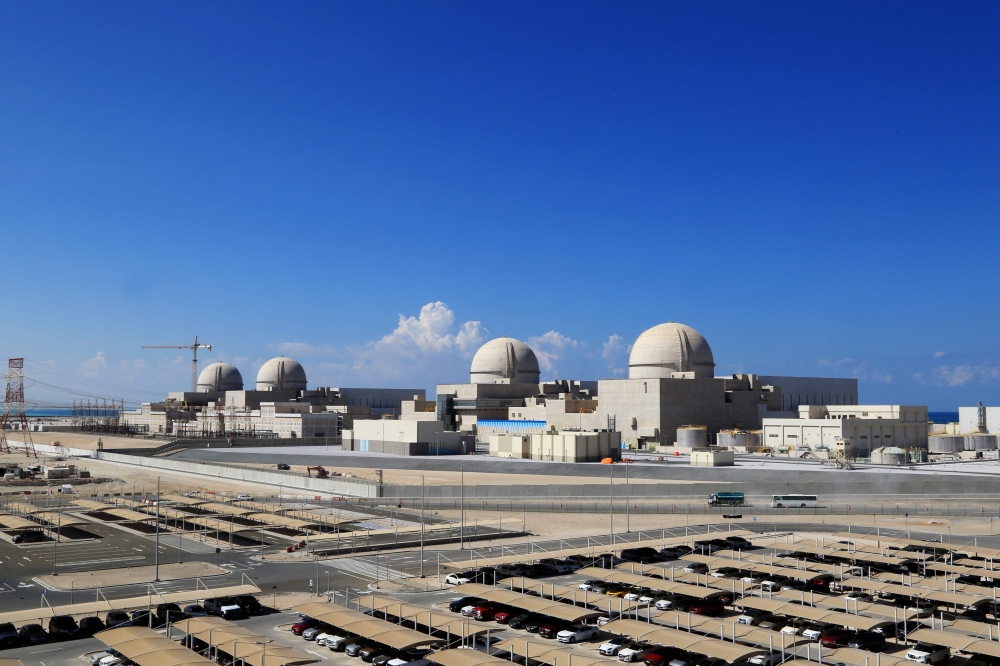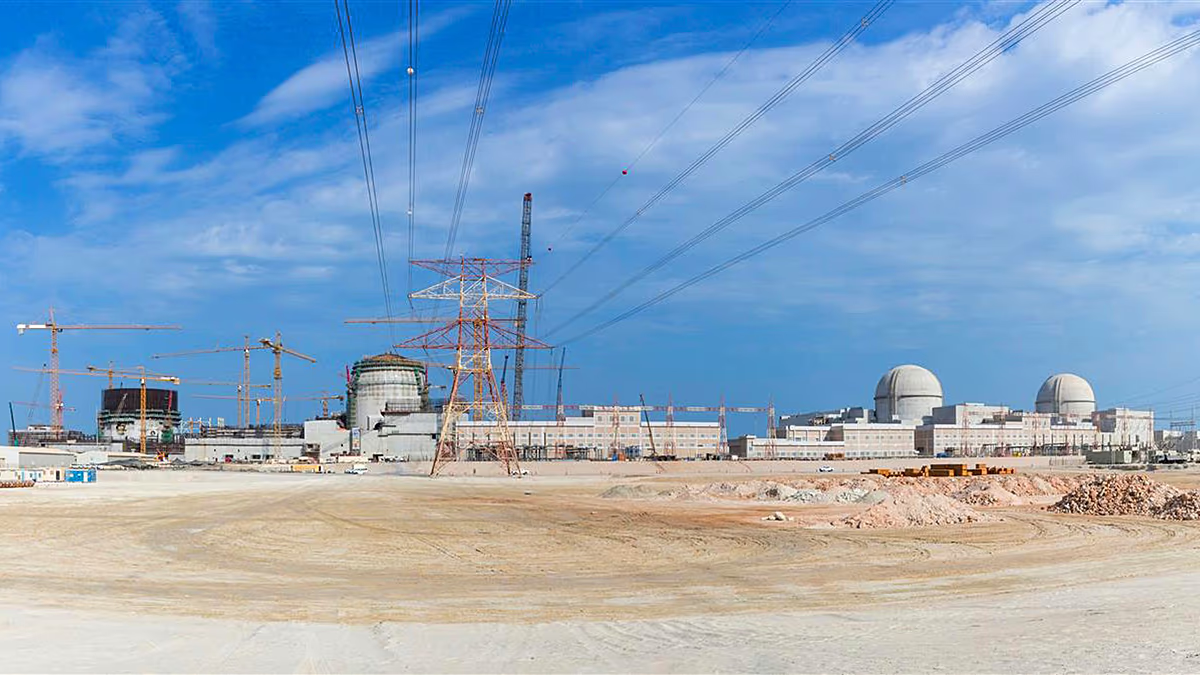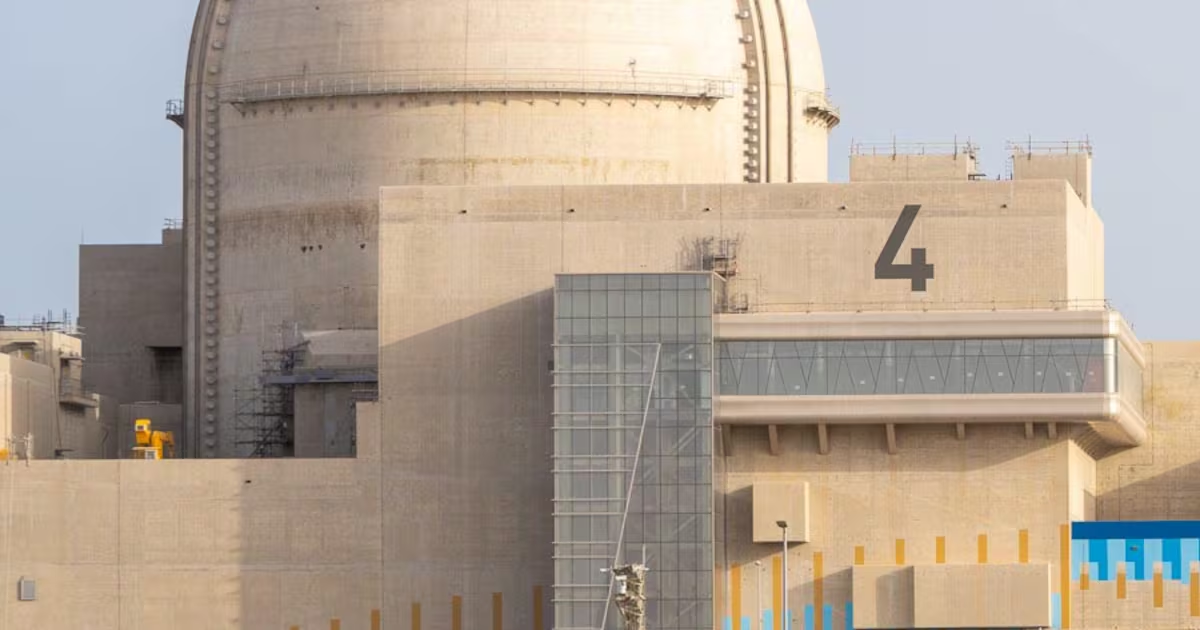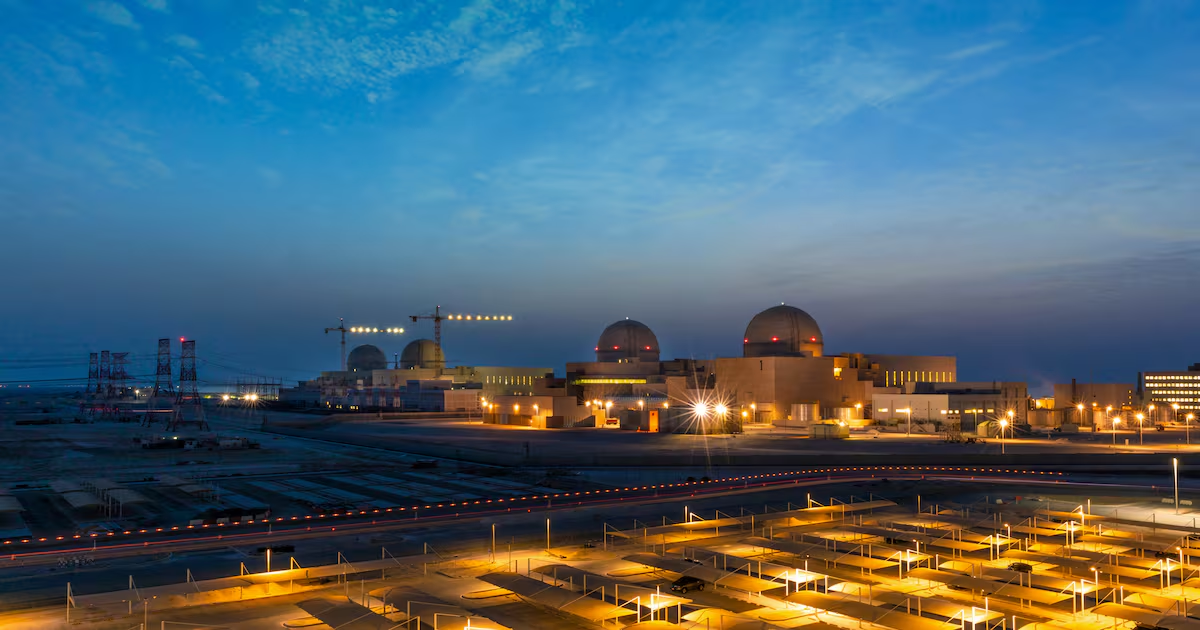
The UAE on Wednesday urged Iraq to prevent hostile acts and address threats “urgently”, days after a drone attack on Barakah nuclear power plant that was launched from Iraqi territory. In a statement, the Ministry of Foreign Affairs called on the Iraqi government to “immediately and unconditionally prevent all hostile acts emanating from its territory and to address these threats urgently, promptly and responsibly, in accordance with relevant international and regional laws and conventions”.On Tuesday, the Defence Ministry said a drone strike that caused a fire near the Barakah Nuclear Energy Plant on Sunday and two other drones intercepted on the same day were launched from Iraq, where Iranian-backed armed groups have launched several attacks since the start of the Iran war.The Foreign Ministry statement reiterated the UAE's strong condemnation of the “treacherous terrorist attacks” launched from Iraq. No group has claimed responsibility for the strike. Saudi Arabia also reported on Sunday that its air defences intercepted and destroyed three drones from Iraqi territory. There was no claim of responsibility for that attack either from the Islamic Resistance in Iraq, a group of Iran-backed militias that have claimed similar attacks on neighbouring countries after joining the war in solidarity with Tehran.The Iraqi Foreign Ministry said it had begun investigating the attacks, but that its air defences had not detected them. It called on Saudi authorities to “exchange relevant information”.There has been no comment from Baghdad on the drone attacks targeting the UAE. However, hours before it was revealed the Barakah attack had come from Iraq, the government condemned the strike. There was no response to requests for comment by The National.Diplomatically, Iraq risks further strain with Gulf states and isolation if it is seen as unable or unwilling to prevent its airspace and territory from being used for attacks on neighbouring states. Iraq relies on improving ties with Gulf states for investment, energy co-operation and regional integration. Failure to act could set back that agenda.Iraq has already been under intense US pressure to disarm the Iran-aligned militia groups, with Washington placing bounties on their leaders, suspending key dollar access and interfering in the government formation process. US President Donald Trump and his administration strongly opposed Nouri Al Maliki returning as prime minister. Instead, businessman Ali Al Zaidi was sworn into the role and vowed to ensure a state monopoly on weapons. The attacks on Gulf states are the first big challenge he faces in dealing with the Iran-aligned groups. Tehran-backed militias in Iraq have claimed responsibility for hundreds of attacks inside and outside the country since the US and Israel began their war on Iran on February 28. Drones and rocket attacks have been launched at several US-linked sites across federal Iraq and the Kurdistan region. They have also claimed attacks on US troops in Jordan, Kuwait, Saudi Arabia and Bahrain, which prompted calls from regional states for Baghdad to take steps to halt the strikes.
UAE calls on Iraq to prevent 'all hostile acts' on its territory after nuclear plant attack | The National
Ministry of Foreign Affairs condemns 'treacherous terrorist attacks'
486 words~2 min read