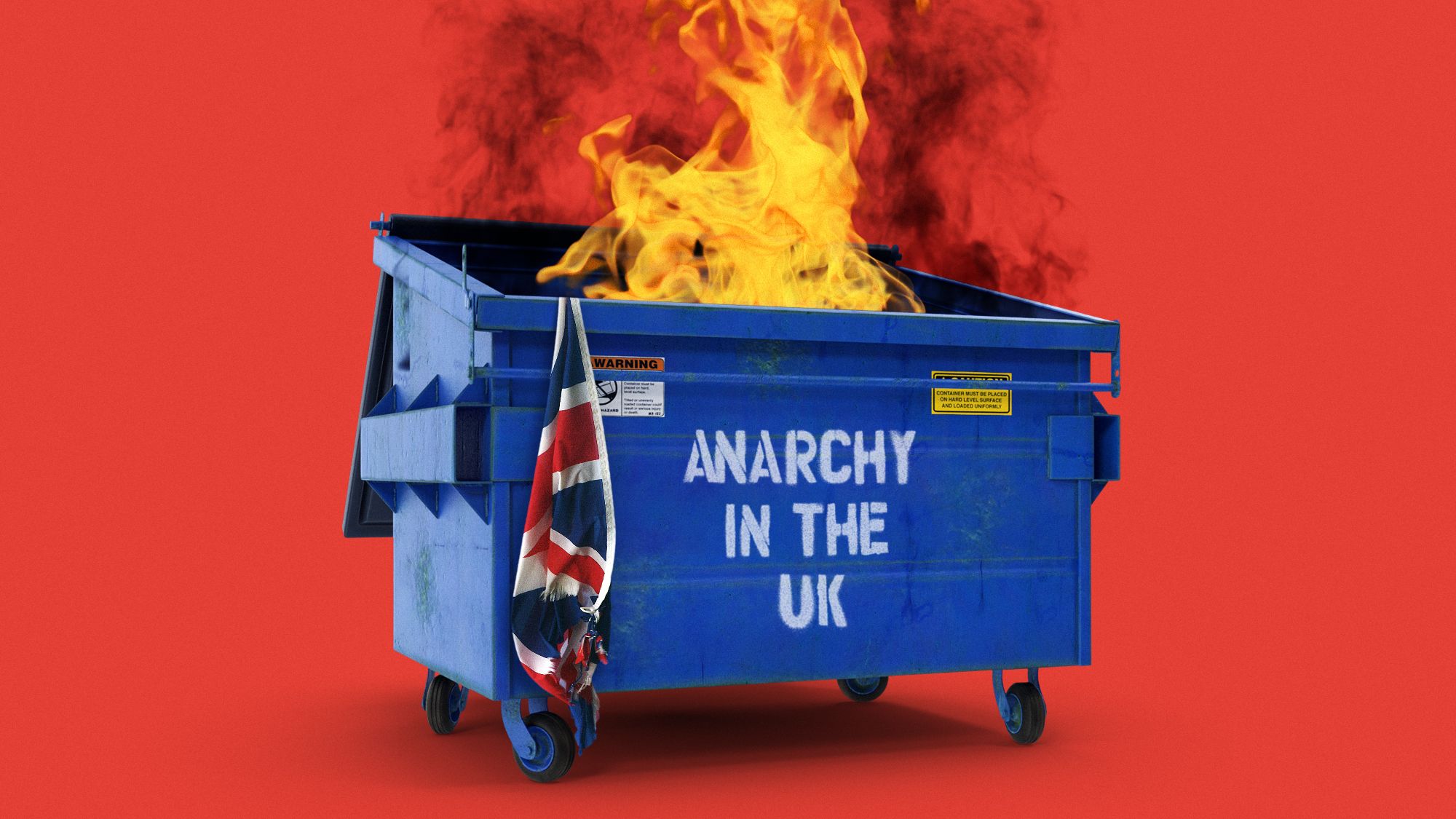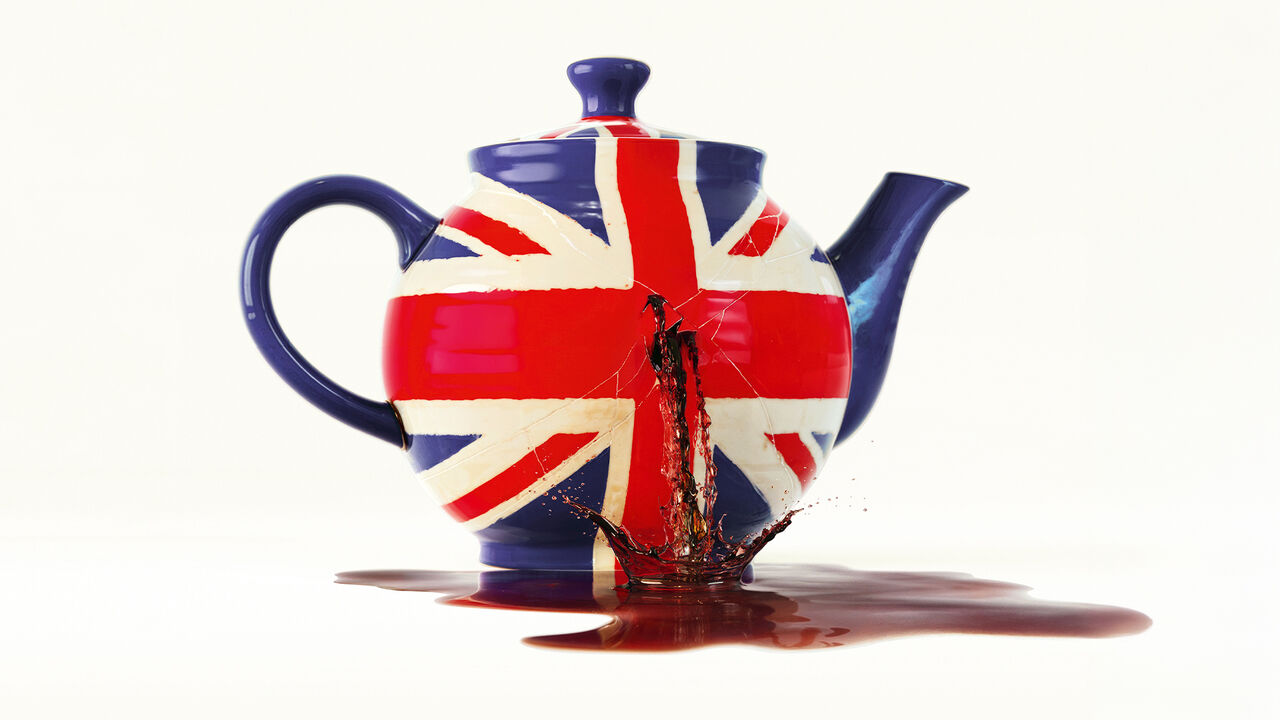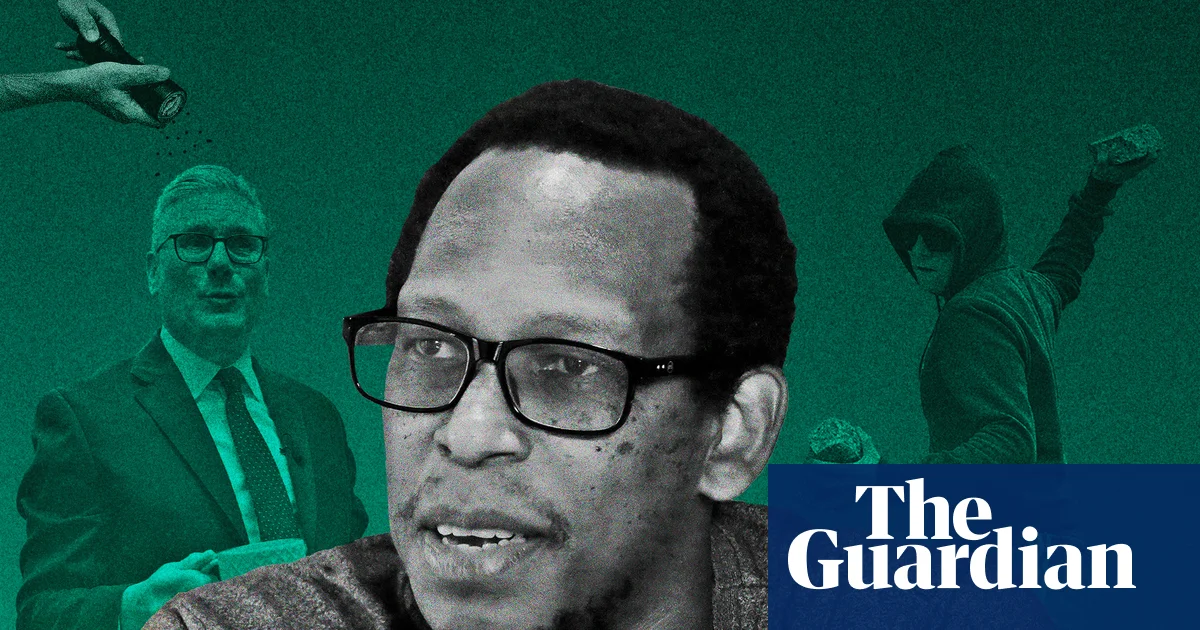
The UK has been in a state of political crisis for months, but recent local elections have resulted in the most serious challenge yet to the country’s prime minister and ruling elites, with experts predicting the UK could be facing its sixth regime change in 10 years amid “tribal disputes and separatist movements.”To make sense of it all, I spoke to the Nairobi-based British affairs satirist Patrick Gathara about the future of the “island Kingdom of Britain”. Inside the island Kingdom of BritainOvercoming the lettuce test … Keir Starmer toiling. Illustration: Patrick Gathara/The GuardianHi Patrick, can you give readers a summary of the political crisis unfolding in the UK?
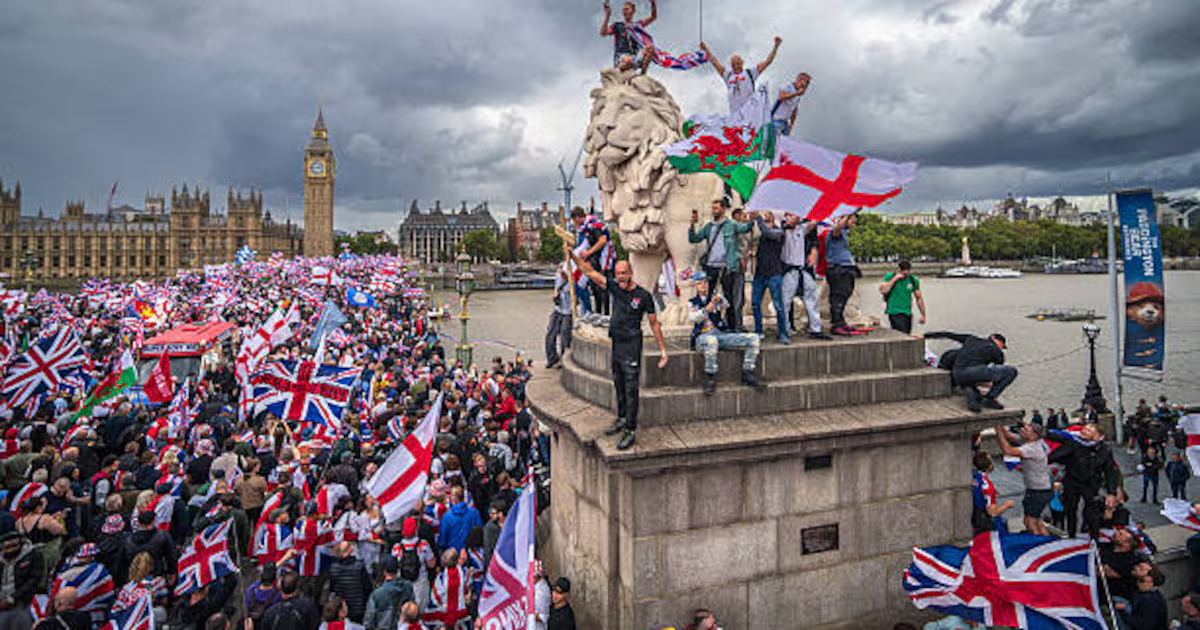
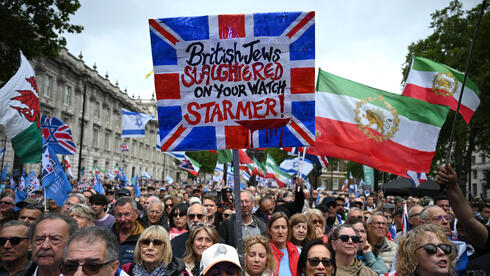
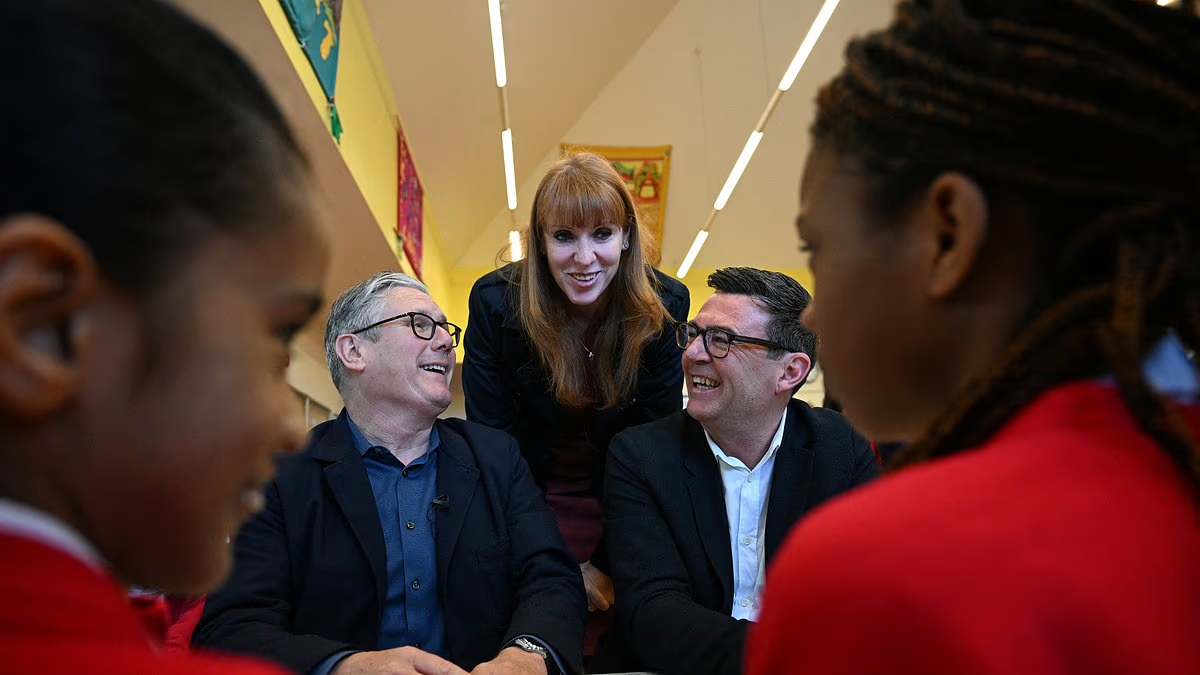
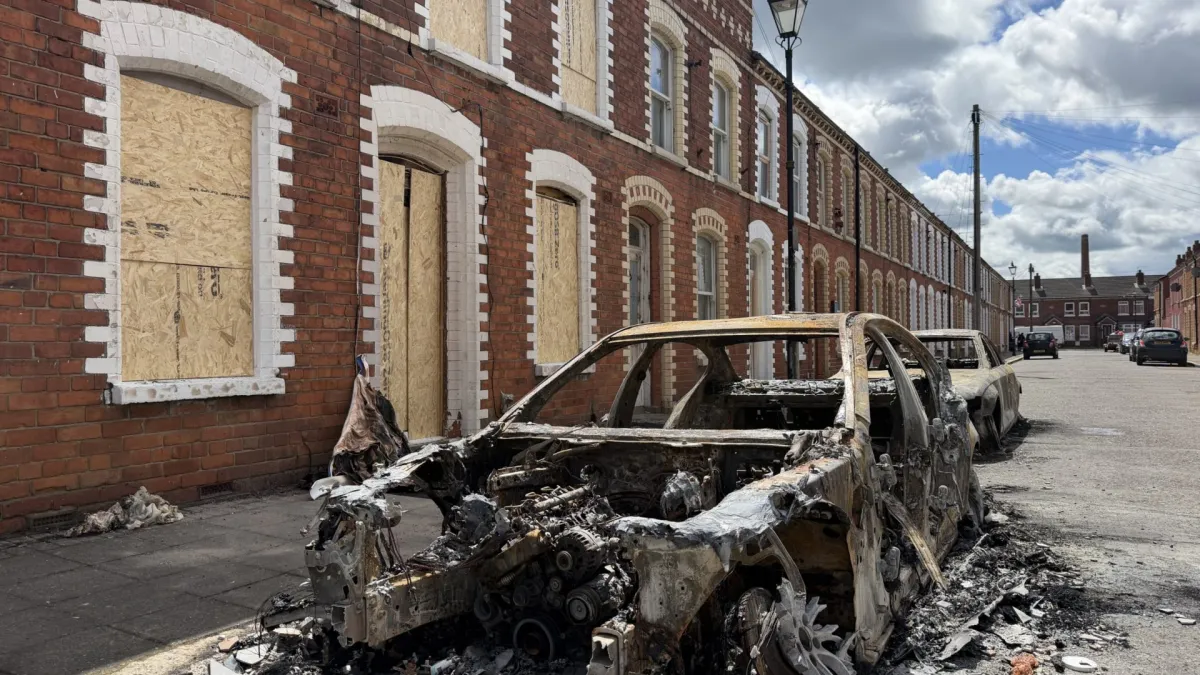
The current political crisis is the culmination of years of corruption and poor governance. To understand it, one has to remember that the small, overpopulated island kingdom of Britain is mostly cold, staggeringly bland, produces no flavour of its own and is thus forced to import all of it from Africa and Asia. These imports usually come via ports on the European pseudo-continent, but since 2020, a so-called “Brexit” blockade has meant that little flavour gets through. The entire population of the UK has thus been forced to survive on a traditional boiled diet, exacerbating a pre-existing dental health epidemic and prompting hundreds of thousands to flee the country. The crisis has reignited ancient tribal hatreds, supercharged separatist movements, and led to tribal violence in 2024, and heightened instability with five regime changes in the last 10 years. The current prime minister, Keir Starmer, an English, initially survived a traditional test of outlasting a vegetable but may be forced to undergo the ritual again as elders lose confidence in him. Despite being hand-picked by the island’s supreme ruler and spiritual leader, King Charles III, Starmer’s regime may not survive.It seems that Starmer’s fate is sealed, and he will certainly not be leading Labour into the next election. This makes Starmer the country’s fifth prime minister since Brexit in 2016. What does this tell us about British democracy?