Story audio is generated using AI
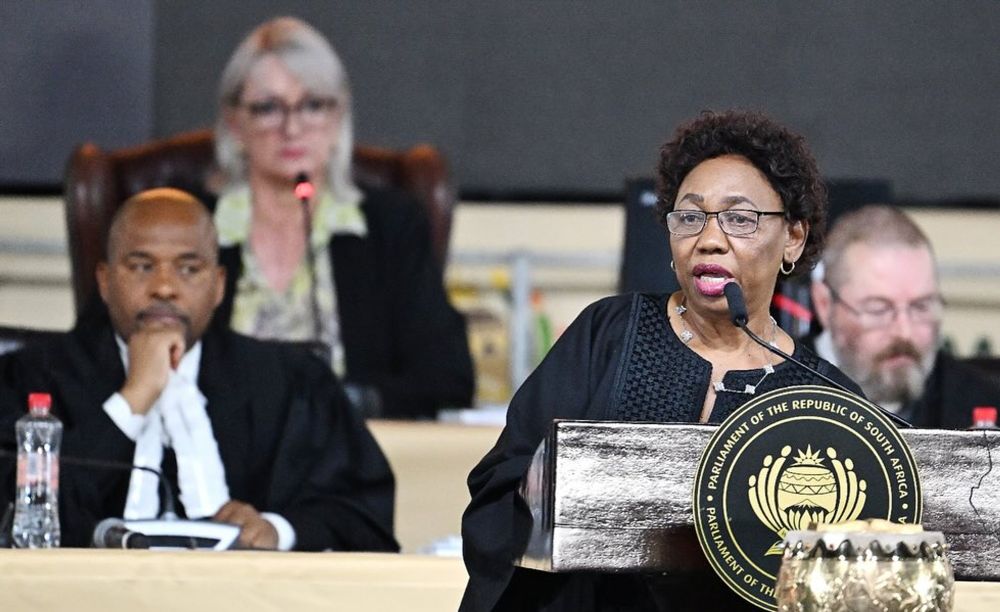
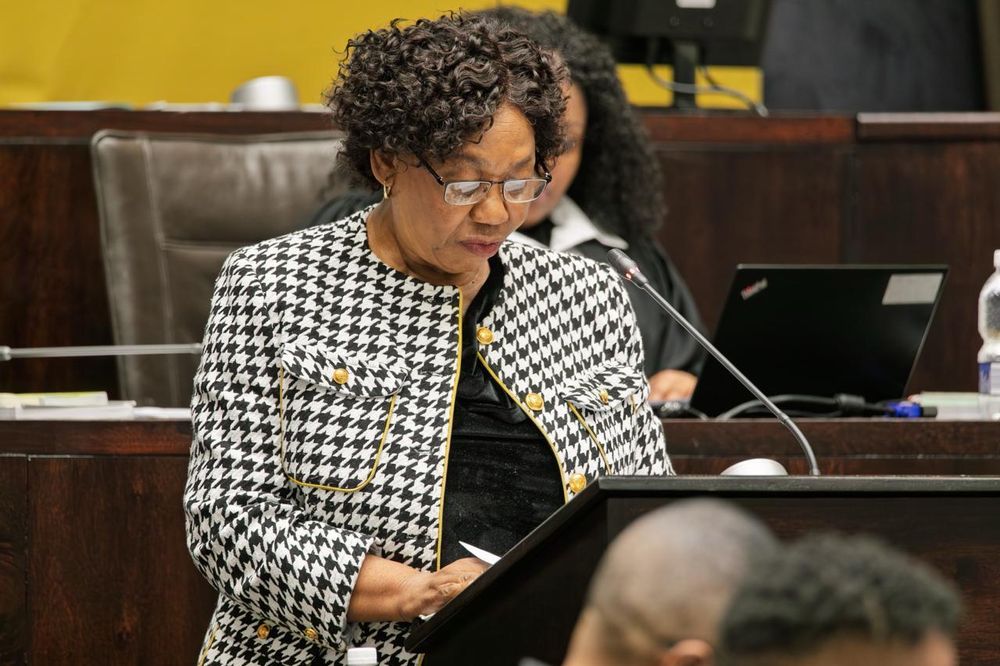
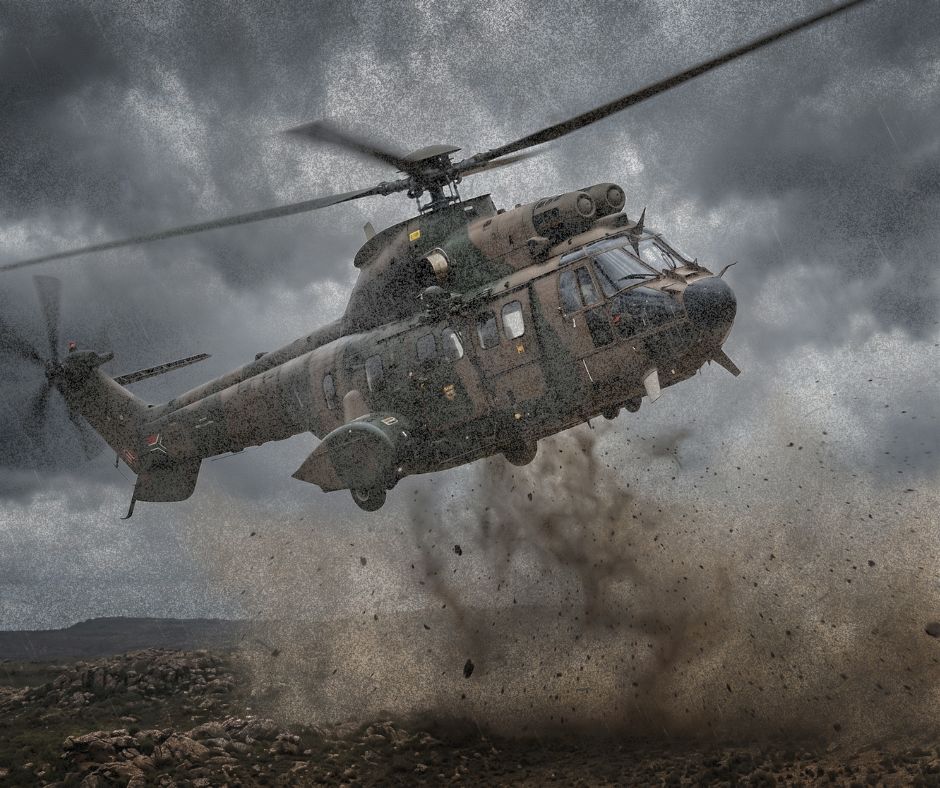
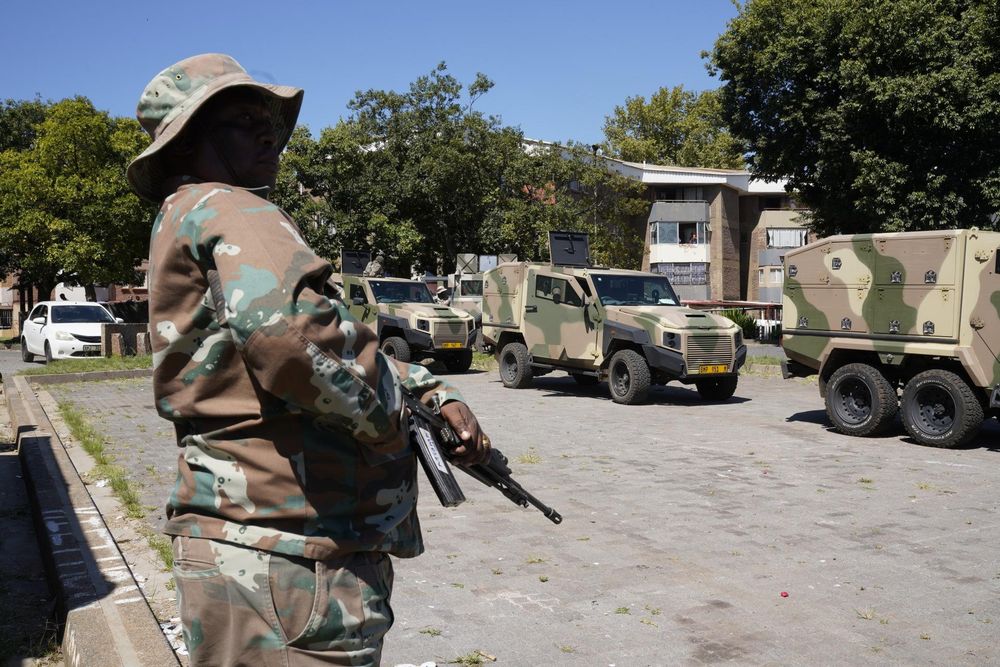
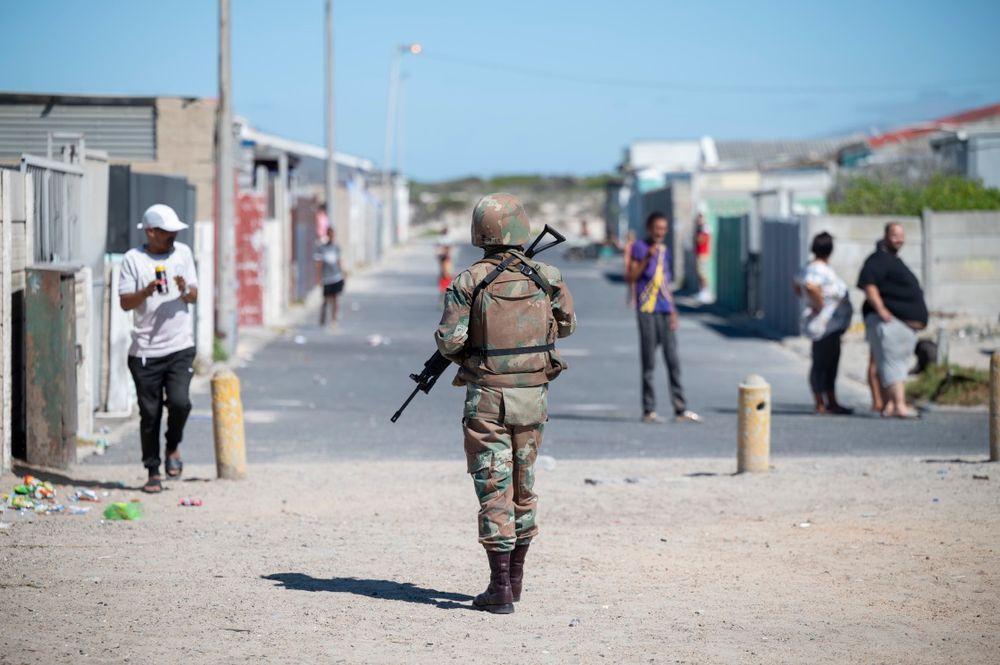
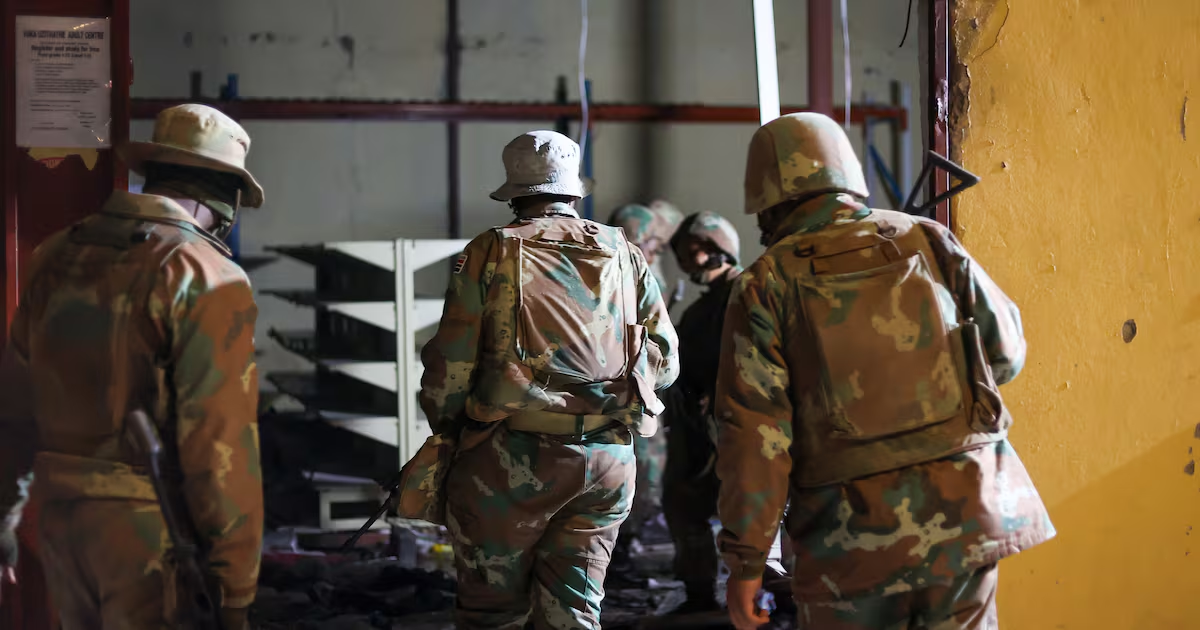
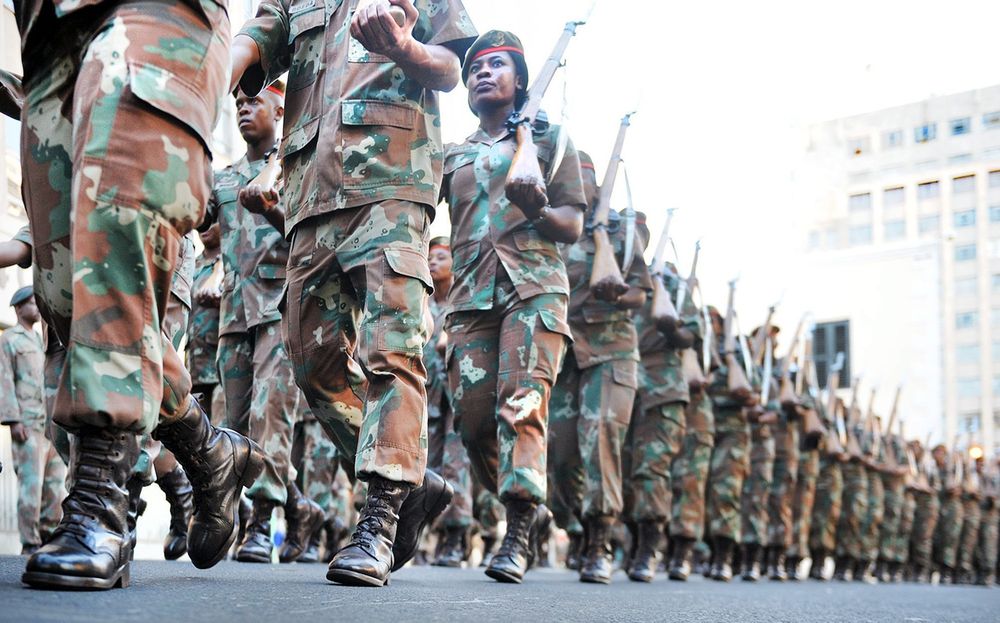
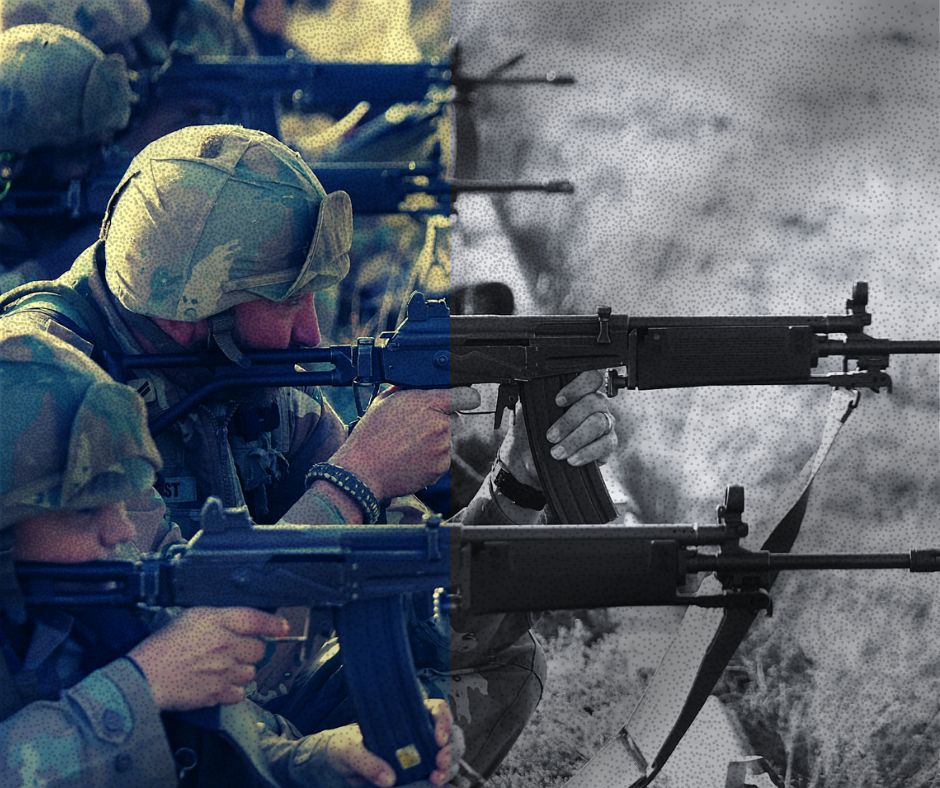
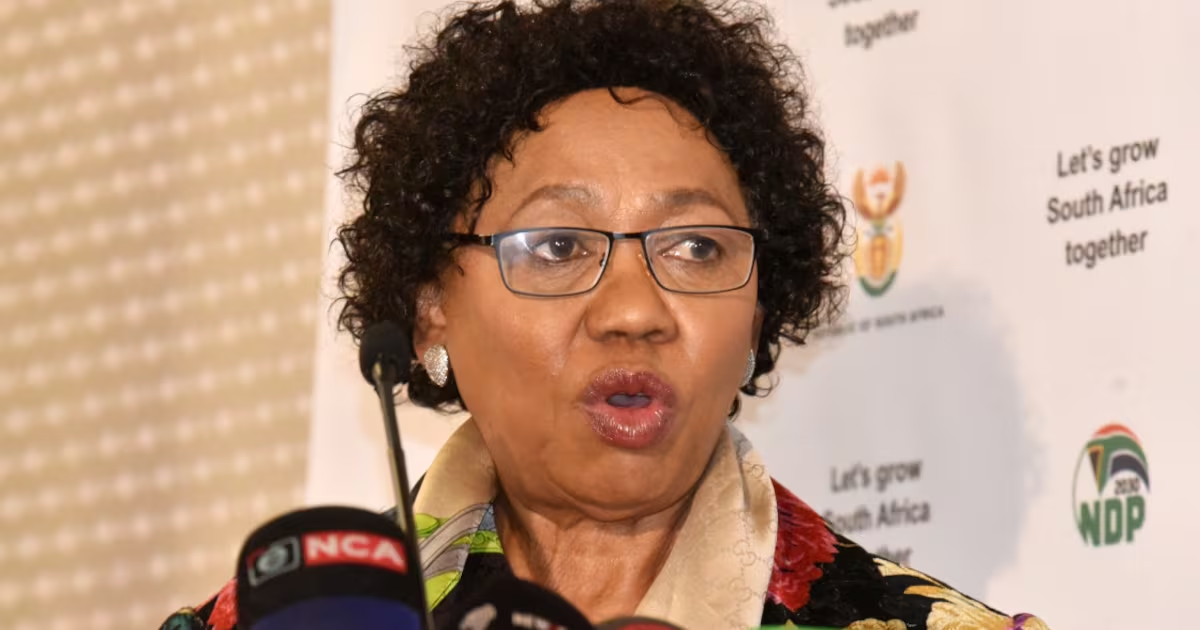
MPs from across the political spectrum, including the ANC, lamented the chronic underfunding of the South African National Defence Force (SANDF) during the budget vote debate on the departments of defence and military veterans in the National Assembly on Wednesday. This, they said, has led to a decline in South Africa’s defence capability with ageing and inadequate equipment, a lack of infrastructure maintenance, and inadequate provisioning for military personnel at a time when the role of the SANDF has been expanded to assist in border control, disaster relief and crime fighting. This lack of funding compromises national security, they said.The defence budget of R57.6bn for 2026/27 is only 0.7% of GDP, far off the 1.5% regarded by the department as a minimum threshold for a viable operational force. Adding to the dearth of funding is a lack of leadership, poor management, corruption, procurement irregularities and a lack of spending prioritisation, DA, Freedom Front Plus (FF+) and Rise Mzansi MPs said. Governance failures and the fat-cat lifestyles of generals while soldiers lack proper equipment were also highlighted. Defence & military veterans minister Angie Motshekga acknowledged the underfunding in her speech and the nonalignment between the SANDF’s mandate and its budget. “The SANDF remains essential to sovereignty, central to internal stability and critical to the republic’s regional and global obligations. Parliament is encouraged to support the department’s efforts for adequate resources,” Motshekga said. “We must choose to align defence ambition with an increased funding trajectory; restore coherence between policy and force design; protect the soldier as the centre of capability; rebuild critical domains; correct governance failures; stabilise operational financing; and renew the defence industrial base in support of long-term sovereignty,” she said. Motshekga noted among other deficiencies that dockyard challenges have reached a critical point. Essential equipment and port infrastructure continue to deteriorate and need to be repaired or replaced. “The government has made two policy adjustments that reveal the pressure being placed on the force. The first is the withdrawal of the SANDF from regional peace support operations. The second is the broader use of the SANDF in domestic operations to address urgent internal security priorities, such as gang violence, illegal mining and organised crime. “At the core of the defence dilemma lies a fundamental and persistent misalignment between mandate, expectations and funding. This is a strategic national concern, requiring a structured compact between strategic intent and fiscal planning, sustained over multiple planning cycles. “Strategic work has already been undertaken within government to restore coherence to defence planning.” In early May, the cabinet approved a 30-year defence plan — referred to as the “journey to greatness” — which has been broken down into phases and costed with the aim of reconnecting defence policy, military strategy, force design, force structure and long-term capability planning to a feasible future pathway. The plan will now undergo parliamentary processes. The minister acknowledged that the department of defence has a personnel structure that is not sufficiently funded by its budget. This has repeatedly led to findings of unauthorised expenditure by the auditor-general. “The department has received qualified audit opinions, repeat findings, overspending on compensation of employees and accumulated irregular expenditure. These matters cannot be brushed aside,” Motshekga said. She added that consequence management is being vigorously pursued, which has to include internal disciplinary action, criminal proceedings and the recovery of monies lost by the state. Business Day