Giorgio Trovato / Unsplash
Homes rarely feel dirty because people clean what they can see. Counters get wiped, floors get vacuumed, and laundry cycles run on schedule. The real problem hides elsewhere. Dust settles where attention fades, moisture lingers in places designed to stay wet, and everyday objects quietly collect residue long after they stop looking messy.
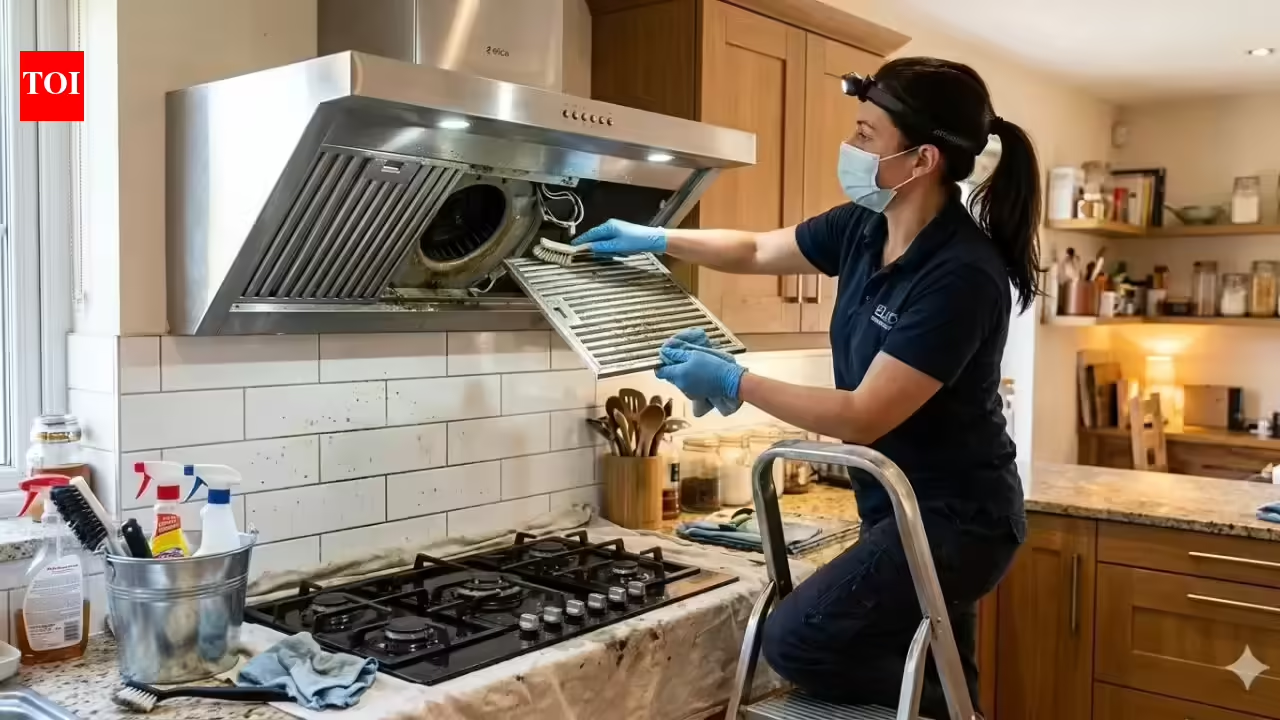
Cleaning experts say the dirtiest areas are usually the ones missing from routine checklists. These surfaces sit just outside daily habits. They require bending down, reaching up, unplugging appliances, or taking something apart. Small inconveniences turn into long delays, and buildup happens gradually enough that it goes unnoticed.
A review by Reader’s Digest shows that many high-bacteria surfaces are not obvious trouble spots. Kitchens, bathrooms, and shared electronics accumulate microbes simply through normal use. The problem is not how people clean but what they miss.
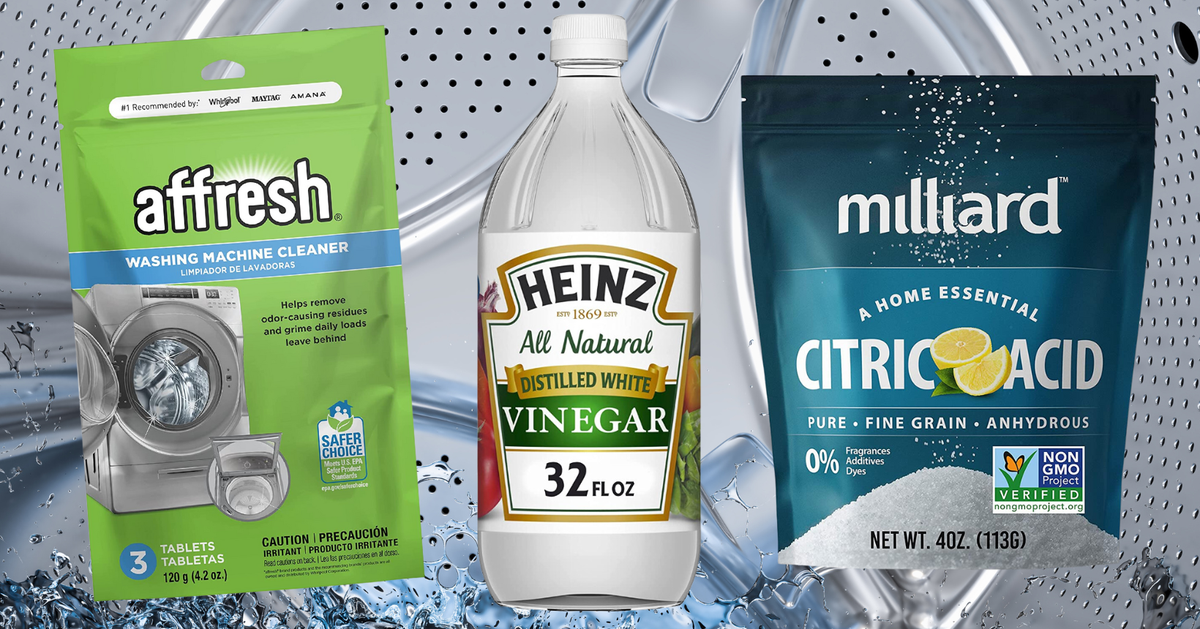
The encouraging news is that fixing the problem does not require deep cleaning marathons. Most of these spaces respond well to brief, targeted maintenance using tools already at home. A few extra minutes spent on the right surfaces can change how an entire room feels.