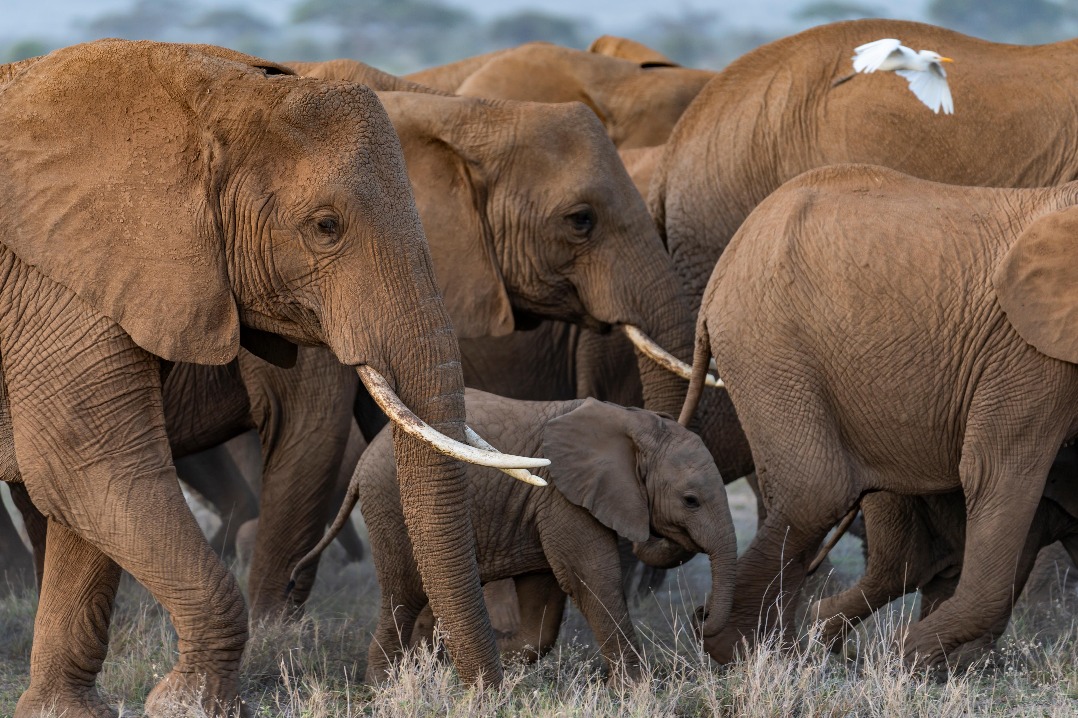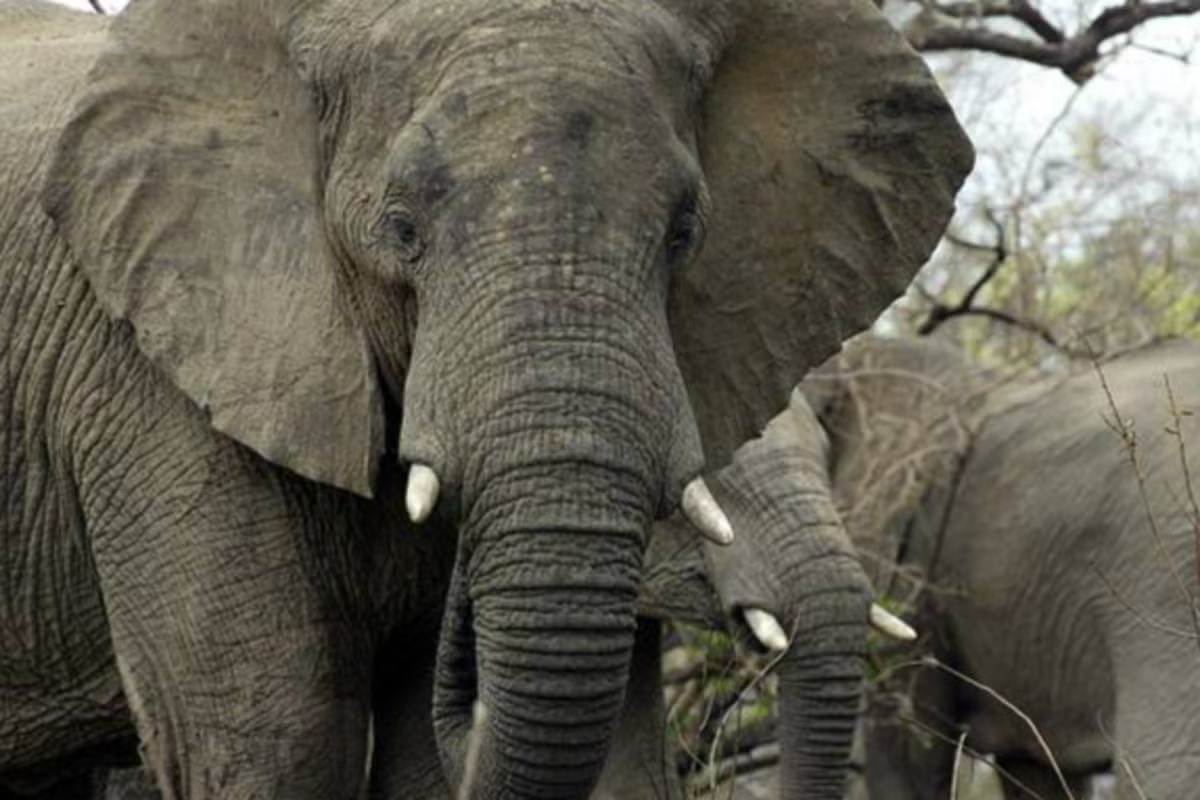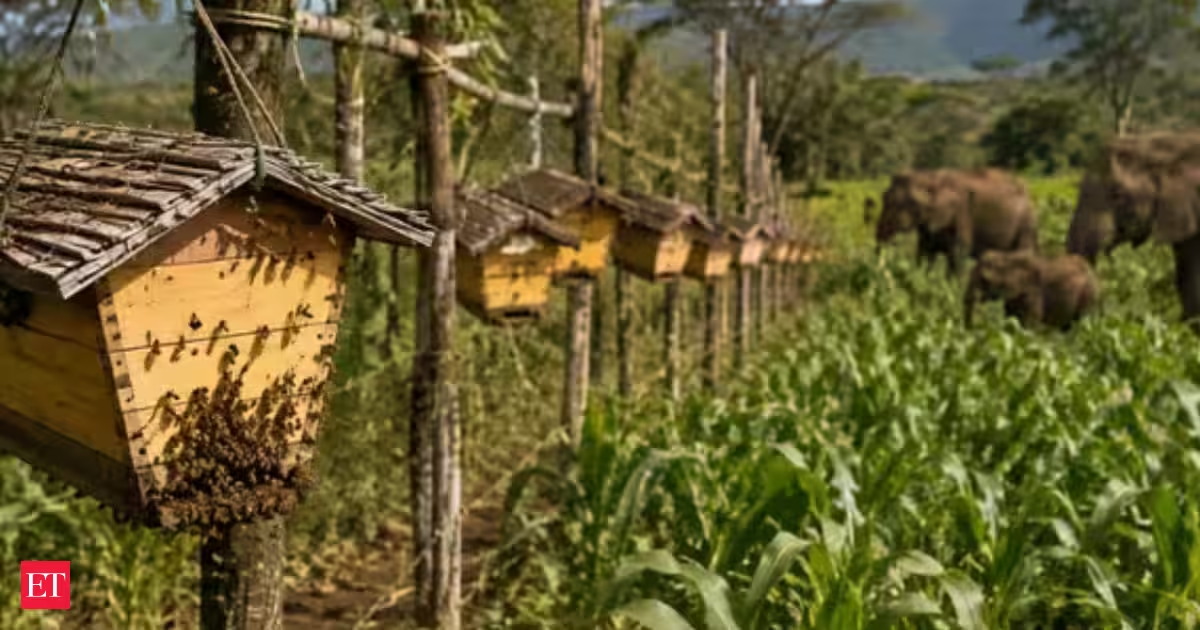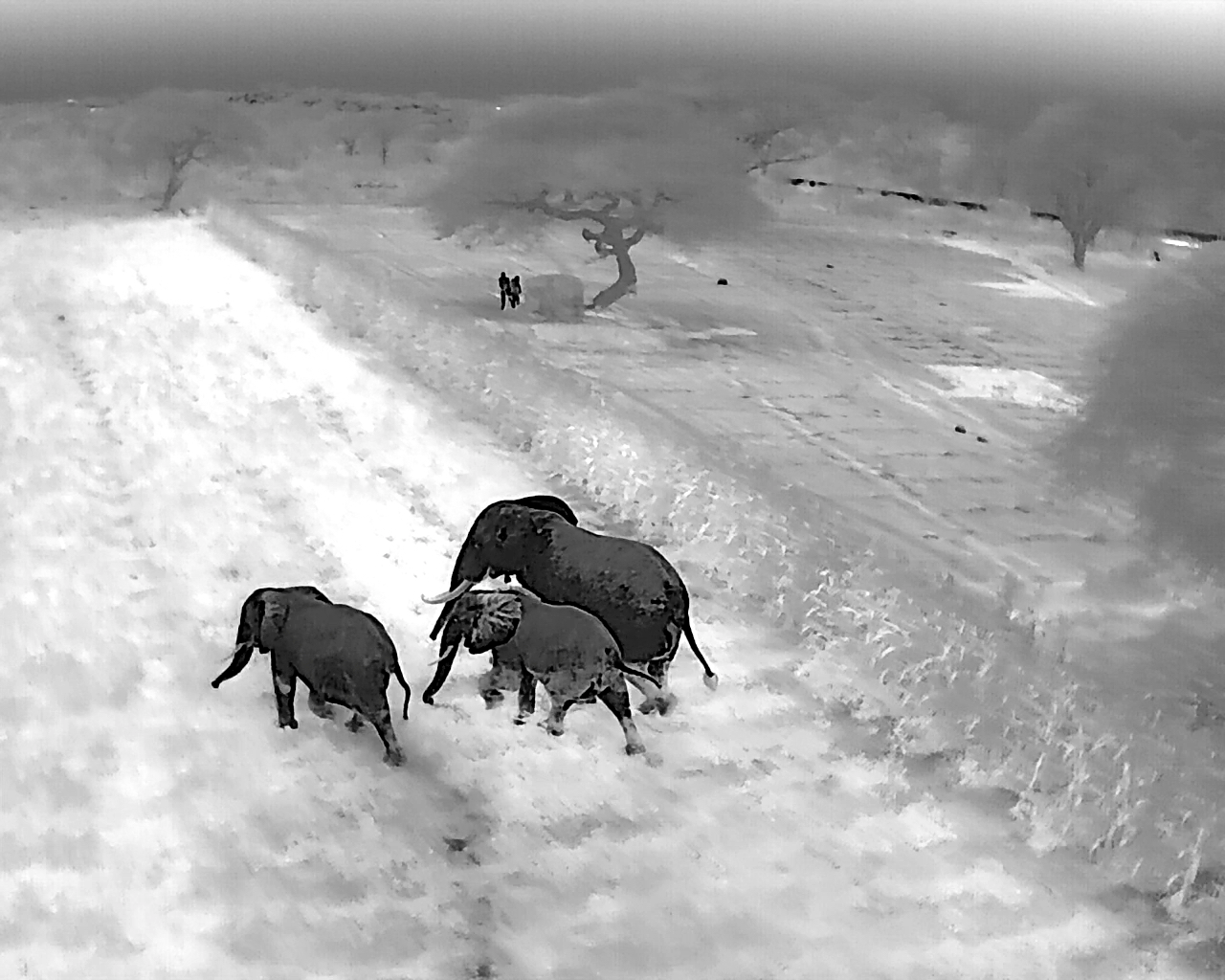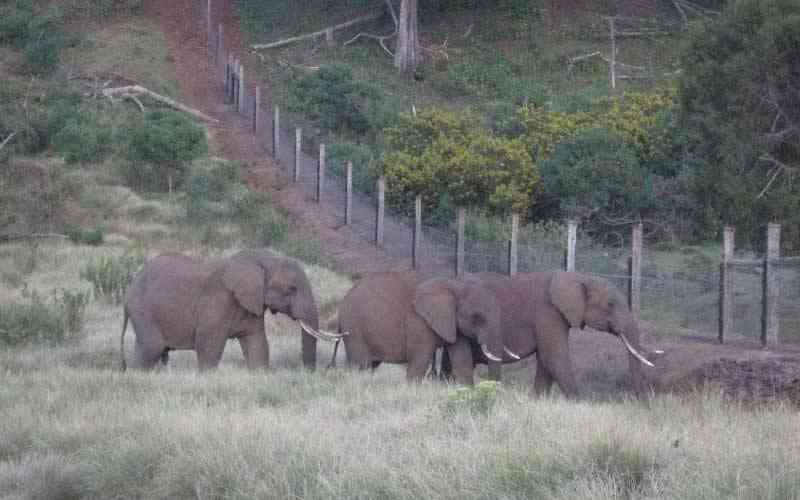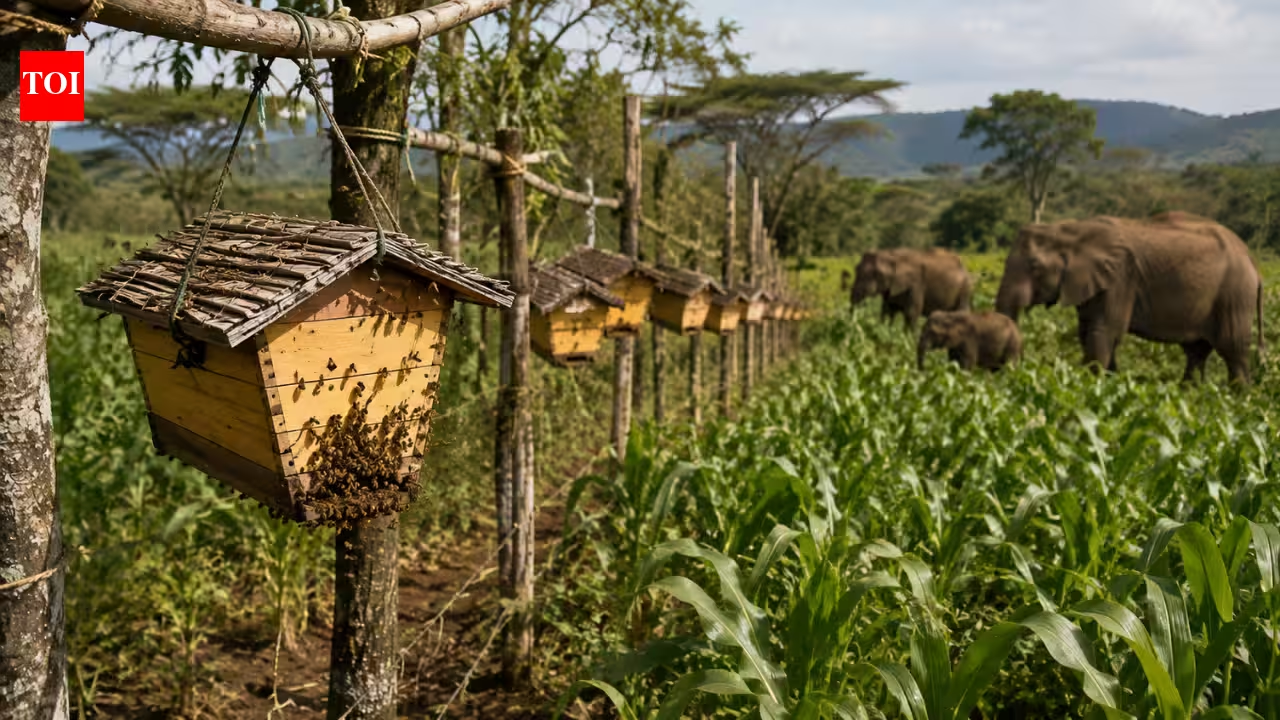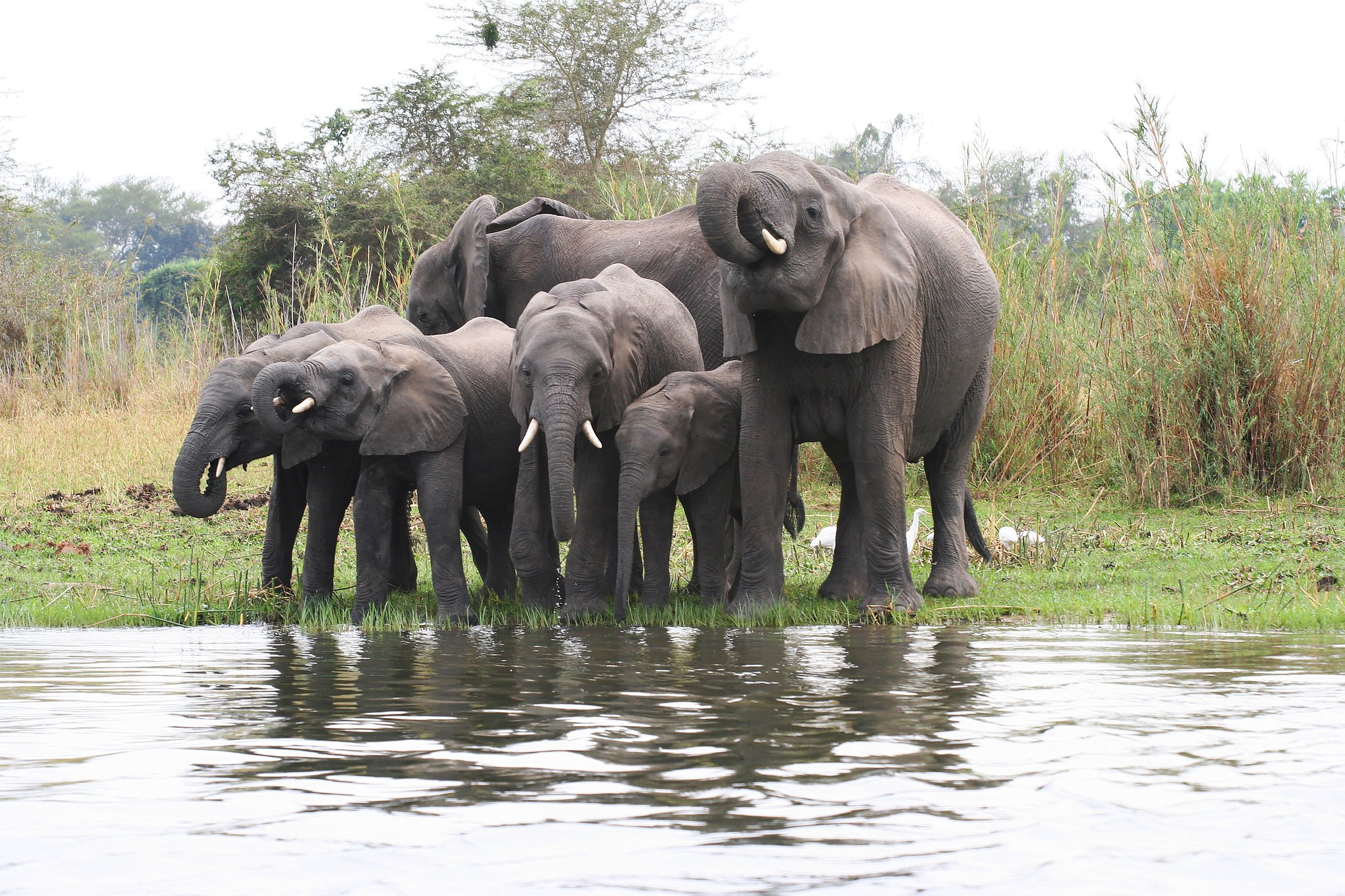
In 2015, Malawi and Zambia signed a treaty to create a transfrontier conservation area that allows wildlife to cross from Malawi’s Kasungu National Park, to Zambia’s Lukusuzi and Luambe national parks.Much of Kasungu’s eastern boundary is fenced, but there’s no fence along its western boundary, located along Zambia’s eastern border.This means the elephants can move out of the park into an area of human settlements to reach Lukusuzi. But they also raid farmers’ fields.Conservation group IFAW is setting up cluster farms, surrounded by electric wires to prevent the elephants from destroying crops, giving them a chance to cross farmlands to reach secure rangelands in Zambia.
LUNDAZI, Zambia — “It’s not possible [to coexist with elephants], because they are animals and we are human beings — they should have their own home,” says Esnart Banda, a Zambian farmer whose maize and tobacco fields lie 5 meters, just 16 feet, from the boundary of Malawi’s Kasungu National Park.
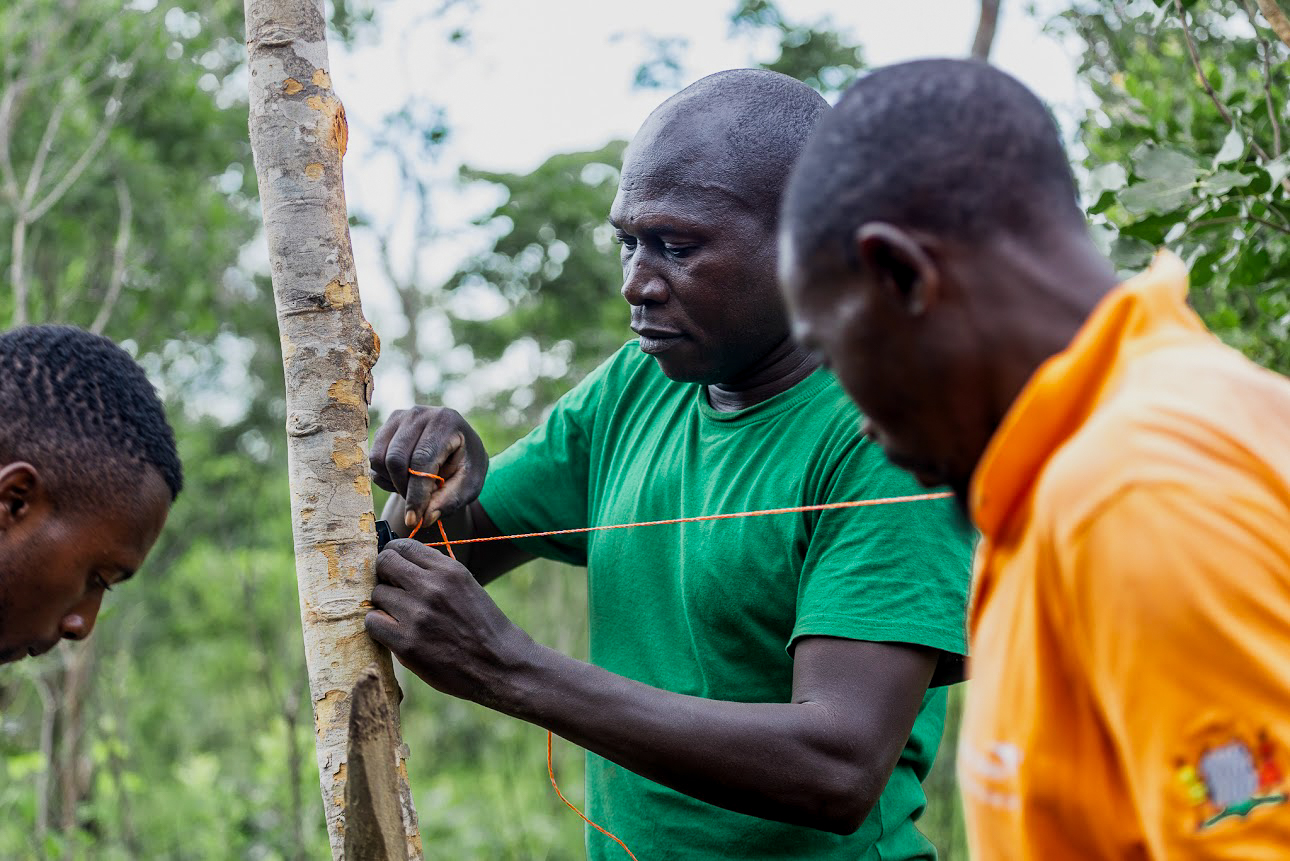
Just two thin strands of orange, plastic-coated wire now stand between Banda’s crops and Kasungu’s elephants.
The wires, known as polywire fencing and supplied by conservation group IFAW and Zambia’s Department of National Parks and Wildlife (DNPW), are strung taut between straight, evenly cut fence poles that Banda and her helpers erected. To the uninitiated, they hardly seem capable of stopping a herd of elephants. But Banda herself attests to their effectiveness.