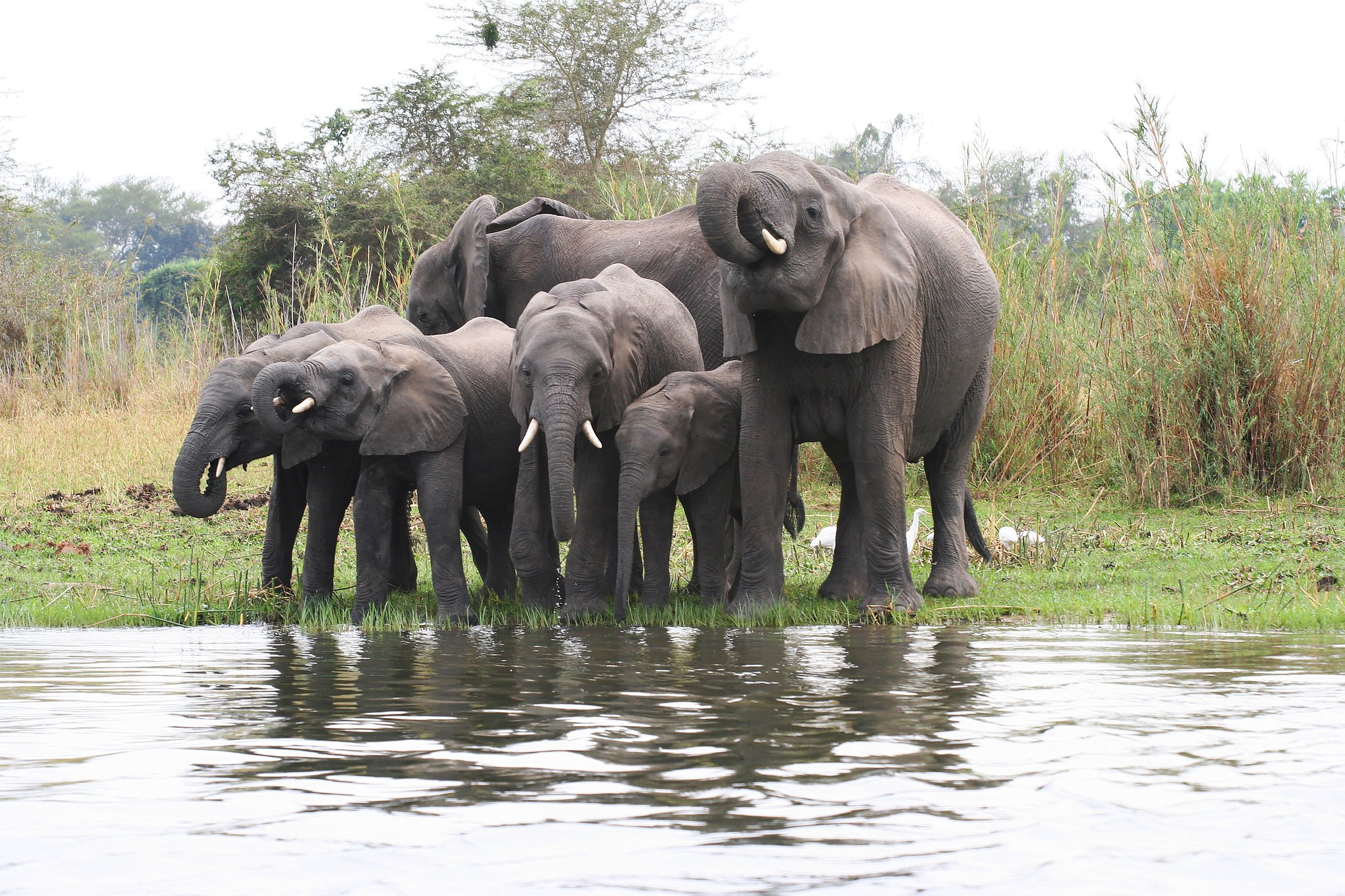
In Zambia’s Eastern Province, a community radio station beams out programs and messages on coping with human-wildlife conflict.Tuning in are villagers living in a transfrontier conservation area straddling this part of Zambia, and neighboring Malawi.When Mongabay visited, residents were mostly worried about attacks by hyenas, which officials say have recently claimed the lives of four children.But cutting-edge satellite technology also provides farmers with an early warning on the approach of potentially destructive elephant herds.
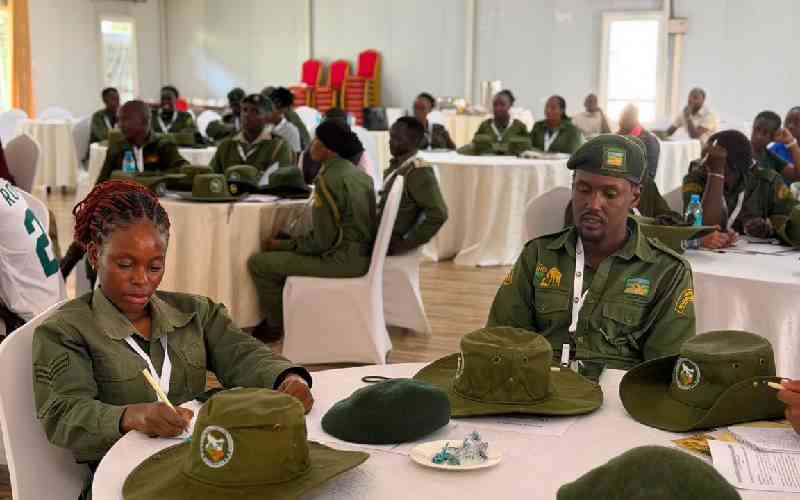
LUNDAZI, Zambia – In a yellow, single-story building in the eastern Zambian town of Lundazi, a radio presenter fields numerous calls from anxious villagers on nearby farms. Sitting across from presenter Joseph Mwale in the air-conditioned studio are two officials from Zambia’s Department of National Parks and Wildlife (DNPW). One of them, Senior Ranger Mathews Mumbi, tells listeners: “Avoid going out at night to avoid the ngozi (accidental harm).”
Many of the villagers tuning in to the Thursday evening program live in a transfrontier conservation area (TFCA) straddling eastern Zambia and neighboring Malawi: dangerous encounters with wild animals is a way of life here.