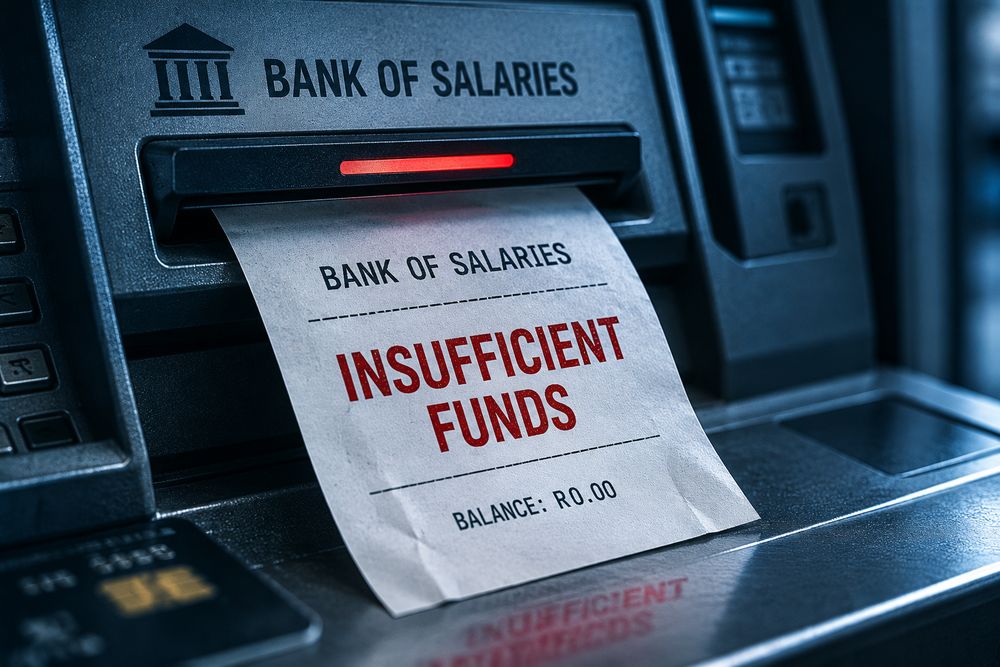
An analysis by Paymenow reveals that South African workers have lost over 40% of their purchasing power against essential costs over the past decade, highlighting the urgent need for employers to rethink remuneration strategies.
A new analysis released by leading earned wage access and employee financial wellness platform, Paymenow, for Workers' Month finds that the real purchasing power of South African employees has declined by slightly more than 40% against electricity, fuel, utilities, and food over the past decade, even as headline inflation has generally remained inside the Reserve Bank's target range. The gap between official inflation and the lived cost of living, the analysis argues, is now wide enough that traditional, salary-only remuneration models are quietly failing employers and employees alike.
Fuel and energy inflation continues to compound the pressure on take-home pay, and current geopolitical volatility is expected to push it even higher in the months ahead. South African workers spend between 35% and 50% of their disposable income on transport, fuel, and utilities. Cumulative electricity tariffs have risen by 132% over the past ten years, paraffin by 226%, diesel by 132%, and petrol by 86%. Over the same period, average wages across all industries have grown by just 61.2%.