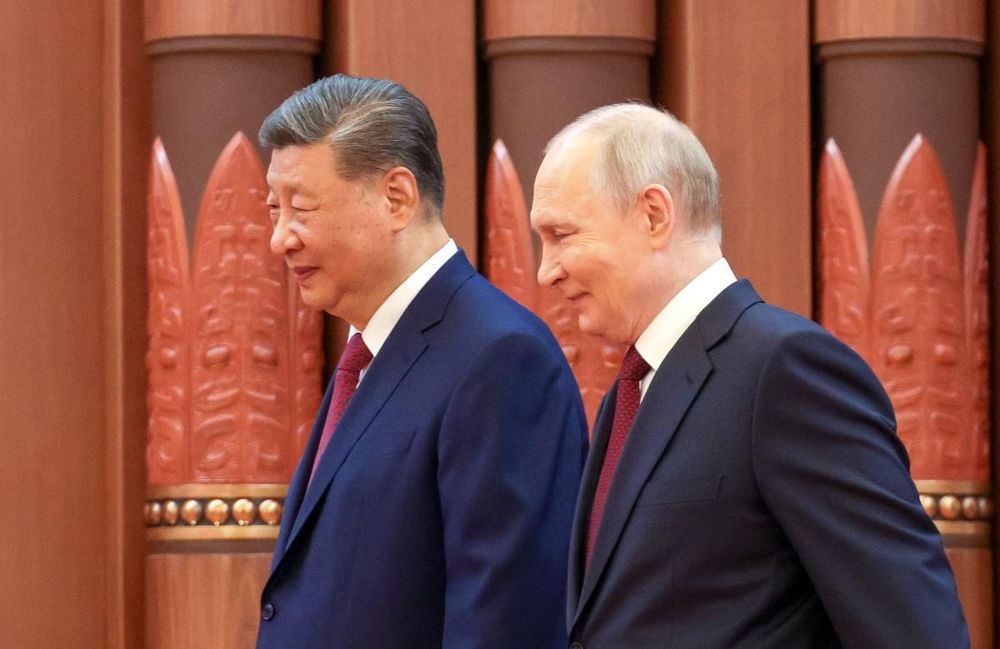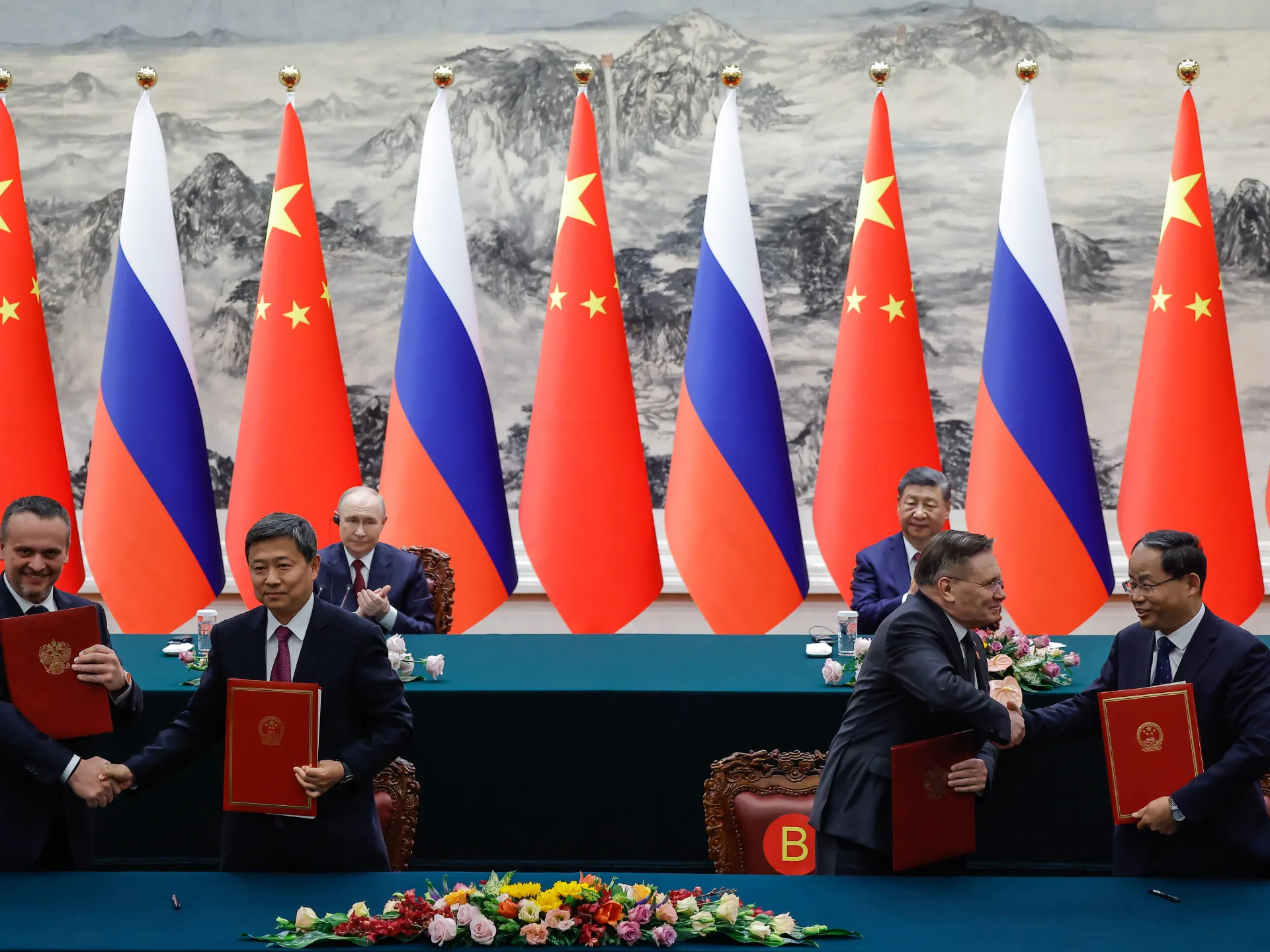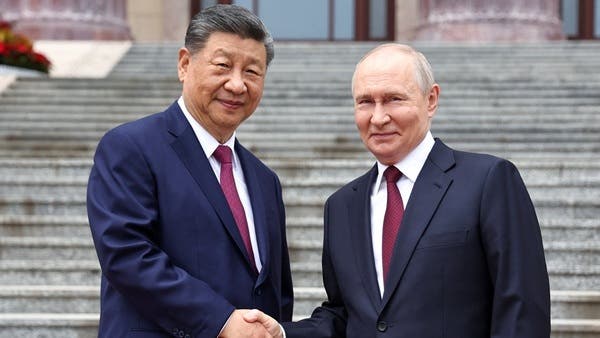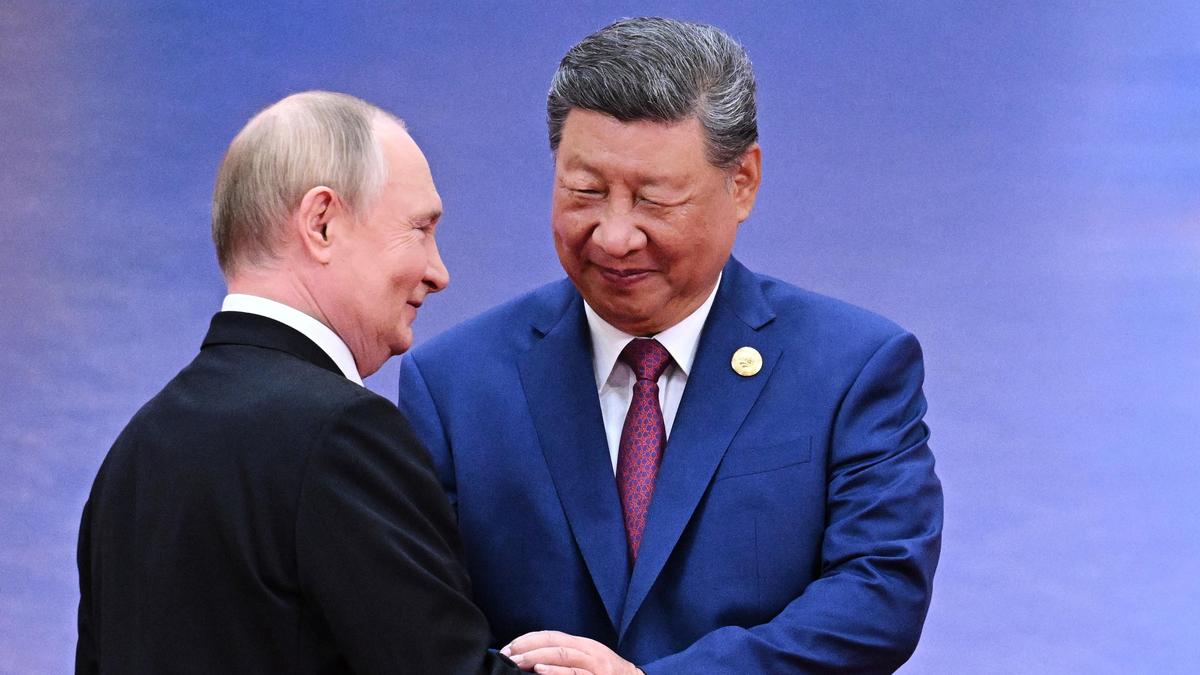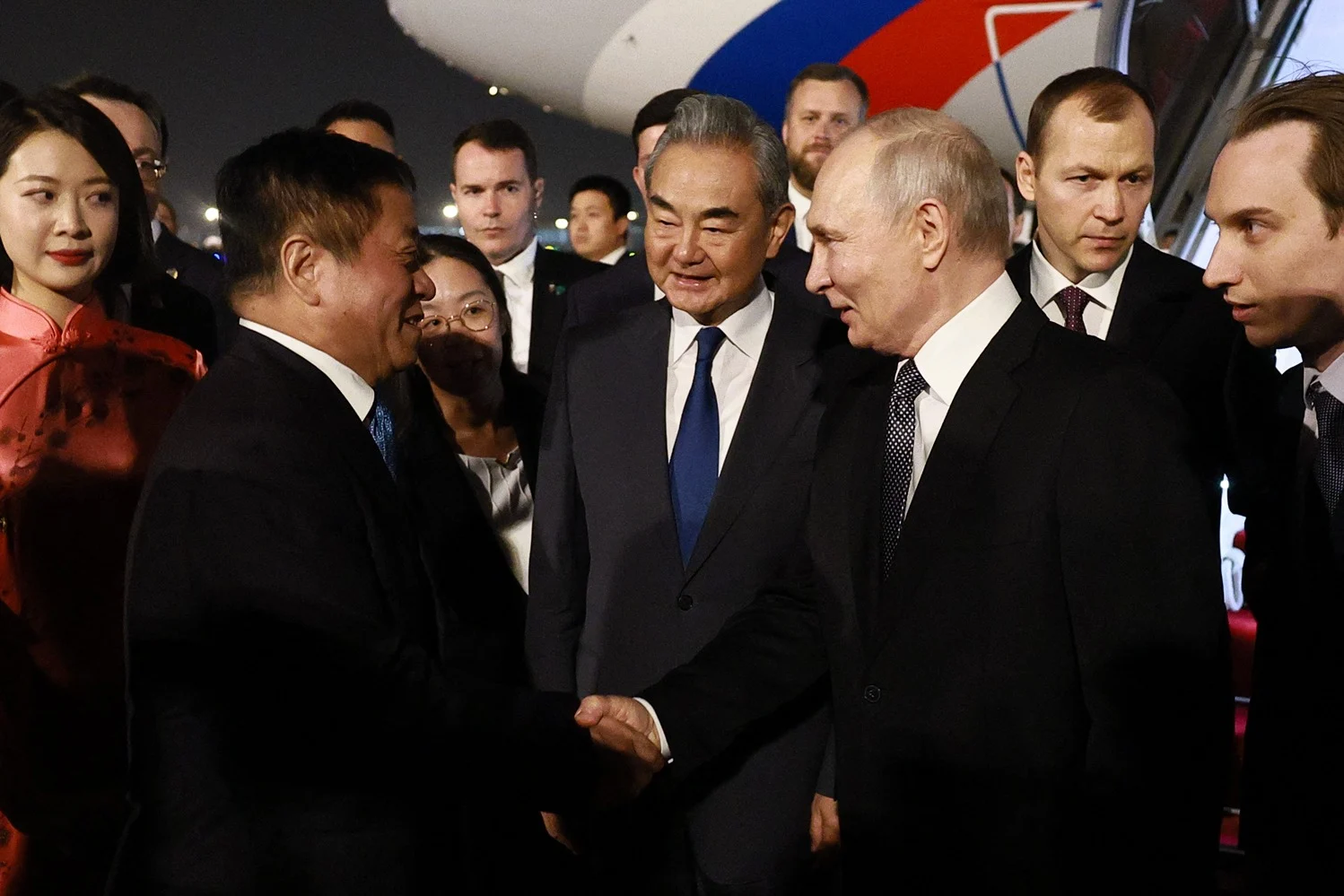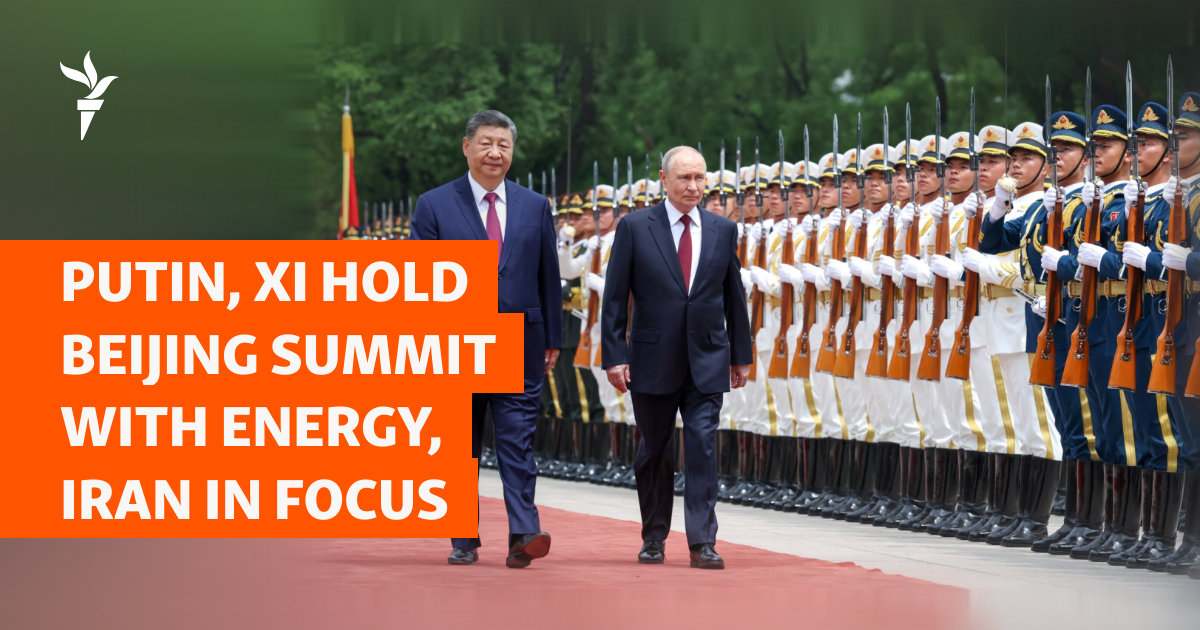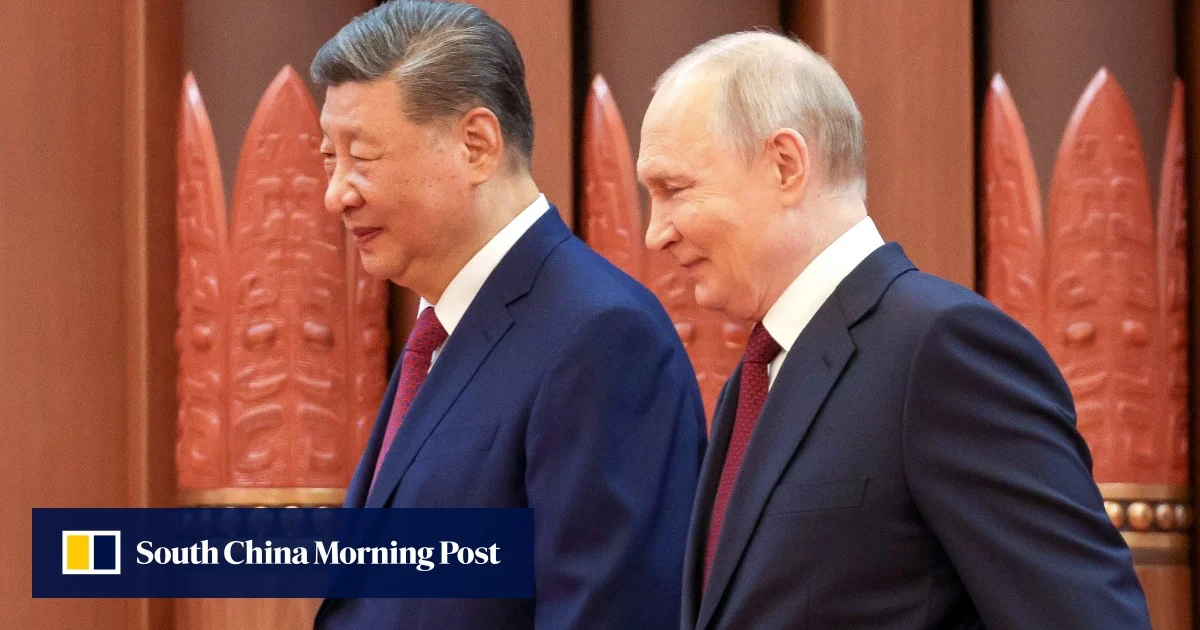
Cooperation between China and Russia on science and technology could help stop US isolation and allow the international science community to “return to normalcy” amid geopolitical tensions, according to experts in the US and Russia.It could also offer the world an alternative model of scientific collaboration and signal a shift in the scientific “centre of gravity” from the West to the East.As the leaders of China and Russia met in Beijing, experts said they hoped the summit would provide institutional support and a “structural backbone” for more scientific cooperation.On Wednesday, Russian President Vladimir Putin and his Chinese counterpart Xi Jinping met to discuss a broad range of issues, including trade, the economy, energy and education.At the summit, Moscow and Beijing signed 40 agreements, including on deepening cooperation in innovation, technology, energy, science and education.Valery Fokin, a professor at the University of Southern California, said in an interview on Tuesday that scientific collaboration between China and Russia could be good for the US, as it could “stimulate the US to join rather than to isolate”.Fokin said he would be glad to see any alliances or collaborations – whether between Russia-China, Russia-US, US-China, or all three – because if enough scientific powers took the first step, others would have no choice but to join.
How China and Russia could team up to shift global science ‘centre of gravity’
Scientists say they hope Xi-Putin summit will bring more support for collaboration as Moscow and Beijing sign deals on tech and innovation.
212 words~1 min read