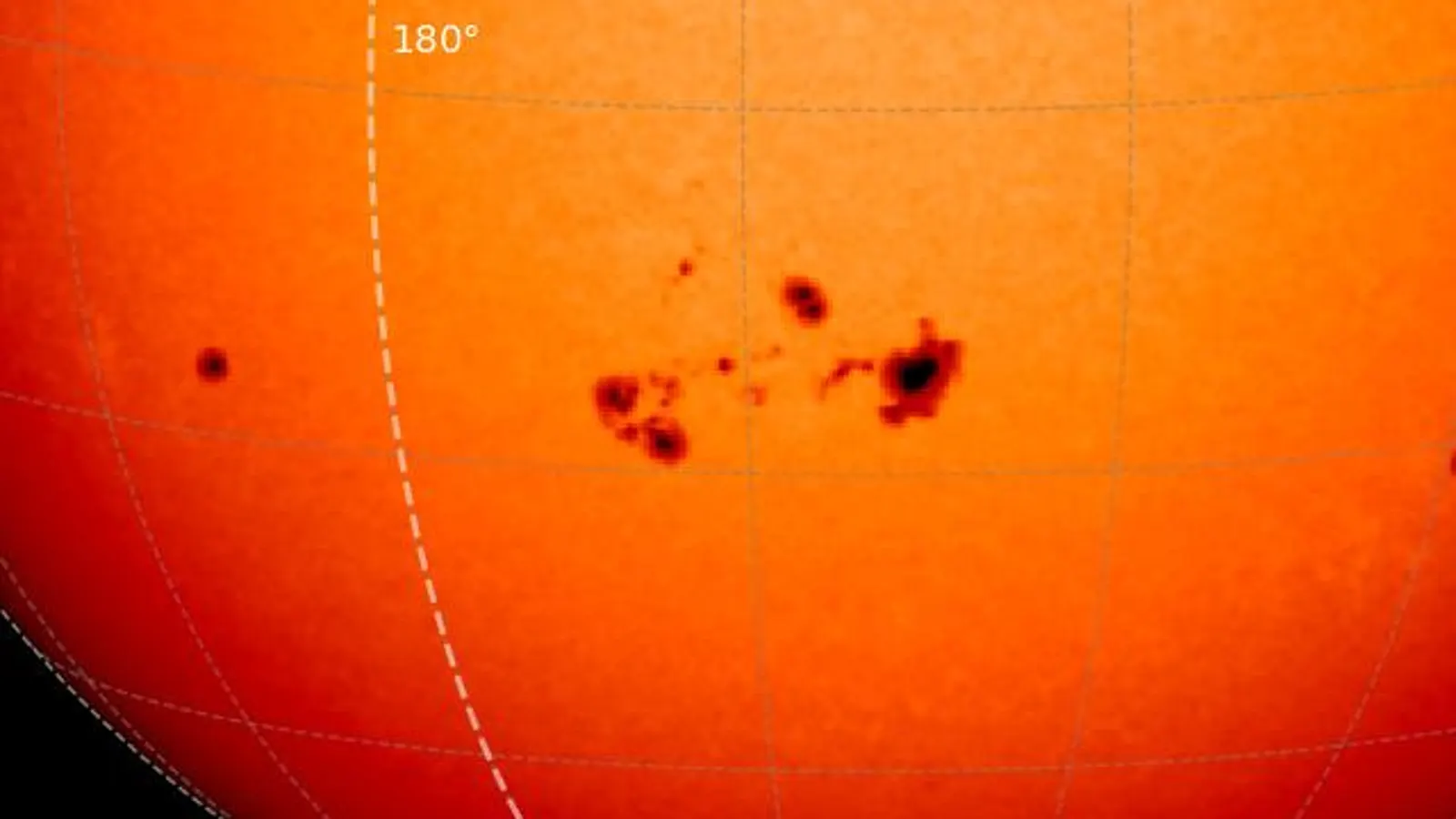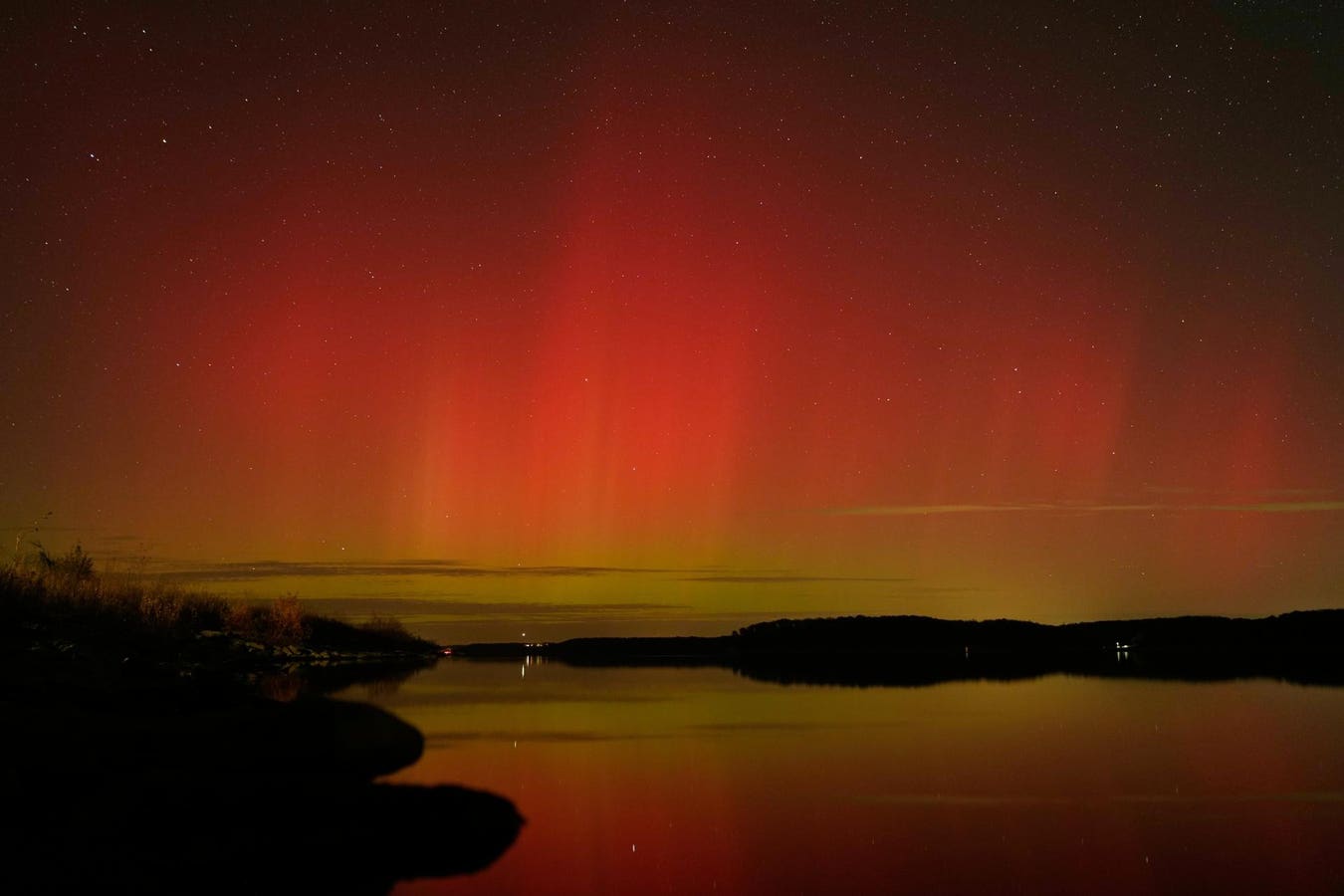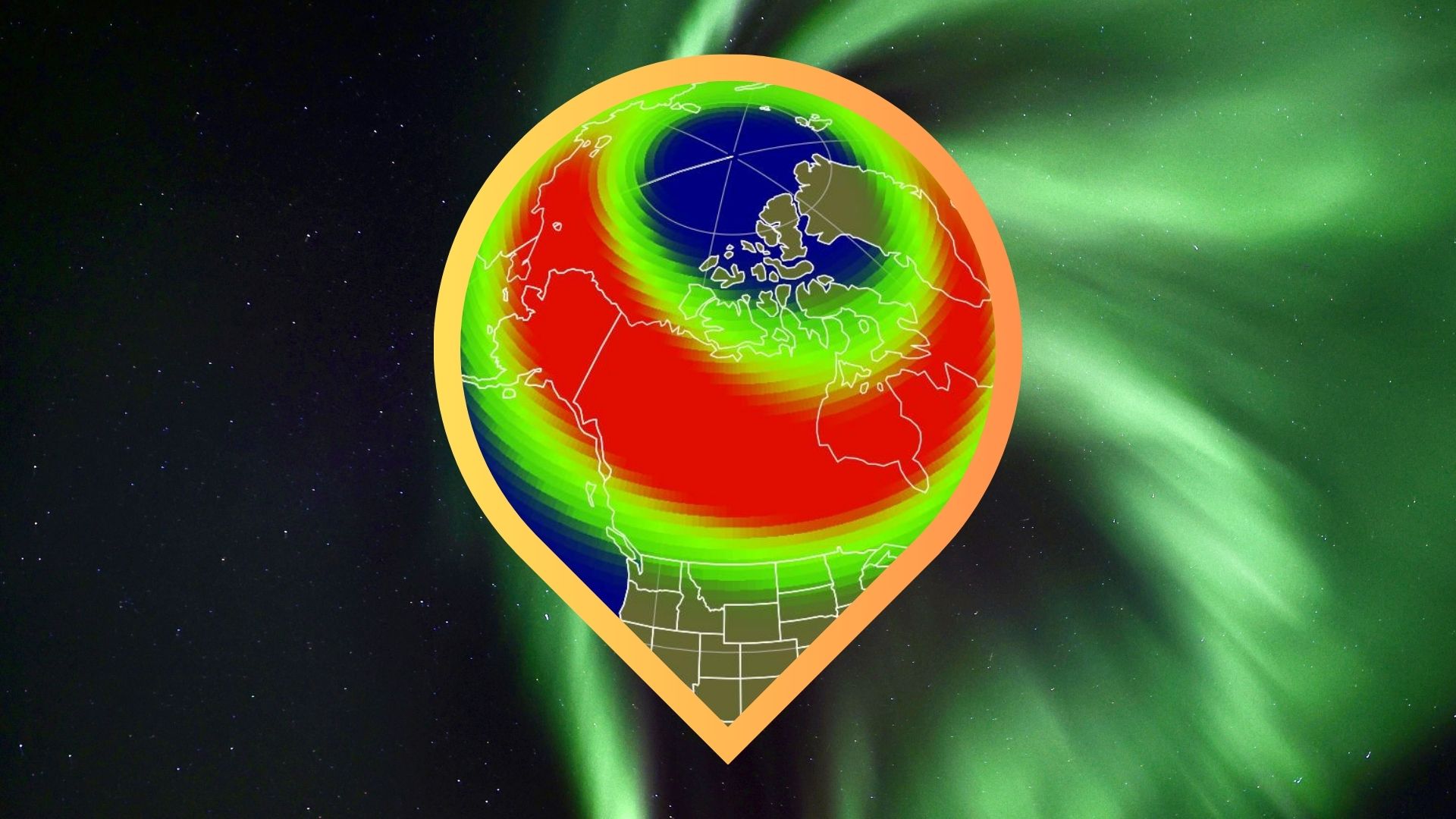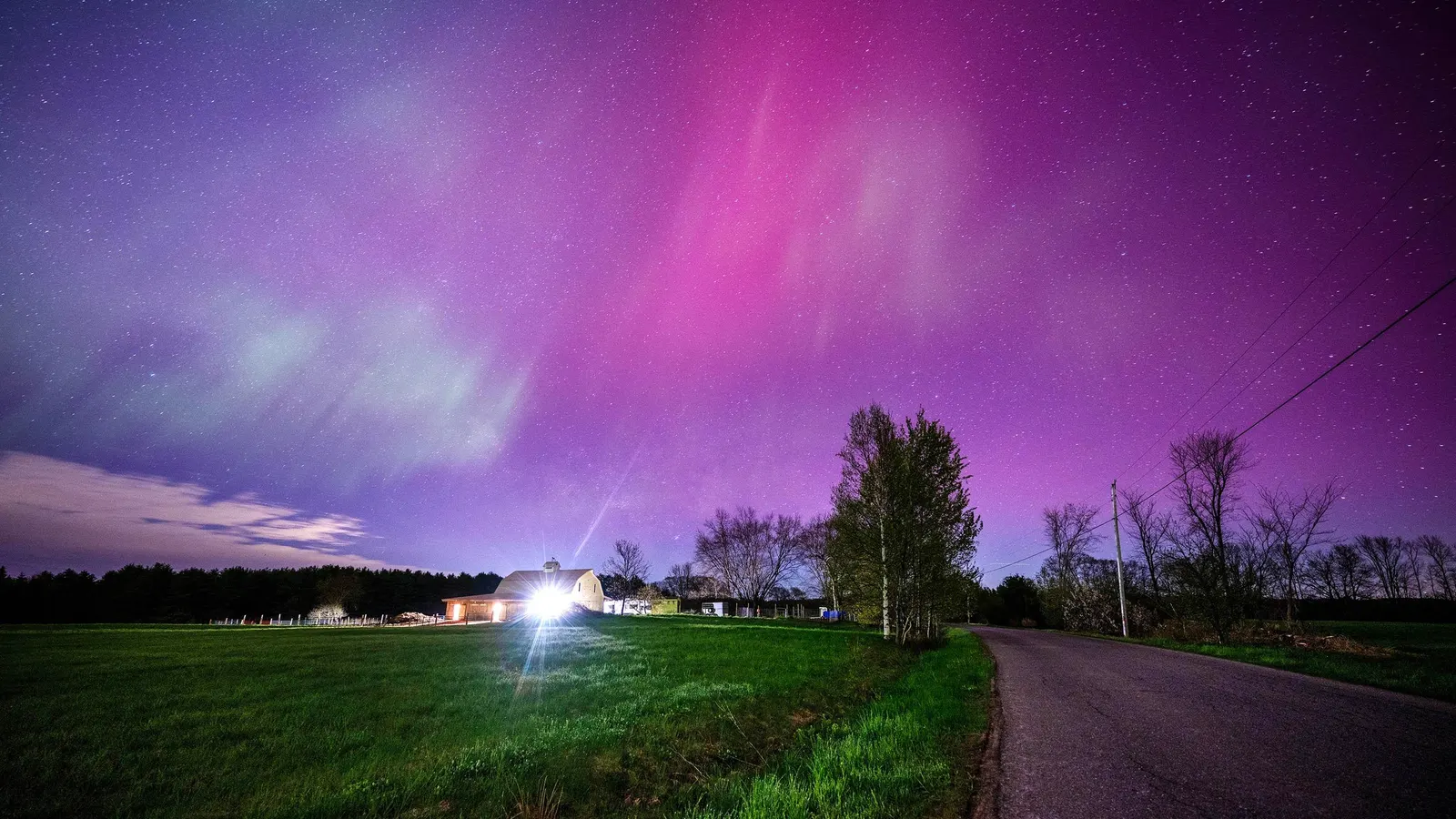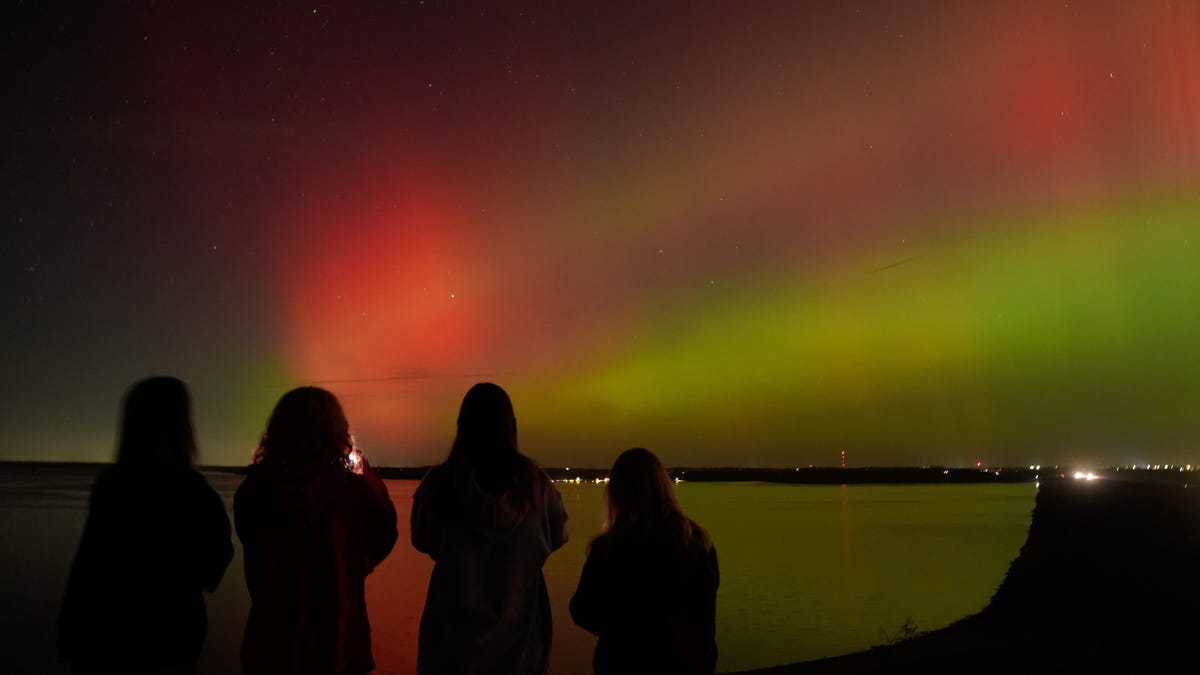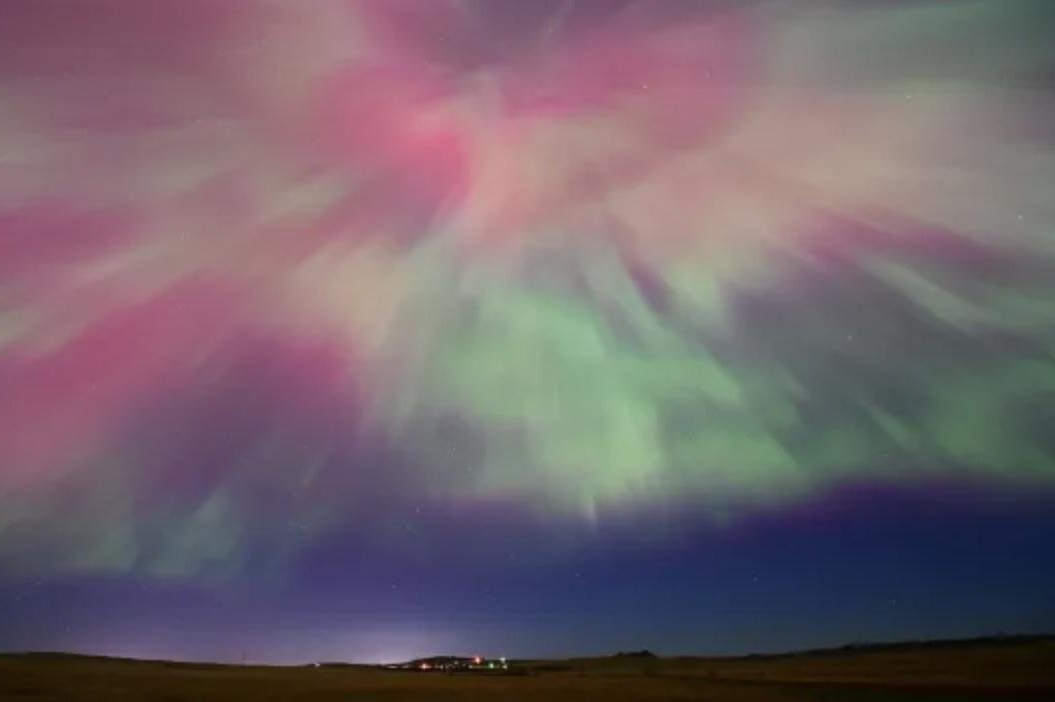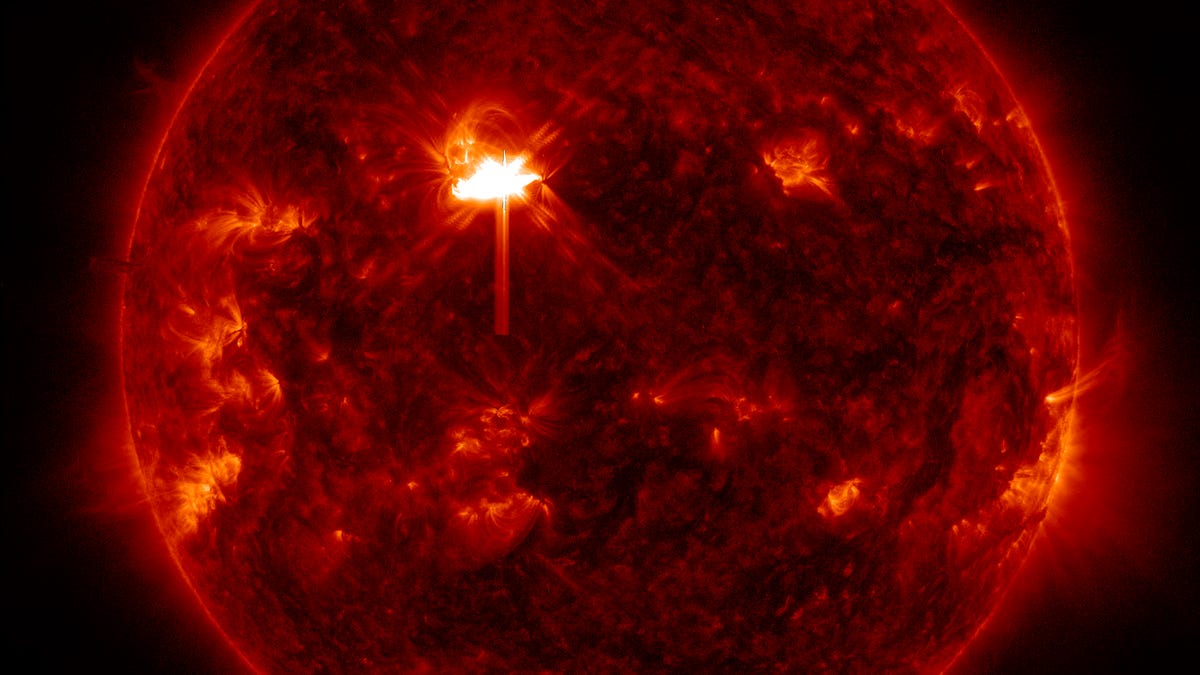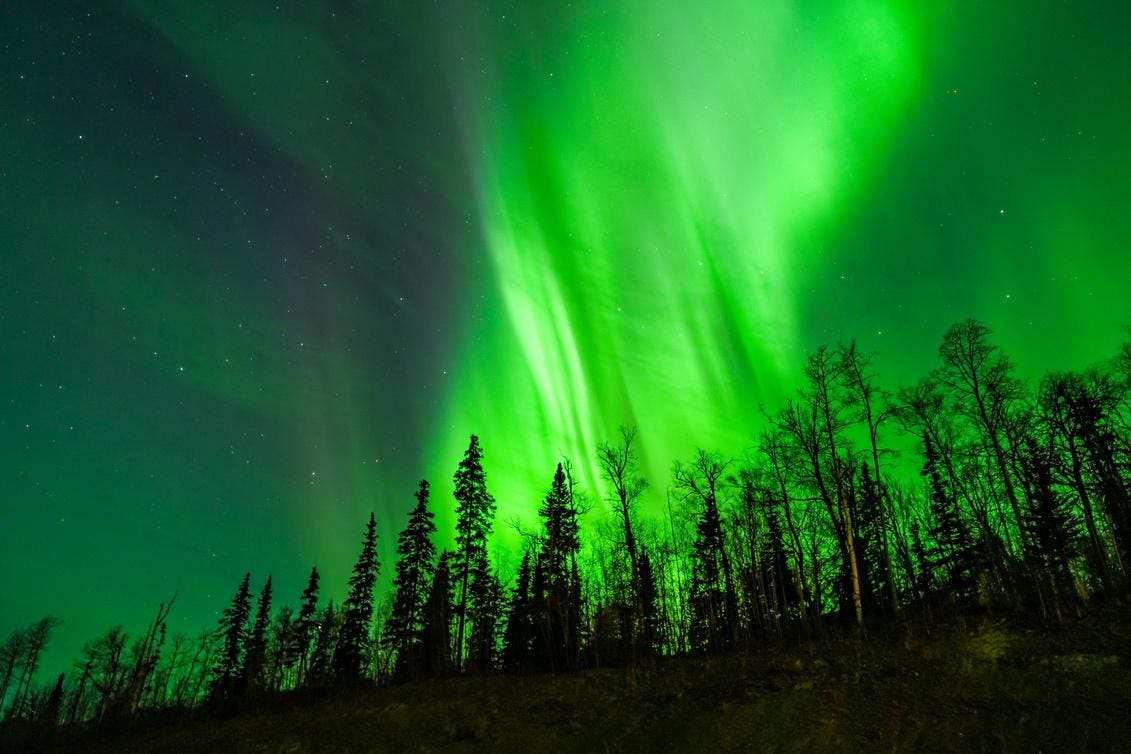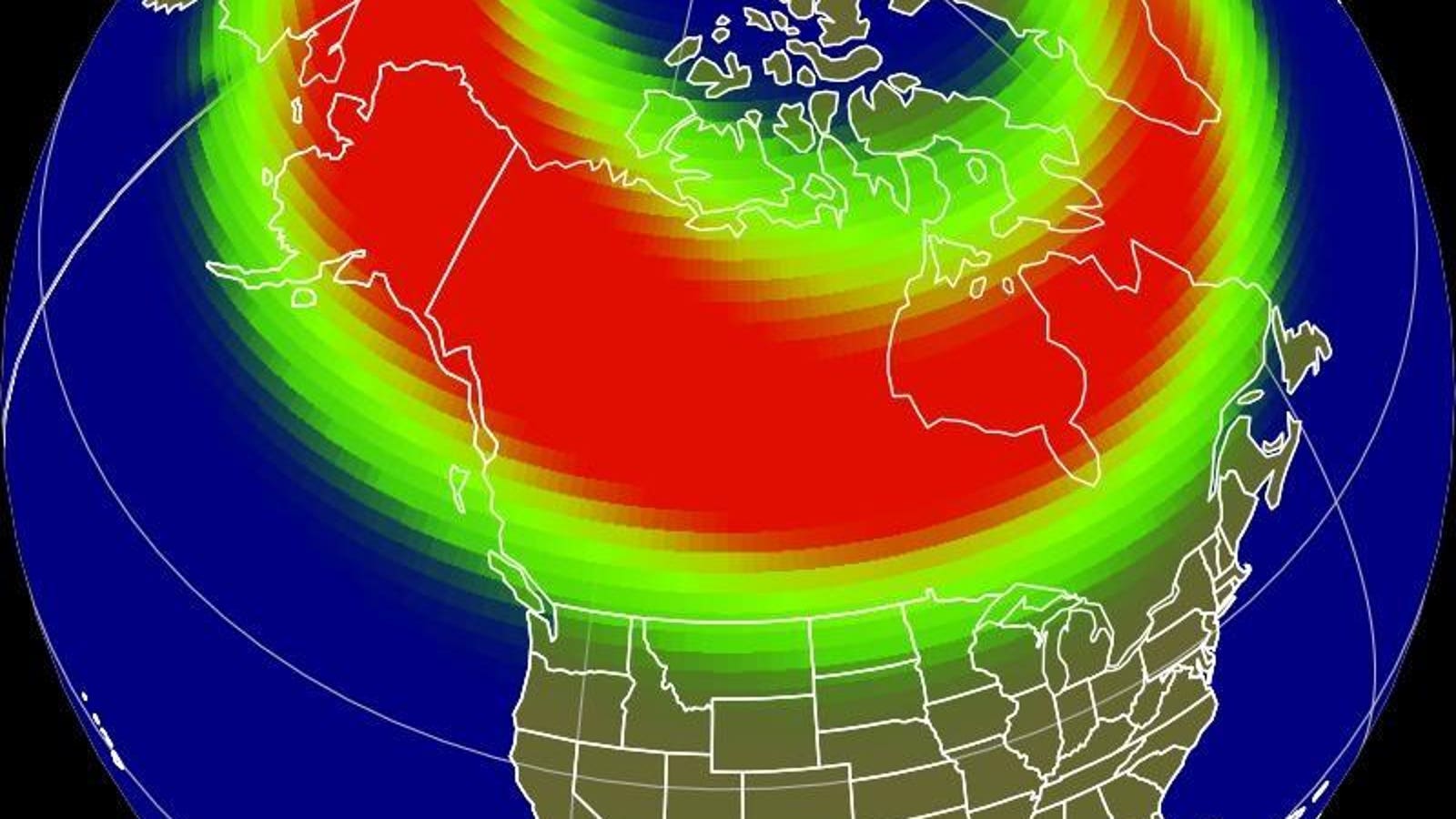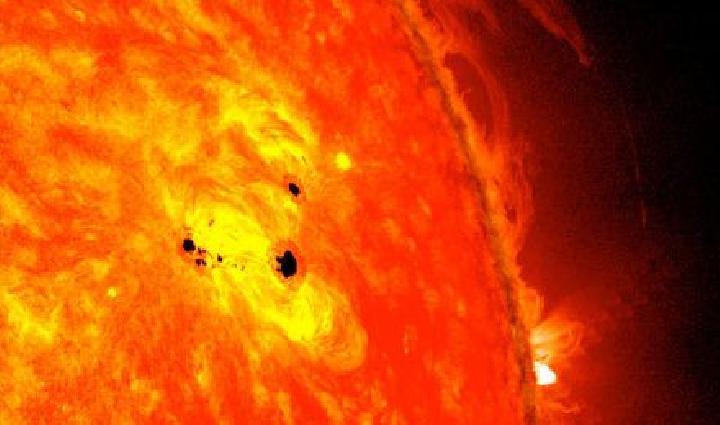
TEMPO.CO, Jakarta - Despite recent activity in the skies, the Sun has stayed relatively calm in recent months. In the coming days, however, it might change so dramatically as scientists monitor one of the biggest sunspot regions in years turning toward Earth.The massive sunspot was spotted by the European Space Agency’s Solar Orbiter spacecraft, which can observe parts of the sun invisible from Earth. Since the Sun rotates approximately every 27 days, whatever is on the far side will soon come into view from Earth, potentially triggering geomagnetic storms and brighter aurora displays.What are sunspots?According to NASA, sunspots are relatively cooler, darker patches on the Sun’s surface. They are also regions of intense and complex magnetic activity that can trigger solar eruptions and coronal mass ejections (CMEs). The phenomenon is often tied to the presence of northern lights, which occur when charged solar particles collide with Earth’s magnetic field.As People and Forbes noted, there were reports on two X1-class solar flares and a dozen of M-class flares between Friday, May 15 and Saturday, May 16. As a result, the anticipation surrounding the sunspot’s arrival and the solar activity that follows it continues to grow.When will the northern lights potentially be visible?The massive sunspot region is expected to remain active as it moves into Earth’s view from May 22 onwards. If additional CMEs erupt and head in Earth’s direction, northern lights could intensify quickly with little notice. Generally, the best time window to view the aurora borealis is when the skies are at their darkest, typically between 10 PM and 2 AM.Where will the northern lights be visible?According to People, if geomagnetic activity increases, the northern lights could be visible across parts of Canada and the northern United States. However, forecasts remain unpredictable, as visibility heavily depends on story intensity, cloud cover, and the skies’ darkness.Read: Solar Flare Triggers Atlantic Blackout, Aurora Sightings ExpectedClick here to get the latest news updates from Tempo on Google News
Giant Sunspot Could Bring Northern Lights Starting May 22
One of the largest sunspot regions in years will face Earth this week, potentially increasing the chances of northern lights from May 22 onwards.
325 words~1 min read