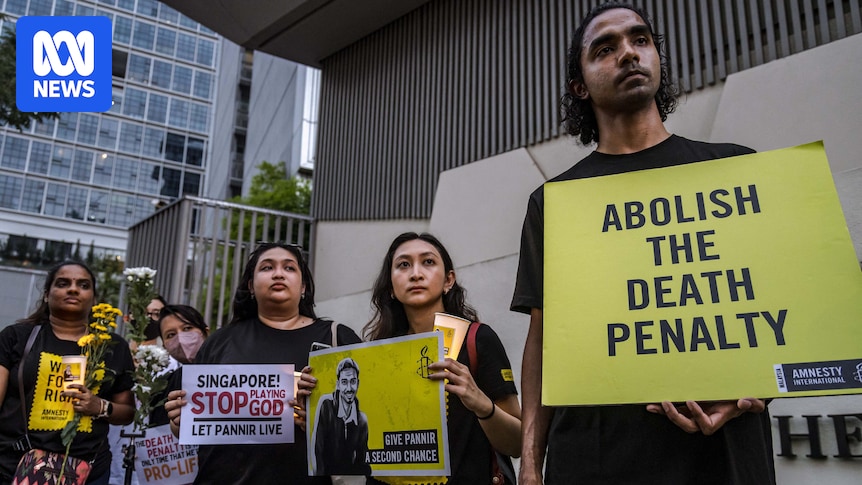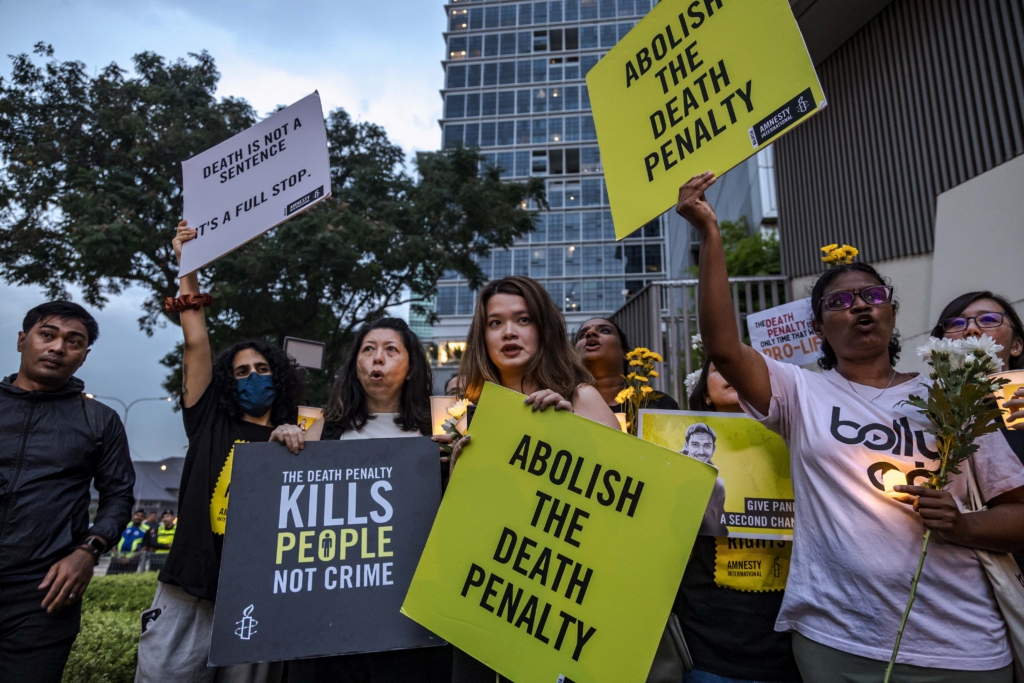
New Delhi: Iran saw the highest number of death penalties in 2025, a new Amnesty International report revealed. The report released Monday also added that global use of the death penalty reached its highest level in more than four decades in 2025.
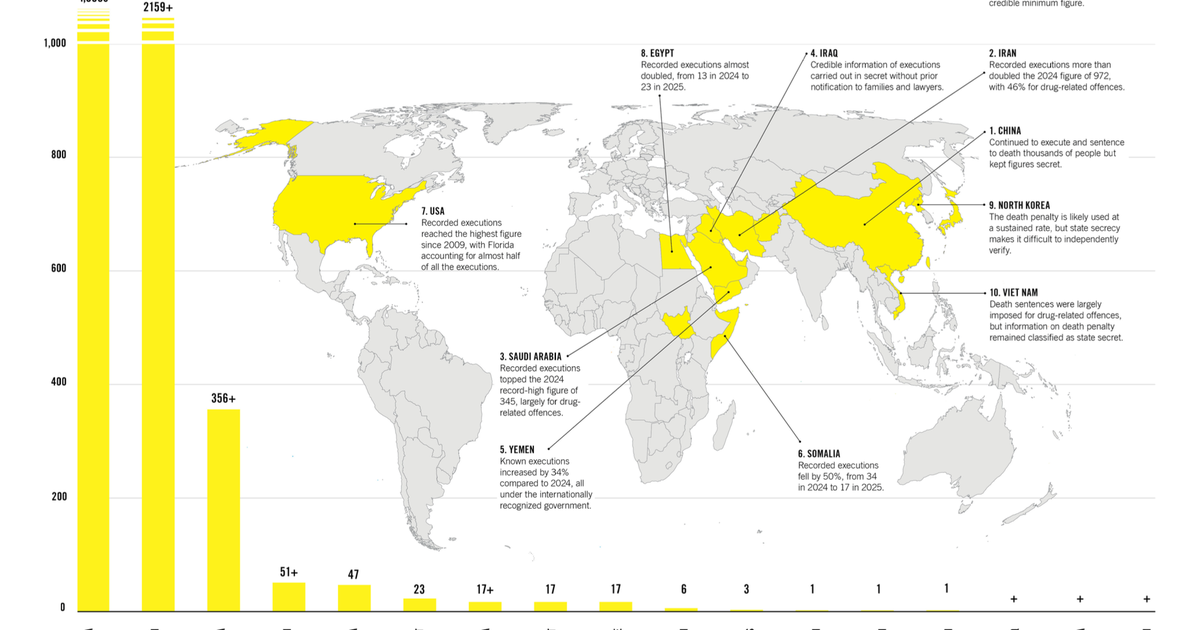
At least 2,707 people were executed worldwide in 2025, which is a 78 percent increase from the previous year and the highest number recorded since 1981. The sharp rise was driven overwhelmingly by Iran, where executions more than doubled compared with 2024.Saudi Arabia maintained one of the world’s highest execution rates, continuing to impose death sentences for drug offences and broadly defined terrorism charges. Many of those prosecuted belonged to the country’s Shia minority, according to the report.
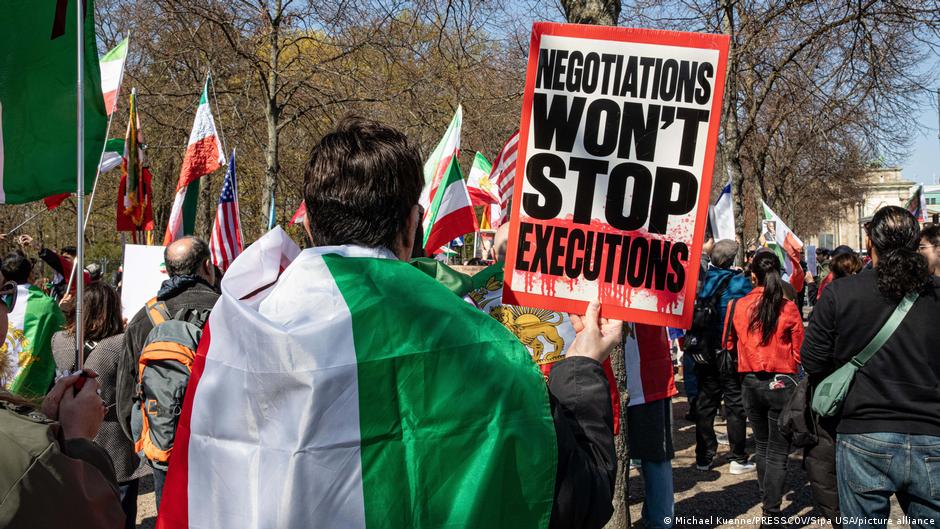
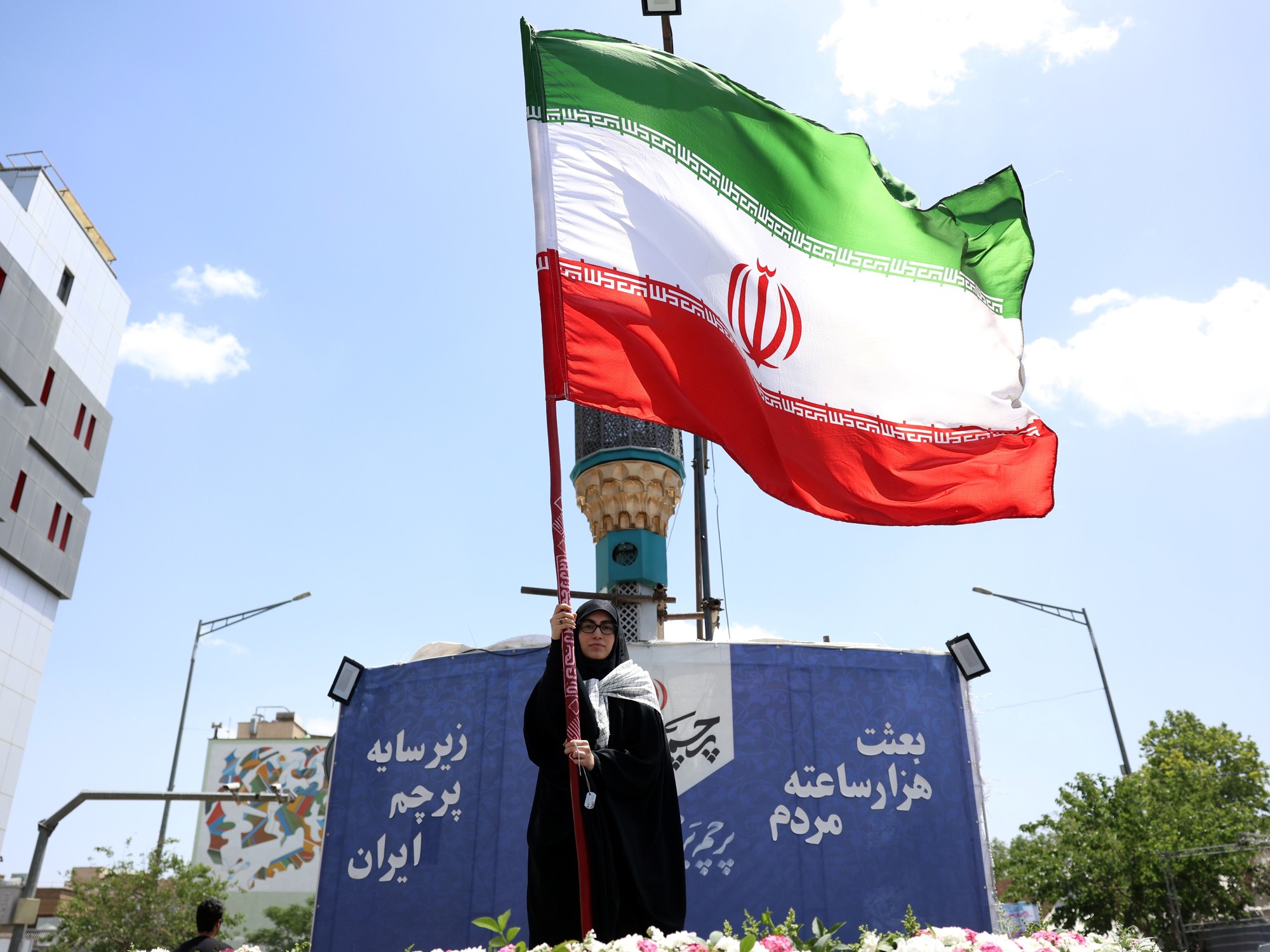
“We are seeing the death penalty being used as a tool in the state’s weaponry: a tool of control, a tool of repression and a tool of fear,” Chiara San Giorgio, a death penalty expert and spokesperson at Amnesty International, told ThePrint.Iran accounted for roughly 80 percent of all recorded executions in 2025, with at least 2,159 people put to death. Amnesty said many of those executions followed grossly unfair trials and were linked to political dissent, including prosecutions stemming from the 2022 “Woman, Life, Freedom” protests.According to the report, Iranian authorities intensified executions after military tensions with Israel escalated in mid-2025 during the 12-day war. It documented at least 11 executions on espionage or collaboration charges following Israeli strikes on Iran in June, compared to two before the conflict.The organisation also highlighted the widespread use of executions for drug-related offences. Nearly half of all known executions globally, with 1,257 in total, were carried out for drug crimes, primarily in China, Iran, Kuwait, Saudi Arabia, and Singapore.In the United States, executions rose to their highest level since 2009, driven largely by a surge in executions in Florida. Amnesty accused some American officials of promoting “flawed narratives” linking capital punishment to crime reduction.Despite the increase in executions, Amnesty noted that the practice remains concentrated in a small number of countries. Only 17 countries were known to have carried out executions in 2025, continuing a trend of historically low numbers of executing states.“For the sustained use of the death penalty, we are really talking about around 10 countries,” San Giorgio said.Some nations showed signs of moving in the opposite direction. Vietnam abolished the death penalty for eight offences, including drug transportation, and announced plans for further reforms. Lebanon and Liberia were also considering legislation that could lead to abolition.At the same time, Amnesty warned of efforts in several countries to expand capital punishment laws. Israel, the organisation said, advanced legislation that would facilitate the use of the death penalty against Palestinians.“The proposed measures are discriminatory and inconsistent with international human rights standards,” San Giorgio added.Other countries, including Algeria, Kuwait, and the Maldives, explored expanding the death penalty for drug-related crimes, while Burkina Faso considered reinstating it for offences such as terrorism and espionage.Even amid the grim statistics, Amnesty argued that the global trend still points toward long-term decline.“What was comforting is the fact that despite the surge in executions, we are still talking about 17 countries for which we recorded executions. This aligns with the historical low trend of 20 or fewer countries we have recorded since 2018. We’ve seen that the death penalty has been confined to a small minority of countries,” Giorgio noted.(Edited by Varnika Dhawan)