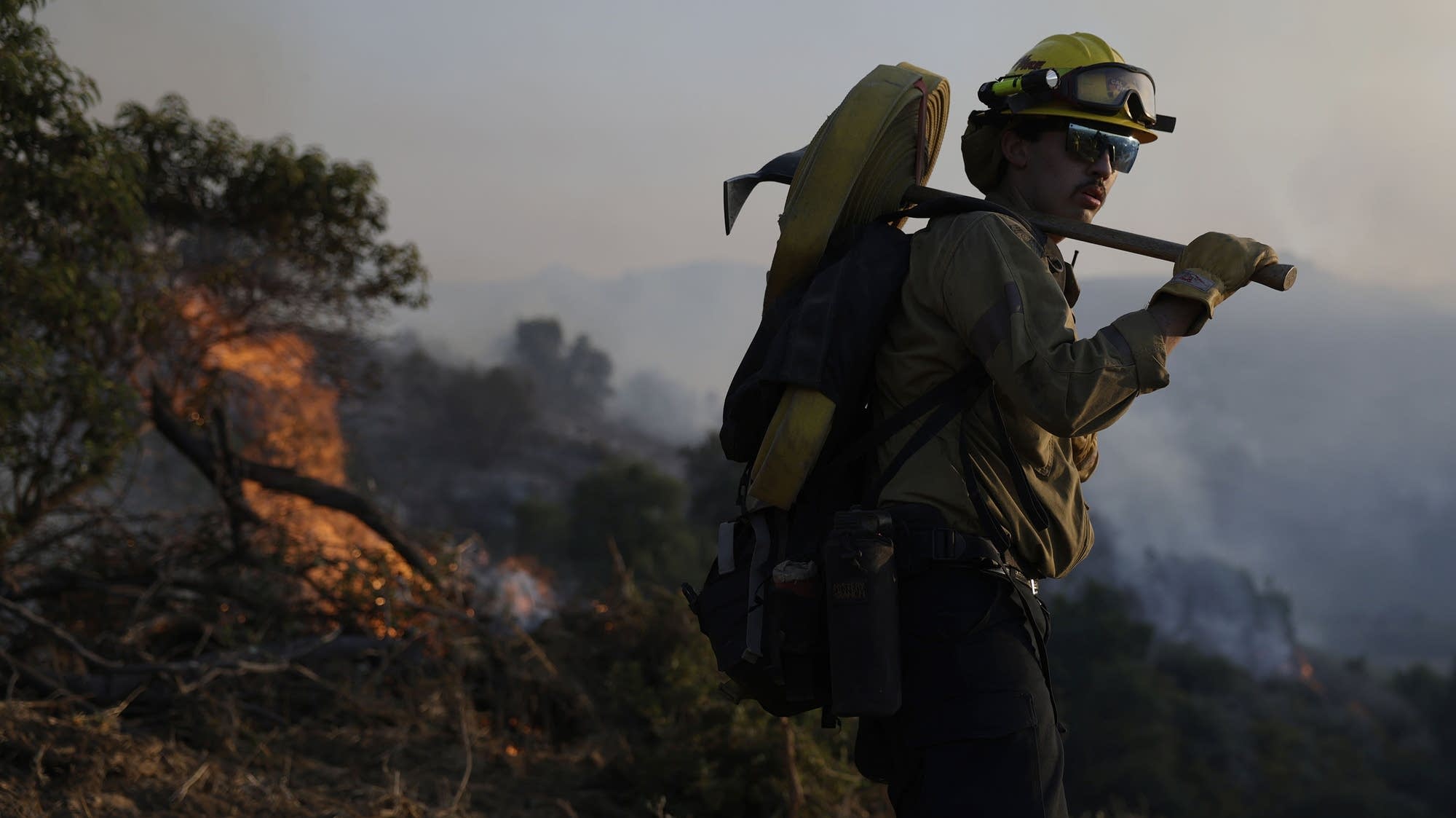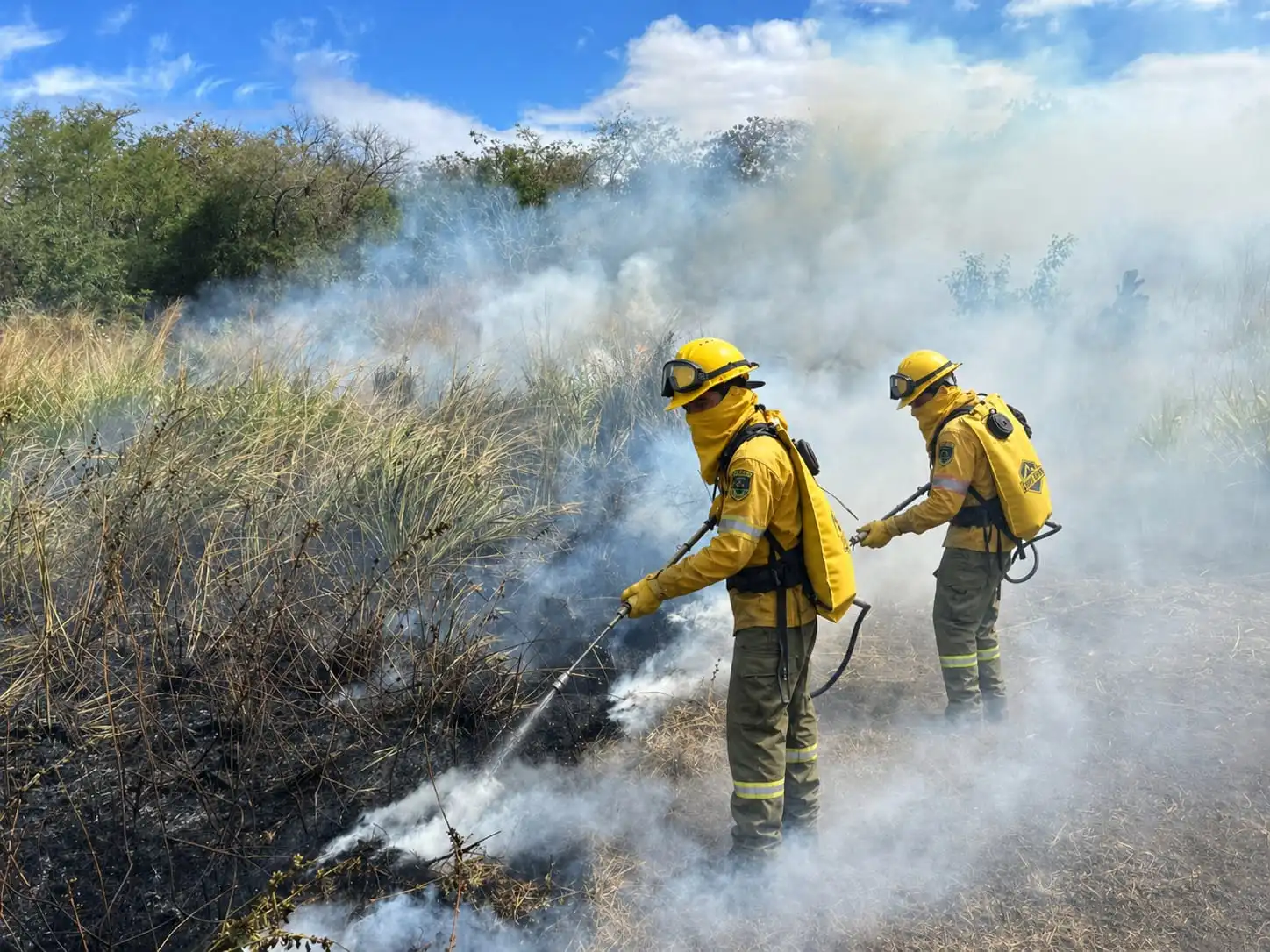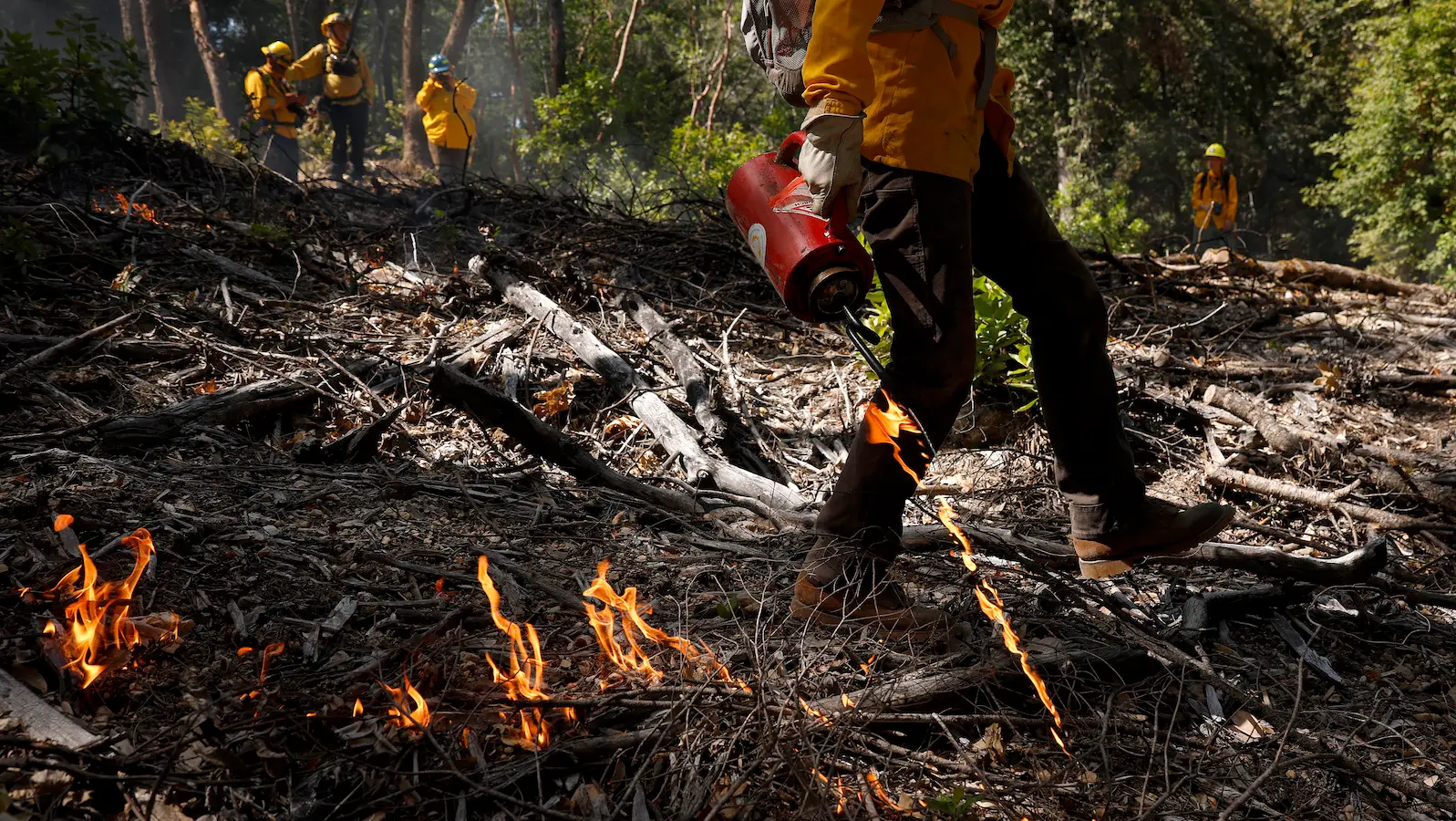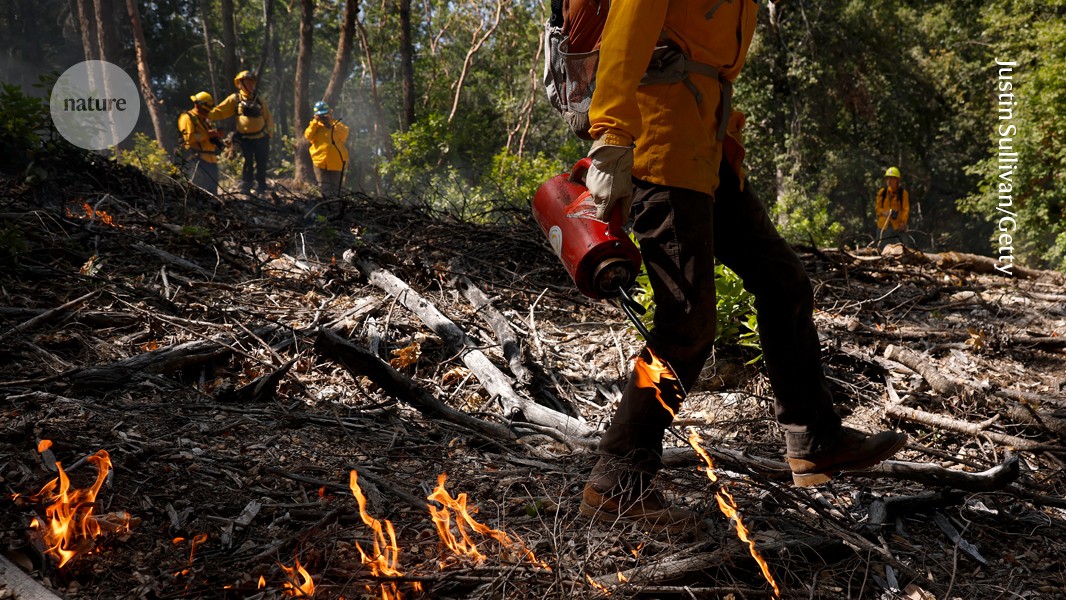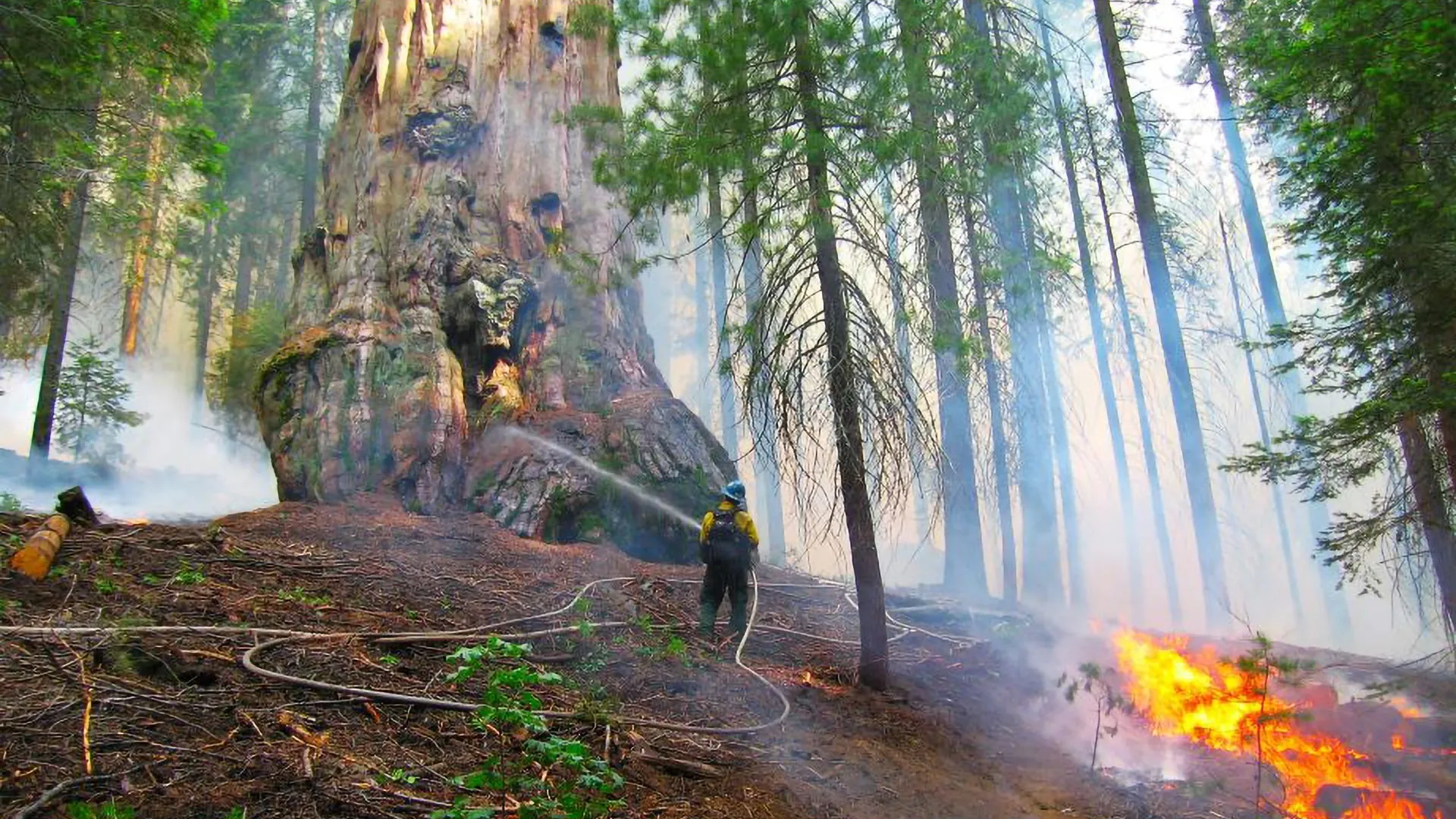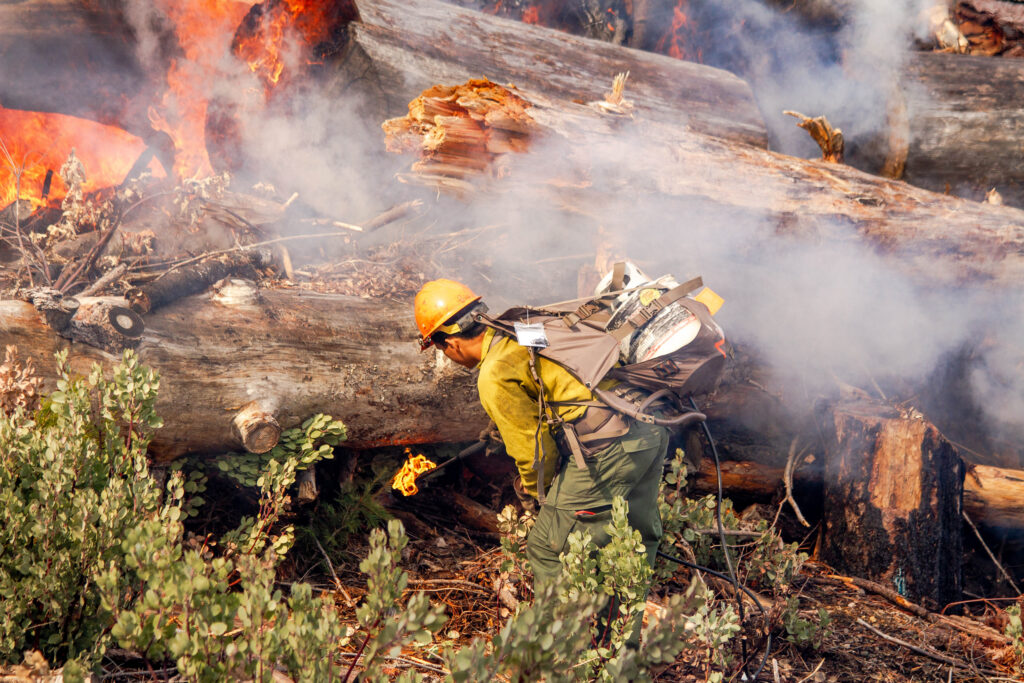
Work to reduce excess flammable vegetation in forests warded off the release of 2.7 million tons of carbon dioxide, averted nearly 60 premature deaths and avoided $2.8 billion in damages in the Western U.S., according to a new study from the University of California, Davis.
The study, published May 7 in the journal Science, also found forest fuel treatments—prescribed burns and mechanical forest thinning operations—during a six-year span prevented more than 25,000 tons of fine particle pollution from being released into the air.
The research was supported by the U.S. Forest Service and the University of California’s Giannini Foundation for Agricultural Economics.
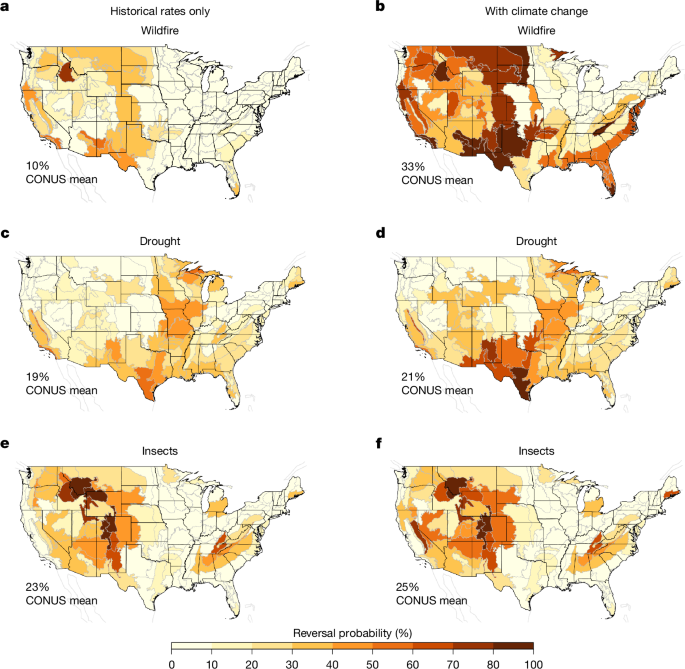
The findings come as weather forecasters and first response agencies predict an extremely active wildfire season across the West, with record-low snowpack, drought-stricken lands, extreme heat and the ever-looming threat of windy conditions. As of May 8, more than 25,000 wildfires had burned over 1.8 million acres nationwide, well above the 10-year average for acreage burned to that date, according to the National Interagency Fire Center.
“There’s been a lot of ecological research that has been done on fuels management, but there’s been less so on the economic side,” said the study’s lead author Frederik Strabo, an assistant professor in the Department of Resource Economics and Environmental Sociology at the University of Alberta and a postdoctoral scholar at UC Davis’s Department of Agricultural and Resource Economics.