Alex Potemkin / Getty Images
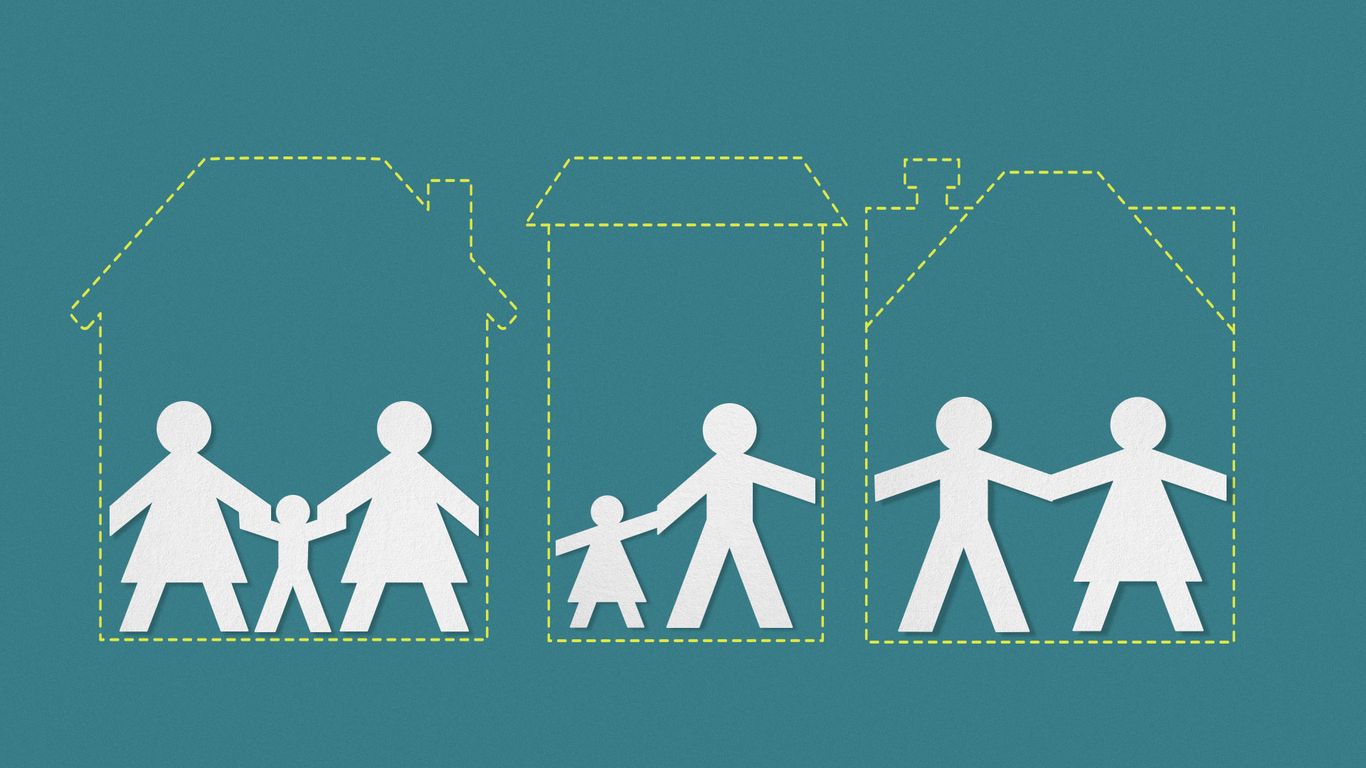
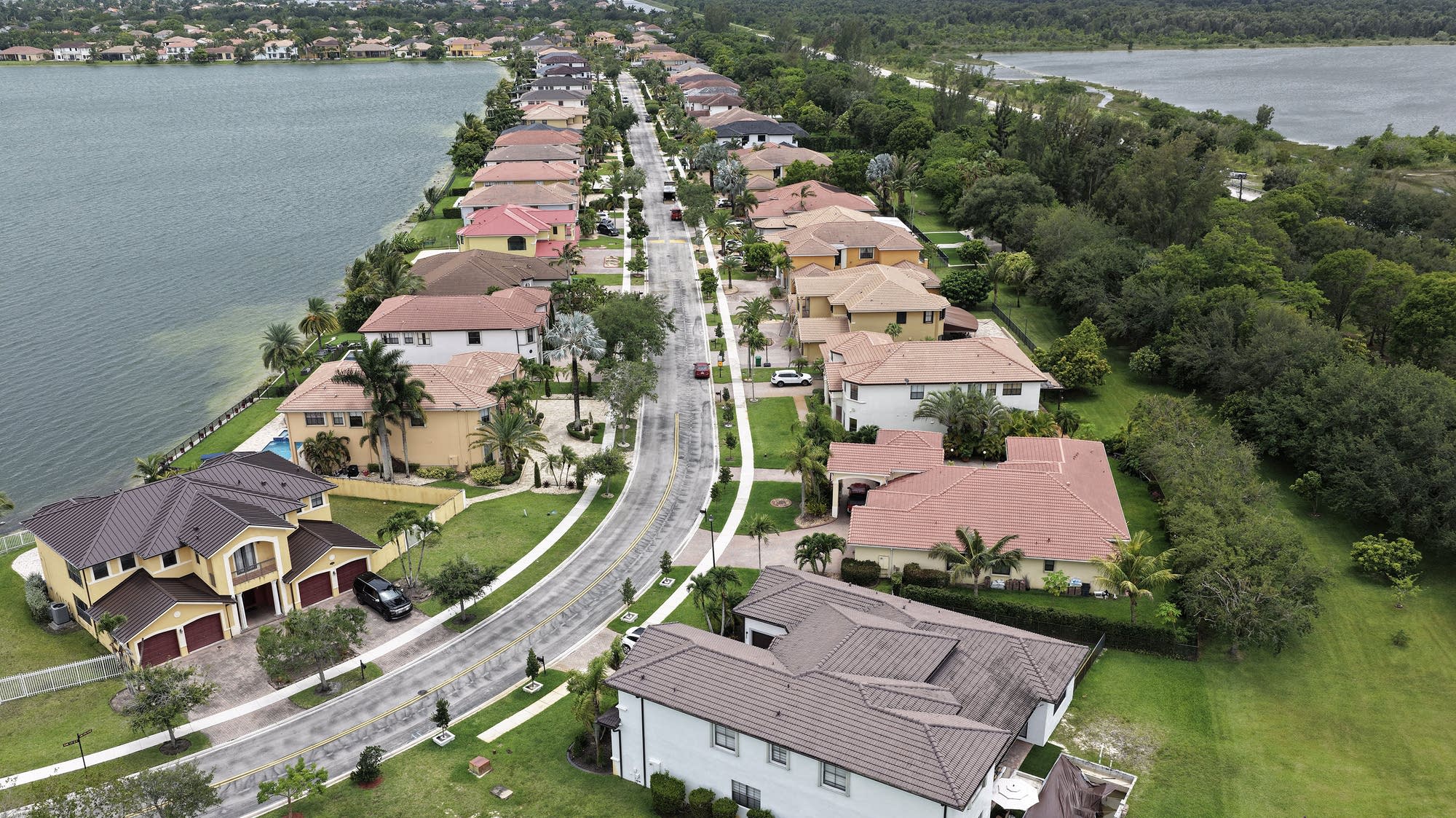
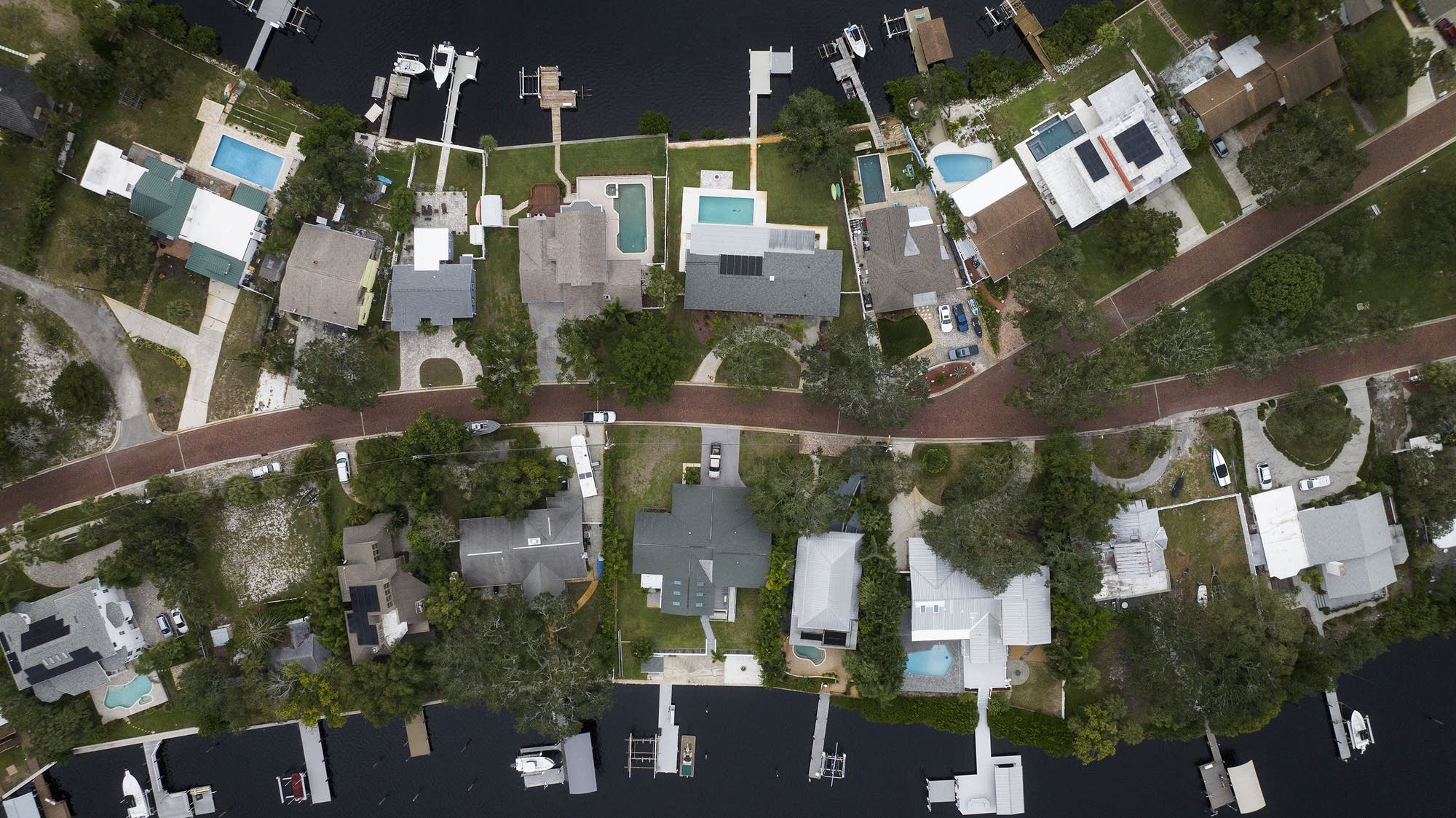
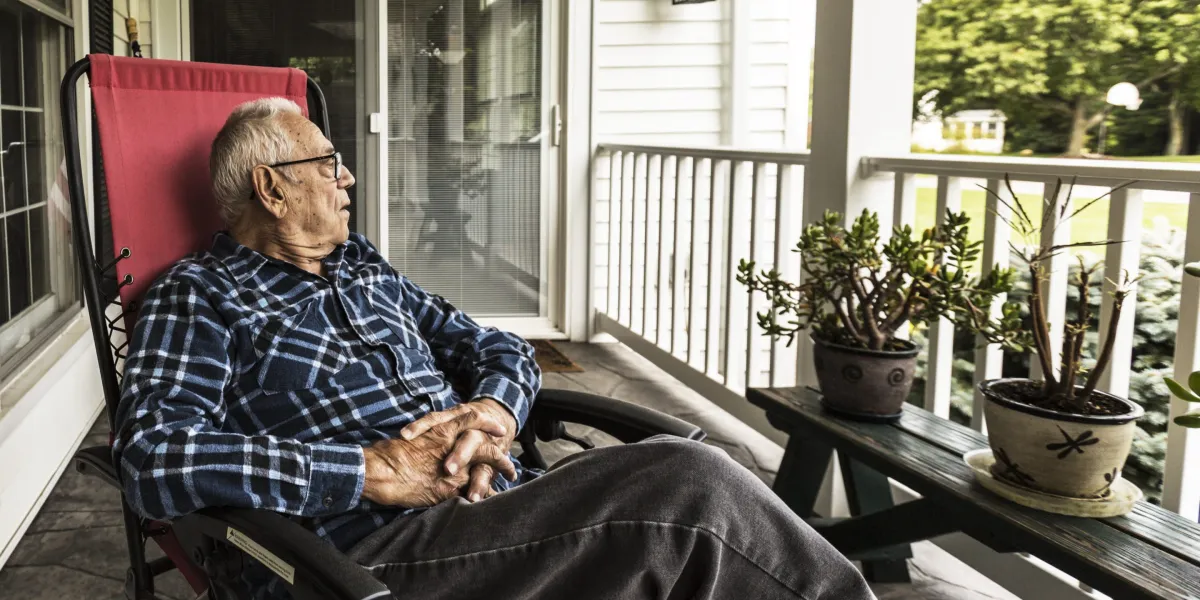
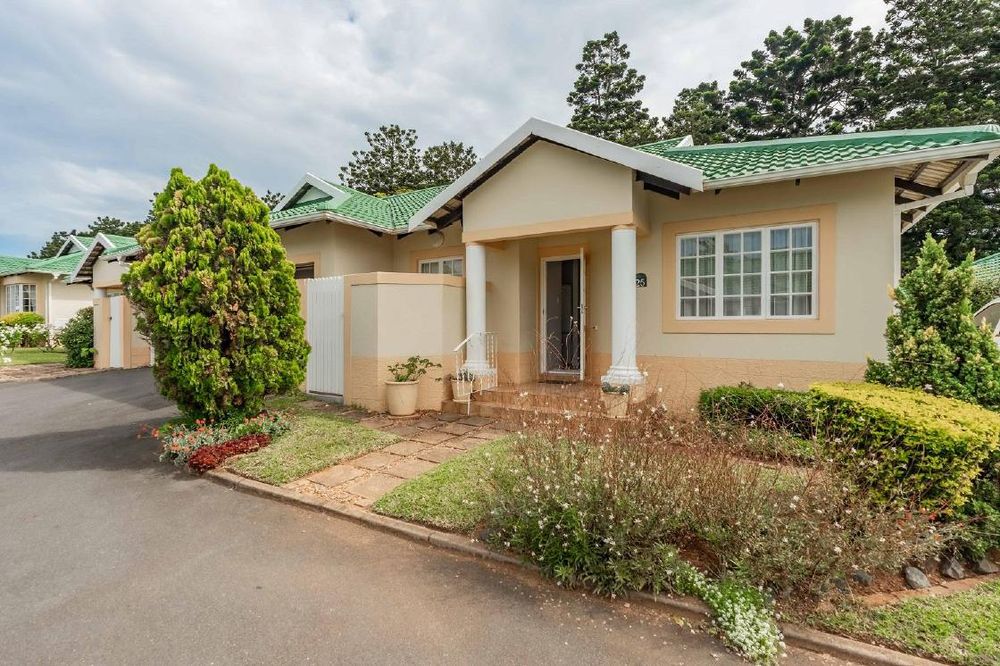
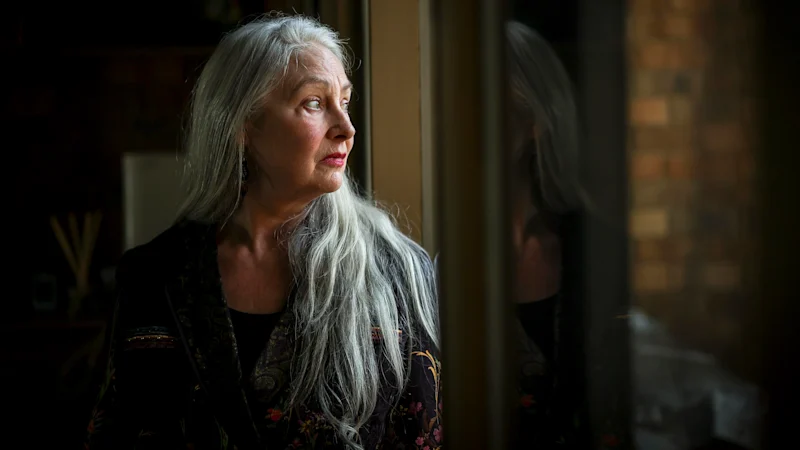
The bedroom that once held a crib now stores holiday boxes. The dining table that seated six now seats two. For millions of empty-nest baby boomers, life has contracted, but the home around them has not. Across the U.S., this disconnect plays out on a massive scale: boomers whose children have grown and left own a far larger slice of the country's family-sized housing stock than the younger generations actively raising kids in cramped quarters. The gap is not a rounding error. It reflects years of accumulated wealth, deeply rooted neighborhood ties, and a housing market that has yet to produce the affordable smaller homes that would make downsizing financially worthwhile.
The strain this creates falls most sharply on millennial households with children. Millennials are the largest generation of parents in the U.S. and also the biggest cohort overall, and yet they own a relatively thin slice of the three-bedroom-plus homes the country has. Gen Z adults raising kids barely register in the data at all. The shortage isn't purely a matter of preferences. Mortgage rates remain elevated enough that more than one-quarter of millennials say they aren't planning a home purchase in the near future. One in five cannot even save for a down payment. Meanwhile, nearly three in five baby-boomer homeowners carry no loan balance at all, removing the financial incentive to sell and taking those properties off the market.