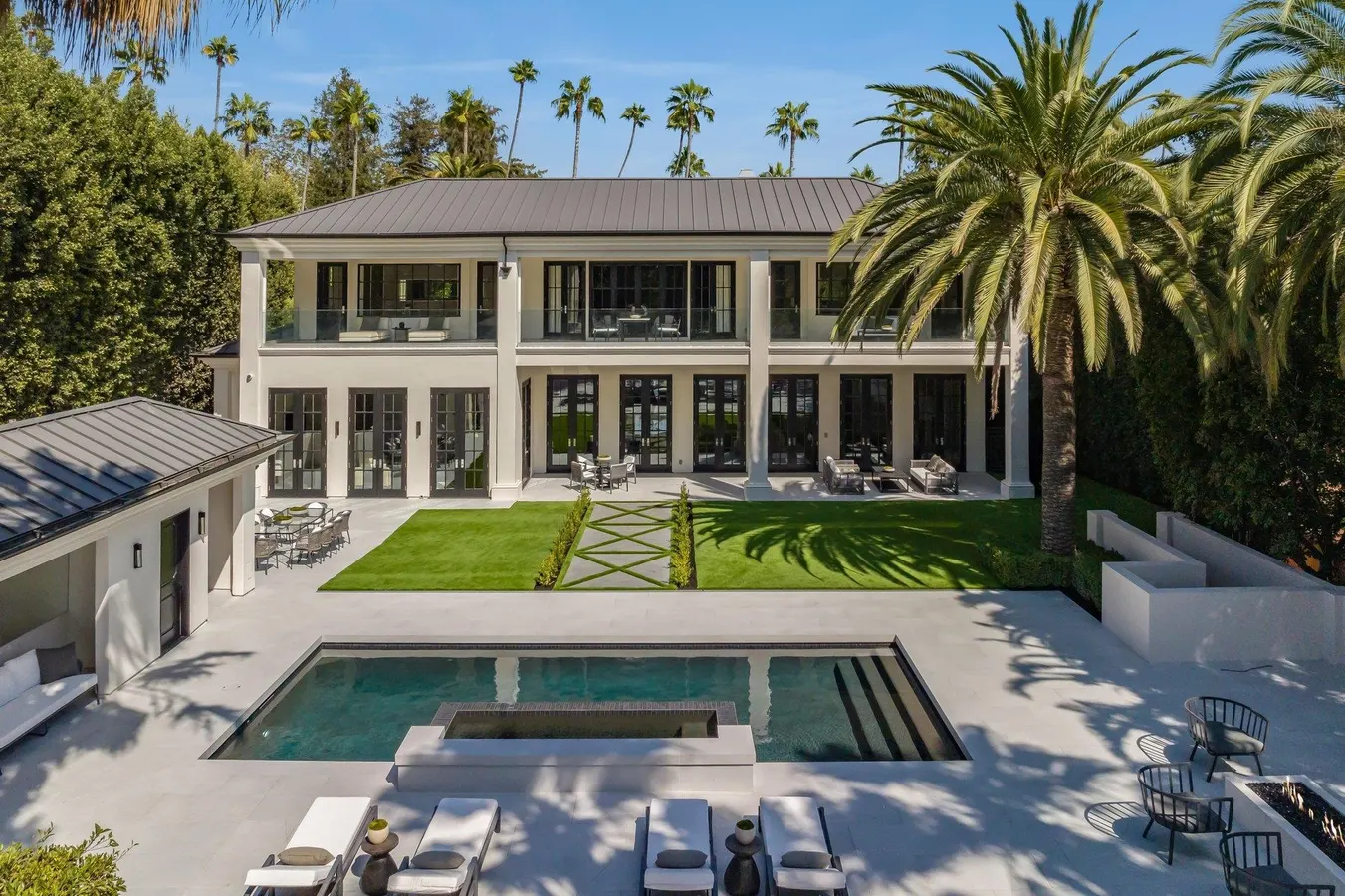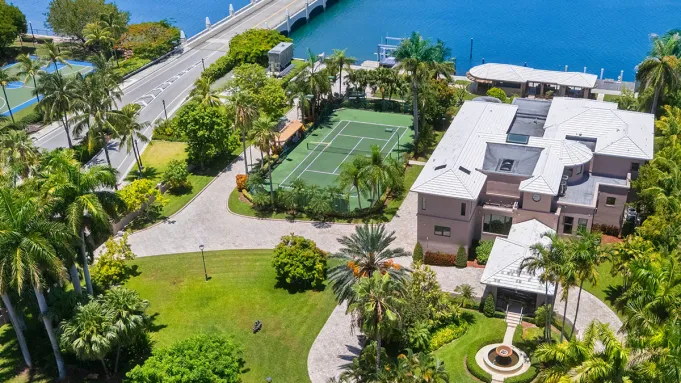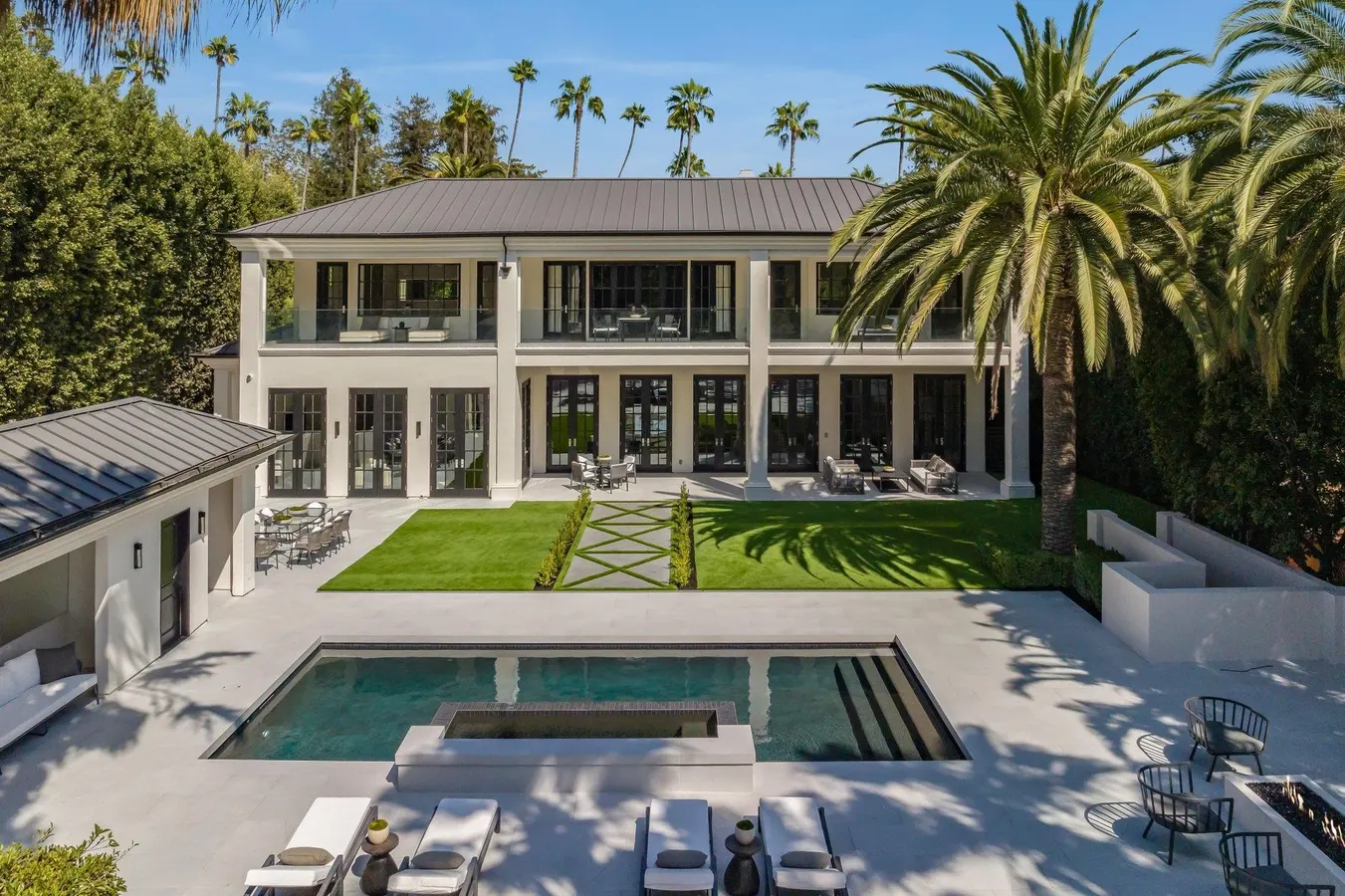
Size may get everyone through the door, but design is what makes them stay. The best family estates—like this $27.25 million, 15,000-square-foot Beverly Hills beauty—account for the small rituals: kids in the pool, parents at the kitchen counter, generations gathered around fire.Carolwood EstatesAffluent families are moving back toward one another. Sometimes by choice. Sometimes because a compound in Aspen is easier than coordinating three separate holiday houses. Turns out the modern family compound—once mainly associated with dynasties, succession battles and the occasional Kennedy—is becoming one of real estate’s more strategic plays. Where a family heirloom once meant silverware or art, it increasingly looks more like acreage.According to the National Association of Realtors, a record 17% of homebuyers purchased a multigenerational home in 2024, up from roughly 11% in previous years.Needing to be nearby plays a role, particularly after the pandemic. But at the upper end of the market, sentiment alone rarely drives property decisions. “It’s a real estate play,” says James Harris of Carolwood Estates in Los Angeles. “If you can accumulate land with contiguous properties, it’s more valuable down the road.” In Europe, where land is significantly scarcer than in the United States, that strategy has become especially pronounced. Families are assembling adjacent estates over time, creating compounds designed to remain within clans for generations. The appeal is partly emotional, partly financial. Land, after all, embodies the true luxury of being finite.For architects, the challenge lies in balancing connection with independence. Together, but not too together.
The Rise Of The Multigenerational Mansion
The modern family compound is becoming one of real estate’s more strategic plays all across the globe.
1,767 words~8 min read