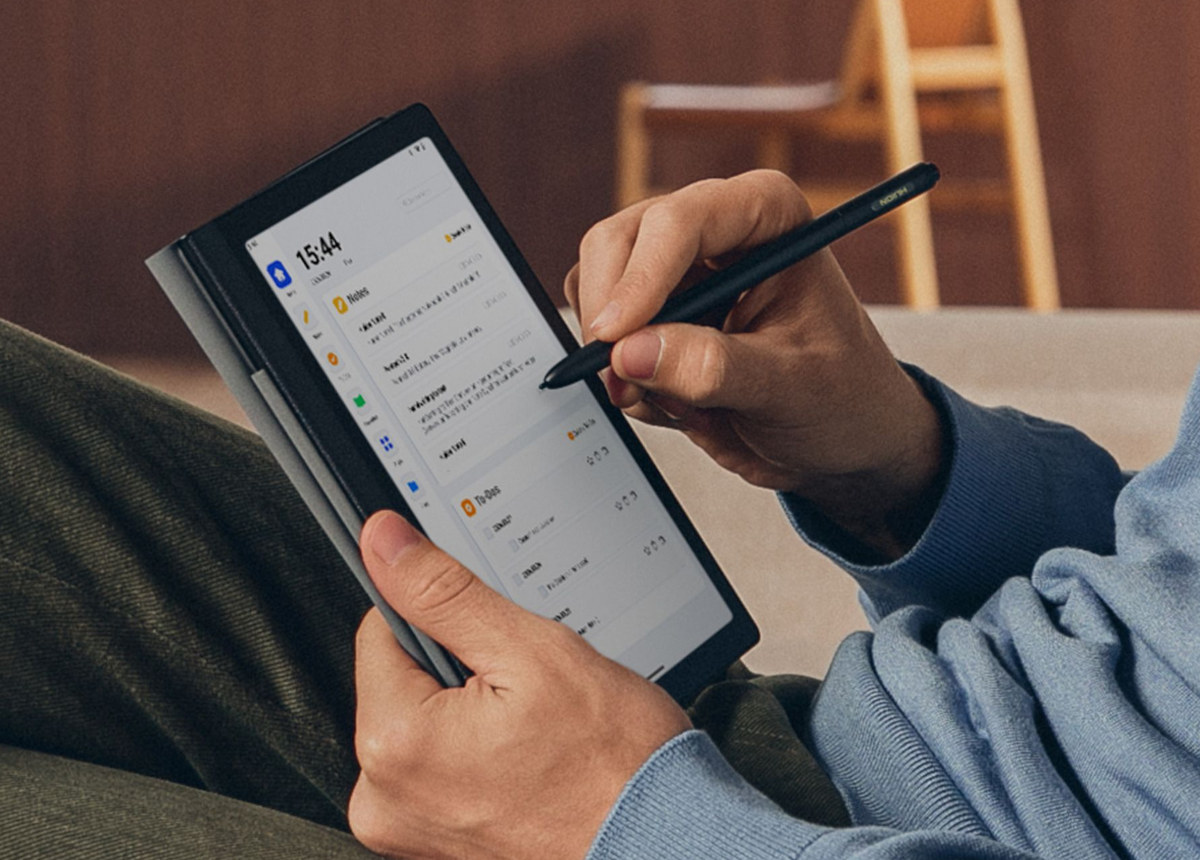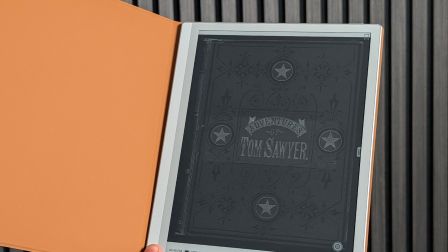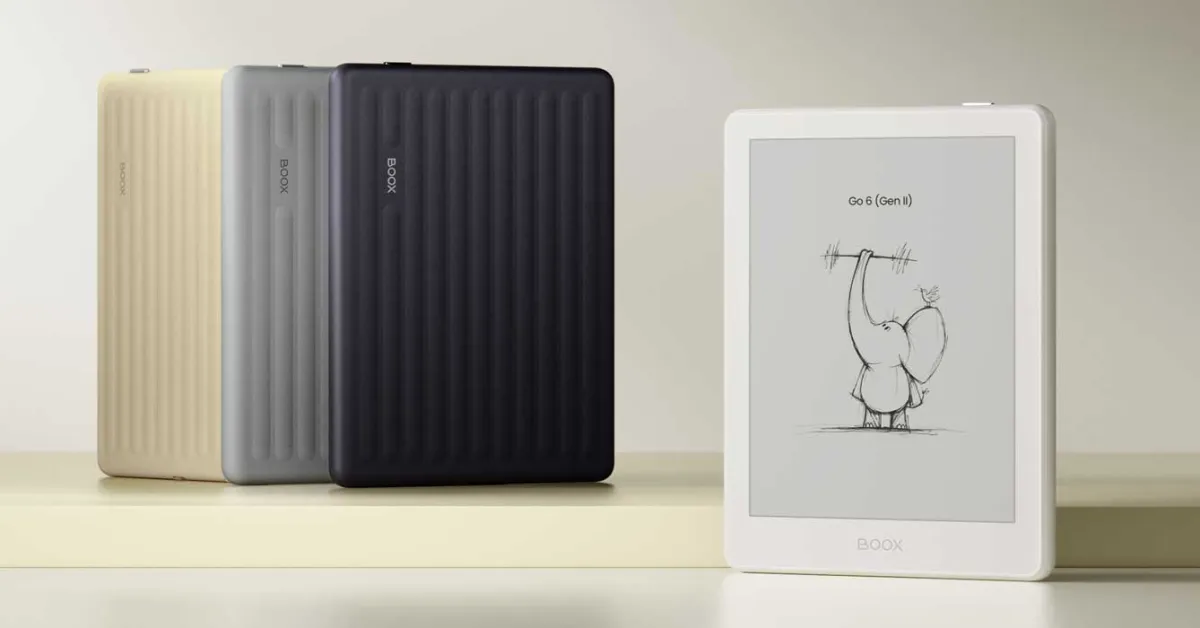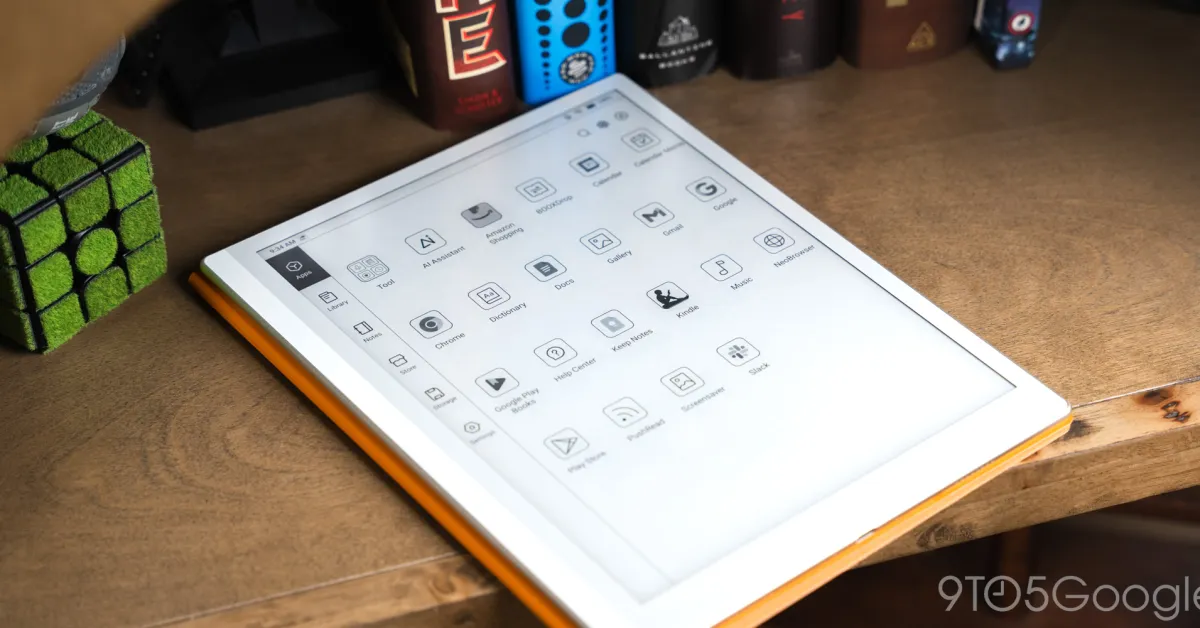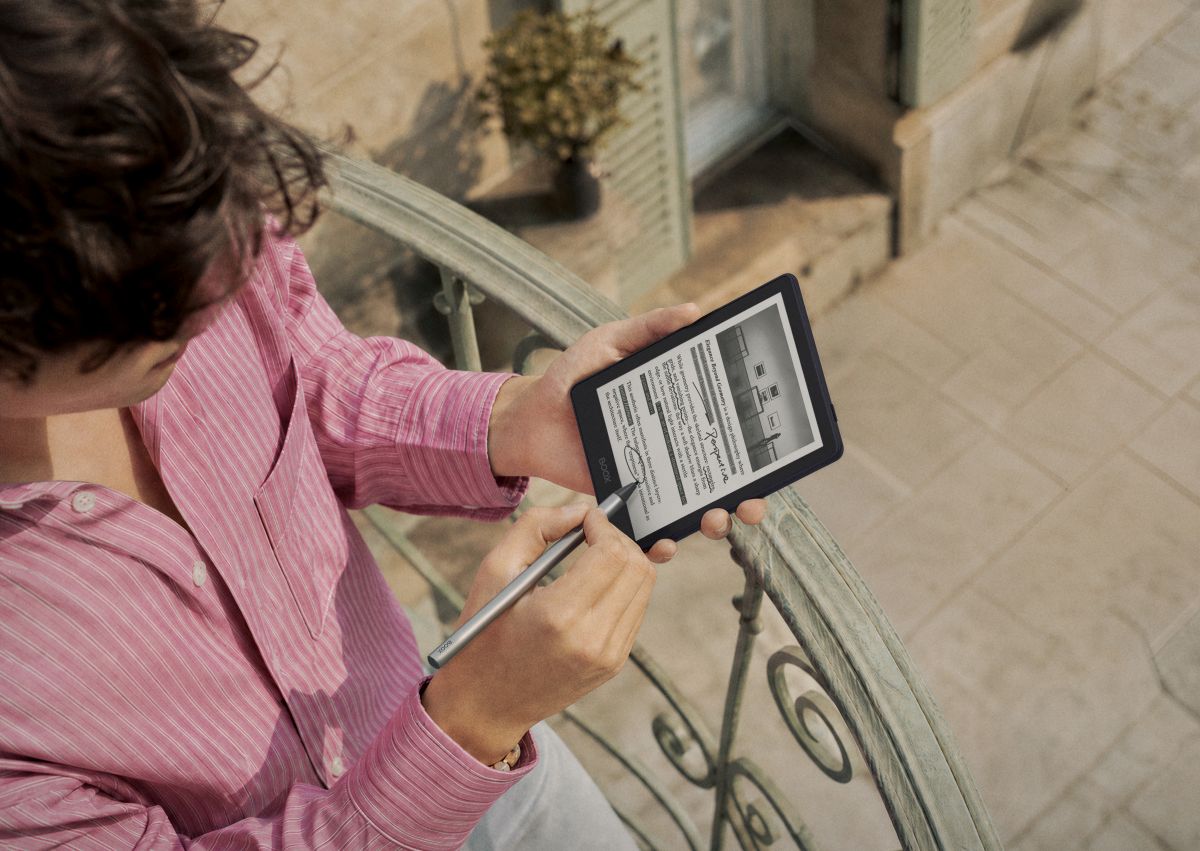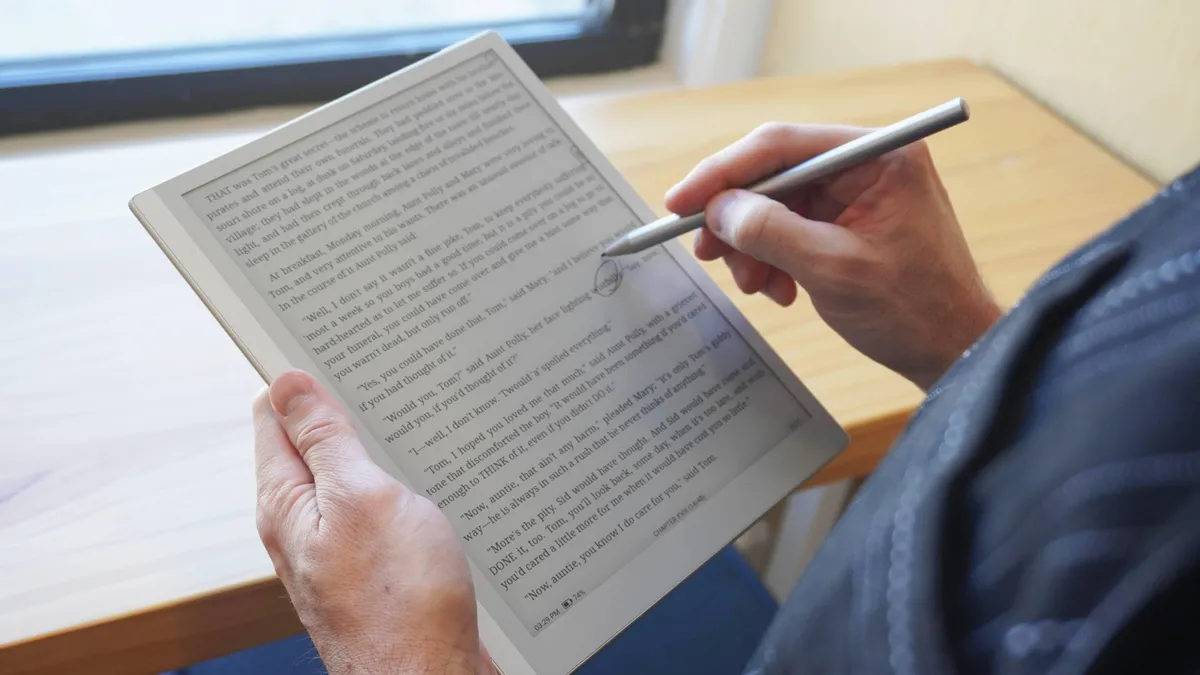
Boox Go 10.3 (Gen 2) Lumi 3 / 5
Good
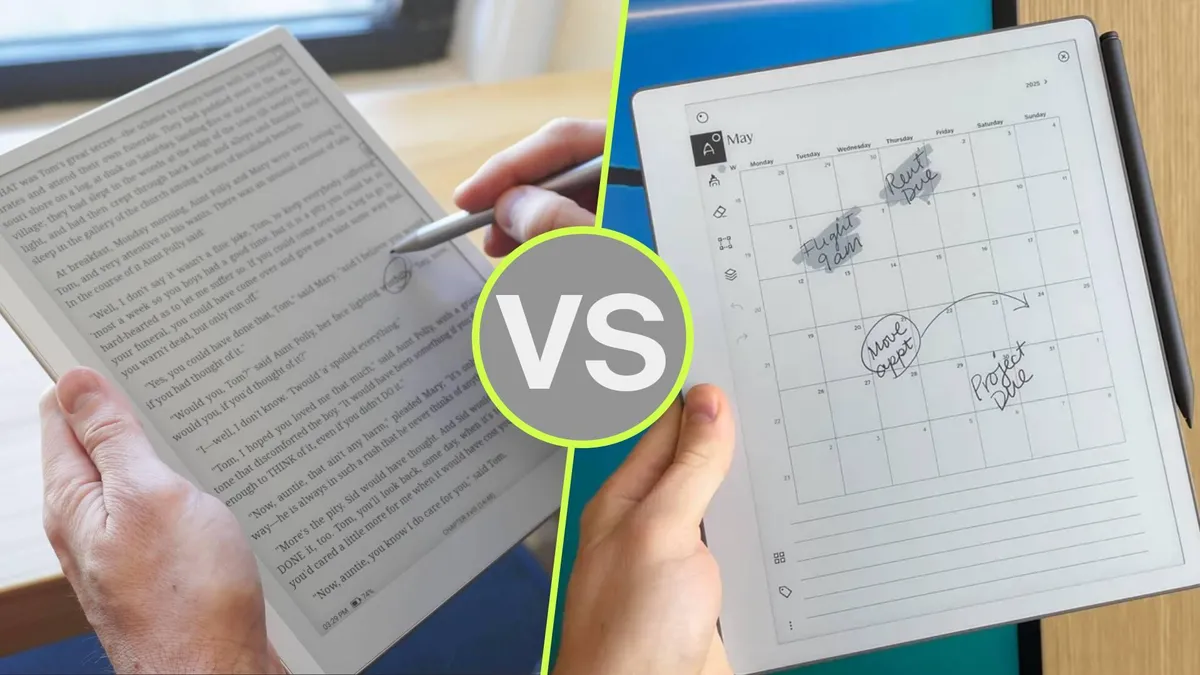
pros and cons ProsVery nice writing experienceDeep customizationAccess to Play StorePowerful note-taking and annotationSupport for a wide range of apps ConsSteep learning curveComplex UI with occasional bugsPen doesn't automatically charge $459.9 at Amazon Follow ZDNET: Add us as a preferred source on Google.The second-generation Boox Go 10.3 Lumi tablet is a highly customizable e-reader with deep note-taking features and a competitive price point: only $449, which is less than some of the more premium digital paper tablets on the market right now. For that price, the Boox Go 10.3 Gen 2 shines with advanced PDF annotation features, a fantastic writing experience, and a bright front-lit display, all while running Android 15 and a wide range of included apps. Also: Kindle Scribe vs. ReMarkable Paper Pure: Why I'm not writing off Amazon's E Ink tablet just yetHowever, the deep-level features and customizations can be overwhelming, and there is a bit of a learning curve to taking advantage of all this tablet can do. Best tablet deals of the week $149 (save $71) $274 (save $75) $230 (save $170) $70 (save $70) $190 (save $90) Deals are selected by the CNET Group commerce team, and may be unrelated to this article. Physical build and hardware Physically, Boox didn't change much on this device from the previous generation, but it did remove the "Boox" logo from the front, resulting in a cleaner look. It's a very light tablet, weighing just 0.79 pounds (around 360 grams) and looks crisp and bright, with a 10.3-inch Carta 1200 glass screen and 300 ppi. Running on Android 15, the second-gen Boox Go 10.3 features 4GB of RAM and a Qualcomm Octa-core 6350 processor, as well as a capacitive stylus, rather than EMR (electro-magnetic resonance) technology. Boox placed the processor in the center-left of the device, where your hand holds it, meaning you may notice some palpable heat during use. Kyle Kucharski/ZDNETPhysically, the device's aluminum frame feels solid, and the vegan leather texture on the back adds a premium touch. The texture gives the device a grip that feels good in the hand, while keeping it stationary on the desk, rather than moving while you write -- a pet peeve of mine with digital tablets. The synthetic-leather folio case bundled with the Boox Go 10.3 Gen 2 is stylish, but its detachable strap is a questionable design choice that must be pulled tight to keep the tablet intact. During testing, the device frequently came unseated or shifted off the magnets, requiring me to re-align it or attach it altogether. Also: I tested the Kindle Scribe 2 for months, and it beat my ReMarkable in several waysSimilarly, the pen is lightweight and easy to grip, but getting it to snap into place on the tablet requires a few attempts before it clicks. Personally, I'm not a fan of the function button on the pen, as it requires you to grip it a certain way, and mis-clicks are common. You do get used to this approach over time, but it defeats the purpose of replicating the "real pencil" experience, in my opinion. The pen also doesn't charge while connected to the tablet. You'll need to connect the pen to its own power source with the USB-C port on top of the device. This step may or may not be a big deal for you, but know that the pen charges quickly and lasts for weeks. By extension, the tablet's 3,700mAh Li-ion Polymer battery is very good overall. If you use the pen for a few hours each day, the tablet will last well over a week on one charge. If you only use the tablet as an e-reader, it will last two weeks or more. The user experience As with all the Boox products I've used, the writing experience is good, with a solid pen-to-paper feel and a rich toolkit of brushes, customizations, and paper templates. You've got basically everything you could want here: support for layers, shapes, custom gesture mapping, the ability to add your own image files, and even audio, because the tablet features dual speakers and a mic at the bottom.Also: Hundreds of readers bought this E Ink tablet - and I highly recommend itTo top it off, the tablet supports virtually all the file types you'd ever imagine working with, including PDFs, EPUB, txt, rtf, html, png, jpg, gif, and bmp, to name a few. Kyle Kucharski/ZDNETOne of my favorite features is Infinite Canvas, essentially a massive blank sheet of paper that keeps going in any direction, allowing you to draw, sketch, and notate to your heart's content, which is great for producing large projects or mind maps with lots of parts. Boox also makes PDF annotation frictionless and convenient, as marking up a PDF file can be shared and re-shared, with users on the other end receiving your notes and annotations exactly as you see them on the tablet. For editors, teachers, or anyone whose job consists of reviewing documents, it's an efficient and powerful device. Also: I've tested several ReMarkable tablets, but its new cheap E Ink tablet had me fooledAs an e-reader, you also have tons of options. Since you're running Android 15, you can install the Kindle app, or any of the integrated e-book apps on the market, and unlock full access to your libraries. The fact that the Boox device easily handles so many file types means you don't even need to deal only with EPUB files. Everything essentially behaves the same, allowing for note-taking and annotations regardless of what you're reading. Sharing documents may not be immediately intuitive, however, as there are so many options. The most straightforward way is to connect a USB-C cable from the Boox directly to your laptop or PC. You can also generate a QR code that opens directly to the file, a method best suited for smartphones. Also: Yes, there exist $200 Android tablets that are actually worth the money - this one proves itBut I found the most convenient way to share documents is to use third-party apps downloaded to the device. Using Dropbox, Google Drive, or OneDrive, for example, opens an instantaneous two-way file transfer. There are several other ways to share documents, but I wish things were simpler. Why not just a direct one-tap-to-email?Menu overload The setup above is an example of the complex UI that requires several clicks and activations across multiple menus and settings to do simple tasks. In many cases, requests fail because a setting has not been enabled. In others, you need to log in, set a password, or go through two-factor authentication on another device. This complexity is exacerbated by the fact that swiping through the menus takes some trial and error to get right. There are occasional bugs with menus closing prematurely, particularly when adjusting things in the control panel, and occasionally cryptic error messages such as "The internet is abnormal. Try again later!" Kyle Kucharski/ZDNETSetting all of these things up on the device takes some time, at least the first time you use it, but once you have everything the way you want it, navigation is smoother. But this front-loaded learning curve might dissuade users coming from either the curated Amazon ecosystem with the Kindle Scribe or the ultra-minimalist ReMarkable tablet. ZDNET's buying adviceThe Boox Go 10.3 (Gen 2) Lumi is a powerful and adaptable note-taking device with a lovely pen-to-paper experience. With access to the Google Play Store, you've got the world at your fingertips, but with all these options comes a user experience that requires engagement, tinkering, and customization. I'd recommend this device to advanced users who appreciate options, don't need a color display, and want a versatile device that can do a little bit of everything. If you find the ReMarkable ecosystem too limiting and want more options than Amazon's Kindle can provide, this tablet is a very affordable option, starting at $399, or bundled with extra pen tips and the folio for $449.