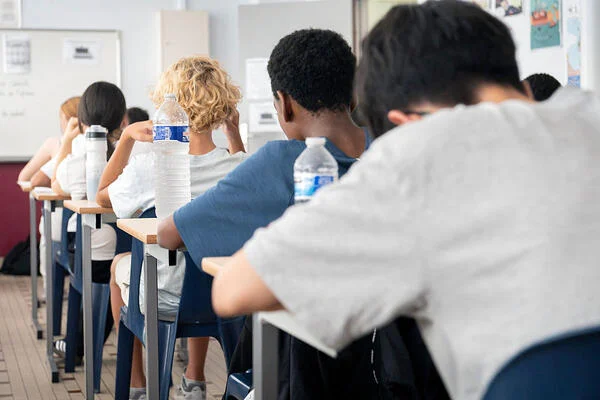
Dual enrollment—the practice of allowing high school students to also earn college credit—has become an increasingly common strategy for improving college and career pathways. But many students take courses that are not connected to a clear academic or workforce trajectory, and they often lack access to the advising needed to help guide their next steps.
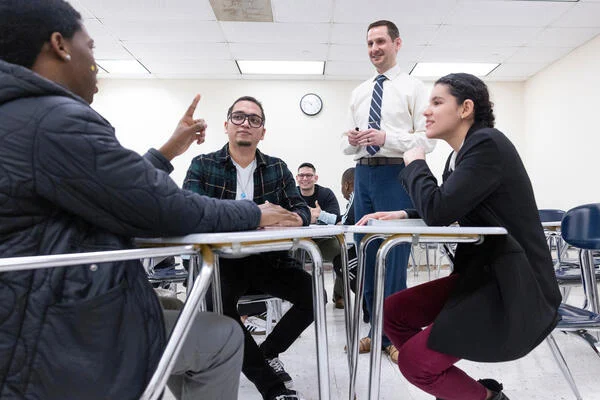
To better understand those challenges, a qualitative study from Helios Education Foundation and Florida State University’s Center for Postsecondary Success examined how Florida students with advanced credits from dual enrollment and other accelerated pathways—such as Advanced Placement and International Baccalaureate—experience college once they arrive on campus.
The analysis included interviews with 89 students and six administrators from Florida Agricultural and Mechanical University, Florida State University, Florida International University and the University of South Florida during the summer 2024, fall 2024 and spring 2025 semesters.
UNC Board Rejects Hire of Women and Gender Studies Professor
Oakland City U “Suspending” Undergrad Classes