Domestic robot tested for underwater archaeology
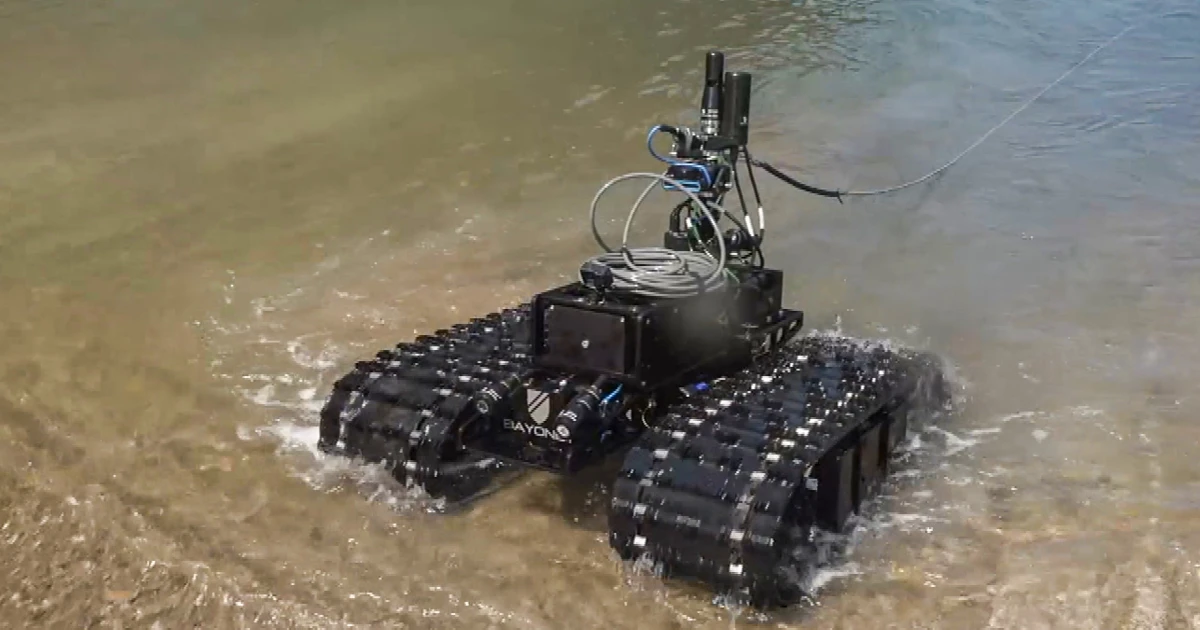
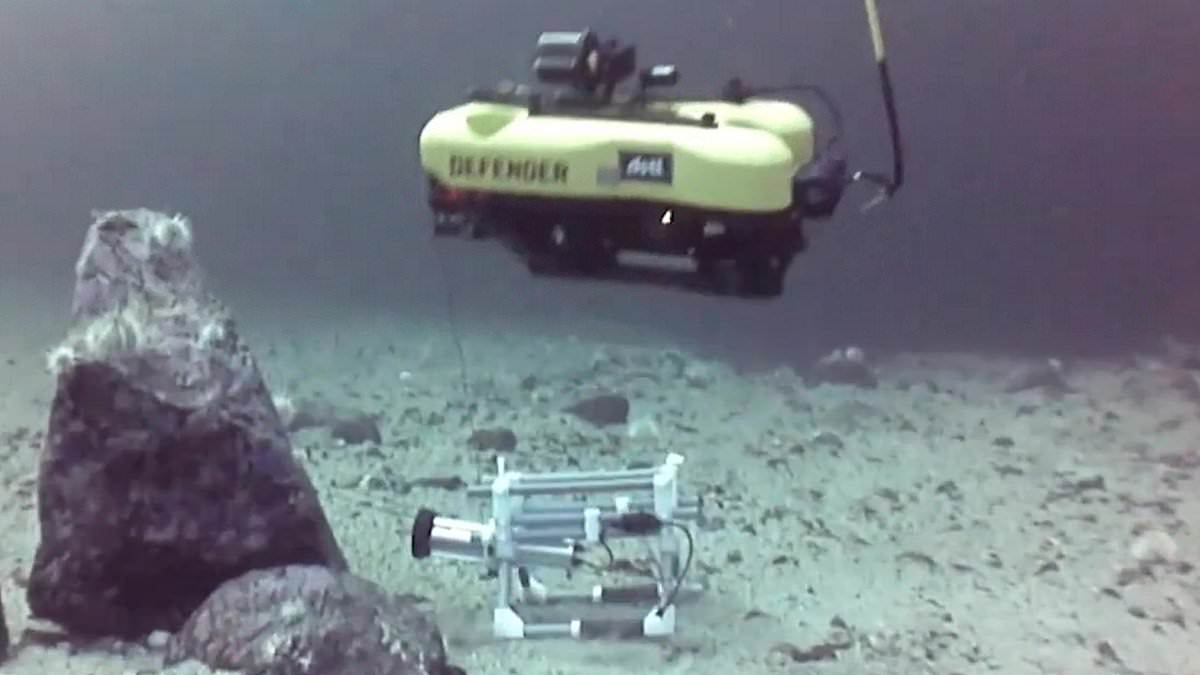
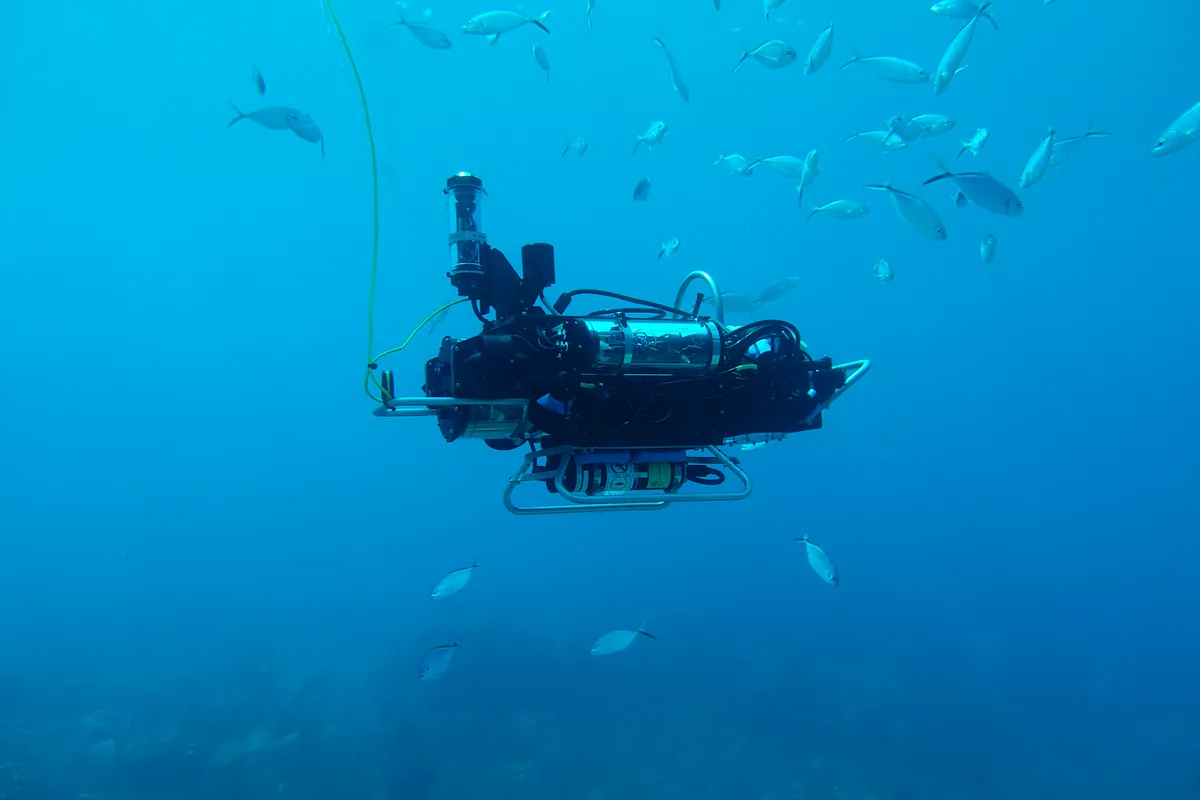
Türkiye has unveiled a domestically developed underwater robot designed to support archaeological excavations at depths of several hundred meters, marking a significant step in the country’s subaquatic research capacity.
Developed entirely with local resources, the system is intended to assist archaeologists working on submerged cultural heritage sites by extending operational time underwater and automating sediment removal tasks that are currently constrained by human diving limits.
The technology was demonstrated at an event in Antalya. A trial dive was conducted at the Üçadalar site, where the system was tested in real conditions. Antalya Governor Hulusi Şahin also participated in the dive wearing full diving gear, while underwater footage was captured by professional diver and photographer Mehtap Akbaş Çiftci.
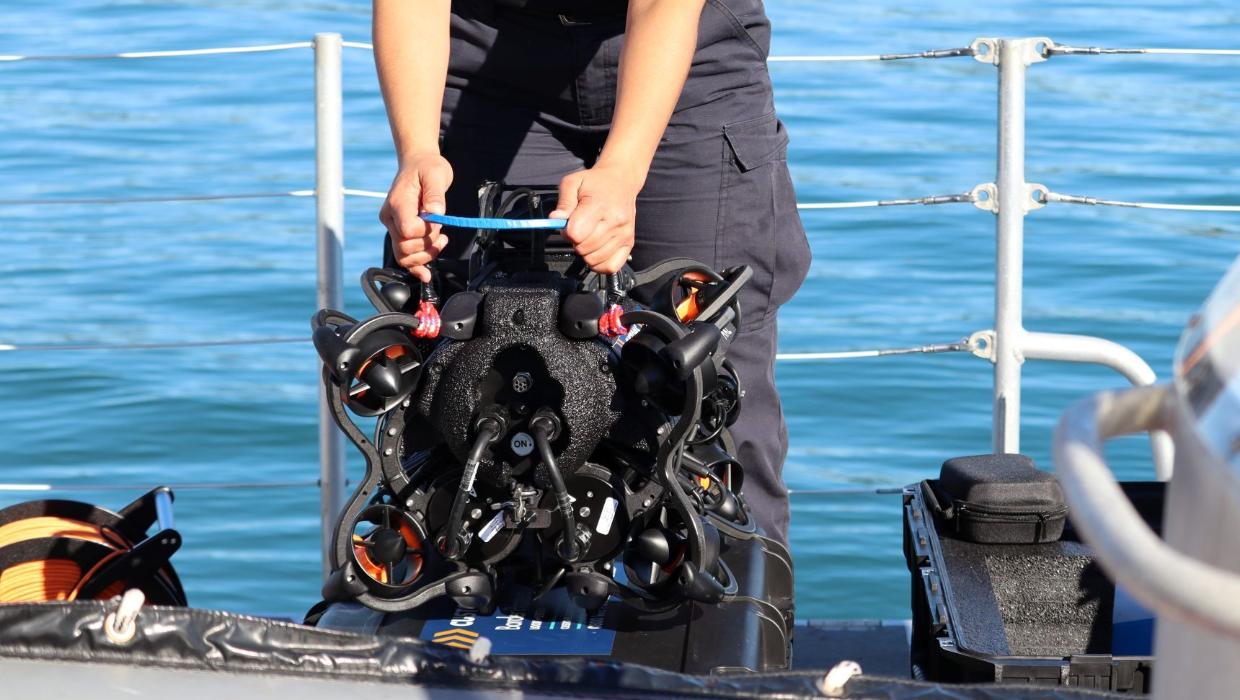
Designed in collaboration with an Antalya-based robotics firm, the vacuum-equipped robot transfers sediment from shipwreck sites to a distance of 10–11 meters underwater. It can operate at depths of up to 300 meters, while engineers note that upgraded versions could reach 3,000 meters. The system is capable of continuous operation for 10–12 hours, significantly extending the daily working window compared to human divers.