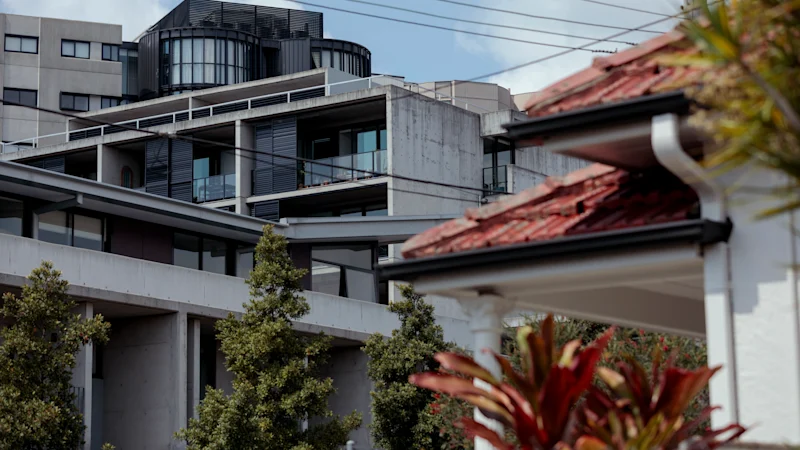
EditorialMay 20, 2026 — 5:18pmGovernments wrestle with the housing crisis, but some believe consultation and the multitude of jurisdictions have been unnecessary handbrakes on development.Now, under a plan to overhaul and streamline consultation in NSW, a draft Community Participation Plan proposes to house 120 disparate council participation plans and community engagement processes in one statewide policy and give direct neighbours of low- and medium-density apartments only seven days’ notice before construction work begins.A draft Community Participation Plan gives direct neighbours of medium-density apartments only seven days’ notice before construction work begins.Dominic LorrimerPublic exhibition and notifications would not be required for 16 types of residential development applications – including new single- and two-storey dwellings, dual occupancies, pools, demolitions and attached dwellings – if they comply with planning policies. Only adjoining neighbours of low- and medium-density residential apartments would receive the seven days’ notice, while dozens of development applications would be exempt from notifying nearby residents and changing the intended use for commercial and industrial developments would also be exempt from notifying neighbours.The proposals have been criticised by some mayors and councils who say they go too far, could dissuade community input and erode trust in decision-making.But home building in NSW is falling way behind demand and in such circumstances, there is an argument that consultation is an impediment to development. It is not unreasonable to develop frameworks that standardise consultation procedures across councils, even those that bypass consultation in some cases.Of course, there needs to be a balance; for example, even if consultation is not required for a development application, neighbours should at least be notified of building about to begin. Too much emphasis has been put on neighbours objections in the past, but we shouldn’t go as far as ignoring them altogether.Premier Chris Minns deserves credit for the way he has tackled the state’s housing supply crisis by cutting red tape and opening the door to increased density and fast-tracking construction of some projects, yet NSW remains more than 100,000 homes behind the 377,000 target set for 2029 under the National Housing Accord.Our report that Bankstown Airport would be redeveloped into a mini-city of 30,000 homes under radical plans being explored by airport operator Aware Super is the sort of major development that could ease some of the housing stress.It, too, would require mindset changes by federal, state and local governments.The opening of Western Sydney Airport later this year potentially reduces the necessity of Bankstown Airport, according to proponents of the proposal, by providing an alternative location for charter flights, emergency services, flight training and the other predominant uses of Bankstown. The proposal would involve extending the Bankstown metro line – due to open later this year – by at least one stop to service the area now occupied by the airport.Serious consideration should be given to the Bankstown proposal. It’s big, well located, but any plan to transform it into housing would need to include a workable alternative for emergency services that operate from that airport.Jordan Baker sends an exclusive newsletter to subscribers each week. Sign up to receive her Note from the Editor.The Herald's View – Since the Herald was first published in 1831, the editorial team has believed it important to express a considered view on the issues of the day for readers, always putting the public interest first.From our partners
Too much consultation may not have helped NSW housing crisis
A draft proposal to streamline and unify development proposals in NSW could help provide more housing.
554 words~3 min read