May 20, 2026 | 02:00 pm
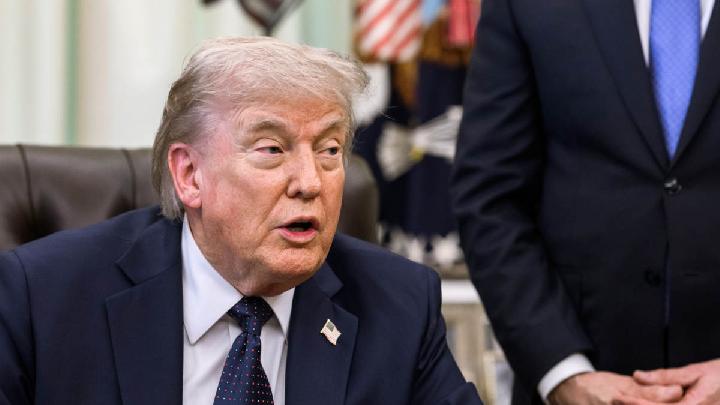
US President Donald Trump. Doc. White House
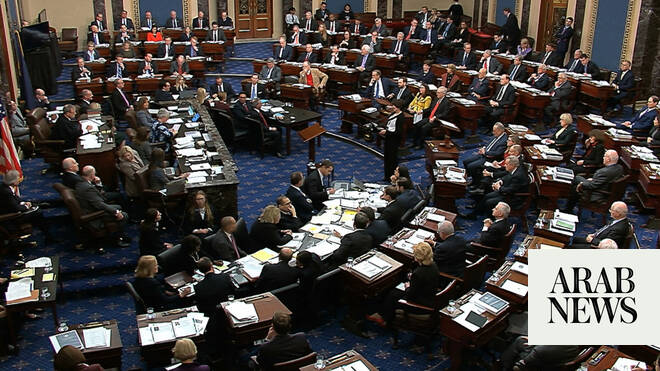
TEMPO.CO, Jakarta - The U.S. Senate on Tuesday voted to advance a measure to force President Donald Trump to withdraw the U.S. from hostilities in Iran or seek congressional approval to continue with military action, DW reported.A procedural vote on a war powers resolution has been held seven times since Trump launched the war against Iran in late February. But the Democratic-led effort has been quashed by Republicans each time.This was the first time the legislation was advanced in the chamber, which means that there is now going to be a final vote on the resolution in the coming weeks. But Tuesday's vote is procedural and faces steep hurdles before going into effect.Bill Cassidy switches sides to deliver a crucial voteTwo main factors helped in advancing the vote, which passed 50-47.One, Senator Bill Cassidy, the Louisiana Republican who lost his primary over the weekend in which Trump endorsed his opponent, switched sides for the first time to deliver a crucial vote to pass the legislation.In doing so, he joined three other Republican senators — Rand Paul of Kentucky, Lisa Murkowski of Alaska, and Susan Collins of Maine — to support the procedural motion.The second factor is that three Republicans did not vote this time.John Fetterman of Pennsylvania was the only Democrat to vote against the measure.Growing signs of unease over Iran warThe result was a victory for lawmakers who have been arguing that Congress, not the president, should have the power to send troops to war, as spelled out in the Constitution.Democratic Senator Tim Kaine of Virginia argued that the current ceasefire gave Trump an ideal opportunity to make his case to Congress, after he said Iran has offered a new proposal to end the war. "That's the perfect time to have a discussion before we start up war again. The president is receiving peace and diplomatic proposals that he is throwing into the trash can without sharing them with us," Kaine, who sponsored the resolution, said during debate before the vote.But the legislation would still need to pass the Republican-controlled House and even if it does, it would almost certainly face a presidential veto.Still, Tuesday's vote is seen as a symbolic win for Democrats and a shift among Republicans, who have previously blocked seven past attempts to pass previous resolutions in the Senate this year.What is the war powers law?A 1973 war powers law passed in response to the Vietnam War stipulates that a U.S. president can only wage military actions for 60 days before ending it and seeking Congress' authorization or a 30-day extension due to "unavoidable military necessity regarding the safety of the U.S. armed forces" while withdrawing forces.On May 1, when the 60-day period expired, Trump declared that a ceasefire had "terminated" hostilities against Iran.Nevertheless, the U.S. continues to blockade Iranian ports and launch strikes on Iranian ships, while Tehran is still effectively blocking the strategic Strait of Hormuz and attacking U.S. ships.On Monday, Trump said he had called off a planned Tuesday attack on Iran that would have resumed the fighting, at the request of three Gulf states. The president has since continued his routine threats of attacking Iran if the ongoing negotiations bear no fruit.Read: Trump Says He Paused Attack on Iran at Gulf Leaders' RequestClick here to get the latest news updates from Tempo on Google News