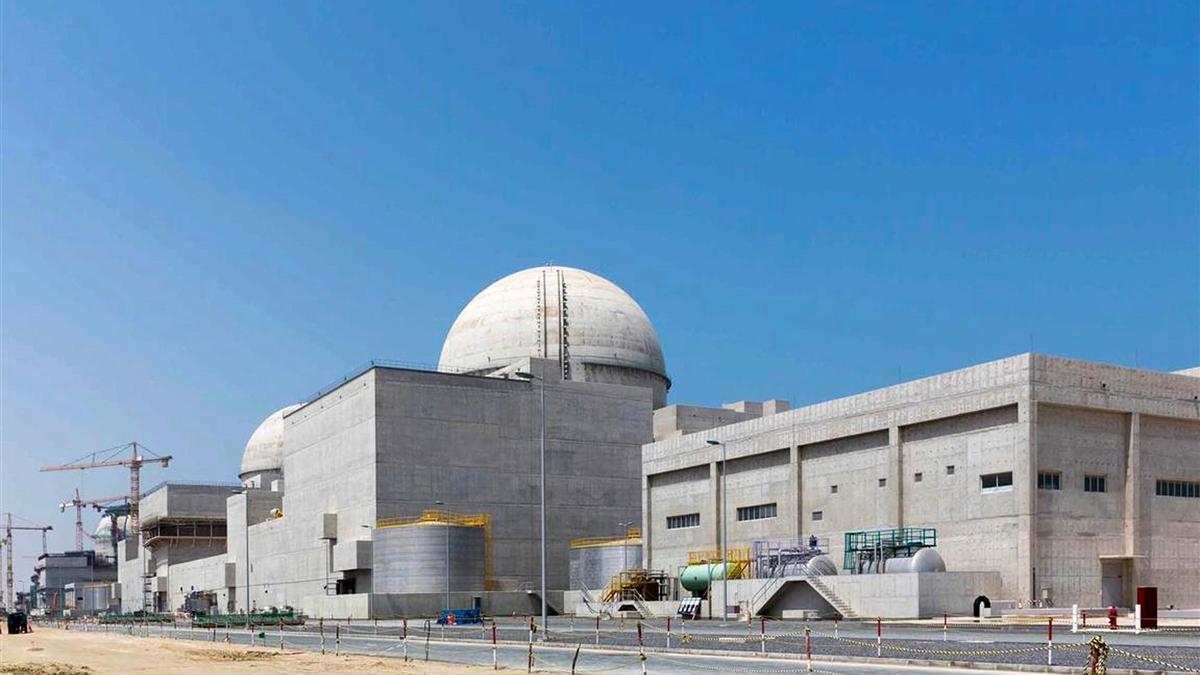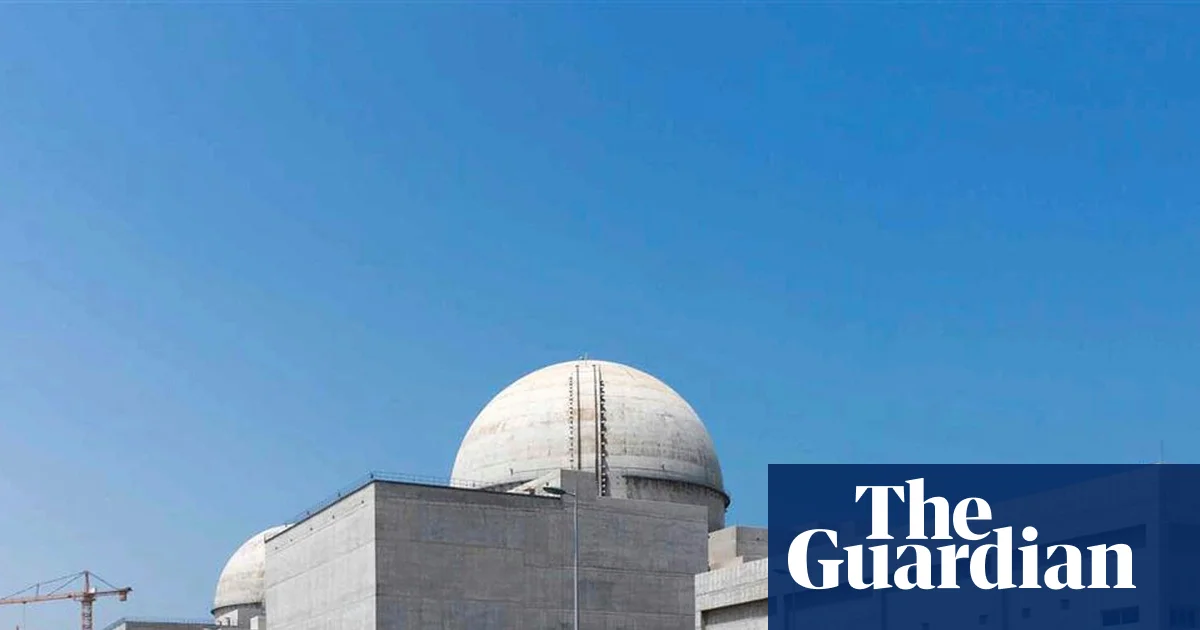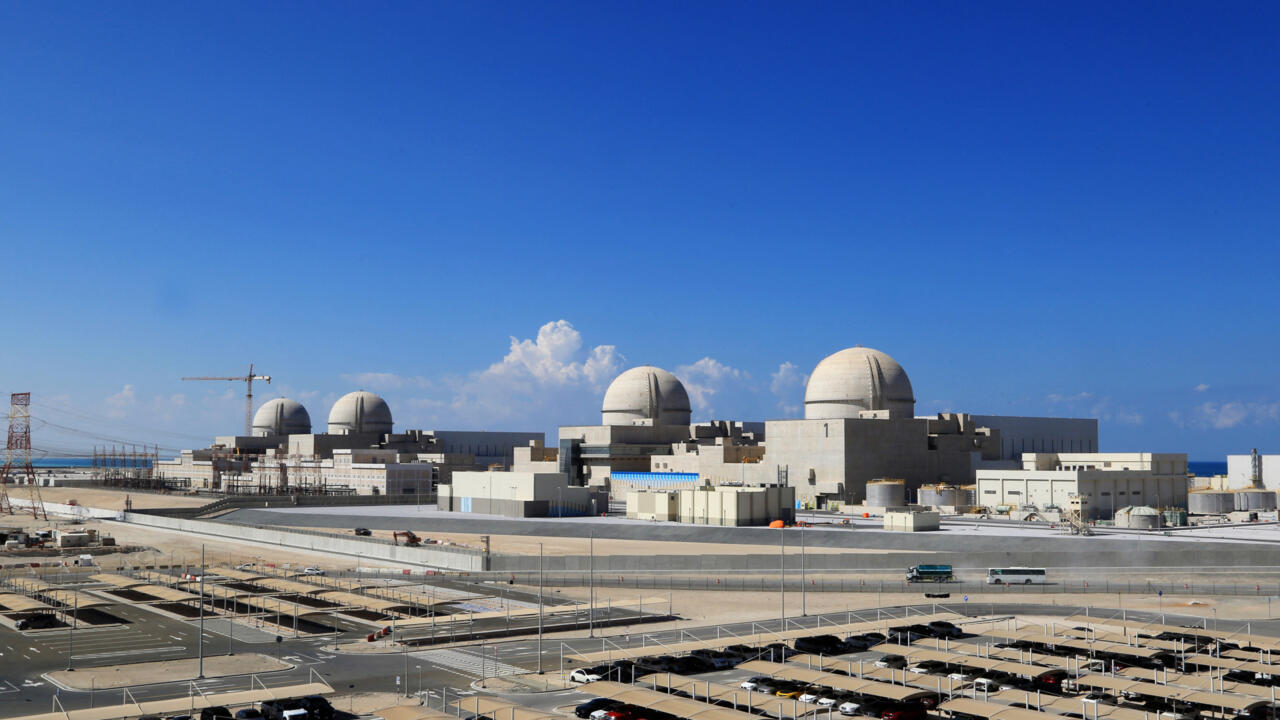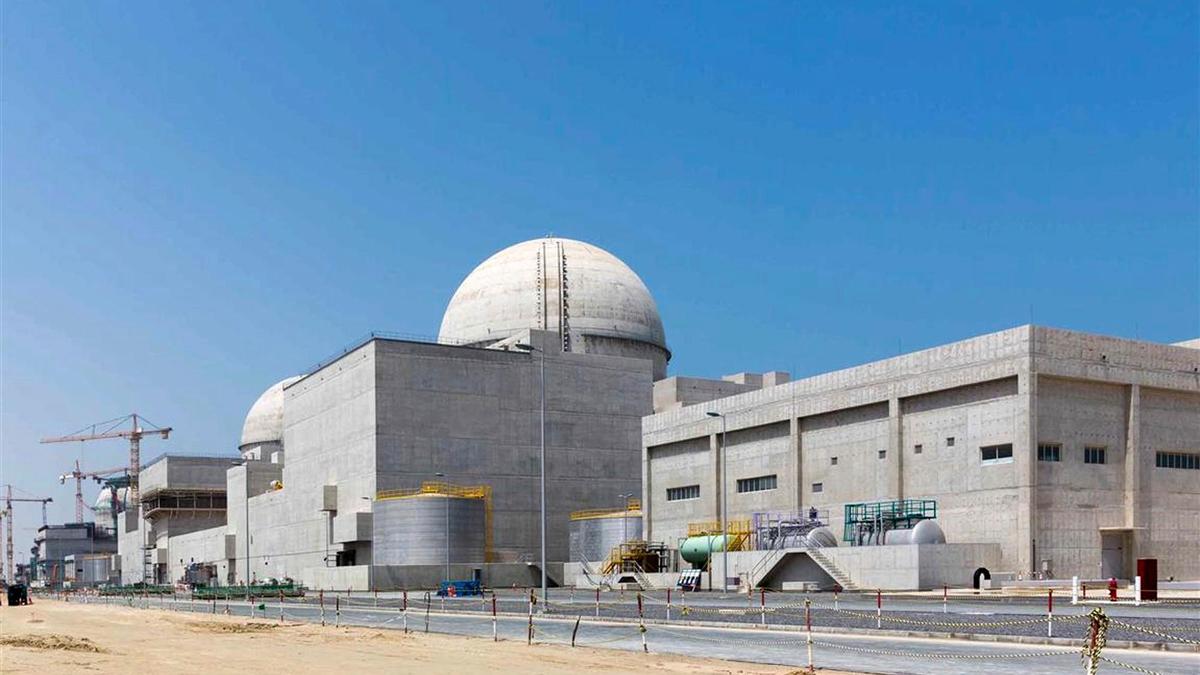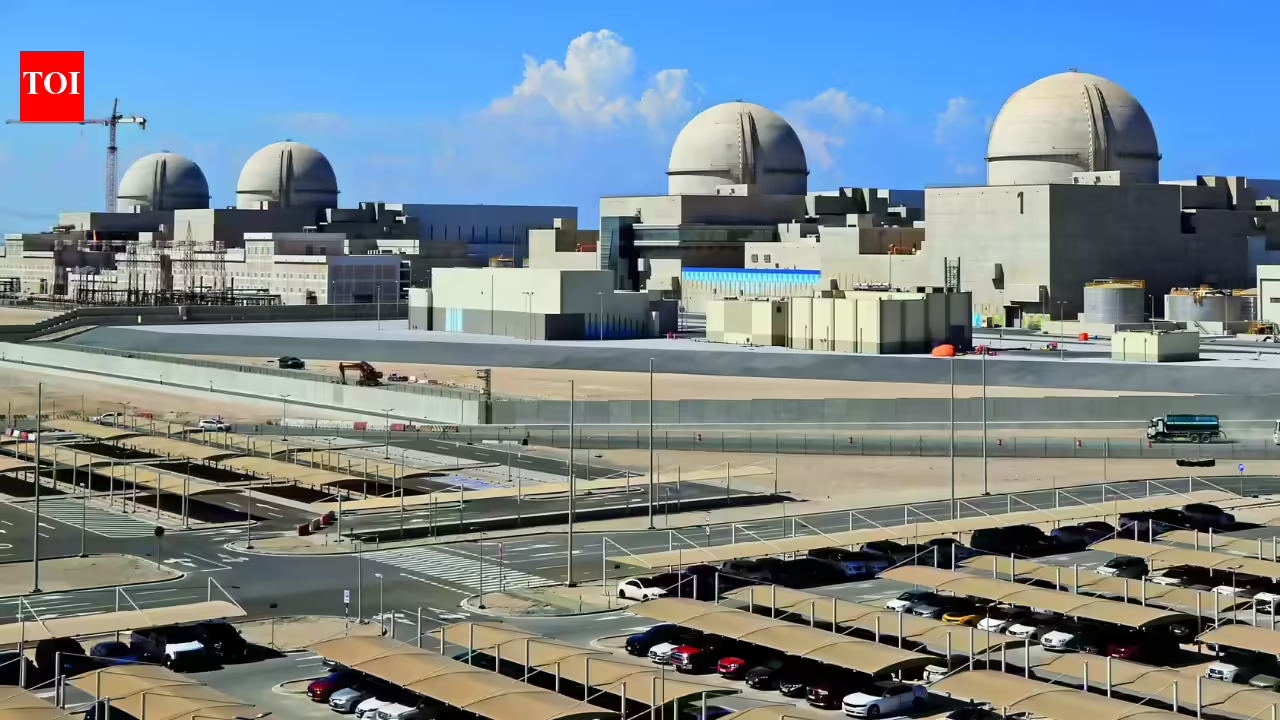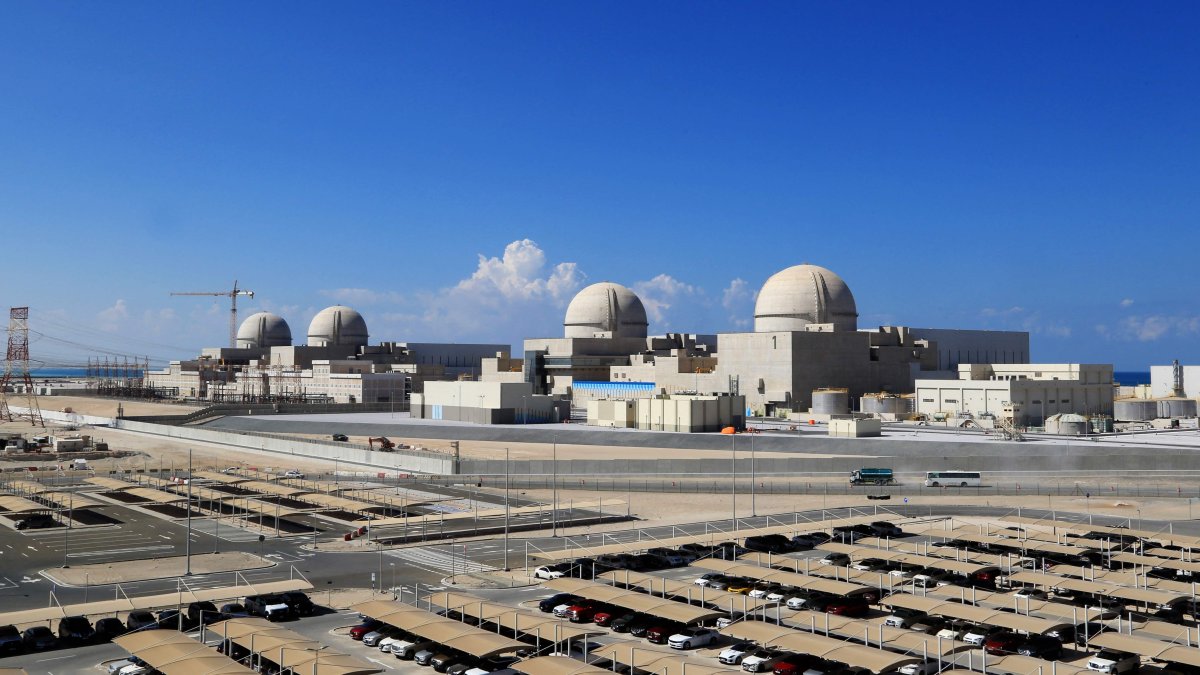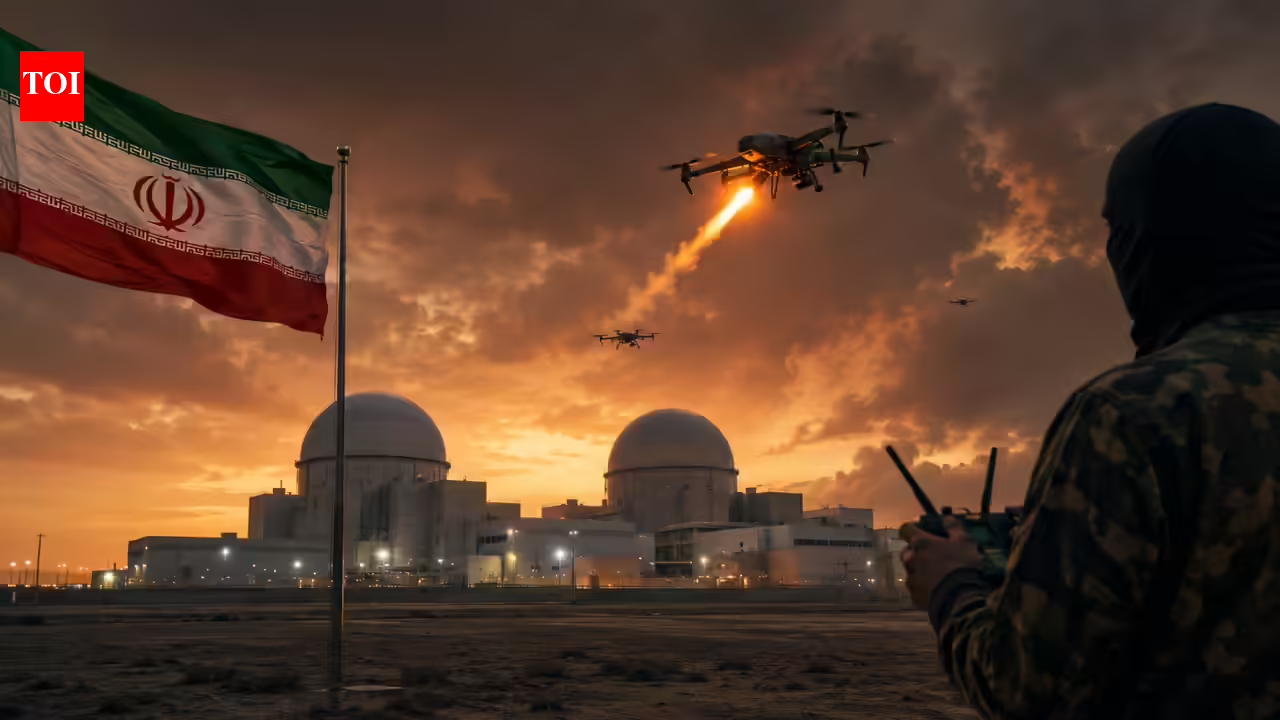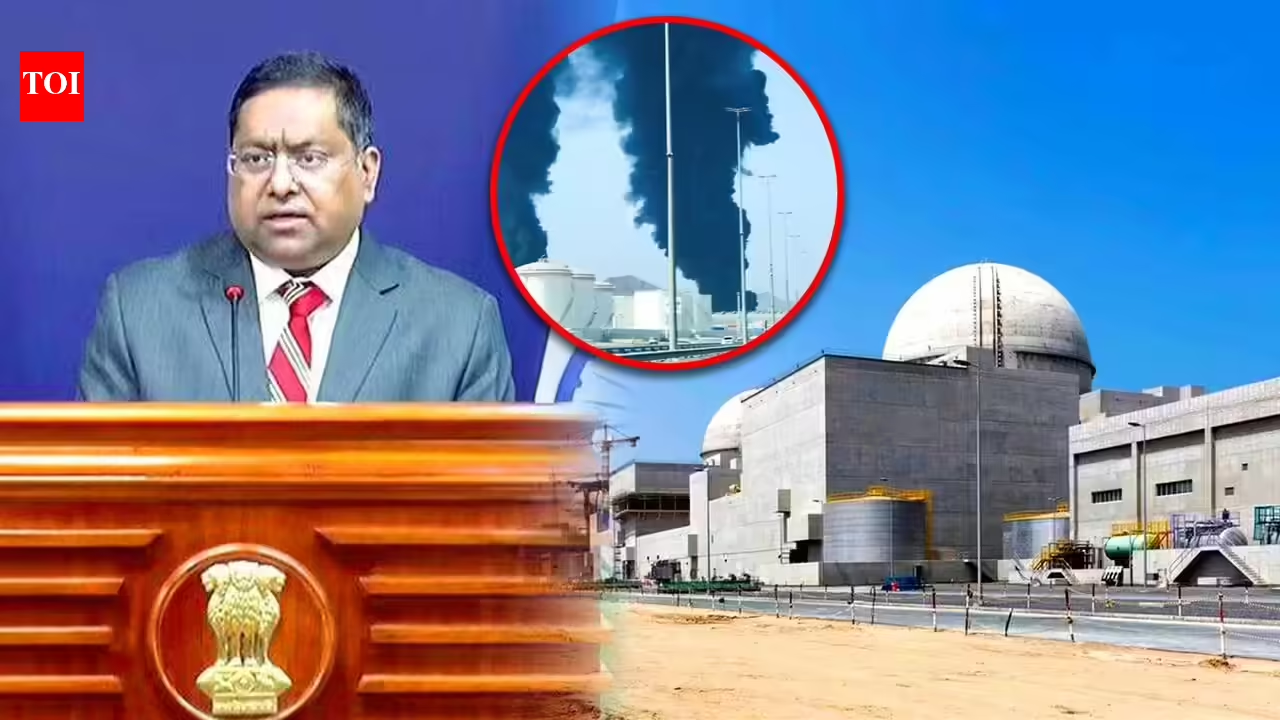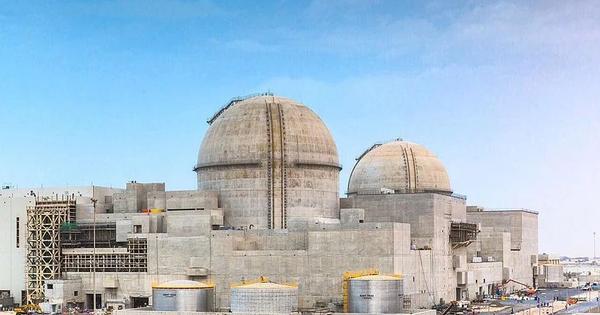
India on Monday expressed concern about a drone strike targeting the United Arab Emirates’ Barakah nuclear facility, calling it a “dangerous escalation” of tensions in West Asia.“Such actions are unacceptable and represent a dangerous escalation,” the Ministry of External Affairs said. “We urgently call for restraint and a return to dialogue and diplomacy.”On Sunday, the attack triggered a fire at the nuclear power plant, which is located around 200 km west of Abu Dhabi, AFP reported.The Barakah plant is the United Arab Emirates’ largest source of electricity and meets about a quarter of the country’s energy needs.The authorities had reported no injuries or impact on radiation levels after the incident.A projectile struck an “electrical generator outside the inner perimeter” of the power plant, the country’s defence ministry had said on Sunday.The ministry said that the drone was one of three that “entered the country from the western border direction”. The other two had been “successfully intercepted”.Investigations were underway to determine the source of the attack, the statement added.The UAE’s Ministry of Foreign Affairs described the strike as an “unacceptable act of aggression” and said that it had the right to respond to any hostilities.On Monday, United Nations Secretary-General António Guterres said that he was deeply alarmed by the incident, saying “attacks to nuclear installations are totally unacceptable, a violation of international law and must be condemned”.The International Atomic Energy Agency said that it had been informed by the authorities in the United Arab Emirates that the radiation levels remain normal at the facility.Rafael Mariao Grossi, the director-general of the global nuclear watchdog, said that “military activity that threatens nuclear safety is unacceptable”. He reiterated calls for “maximum military restraint” near nuclear facilities to avoid the danger of a nuclear accident.The warThe drone attack came amid the broader conflict in West Asia.The US and Israel launched an attack on Iran on February 28, claiming that Tehran’s action posed an existential threat to Israel. Washington acts as a guarantor of Israel’s security. Iran retaliated by striking Israel and US military bases in the region, targeting major cities in Gulf countries and ships.Tehran also effectively blocked the Strait of Hormuz, the narrow waterbody connecting the Gulf to the Arabian Sea, for most international commercial vessels, triggering a global energy crisis. About 20% of global petroleum supply passes through the maritime chokepoint.The peace talks between Iran and the US that were held in Islamabad, Pakistan collapsed on April 12 but the ceasefire in the region had largely held so far. However, on Monday, US President Donald Trump told reporters that the truce was on “massive life support”.Israel has been claiming that Iran is close to obtaining a nuclear weapon, which could alter the regional security balance. Tehran has long maintained that its nuclear programme is for civilian purposes.Written by Sara Varghese. Edited by Nachiket Deuskar.
West Asia war: Targeting of UAE’s Barakah nuclear facility ‘dangerous escalation’, says India
A drone strike on Sunday had triggered a fire at the power plant.
471 words~2 min read