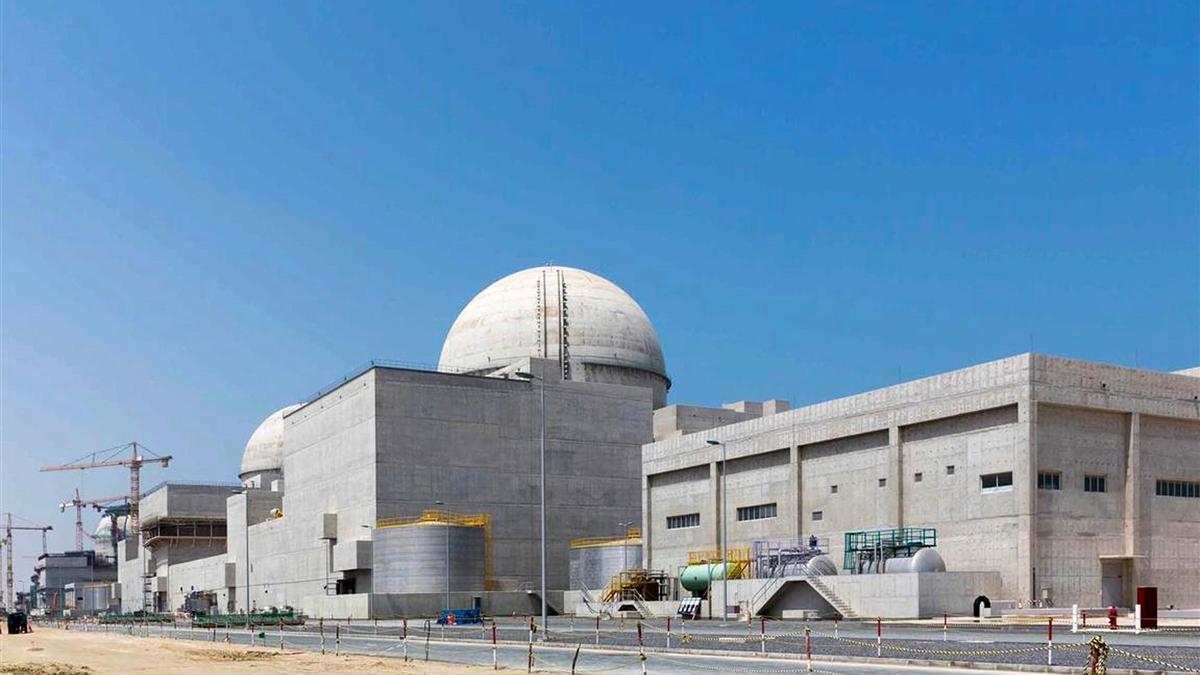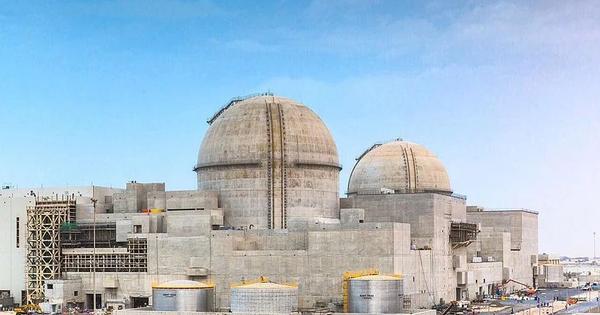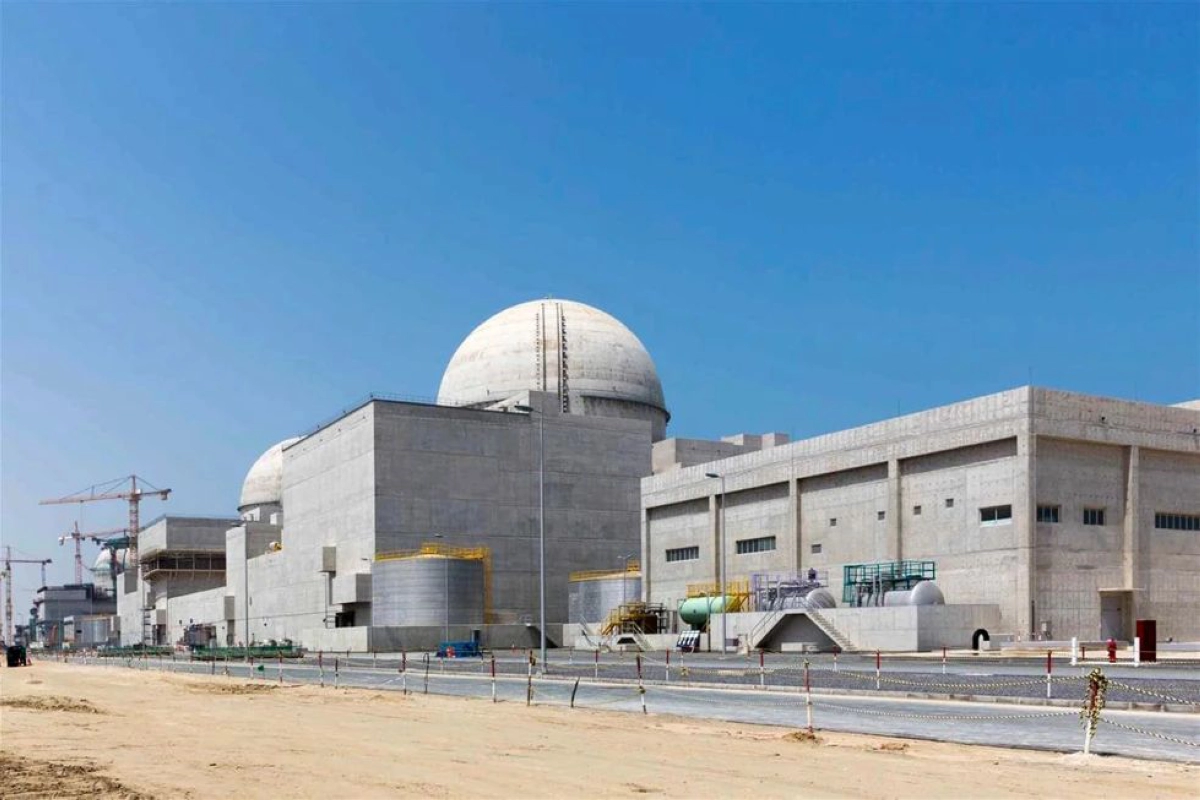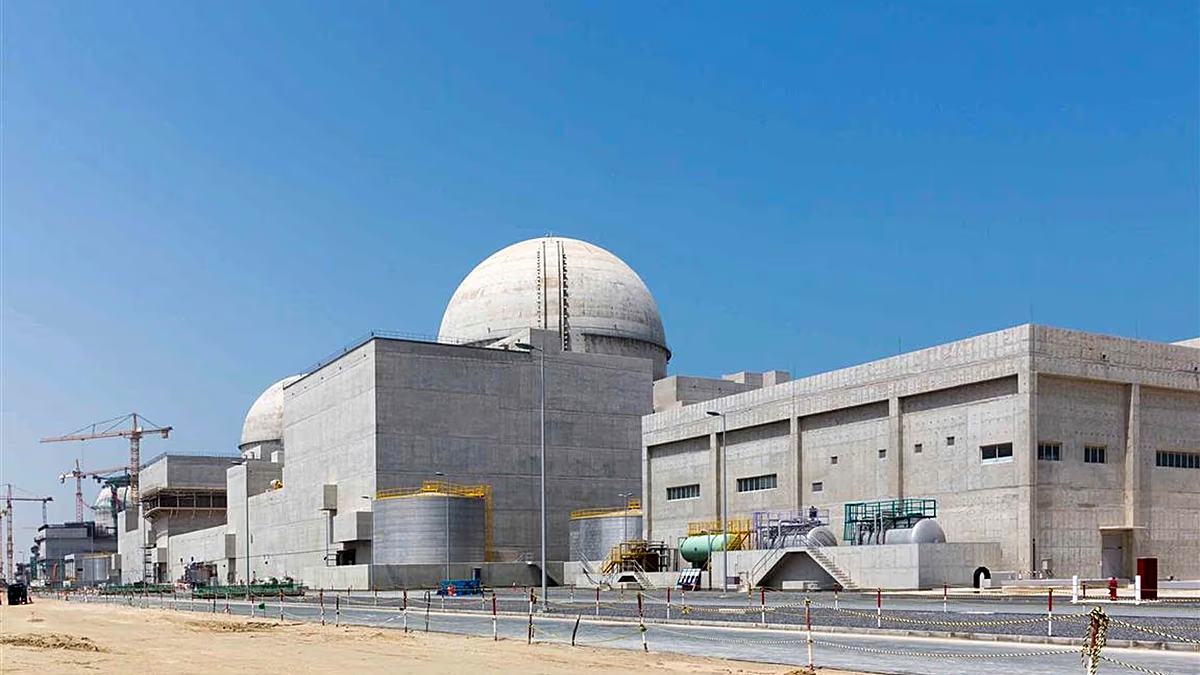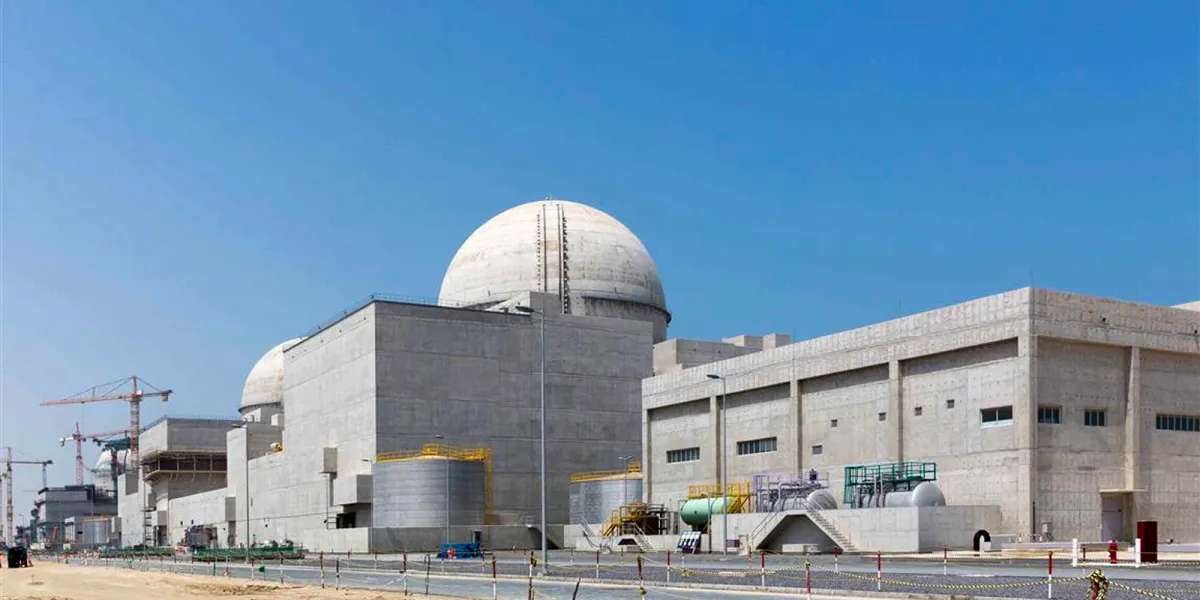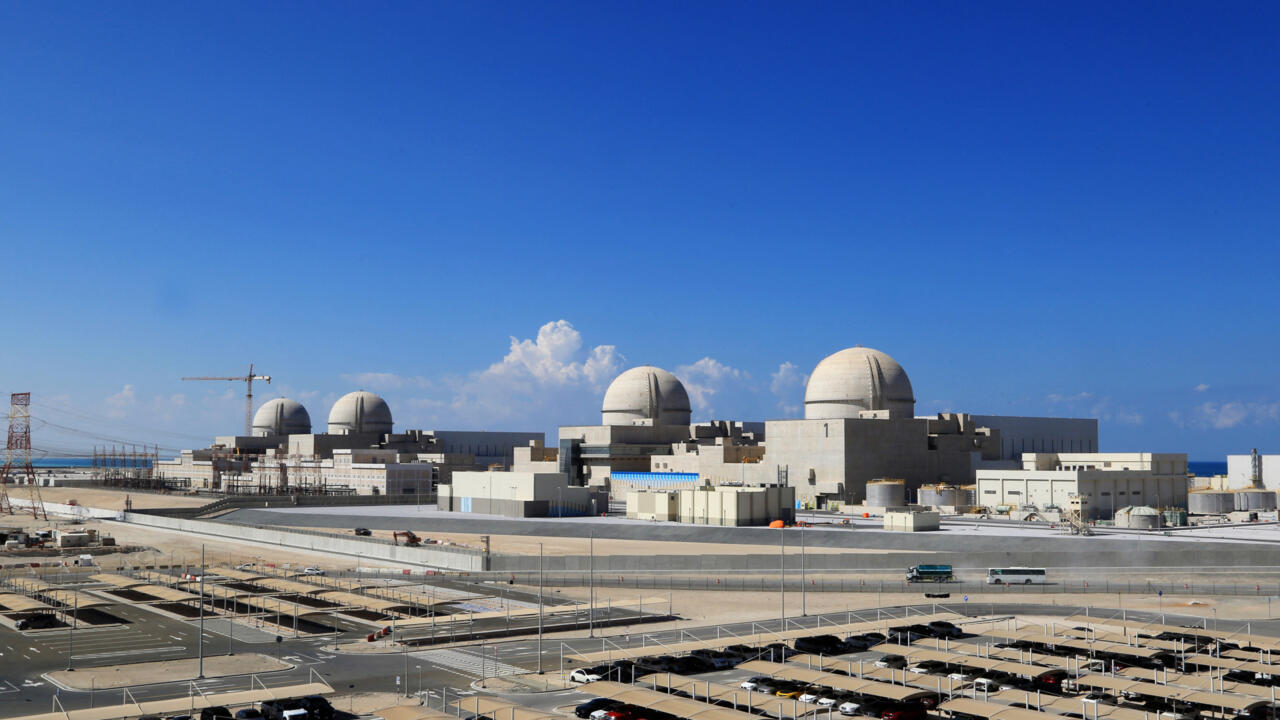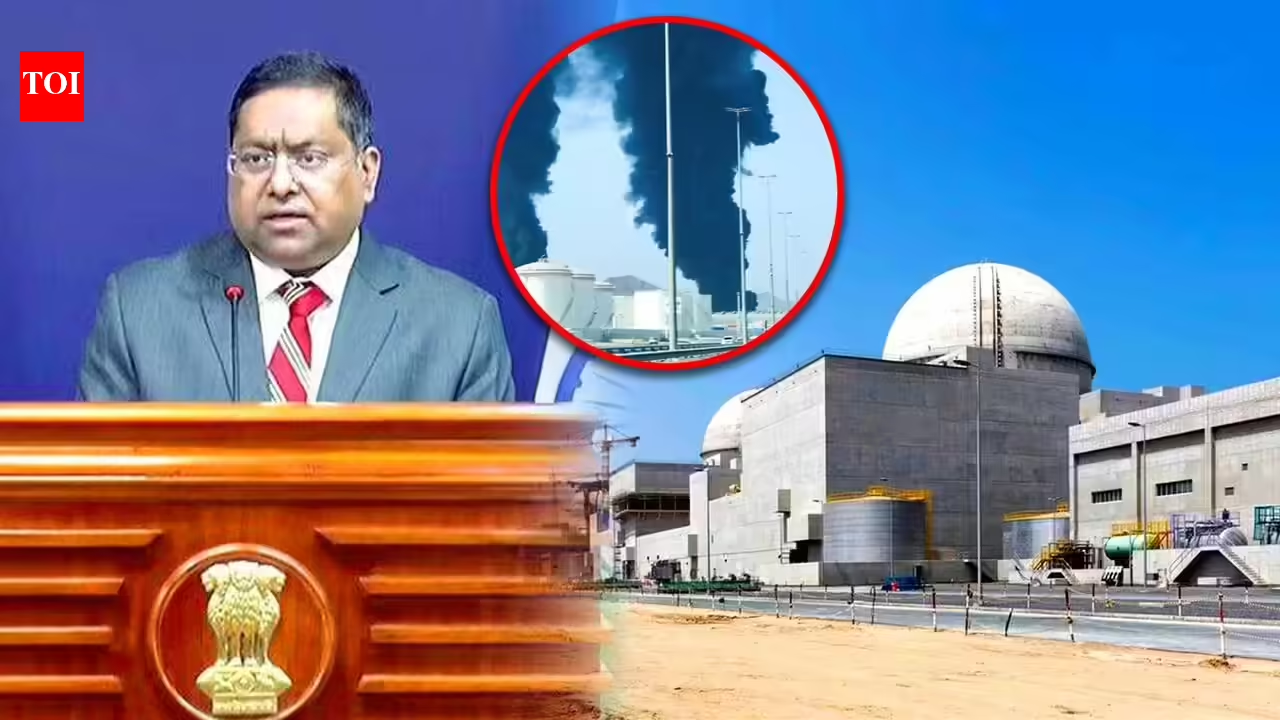
A drone attack on the premises of the Barakah Nuclear Energy Plant in the UAE has once again brought into focus the challenges surrounding the safety of nuclear power plants. This nuclear power plant is the only operational nuclear power station in the Arab world.The drone managed to hit a generator unit outside the main perimeter. The strike caused a massive fire, with a smoke plume visible for miles. Authorities in Abu Dhabi have confirmed that there is no radioactive leak and that the reactors are safe. The nuclear facility is located in the Al Dhafra region of Abu Dhabi. The US Air Force has a large presence in the Al Dhafra region, but the nuclear power plant is located a considerable distance from the US air base.India condemned the attack on the nuclear power plant, calling it a dangerous escalation.“Dangerous Escalation”: India Condemns Drone Attack Near Barakah Nuclear Power Plant in UAE"India is deeply concerned at the attack targeting the Barakah nuclear facility in the UAE," the ministry of external affairs (MEA) said."Such actions are unacceptable and represent a dangerous escalation. We urgently call for restraint and a return to dialogue and diplomacy," it said.The power plant, according to Gulf News, produces about 27% of the UAE’s energy needs and is therefore a central part of the country’s energy infrastructure. The International Campaign to Abolish Nuclear Weapons (ICAN), the 2017 Nobel Peace Prize-winning organisation, states that the dangers of attacks on an atomic power plant are far-reaching.Most nuclear reactors are shielded by thick concrete and steel containment structures, but they remain vulnerable to extreme events such as missile strikes or aircraft crashes. While reactor cores are protected, auxiliary systems such as spent fuel pools and cooling equipment lack similar safeguards, posing significant risks during targeted attacks, ICAN states.Spent fuel pools pose a greater hazard than reactor cores if cooling fails. ICAN warns that cesium-137 release from fires could exceed Chernobyl or Fukushima levels, causing mass evacuations and severe radiation sickness. Densely packed pools also risk hydrogen explosions. Historical accidents, such as Windscale in 1957, show how fires can spread radioactive fallout across nations, releasing isotopes such as iodine-131 and polonium-210. While modern reactors have robust containment systems, auxiliary infrastructure remains vulnerable. Researchers warn that without improved safeguards, spent fuel storage could trigger catastrophic consequences.Nuclear power plants are specifically protected under Additional Protocol I of the Geneva Conventions, though exceptions exist if they directly support military operations or are used for manufacturing nuclear weapons.The West Asia conflict and the UAEThe UAE has emerged as Iran’s primary target, facing more missile and drone attacks than Israel. Emirati defences have intercepted 551 ballistic missiles, 29 cruise missiles, and 2,263 drones. The United Arab Emirates has been at the receiving end of Iranian missile and drone barrages more than any other country, including Israel. The drone attack on a nuclear facility appears to mark an escalation in the ongoing conflict, especially as the United States has indicated that it may restart combat operations in Iran.History of attacks on nuclear facilitiesAttacks on power infrastructure are not new in warfare, as they can disproportionately affect an adversary’s war production and overall war-fighting capacity. Attacks on nuclear facilities also have precedent. Such strikes are often carried out to prevent an adversary from developing nuclear weapons.India-Pakistan mechanism to safeguard nuclear sitesIn an effort to safeguard nuclear facilities, India and Pakistan signed the 1988 Agreement on the Prohibition of Attack Against Nuclear Installations and Facilities. The agreement requires both nations to share updated coordinates of nuclear facilities annually and prohibits attacks on them.The exchange covers nuclear power plants, research reactors, uranium enrichment and reprocessing units, and radioactive material storage sites. This year, the two countries marked 35 years of uninterrupted compliance with the arrangement, which began in 1991.
UAE nuclear plant strike revives India-Pakistan red line: What the 1988 pact says | - The Times of India
International News: A drone attack on the premises of the Barakah Nuclear Energy Plant in the UAE has once again brought into focus the challenges surrounding the safety .
630 words~3 min read