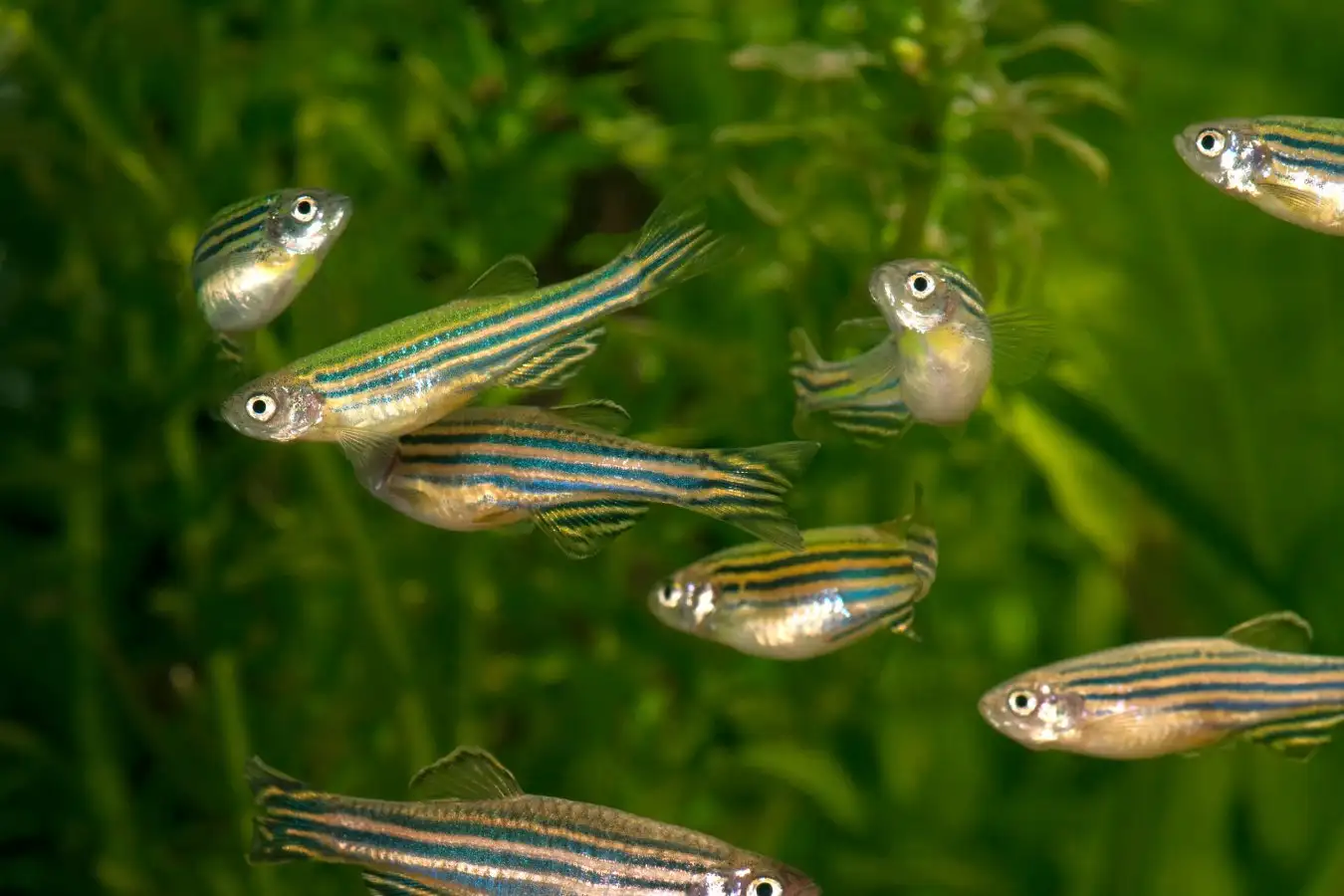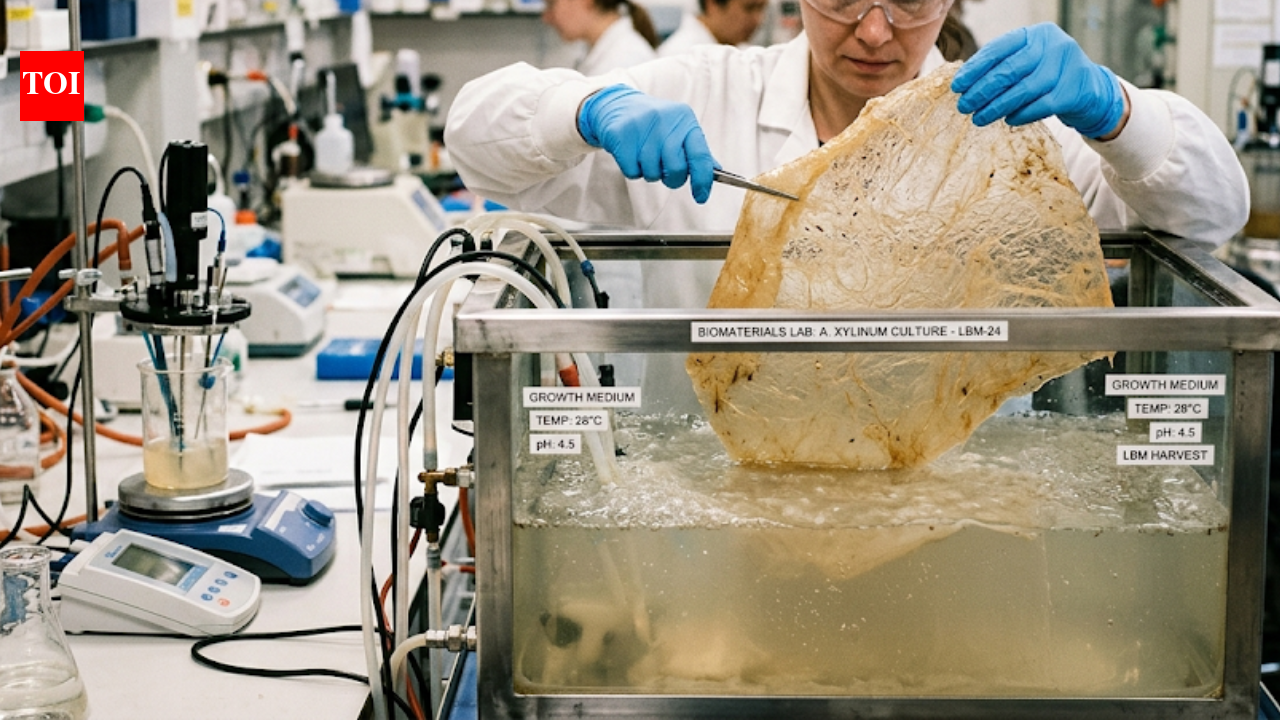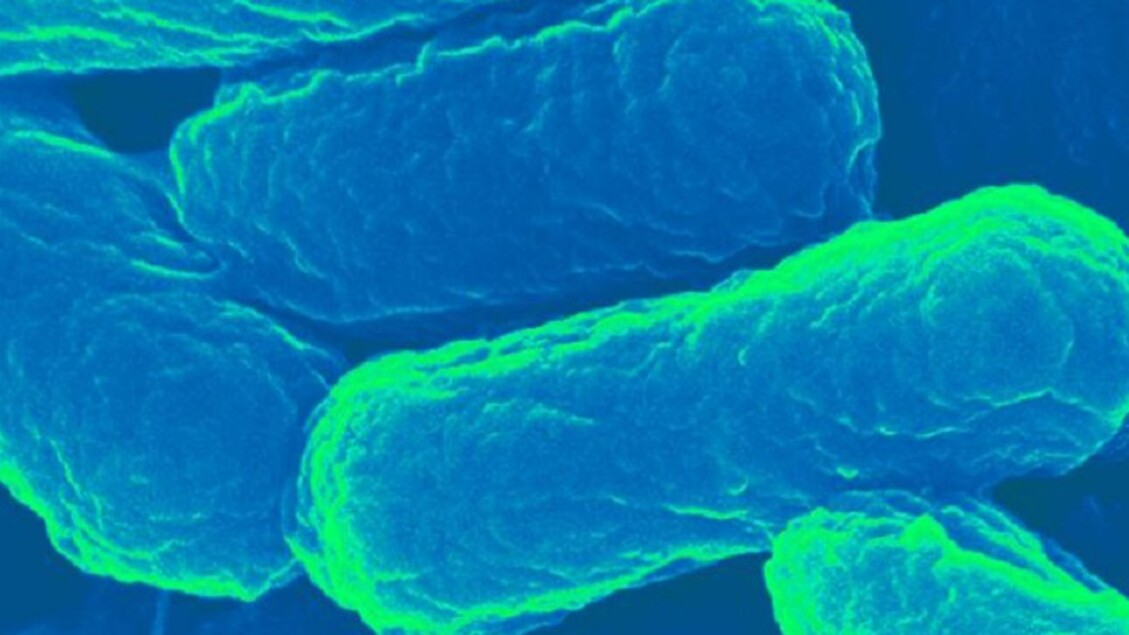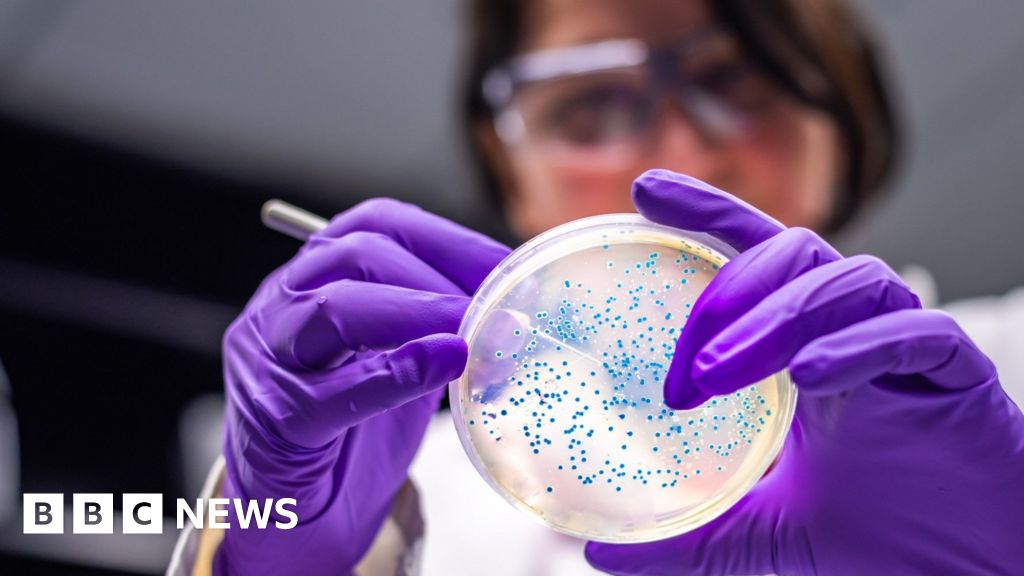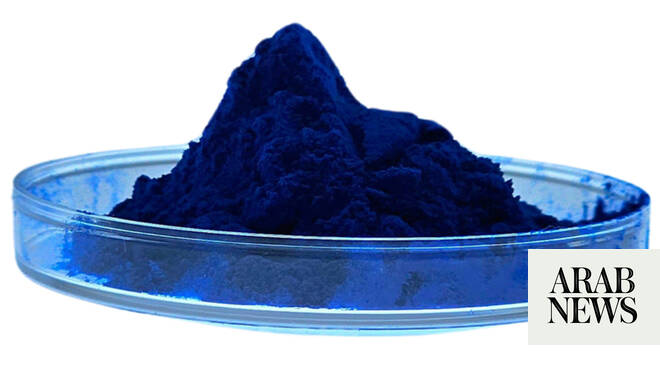
Bacteria may be able to help mass-produce a natural UV-protectant ingredient called gadusol that is found in many fish and marine organisms. The chemical could be used to make sunscreen safer and greener in the future. However, much more testing is required to determine its efficacy and safety compared to other currently available sunscreens.Like a fish out of waterGadusol is “transparent, unlike melanin, and yet is perfectly tuned to block out harmful UV rays from the sun, which makes it ideal for organisms hiding from prey,” said New Scientist. Instead of harvesting the compound directly from fish, researchers opted to turn the bacteria E. coli into “mini chemical factories,” said Popular Science. They “rebuilt a zebrafish’s pathway for making gadusol inside of an E. coli bacterium” then “tweaked the E. coli’s genetics and growing conditions.”
The Week
Escape your echo chamber. Get the facts behind the news, plus analysis from multiple perspectives.
From our morning news briefing to a weekly Good News Newsletter, get the best of The Week delivered directly to your inbox.
The modifications of the E. coli “increased gadusol yield by nearly 93 times, from 45.2 milligrams per liter to 4.2 grams per liter,” said the release. The lab-made gadusol also “showed promise in preliminary UV-protection tests.” The results suggest that “we may be able to meet future demand for natural sunscreen ingredients through microbial production,” Zhang said. However, the study didn’t compare gadusol’s effectiveness to currently available sunscreens. The process also needs to be assessed for long-term safety and whether it can be scaled for manufacturing.A bright futureFinding natural sunscreens has become a growing interest, as some people have grown opposed to conventional sunscreen ingredients, “which can irritate sensitive skin, harm marine organisms or rely on petrochemicals,” said the release. There has also been concern that two common sunscreen ingredients, homosalate and oxybenzone, may have endocrine-disrupting properties. “While effects have been seen at high concentrations in animal studies, it is not clear whether these translate to humans exposed to sunscreen levels,” Ian Musgrave, a senior lecturer in pharmacology at the University of Adelaide, said at The Conversation in 2025.Gadusol is promising not only for its sun protection but also because of its “antioxidant activity comparable to that of vitamin C, suggesting it may help neutralize cell-damaging free radicals from UV exposure,” said the release. We “haven’t necessarily given it the praise that it deserves,” James Gagnon, a researcher at the University of Utah who helped discover gadusol’s role as a sunscreen in fish embryos, said to New Scientist. “This is a great molecule.”However, gadusol “won’t join your next beach day just yet,” said Popular Science. There are a number of hurdles to making the ingredient available for commercial use. The biggest is “finding a mixture of chemicals that bind it into a solution that works as a long-lasting application,” said New Scientist. “The active ingredient could be gadusol, but I guarantee 99% of what’s in that bottle of sunscreen someday in the future is going to be just stuff to hold the gadusol to your skin so it doesn’t wash off,” says Gagnon. “There’s still a lot of work required on the material science side.” The product would also need regulatory approval.A free daily email with the biggest news stories of the day – and the best features from TheWeek.com