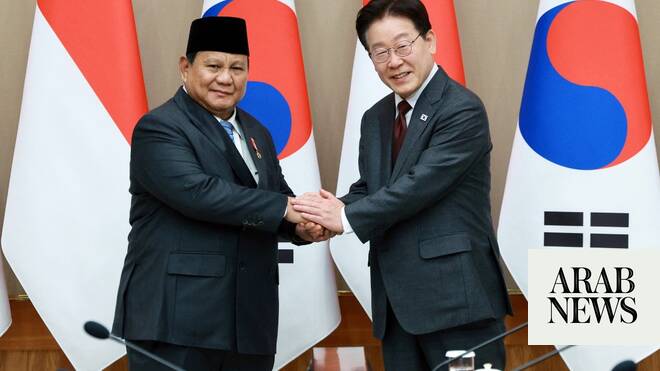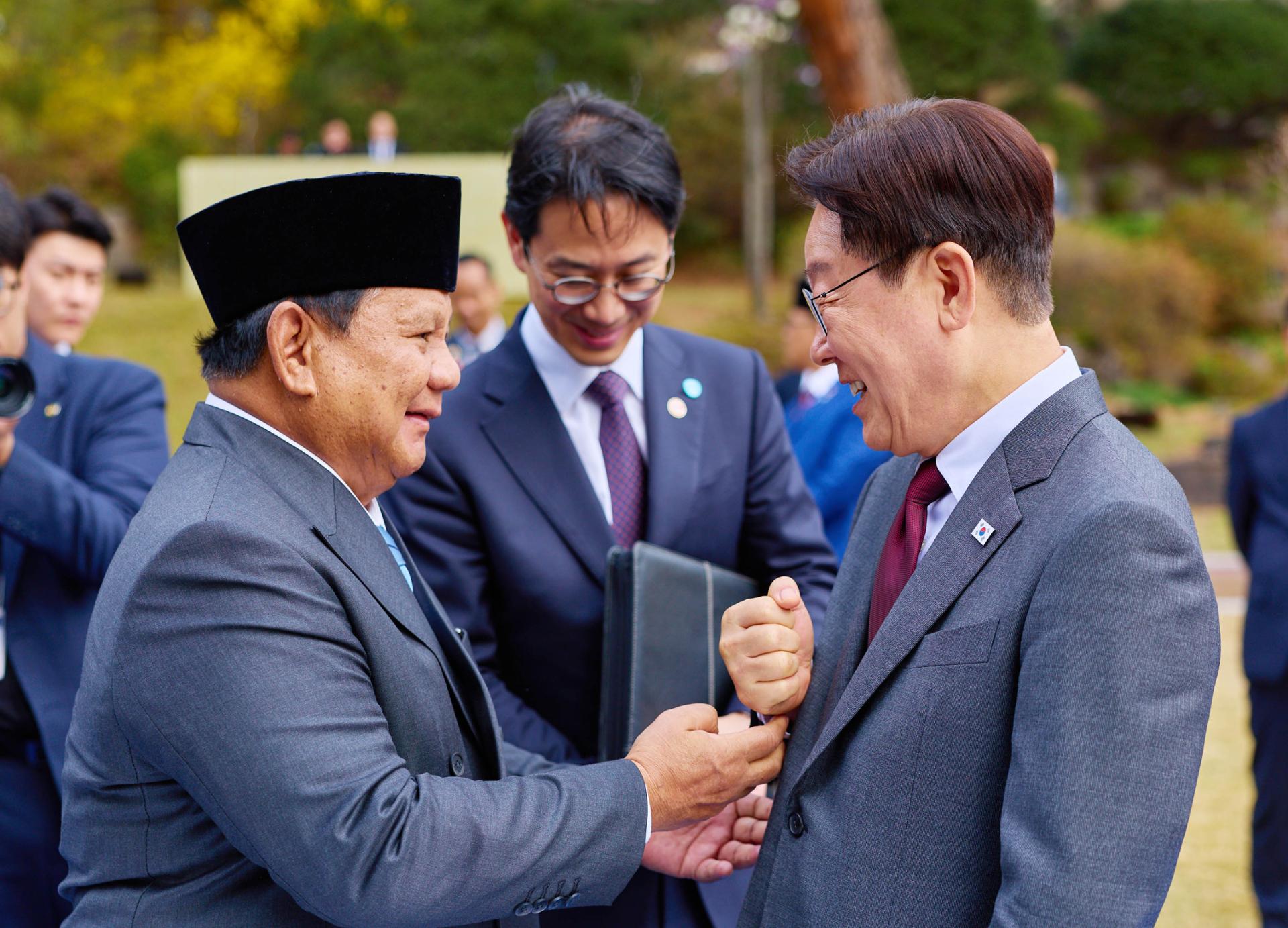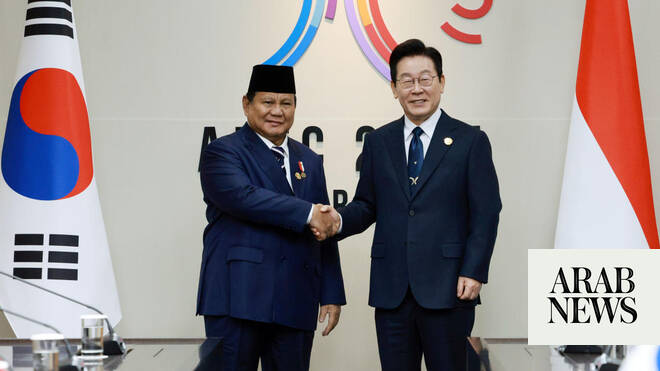
The newly announced Special Comprehensive Strategic Partnership between South Korea and Indonesia has drawn attention to security cooperation and expanding trade ties. Yet its deeper significance may be found in the development of green industrial cooperation.The joint statement released during President Prabowo Subianto’s state visit to Seoul in April included several priorities linked to the future economy, including electric vehicles, batteries, critical minerals, clean energy, carbon capture and storage, artificial intelligence and green growth. These areas reflect a broader transformation across Asia, where energy transition, industrial strategy and economic security are becoming interconnected.For South Korea, this shift matters. Korean industries such as batteries, semiconductors, shipbuilding, electric vehicles and advanced manufacturing depend heavily on stable supply chains, technological competitiveness and access to strategic resources. Indonesia, with some of the world’s largest nickel reserves, has demonstrated its importance to Korea.But Jakarta does not want to remain merely a supplier of raw materials. Through downstream industrialization policies, Indonesia aims to move further into battery production, electric vehicle manufacturing and higher-value industrial activities. This creates opportunities with Korean firms active in those industries.The partnership also reflects changes in energy security. In the past, energy security was often associated with securing fossil fuel imports. Today, it includes access to critical minerals, clean technologies, resilient supply chains and industrial decarbonization capabilities.Yet optimism should be balanced with caution. Large-scale green industrial projects often face financing constraints, regulatory uncertainty, environmental concerns and local resistance. There is also a risk that the relationship becomes overly transactional, with Indonesia viewed as a supplier of resources and Korea seen as a source of investment and technology. Such a model may produce short-term gains, but it will not necessarily create a durable or mutually beneficial green partnership.Indonesia’s downstreaming strategy has attracted foreign investment, but questions remain over technology transfer, environmental governance and long-term domestic value creation. Korea also faces strategic risks, as excessive dependence on overseas supply chains could create new vulnerabilities even while trying to reduce existing ones.These tensions are visible in carbon capture and storage (CCS). Interest in the technology is growing across Asia, particularly among countries seeking practical ways to decarbonize heavy industries. For Korea, CCS may become relevant for sectors such as steel, petrochemicals and cement. Indonesia has significant geological storage potential and has expressed ambitions to become a regional CCS hub.The joint statement’s reference to future CCS cooperation, including potential transboundary carbon storage, deserves attention. It suggests that the partnership is starting to move beyond traditional trade toward longer-term industrial decarbonization cooperation. However, CCS also illustrates the broader implementation challenge. Carbon management projects require substantial capital, long regulatory processes and public trust. Without viable financing models and credible governance frameworks, many projects risk remaining aspirational.This is why financing and implementation mechanisms matter more than summit declarations. Public-private partnerships will be essential, requiring coordination not only between governments, but also among companies, financial institutions and international organizations.Korea has an institutional advantage in this regard. Both the Green Climate Fund and the Global Green Growth Institute are headquartered in Korea, positioning the country as an emerging hub for green finance and sustainable development cooperation. Indonesia’s newly established sovereign investment management agency, Danantara Indonesia, could also help mobilize long-term investment for energy transition and industrial transformation.The Korea-Indonesia partnership should not be judged simply by the number of agreements signed during high-level summits. Its real significance will depend on whether both countries can develop projects that are commercially viable, environmentally credible and politically sustainable.Across Asia, the green transition is tied to industrial competitiveness, economic resilience and strategic positioning. Korea and Indonesia possess complementary strengths: Korea offers technology, manufacturing experience and financial capabilities, while Indonesia offers market scale, strategic resources and growing industrial ambition. If managed well, the partnership could evolve into a long-term green industrial partnership that supports both countries’ economic transformation.Alland Dharmawan is a renewable energy and climate policy analyst based in Seoul. He previously served as personal assistant to the Indonesian ambassador in Seoul and later to a member of Indonesia’s Presidential Advisory Council. He has represented youth perspectives at global forums, including COP28, COP29, the U.N. Summit of the Future and the World Bank Youth Summit.
Green economy reshapes Korea-Indonesia relations - The Korea Times
The newly announced Special Comprehensive Strategic Partnership between South Korea and Indonesia has drawn attention to security cooperation and e...
688 words~3 min read