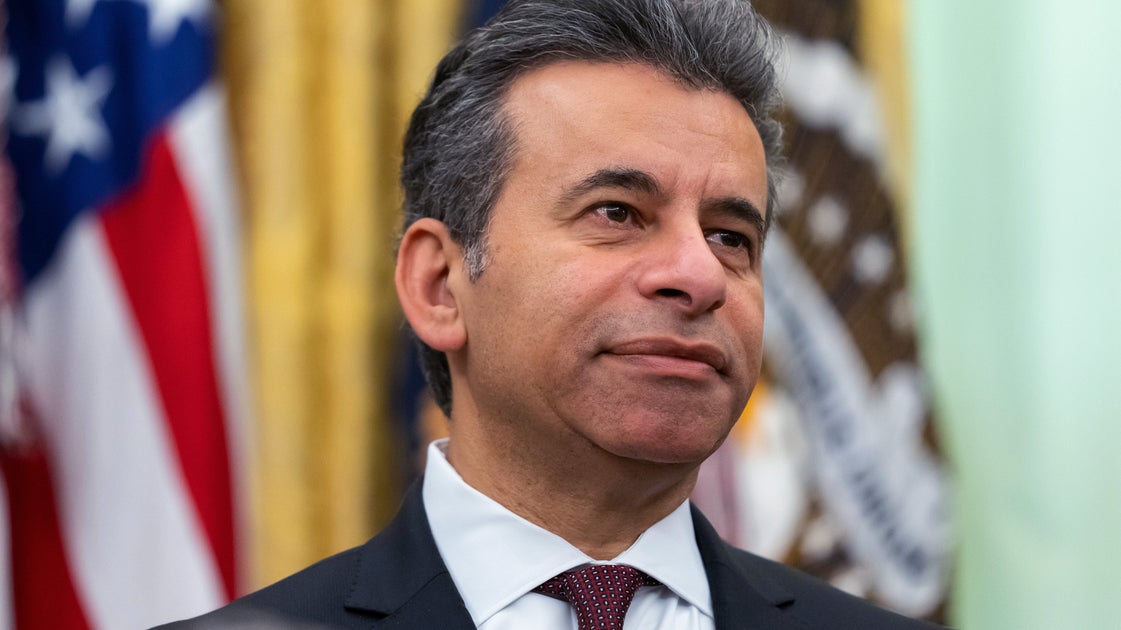
Even at the Johns Hopkins School of Medicine, you likely will not find a physician without opinions about one of its most prominent alumni, Dr. Marty Makary, the former chair of gastrointestinal surgery at Hopkins who recently resigned as commissioner of the U.S. Food and Drug Administration.
Makary’s tenure at the FDA was marked by controversy, from disputes over COVID vaccine policy to criticism surrounding the rollback of restrictions on certain injectable peptides popular within the wellness industry. Yet few could have predicted that one of the defining issues surrounding his departure would involve the Trump administration’s push to permit fruit-flavored e-cigarettes.
Makary reportedly opposed the move. President Donald Trump and influential figures within the tobacco industry supported it. Whether this disagreement alone caused Makary’s resignation remains unclear. His media-heavy profile and broader management style likely contributed as well. Still, the flavored-vape issue appears to have become a significant breaking point.
And on this issue, Makary was right.
Fruit-flavored vapes have long raised serious public health concerns, particularly among pediatricians and addiction specialists who witness firsthand the consequences of youth nicotine addiction. While federal regulators may technically restrict these products to adults 21 and older, reality suggests otherwise. Products marketed with flavors such as “Blue Razz Ice,” “Mango Tango” or “Strawberry Delight” are not designed in a vacuum. Their appeal to teenagers is obvious.