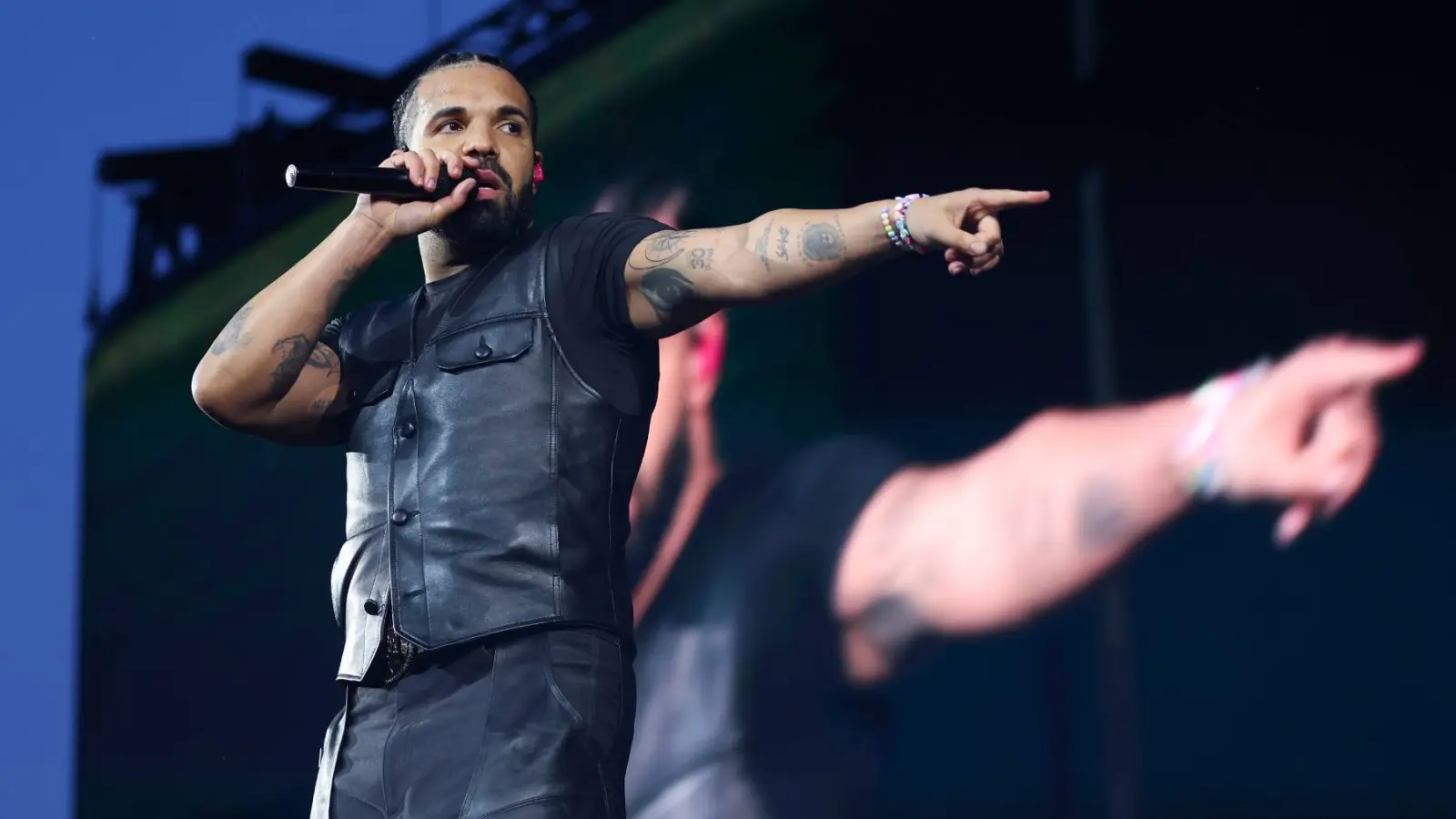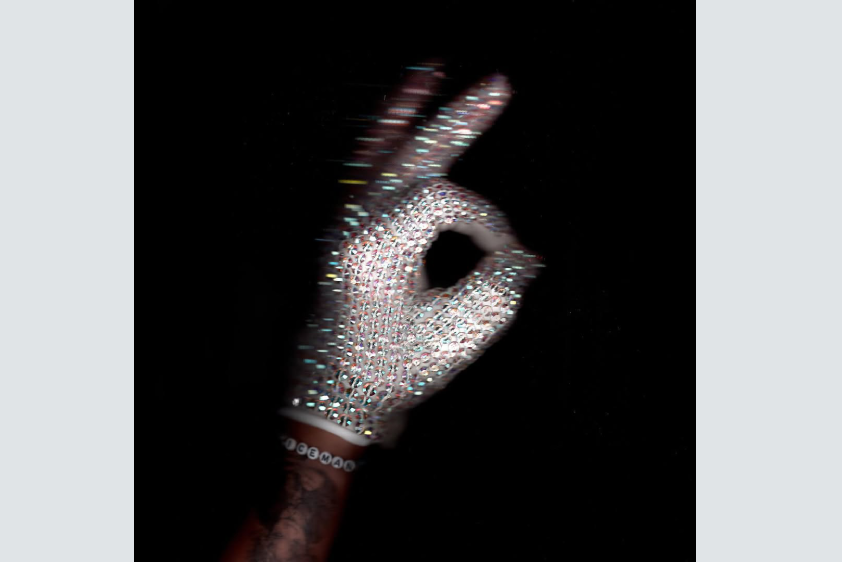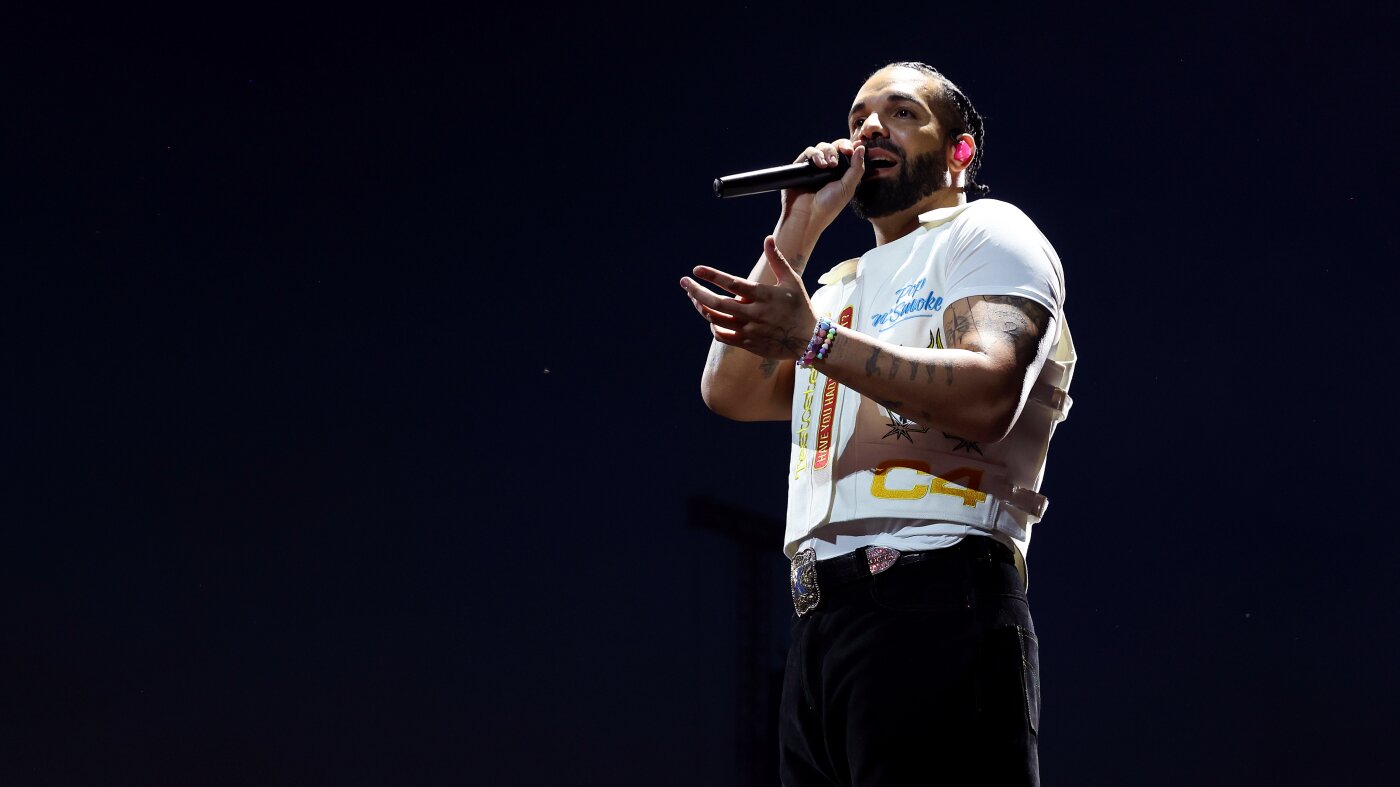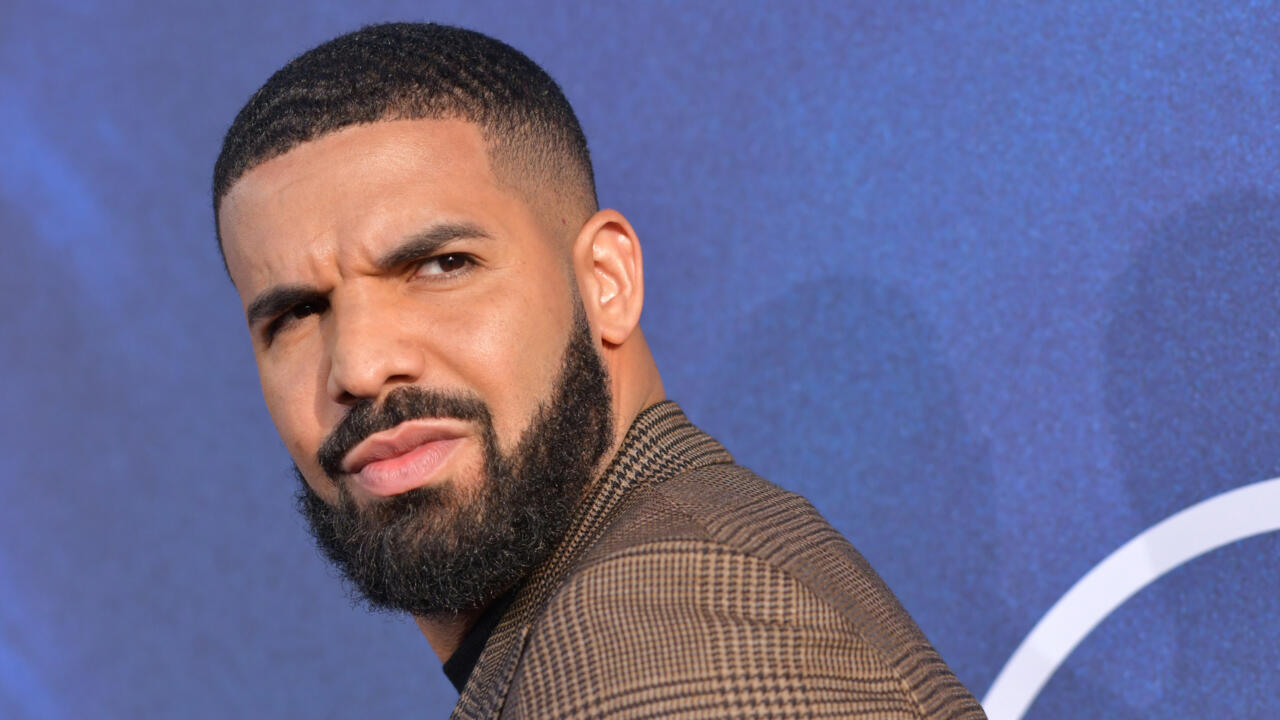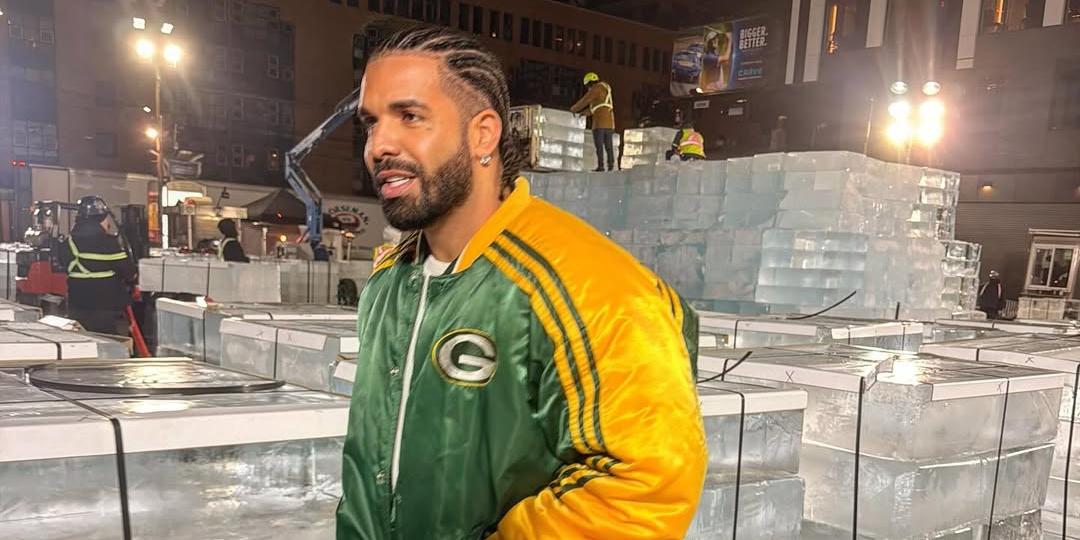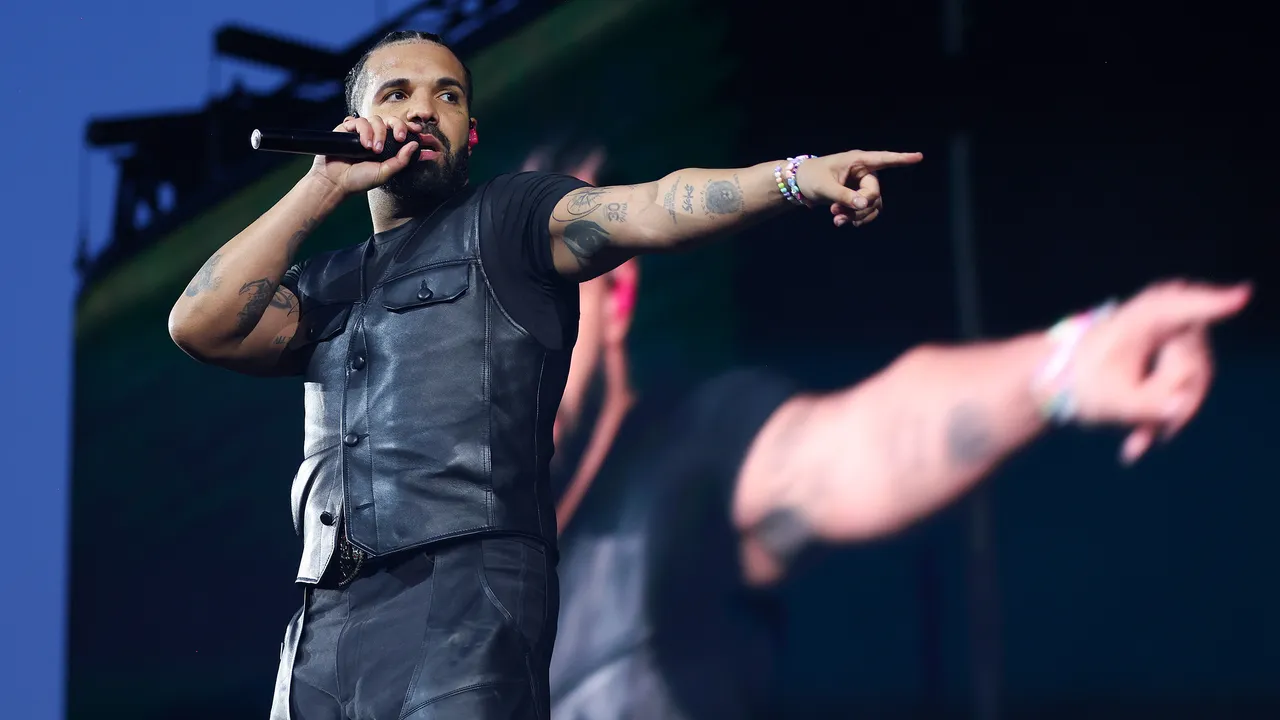
In 2009, after he had retired from his old career as a teen-age actor, and just as he was launching his new career as a grownup hip-hop star, Drake made a prediction: “When my album drop, bitches’ll buy it for the picture / And niggas’ll buy it, too, and claim they got it for they sister.” His verse betrayed lots of confidence about the magnitude of his growing popularity and also, perhaps, a few misgivings about the nature of it. The next year, he released his official début album, “Thank Me Later,” and indeed plenty of people bought it—enough of them, of whatever sex, to push it to the top of the album chart, both in America and in Canada, Drake’s home country. Back then, conventional wisdom still held that achieving pop-music success meant selling your album to a wide range of customers, including some who might have felt sheepish about their purchase. But the rise of Drake coincided with a shift in the business model of pop music: our most successful artists no longer need to worry about who is and isn’t buying their albums. In 2010, when “Thank Me Later” arrived in record stores, physical-album sales were already collapsing as listeners turned to digital downloads, and then, increasingly, to services such as Spotify. In the streaming era, people don’t need to pay for albums at all; they can just press play on whatever they’re in the mood for, or else let playlists and algorithms guide them. There is nothing to buy, besides a subscription, and therefore nothing to justify: you can listen to all the Drake you want, no alibi required.In 2016, the first year streaming services accounted for the majority of American music-industry revenue, Drake was the most listened-to artist on Spotify. (He is currently the third most listened-to artist in the service’s history, behind only Taylor Swift and Bad Bunny.) Drake’s tracks were unabashedly and extraordinarily seductive: he was a charming and malleable rapper, happy to appropriate American hip-hop slang or Jamaican patois; if some of it sounded slightly ludicrous, coming from a former cast member of the Canadian teen drama “Degrassi: The Next Generation,” Drake knew that we didn’t care. He had a voice soft and clear enough to make sure no one missed his punch lines, and an ability to switch, sometimes mid-verse, from rapping to singing, from bragging to pleading. Neither his promises nor his threats were entirely credible, but he wasn’t really asking people to believe in him—the tracks, like the relationships they often chronicled, didn’t require long-term investments. “I’ve been avoiding commitment, that’s why I’m in this position,” as he once put it. Drake was just asking people to tap “play,” while creating hours of sleek and infectious music that made it nearly impossible not to.This was an effective strategy, but also a perilous one. In 2024, when Drake found himself embroiled in a feud with Kendrick Lamar, a rapper known for lyrical ferocity, he seemed shocked to discover that his addictive tracks hadn’t inspired deep loyalty. People delighted in abandoning Drake to side with Lamar, especially after Lamar released “Not Like Us,” a riotous manifesto that called Drake and his crew “pedophiles.” In the U.S., in particular, the anti-Drake backlash felt like a righteous political movement, with Lamar (whom Drake had accused of “acting like an activist”) as its leader. At a concert in his native California, Lamar performed “Not Like Us” five times in a row; he performed it, too, at last year’s Super Bowl, by which point it had earned five Grammy Awards. Meanwhile, Drake seemed disoriented. He teamed with the singer PartyNextDoor to release an album called “$ome $exy $ongs 4 U,” all but daring listeners to laugh at the title. He sued Universal Music Group, which distributed both his and Lamar’s albums, for defamation, but the case was dismissed, with the judge holding that “Not Like Us” could not “reasonably be understood to convey as a factual matter that Drake is a pedophile or that he has engaged in sexual relations with minors.” (Drake is appealing the decision.) Last summer, he released a track that suggested he was waking up after a long night’s sleep, asking, “What Did I Miss?”Now Drake is back in earnest. Last week, after months of teasing and promotional stunts, including an ice fortress in downtown Toronto, he released his comeback album, “Iceman,” along with two other previously unannounced new albums, “Habibti” and “Maid of Honour,” for a total of two and a half hours of music. “I’m in the cut, just loading rebuttals,” he raps, near the beginning of “Iceman,” and what follows is an astonishingly detailed and sometimes entertaining account of the many ways he has not forgotten all the people who seem to have forgotten him. In the past, Drake has used wordplay and unexpected rhymes as a way to tease his listeners, even flirt with them. (He once asked, plaintively but playfully, “Do I ever come up in discussion / Over double-pump lattes and low-fat muffins?”) Now many of his jokes are intended to insure that listeners are following his travails as closely as he is. “If Drake took out the A.K., maybe he’d be in jail,” he raps, and it sounds like a simple claim about a gun until he gets to the next line: “Just based off the name that it spells.” This, it seems, is a cryptic way of insulting Dr. Dre, the legendary hip-hop producer, who appeared at Lamar’s big California concert, and who, Drake wants to remind us, has also been accused of violence against women. When he asks, “What did I miss?,” he is not trying to catch up on old news but, rather, replaying his memories of everyone who has betrayed him, wondering whether he should have seen it coming.
Drake Is Back in Earnest
The Canadian rapper releases his comeback record—alongside two surprise albums. Regrets from the past few years rise to the surface, but he sounds best when he’s having fun.
969 words~4 min read