Public Sector
Nothing says 'future of urban transit' like a defense contractor running your bus, tube, and train pass
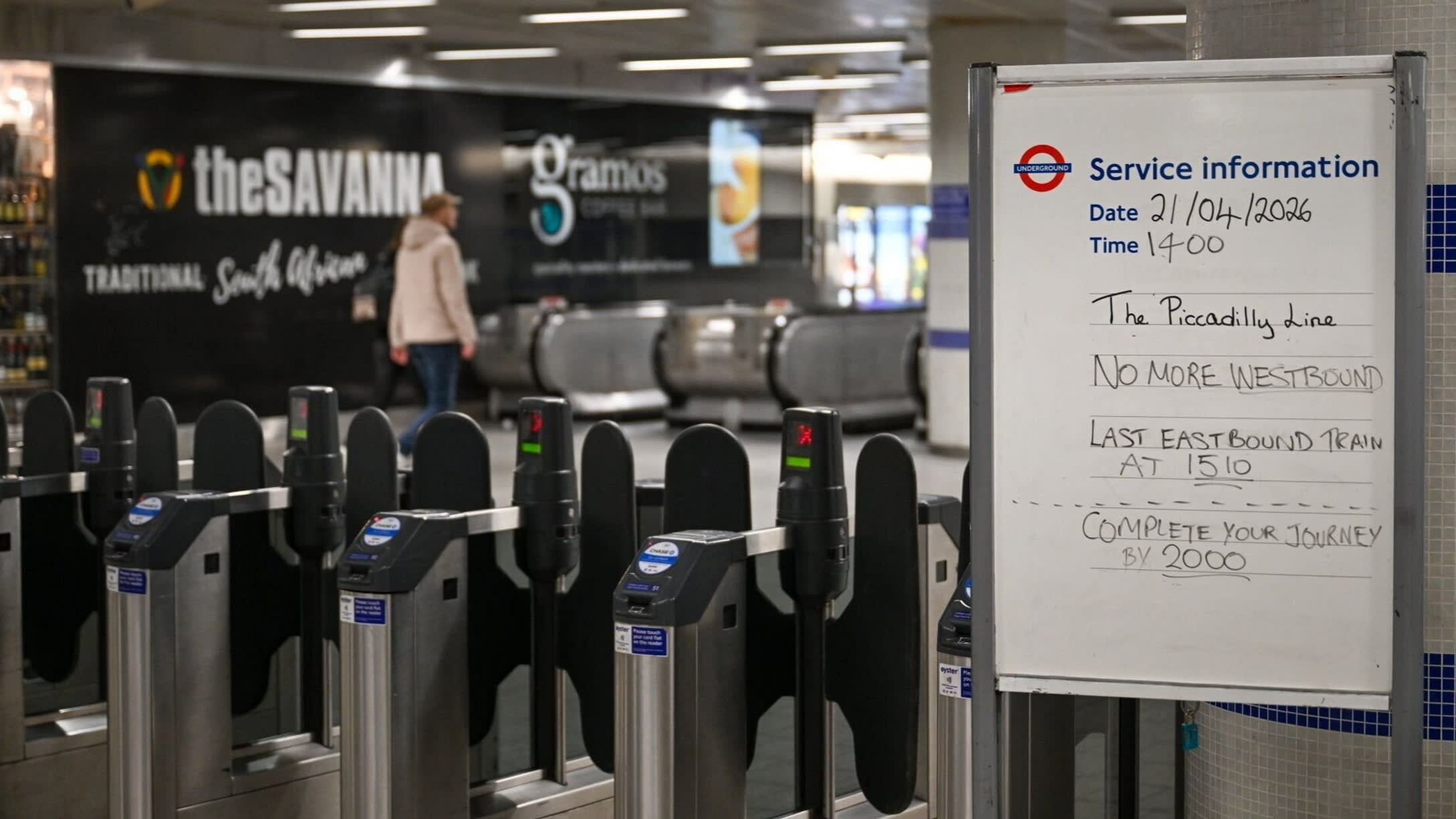
Transport for London (TfL) has published full details of its Revenue Collection Services contract, awarded to Spanish defense and tech group Indra Sistemas in January, revealing the deal could be worth nearly twice what was initially announced.The contract hands Indra responsibility for operating, maintaining, and developing almost all public transport ticketing across western Europe's largest city. This spans paper tickets, Oyster smartcards, and contactless smartphone payments.It covers 8,500 buses, 1,000 stations, 4,000 third-party retailers, and seven visitor centers, running for seven years with options to extend by up to five more.
A contract award notice published on May 14 puts the maximum possible value at £1.964 billion excluding VAT, significantly more than the £587.6 million TfL cited when it first announced the award, which it said could rise above £987 million.
A TfL spokesperson clarified that the January figures cover agreed work over the initial seven-year term, while the notice reflects the ceiling value if all extensions and variations are exercised, each of which would need to be negotiated separately.The contract's most significant technical change is a shift to an account-based ticketing model for Oyster. Rather than storing balances and tickets on the card itself, data would instead be held in a back-office system, paving the way for virtual Oyster cards on smartphones, though TfL says proof-of-concept and development work must come first.TfL also plans to introduce unique identifiers for payment accounts, which it says will allow passengers to link mobile devices with payment cards and use them interchangeably. This would be a notable improvement on the current system, where price caps – the maximum a passenger pays over a given period – only apply when the same Oyster card, payment card, or device is used consistently.