Feedback is New Scientist’s popular sideways look at the latest science and technology news. You can submit items you believe may amuse readers to Feedback by emailing feedback@newscientist.com
Ready for Eurovision
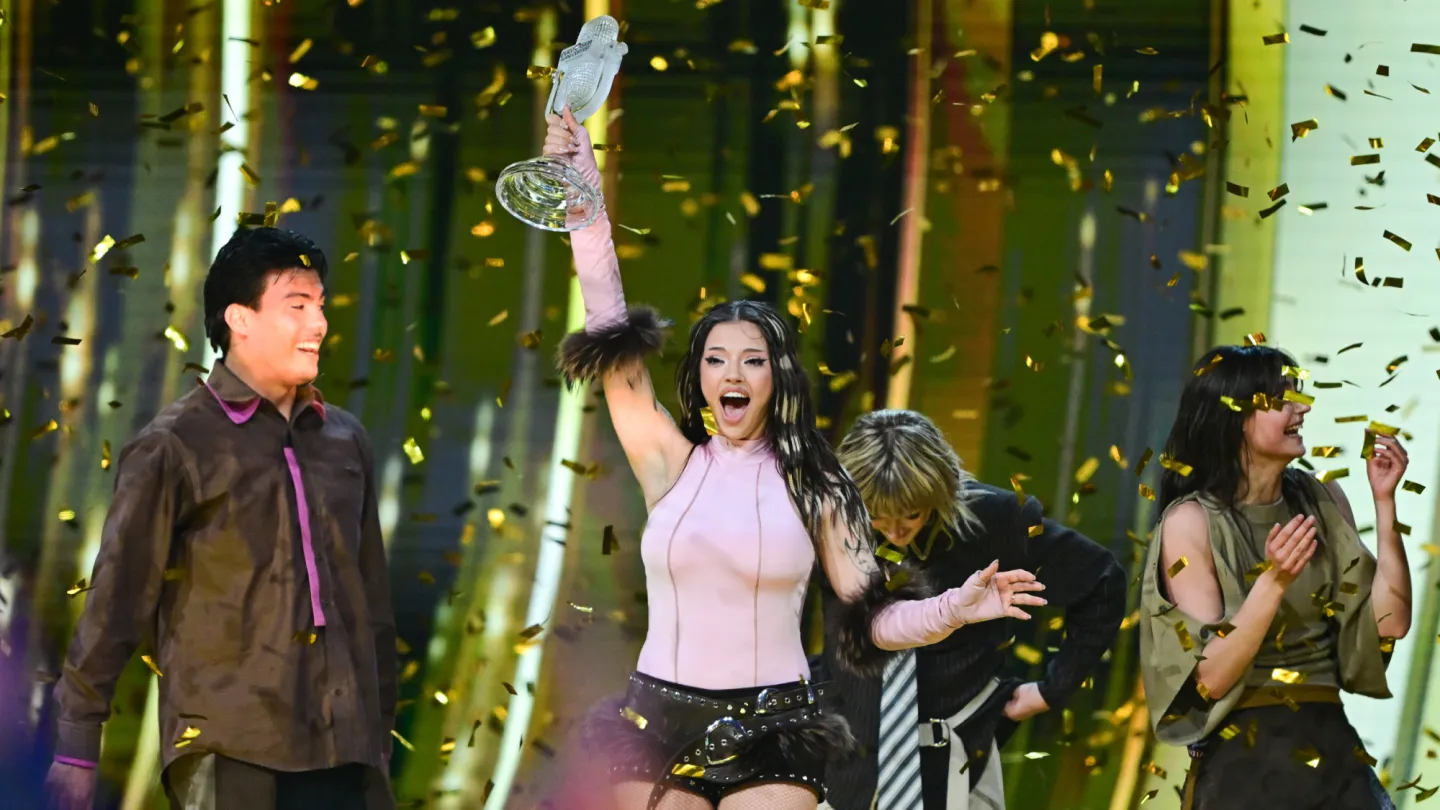
Prepare to have fun, whether you want to or not, as the 2026 Eurovision Song Contest rumbles into view, with the final taking place on Saturday 16 May.
In a piece of judicious timing, the journal Royal Society Open Science has published a big study of Eurovision’s history. The researchers compiled data on every contest from 1956 until 2024, a total of 1763 songs. They then classified the songs based on the language used, the themes and lyrics, and musical attributes such as genre. For some of this they used AI tools, which Feedback can understand because the thought of listening to 1763 Eurovision entries caused our tympanic membranes to briefly fold back on themselves.
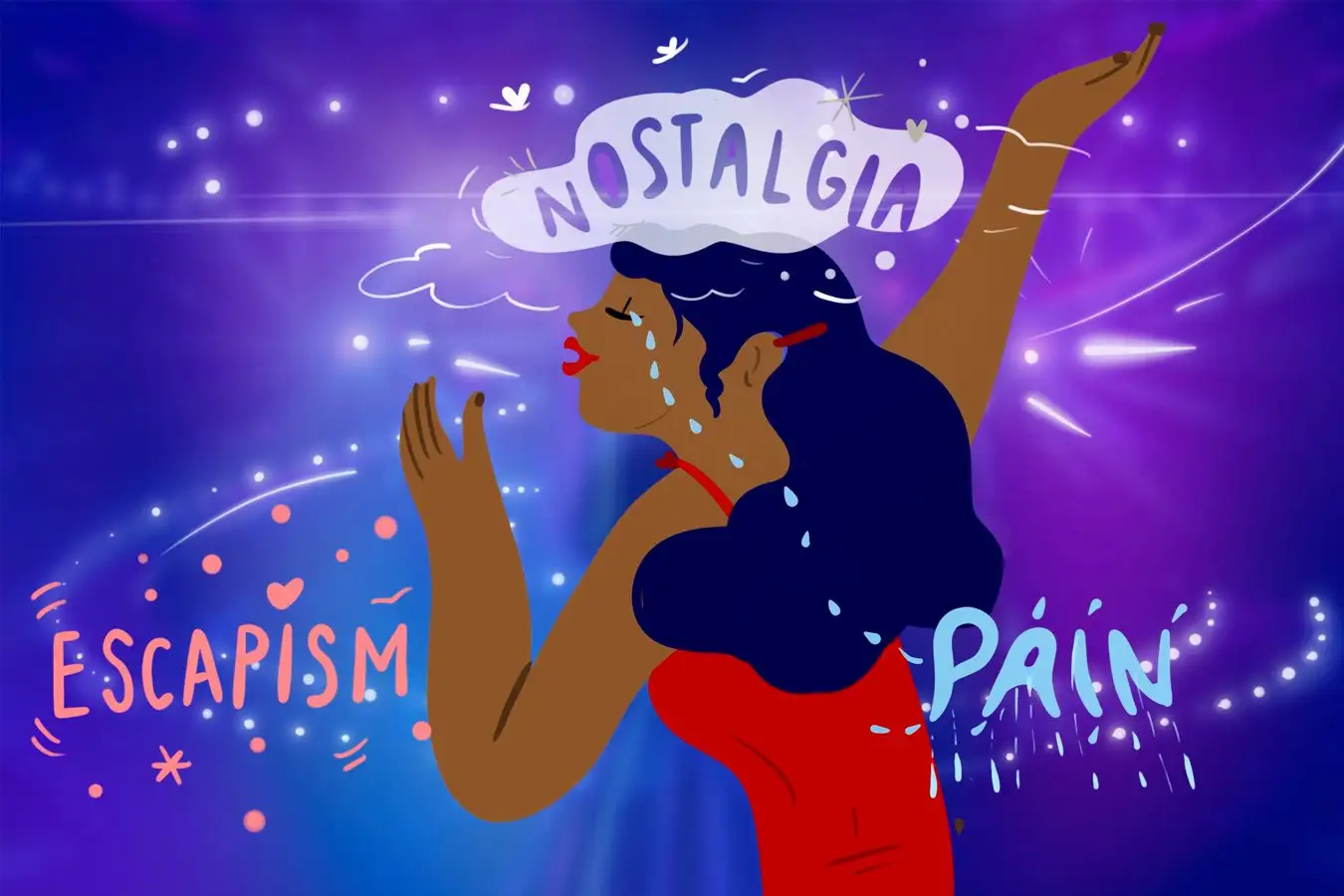
All sorts of things fell out of this analysis. For instance, a previous study had identified 12 main themes that describe the most popular songs, including aspiration, desire, breakup and pain. However, Eurovision entries really use only 11: “We excluded ‘Jaded’ because it appears in fewer than 5% of the songs,” the authors wrote. Feedback feels we could have told them that, because the contest’s gloriously naff sensibilities don’t really allow for anything as complicated as feeling jaded. But maybe that is our own jadedness talking.