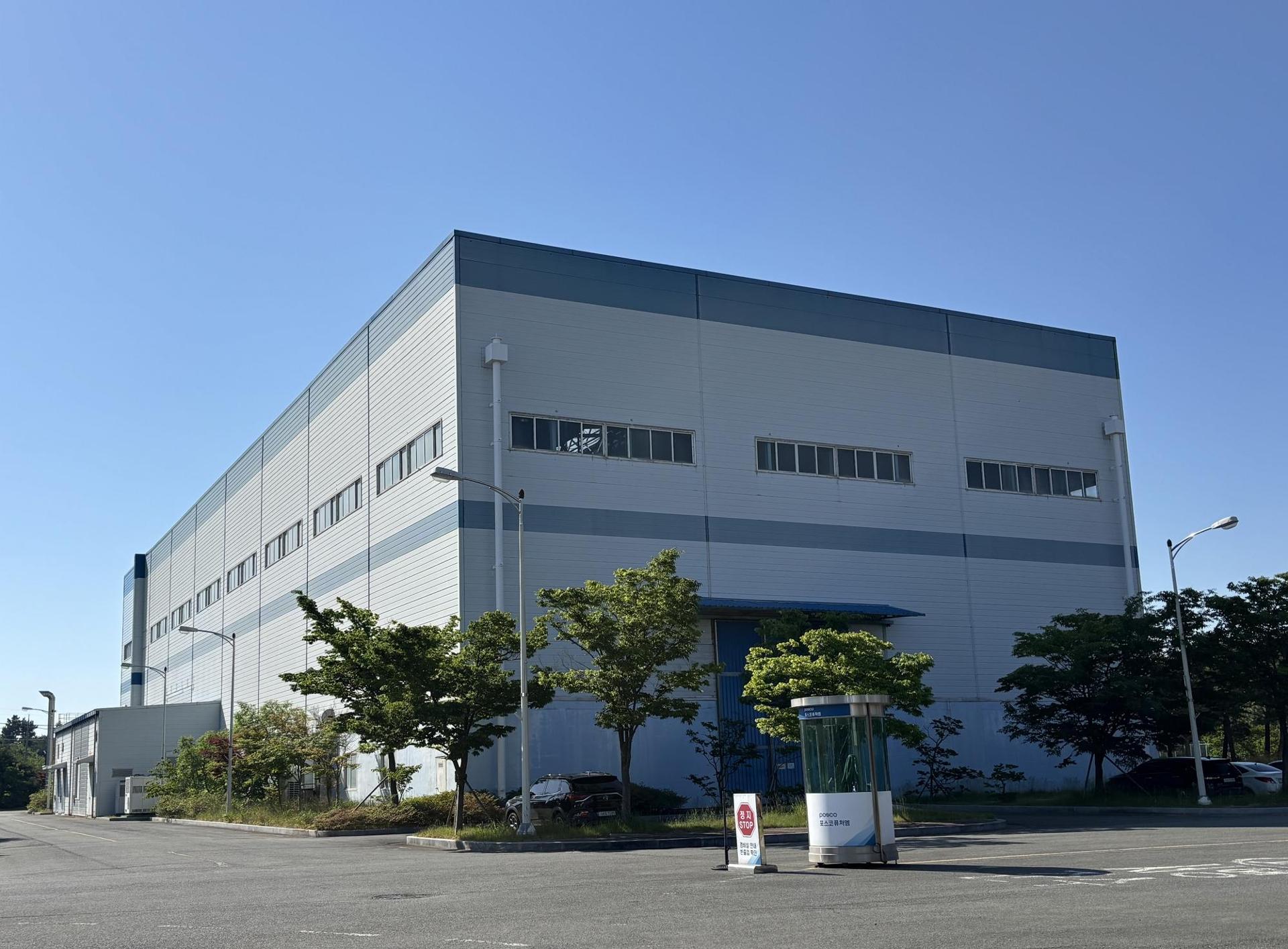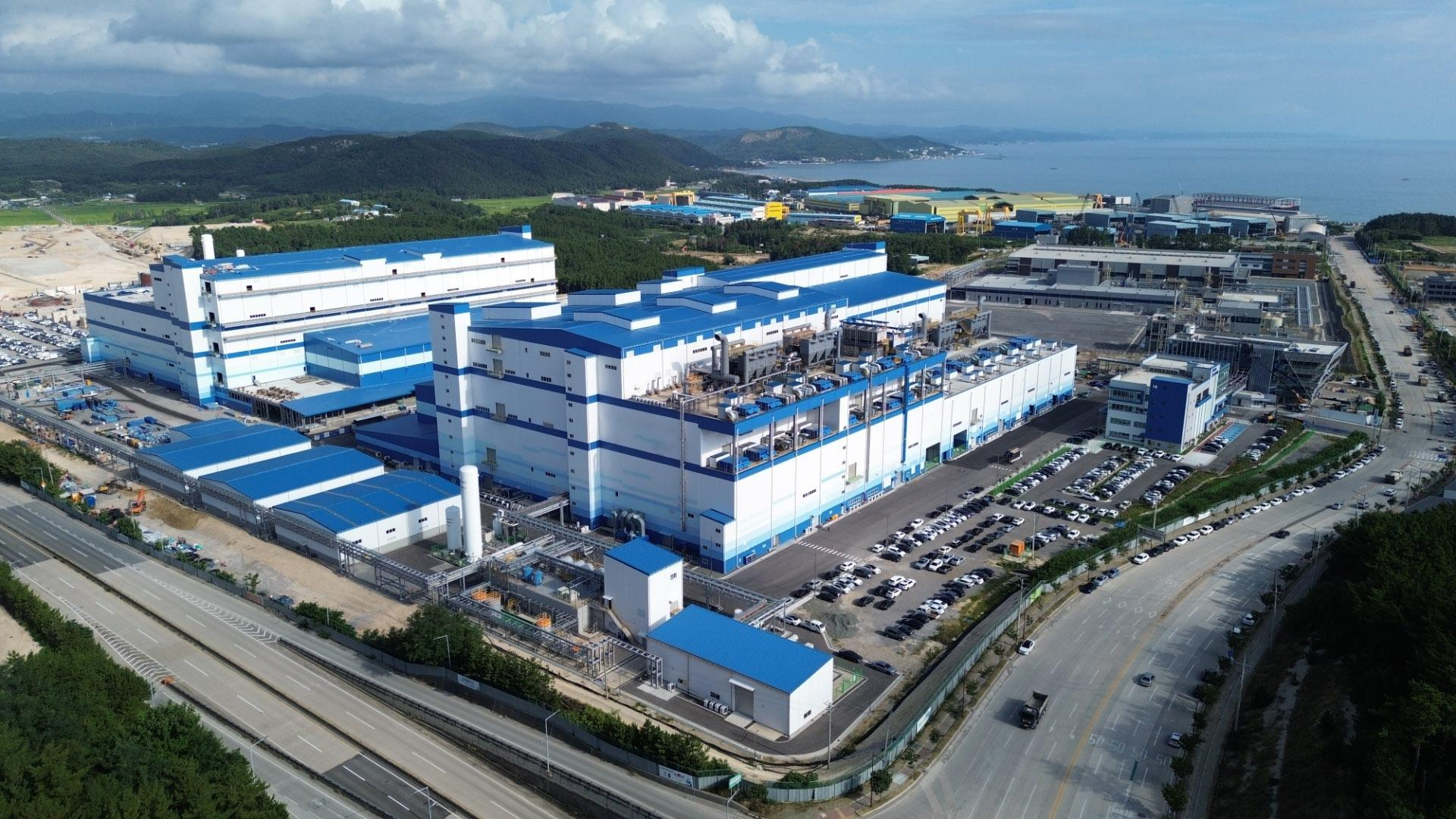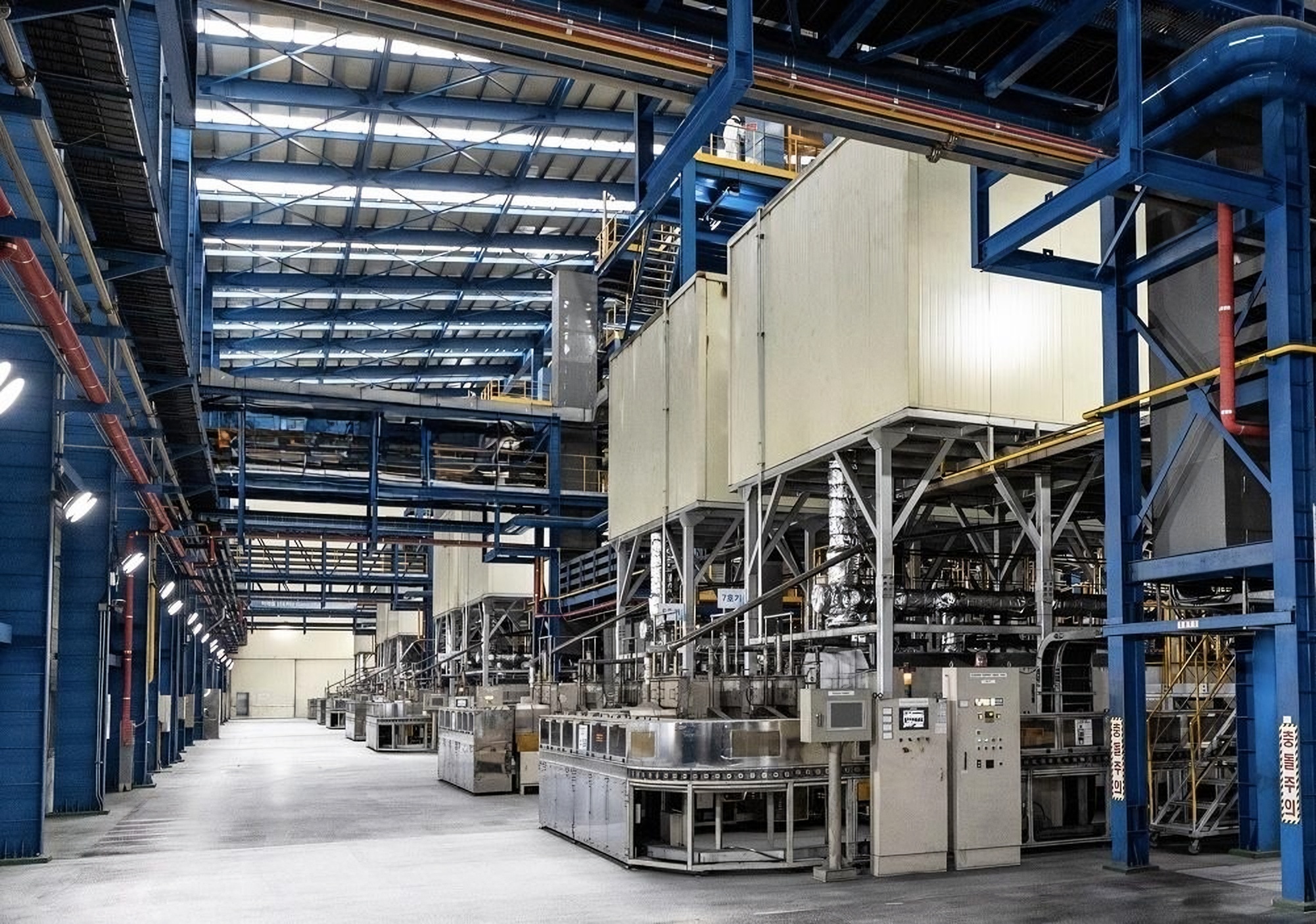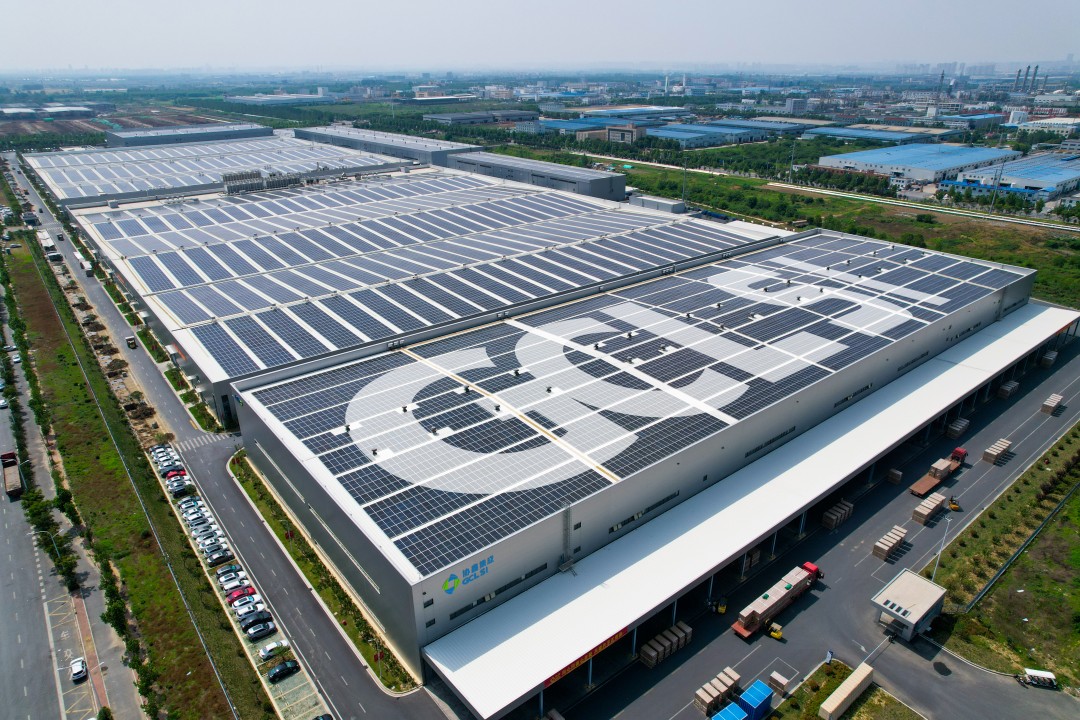
Posco Future M's silicon anode material pilot plant in Pohang, North Gyeongsang Province (Posco Future M) Posco Future M said Wednesday it has secured technology for the mass production of silicon anode materials, a next-generation lithium-ion battery component, and plans to begin commercial production in 2028.The South Korean battery materials maker said silicon anodes, which offer high energy density and faster charging speeds than conventional graphite-based anodes, are expected to see rapid demand growth as automakers seek longer-range and faster-charging electric vehicles.The company said its silicon anode material can store more than four times the energy of conventional graphite anodes.Silicon anodes are typically blended with graphite anodes in batteries because silicon tends to swell and contract during charging cycles, which is identified as a major hurdle to commercialization. The company said it tackled the issue by applying its proprietary silicon nano-processing and carbon composite technologies.As a result, Posco Future M's silicon anode material maintained more than 80 percent of its initial battery capacity after 1,000 charge-discharge cycles in tests where the silicon anode mixing ratio exceeded 20 percent. This is a significant improvement from the single-digit blending ratios commonly used in existing batteries.“Silicon anode materials are a next-generation core material that will determine battery performance,” said Hong Young-jun, head of the company’s technology research institute. “Based on our accumulated materials technology and mass-production experience, we will provide the best solutions to our customers.”The company said it secured mass-production capabilities after completing product testing and quality verification with major domestic and overseas customers. It plans to begin mass production and supply in 2028, depending on market demand.POSCO Future M expects silicon anode materials could see broader applications beyond electric vehicles, including in humanoid robots and urban air mobility sectors.
Posco Future M to mass produce silicon anodes by 2028
Posco Future M said Wednesday it has secured technology for the mass production of silicon anode materials, a next-generation lithium-ion battery component, and
289 words~1 min read