The next crypto cycle may not be driven by hype or halving cycles. It may be driven by something deeper: the collision between AI and a debt-based monetary system. The common view is that AI is deflationary. It makes software cheaper, automates services and lowers the cost of production. That is true on the surface. But in a system built on debt, sustained deflation creates stress, not stability. When prices fall, the real value of debt rises. Companies earn less but owe the same. Households face fixed repayments in a softer income environment. Governments collect less in taxes while their interest costs remain unchanged. That dynamic forces a response. Central banks cannot allow widespread deflation to take hold because it threatens the entire credit system. Even as AI pushes costs down, the monetary response must lean the other way. More liquidity, not less. This is where the story shifts from technology to capital. Collapse of the old playbook For the past decade software has been the dominant investment theme. High margins, scalable models, recurring revenue. It was treated as the most reliable form of growth. AI is beginning to challenge that assumption. When intelligence becomes cheaper, the value of selling access to it declines. Research, design, coding and content production are all being compressed. Some companies will adapt, but many will not. That does not destroy capital. It forces it to move. Investors are starting to ask a different question: what retains value in a world where intelligence is abundant? At the same time, the US Federal Reserve faces a more complicated environment. AI may boost productivity and justify lower rates but it also increases demand for energy, infrastructure and capital investment. It can create deflation in digital services while sustaining inflation in the physical economy. That split makes policymaking harder. Add in the scale of US debt, and the path narrows further. Higher rates increase the cost of maintaining the system. Lower rates risk allowing inflation to persist. There is no clean solution, which is why markets are not waiting for one. Bitcoin enters the frame Bitcoin is not part of the system being disrupted. It does not rely on labour. It has no margins to compress. It has no exposure to productivity shocks. Its supply is fixed. That difference matters more in an AI-driven economy. AI can produce more output, more content, more intelligence. It cannot produce more bitcoin. In a world where many assets are being diluted by abundance, scarcity becomes more valuable. This does not mean bitcoin rises in a straight line. If inflation remains elevated and yields rise, financial conditions can tighten, creating volatility across all markets. Bitcoin is not immune to that. But over time the direction of travel is shaped by liquidity. If AI compresses prices and threatens the debt system, central banks are likely to respond with easier policy. That increases liquidity. And liquidity needs somewhere to go. Historically, bitcoin has been highly sensitive to these shifts. The broader crypto market will follow, but not immediately. First comes bitcoin. Then large-cap crypto. Only later does capital move into higher-risk tokens. That sequence has repeated across cycles. The bigger picture What is unfolding is not only another market rotation. It is a change in how value is assigned. Human capital is being repriced. Software advantages are being eroded. Monetary policy is becoming more reactive. In that environment, assets that cannot be replicated or diluted stand apart. Bitcoin is one of them. The next decade may not reward those who simply own the fastest-growing technology. It may reward those who understand what remains scarce when everything else becomes cheaper. • Muchena is founder of Proudly Associated and author of ‘Artificial Intelligence Applied’ and ‘Tokenized Trillions’.
HEATH MUCHENA | AI will not kill inflation
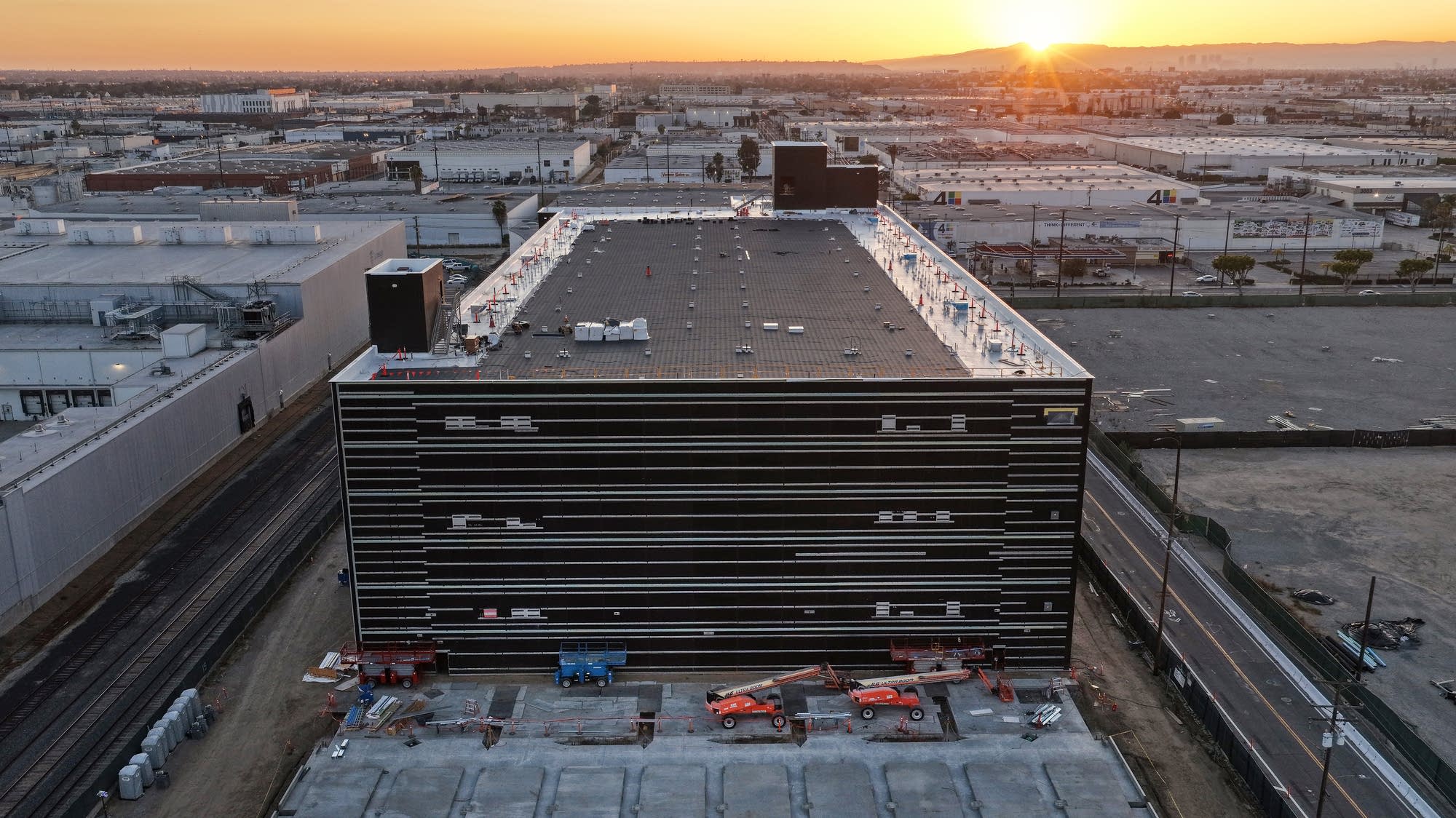
AI can cause digital services deflation and sustain inflation in the physical economy
621 words~3 min read